
Tehran, Iran, March 22, 2026 (Brussels Morning Newspaper) Children killed Iran war has become one of the most alarming humanitarian developments in Tehran Iran on March 22 2026, as officials confirm that at least 210 children have lost their lives during the ongoing conflict. The figures released by the country’s health ministry underscore the devastating impact of violence on civilians and highlight the growing urgency for international attention.
The rising number of children killed Iran war cases reflects a broader pattern seen in modern conflicts where densely populated urban areas become central to military operations. Families continue to face uncertainty, while rescue teams work tirelessly to locate survivors in heavily damaged neighborhoods.
Urban conflict exposes civilians to extreme danger
The escalation of fighting in urban centers has significantly increased risks for civilians. Residential areas, once considered safe zones, are now among the hardest hit locations.
The continued rise in children killed Iran war demonstrates how warfare in populated areas leaves vulnerable groups exposed to immediate danger. Buildings collapse, infrastructure fails, and essential services are disrupted, creating conditions where survival becomes increasingly difficult.
Families are often forced to make rapid decisions under life threatening circumstances, with limited access to safe evacuation routes.
Health system pushed to its limits
Hospitals and emergency services across affected regions are operating under extreme pressure. The growing number of children killed Iran war incidents is accompanied by a surge in injuries, overwhelming healthcare facilities.
Medical staff are working extended hours with limited resources. Shortages of equipment, medications, and trained personnel have made it difficult to provide adequate care for all patients.
One health official stated,
“The loss of children in this conflict is a tragedy that will be remembered for generations.”

Why children remain the most vulnerable victims
Children face unique risks during armed conflicts. Their dependence on caregivers and their presence in civilian environments make them particularly susceptible to harm.
The increase in children killed Iran war cases highlights these vulnerabilities. Schools, homes, and community spaces are frequently impacted, leaving children with little protection.
In addition to physical harm, many children experience psychological trauma that can affect their long term development and well being.
International concern grows over humanitarian impact
The rising number of children killed Iran war has drawn strong reactions from the international community. Governments and humanitarian organizations are calling for immediate action to protect civilians.
Aid agencies are mobilizing resources to provide food, shelter, and medical assistance to affected populations. Diplomatic efforts are also underway to encourage de escalation and dialogue.
A global representative noted,
“Protecting innocent lives must remain the top priority in any conflict.”
Displacement crisis deepens across the region
The conflict has forced thousands of families to leave their homes, leading to a growing displacement crisis. Many are seeking refuge in temporary shelters with limited access to essential services.
The continued rise in children killed Iran war underscores the broader humanitarian challenges faced by displaced populations. Children in these environments often lack access to education and healthcare.
Relief organizations are working to address these needs, but resources remain limited as the crisis expands.
Economic strain compounds humanitarian challenges
The impact of the conflict extends beyond immediate casualties. Infrastructure damage has disrupted economic activity, leading to job losses and reduced access to basic goods.
The increase in children killed Iran war is part of a wider crisis affecting communities at multiple levels. Families are struggling to cope with both emotional and financial hardships.
Recovery efforts will require significant investment and long term planning to rebuild affected areas.
History shows lasting consequences of child casualties in war
Historical patterns indicate that conflicts involving high numbers of child casualties often have long term social and economic effects.
The rise in children killed Iran war reflects similar trends seen in past conflicts where entire generations were impacted. Survivors often face challenges related to education, health, and psychological well being.
Understanding these patterns is essential for developing effective recovery strategies and preventing future crises.
Diplomatic efforts focus on reducing violence
International leaders are increasing pressure for ceasefire agreements and peaceful resolutions. The growing number of children killed Iran war incidents has become a central issue in diplomatic discussions.
Negotiations are ongoing, but progress remains uncertain. The complexity of the situation requires coordinated efforts from multiple stakeholders.
Humanitarian considerations are playing a key role in shaping these discussions.
Global focus shifts toward civilian protection
Efforts are being made to establish safe zones and humanitarian corridors to reduce risks for civilians. The rise in children killed Iran war has brought renewed urgency to these initiatives.
Ensuring access to essential services and reducing exposure to violence are critical priorities. However, implementation remains challenging in active conflict zones.
International cooperation will be essential to achieving meaningful progress.
A generation shaped by conflict and uncertainty
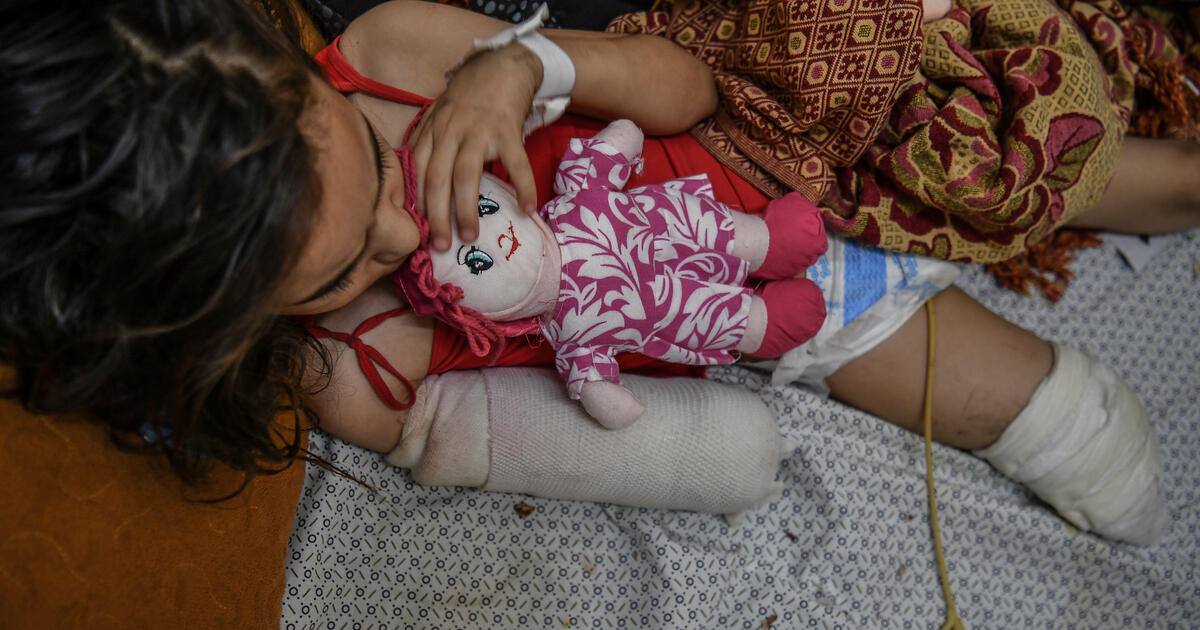
The continued rise in children killed Iran war represents more than a statistic. It reflects the profound human cost of conflict and the long term impact on future generations.
Communities are facing loss, disruption, and uncertainty as they attempt to navigate the challenges ahead. The effects of the crisis will likely be felt for years to come.
Final outlook the cost of conflict demands global response
The tragic rise in children killed Iran war highlights the urgent need for action. It underscores the importance of protecting civilians and prioritizing humanitarian efforts.
As the situation continues to evolve, the international community faces a critical moment. Decisions made now will shape the future for millions affected by the conflict.
The crisis serves as a powerful reminder that the true cost of war is measured in human lives and the loss of future potential.