Middle East — March 19, 2026 – Brussels Morning Newspaper — Visualising the Iran war reveals the scale and intensity of US and Israeli strikes alongside Tehran’s retaliatory actions, offering a clearer understanding of a rapidly escalating conflict with global implications.
The unfolding situation is marked by precision strikes, missile exchanges, and increasing geopolitical tension. Analysts suggest that the current trajectory reflects not only immediate military objectives but also long-term strategic positioning across the region.
Geographic Spread of Military Activity Across the Region
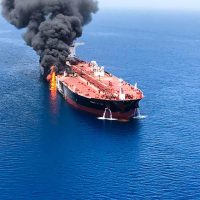
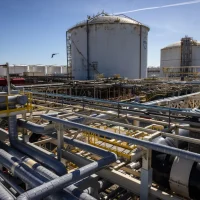
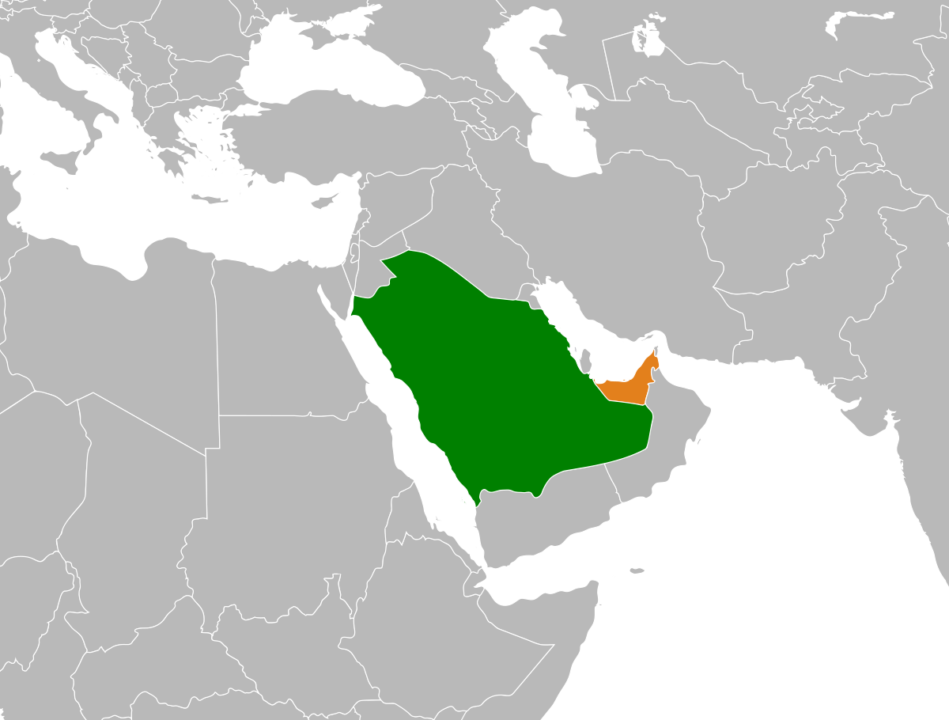
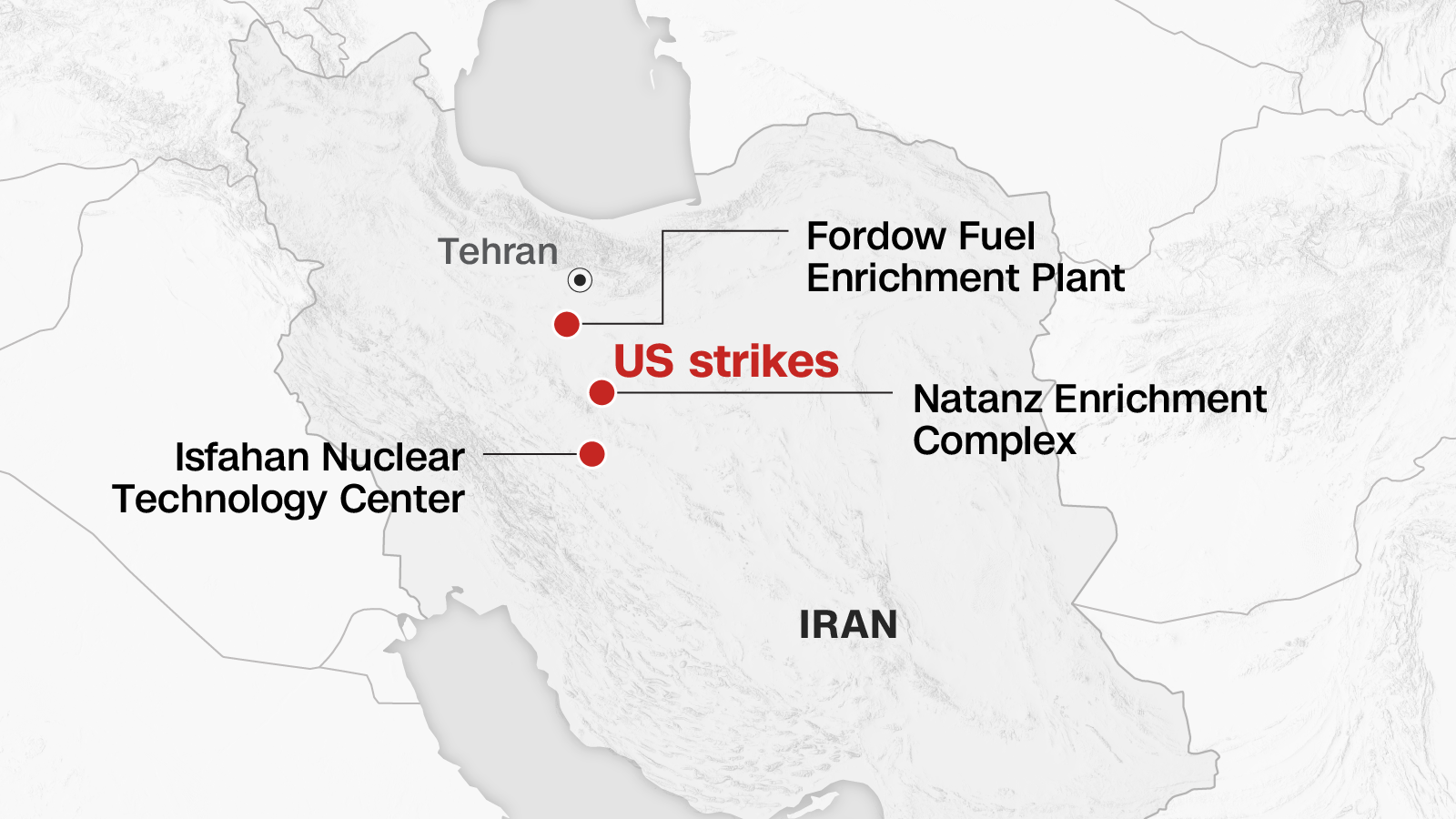
Visualising the Iran war begins with mapping the geographic scope of military operations. Strikes have targeted key infrastructure across multiple regions, including facilities believed to support missile development and command operations.
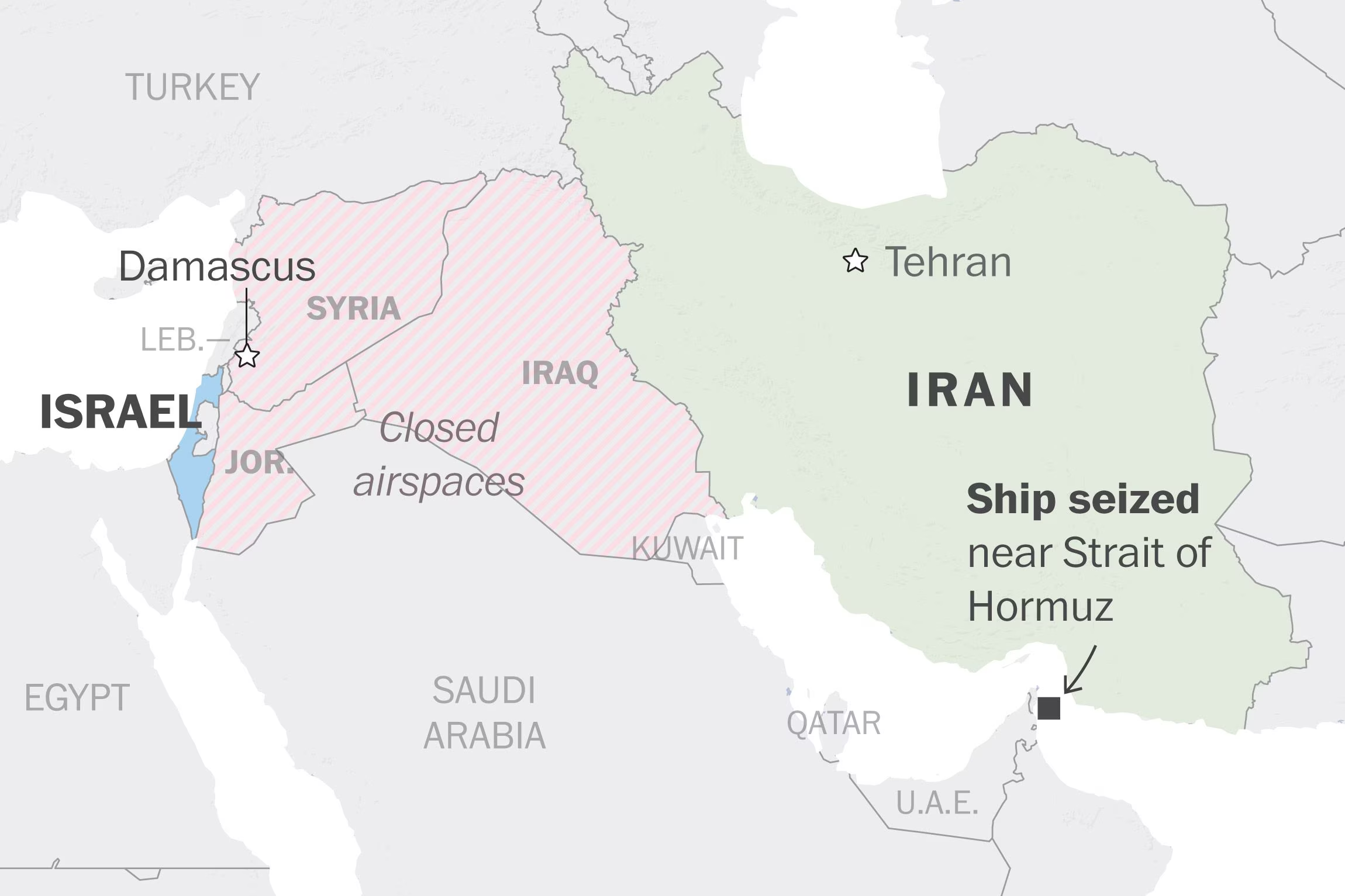
The dispersion of these actions indicates that the conflict is not isolated but part of a broader regional confrontation. Neighboring areas are experiencing heightened alert levels as tensions rise.
This geographic expansion underscores the complexity of the conflict and the potential for further escalation.
Precision Strikes and Strategic Military Planning
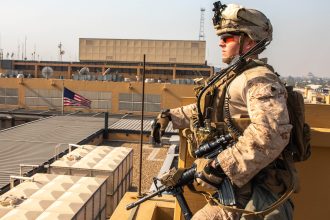
Through Visualising the Iran war, the structure of coordinated military operations becomes evident. US and Israeli forces have utilized precision-guided weapons to target strategic assets.
These operations are designed to minimize collateral damage while maximizing impact on military capabilities. However, repeated strikes increase the likelihood of retaliation and escalation.
Military experts emphasize that such strategies reflect modern warfare’s reliance on intelligence and advanced technology.
Tehran’s Military Response and Tactical Evolution
Visualising the Iran war also highlights Tehran’s evolving response strategy. Iran has employed a combination of missile launches and drone attacks to counter incoming strikes.
These responses are calculated to demonstrate strength while maintaining strategic ambiguity. The use of varied attack methods reflects an adaptive approach to modern conflict.
This evolution in tactics adds another layer of complexity to an already volatile situation.
Civilian Exposure and Infrastructure Challenges
A critical aspect of Visualising the Iran war is understanding its impact on civilian populations. While many targets are military in nature, nearby urban areas often face indirect consequences.
Damage to infrastructure such as roads, power grids, and communication systems disrupts daily life and increases humanitarian concerns.
International organizations continue to monitor the situation closely, emphasizing the need to protect civilian populations.
Regional Tensions Expand Beyond Initial Flashpoints
As Visualising the Iran war continues, it becomes clear that the conflict is expanding beyond initial areas of engagement. Neighboring countries are increasing security measures, anticipating potential spillover effects.
The involvement of multiple actors adds complexity, with alliances and strategic interests influencing the direction of the conflict.
This expansion raises concerns about the possibility of a broader regional confrontation.
Global Economic Signals Reflect Rising Uncertainty
Visualising the Iran war also reveals how global markets are reacting to the unfolding crisis. Energy prices have shown increased volatility, reflecting concerns about supply disruptions.
Investors are adjusting strategies, moving toward safer assets while monitoring developments closely. The economic impact is being felt across multiple sectors.
These signals highlight the interconnected nature of global markets and geopolitical events.
Technology and Modern War Visualization Techniques
Advancements in technology have transformed how conflicts are analyzed. Visualising the Iran war is now possible through satellite imagery, data analytics, and real-time tracking systems.
These tools provide valuable insights into military movements and strike patterns, allowing analysts to assess developments with greater accuracy.
The availability of such technology represents a significant shift in how information is gathered and interpreted.
Diplomatic Movements and International Reactions
As tensions rise, Visualising the Iran war underscores the importance of diplomatic efforts aimed at preventing further escalation. International leaders are engaging in discussions to de-escalate the situation.
However, differing priorities and strategic interests complicate these efforts. While some nations push for restraint, others focus on security concerns.
The outcome of these diplomatic initiatives will play a crucial role in shaping the future of the conflict.
Historical Context of Iran Related Conflicts
Understanding the present requires examining the past. Visualising the Iran war within a historical framework reveals patterns of tension and escalation that have shaped the region over decades.
Previous conflicts involving Iran have often followed similar trajectories, influenced by geopolitical interests and regional dynamics.
This historical perspective provides valuable insight into potential future developments.
Risk Scenarios and Possible Future Developments
Looking ahead, Visualising the Iran war suggests multiple potential scenarios. Continued escalation could lead to broader regional conflict, while successful diplomatic efforts may help stabilize the situation.
The uncertainty surrounding these outcomes makes it difficult to predict the future with confidence.
Analysts emphasize the importance of monitoring developments closely.
Global Security Implications and Strategic Shifts
The broader implications of the conflict are significant. Visualising the Iran war highlights how regional tensions can influence global security dynamics.
Shifts in alliances, increased military spending, and changes in defense strategies are all possible outcomes.
These developments could reshape international relations in the coming years.
The Moment That Could Redefine Regional Stability
The events of March 2026 represent a pivotal moment. Visualising the Iran war demonstrates how interconnected factors are driving a complex and evolving conflict.
From military operations to economic impacts, the situation is influencing multiple aspects of global stability.
A geopolitical analyst stated,
“What we are witnessing is a convergence of military strategy and geopolitical tension that could redefine the region.”
The Final Turning Point in a Rapidly Escalating Conflict
Visualising the Iran war provides a comprehensive view of a conflict that continues to evolve. By analyzing key elements such as strike patterns, geographic spread, and strategic responses, a clearer understanding emerges.
The situation remains fluid, with significant implications for regional and global stability. The coming weeks will be critical in determining whether tensions ease or escalate further.