Gulf Region — March 19, 2026 – Brussels Morning Newspaper — global oil prices surge as escalating attacks on critical energy infrastructure and rising geopolitical tensions disrupt global supply expectations, sending immediate shockwaves across financial markets and economies worldwide.
The surge in oil prices comes at a time when global markets were already facing uncertainty, amplifying fears of inflation, supply chain disruption, and economic slowdown. Governments and industries are now grappling with the potential long-term consequences of an energy crisis that could redefine global economic stability.
Energy Markets Enter a Phase of Extreme Volatility
As global oil prices surge, global energy markets have entered a period of heightened volatility. Crude oil benchmarks rose sharply within hours of reported disruptions, reflecting both immediate supply concerns and speculative trading activity.
Energy stocks climbed significantly, while sectors reliant on fuel costs, such as aviation and logistics, experienced downward pressure. Investors are shifting strategies, seeking safe-haven assets and commodities amid growing uncertainty.
One market strategist stated,
“The energy market reacts faster than any other sector because it is directly tied to global stability.”
Strategic Energy Corridors Face Rising Threats
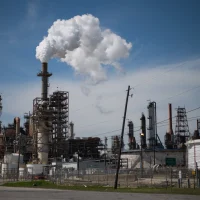
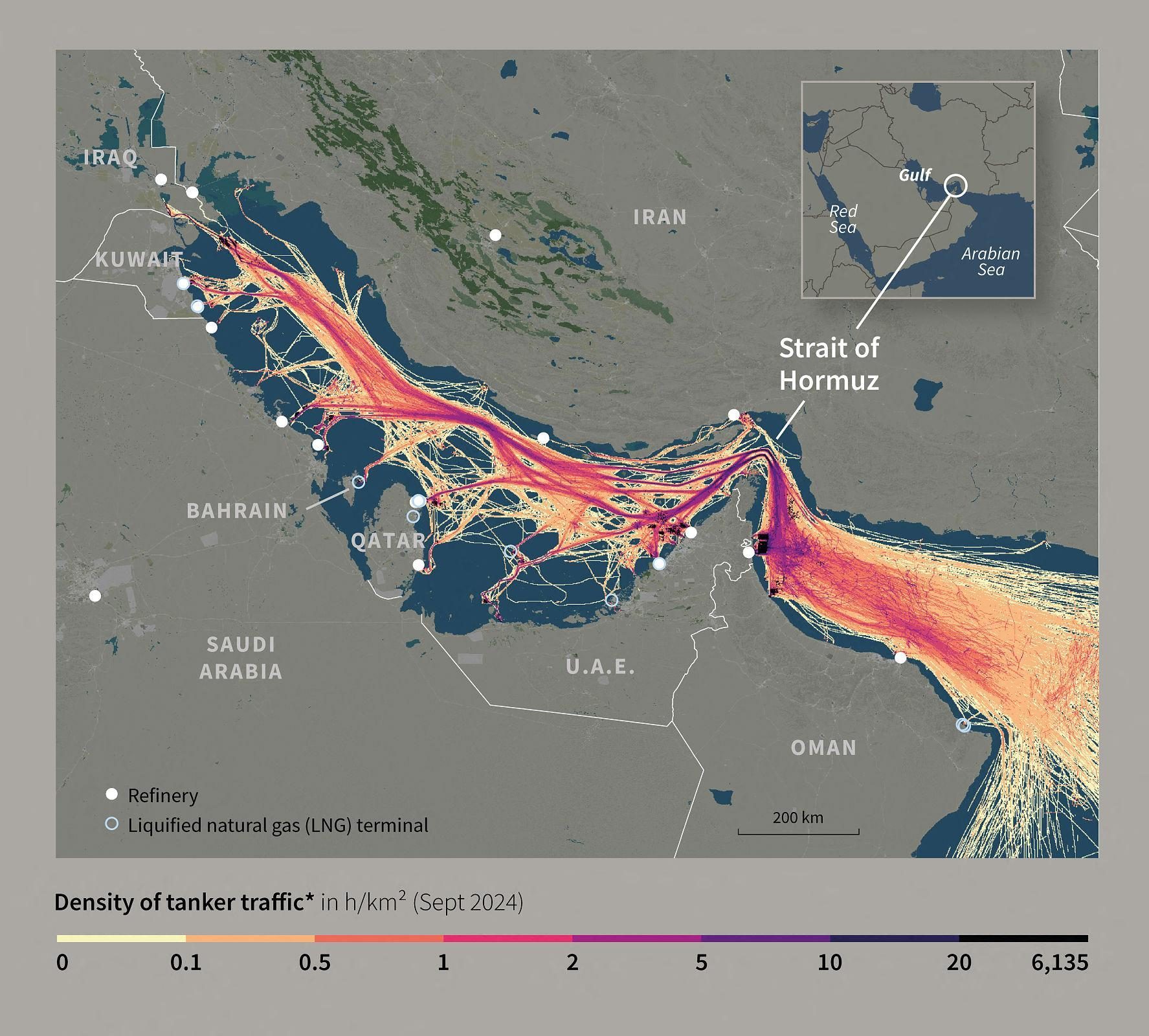
The Gulf region remains one of the most critical energy hubs in the world. As global oil prices surge, attention has shifted to the vulnerability of key shipping routes and infrastructure.
The Strait of Hormuz, a vital passageway for global oil shipments, has become a focal point of concern. Any disruption in this corridor can have immediate and far-reaching consequences for energy markets.
Security measures have been intensified, but risks remain elevated as tensions continue to escalate.
Supply Chain Disruptions Ripple Across Global Industries
As global oil prices surge, supply chains across industries are experiencing significant strain. Rising fuel costs are increasing shipping expenses, while delays and rerouted transport routes are adding complexity to logistics operations.
Manufacturers are facing higher production costs due to increased energy prices, while retailers are preparing for potential price increases. These challenges are contributing to broader economic pressures across multiple sectors.
Consumers Face Rising Costs and Inflation Pressures
The impact on consumers is immediate and widespread. As global oil prices surge, fuel prices at gas stations are rising, increasing the cost of transportation and daily living.
Higher energy costs are also driving up the prices of goods and services, contributing to inflation. This is placing additional pressure on households, particularly in regions already experiencing economic challenges.
A financial analyst noted,
“Energy costs influence every part of the economy, making this surge particularly concerning.”
Government Responses and Strategic Measures
Governments worldwide are taking steps to address the situation as global oil prices surge. Some are considering releasing strategic petroleum reserves to stabilize markets and ease supply pressures.
Diplomatic efforts are also underway to reduce tensions in the Gulf region. Policymakers are balancing immediate responses with long-term strategies aimed at reducing reliance on volatile energy sources.
Geopolitical Instability Drives Market Behavior
The surge in oil prices is closely linked to geopolitical developments. As global oil prices surge, ongoing conflicts and instability in the region continue to influence market dynamics.
Military activity has increased, and diplomatic negotiations remain uncertain. The situation highlights the interconnected nature of geopolitics and energy markets.
An international relations expert said,
“Energy security and geopolitical stability are inseparable in today’s global economy.”
Historical Energy Crises Provide Critical Insight
Historically, energy markets have been highly sensitive to geopolitical risks. The pattern where global oil prices surge during times of instability has been observed repeatedly.
Past conflicts in key oil-producing regions have led to supply disruptions and sharp price increases. These historical events provide valuable context for understanding the current situation.
Industry Adapts to Rising Energy Costs
Industries are responding rapidly as global oil prices surge, implementing strategies to manage rising costs and maintain operations.
Companies are focusing on efficiency, exploring alternative energy sources, and optimizing logistics. Energy producers, meanwhile, are benefiting from higher prices, potentially increasing output to meet demand.
Global Economic Impact Expands Across Markets
The broader economic impact is significant. As global oil prices surge, inflationary pressures are increasing, affecting economies worldwide.
Higher energy costs can slow economic growth, reduce consumer spending, and create challenges for policymakers. Emerging markets are particularly vulnerable due to their reliance on energy imports.
Future Outlook Remains Highly Uncertain
Looking ahead, uncertainty continues to dominate the outlook. As global oil prices surge, analysts are closely monitoring geopolitical developments and supply conditions.
Short-term fluctuations are expected, but long-term trends will depend on how the situation evolves. Stability in the Gulf region will be a key factor in determining future price movements.
A Turning Point That Could Redefine Global Energy Strategy
The current crisis may represent a turning point in global energy strategy. As global oil prices surge, there is increasing emphasis on diversification and renewable energy investment.
Countries are seeking to reduce dependence on volatile regions, which could reshape the global energy landscape in the coming years.
A Critical Moment for Global Stability
The events of March 2026 highlight the fragile nature of global energy systems. As global oil prices surge, the impact is being felt across industries, economies, and households worldwide.
From rising fuel costs to broader economic challenges, the effects are far-reaching. The coming weeks will determine whether this surge stabilizes or develops into a prolonged global energy crisis.