Gulf Region — March 16, 2026 — Brussels Morning Newspaper — International energy markets are closely watching developments in the Persian Gulf as governments and industry leaders discuss the importance of global oil supply stability. The Strait of Hormuz remains one of the most strategically important shipping lanes in the world, carrying massive quantities of crude oil every day from the Middle East to international markets.
Recent policy discussions and diplomatic signals from major global powers emphasize the need to keep shipping routes open and secure. The narrow waterway has long served as the primary export route for several of the world’s largest oil producers. Because of this, any tension or disruption in the area quickly raises concerns about global oil supply stability.
Energy traders and financial markets understand the significance of the region. Even small disruptions can ripple through global energy markets and affect prices for gasoline, transportation, and industrial production.
Why the Strait of Hormuz is vital to global energy
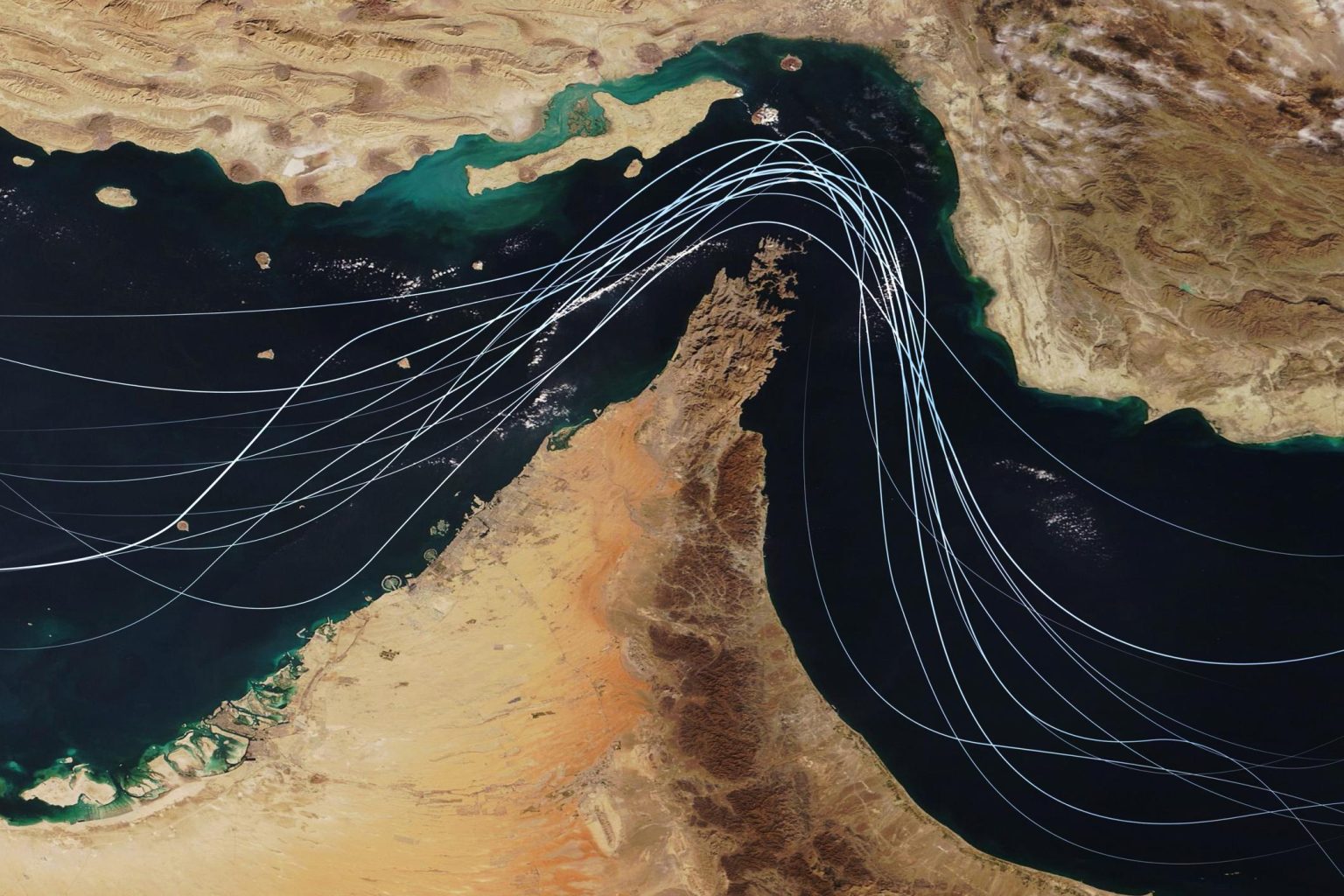
The Strait of Hormuz connects the Persian Gulf with the Arabian Sea and ultimately the global ocean trade network. Every day, millions of barrels of crude oil pass through this narrow corridor on tankers heading toward Asia, Europe, and other international markets.
Countries such as Saudi Arabia, Iraq, Kuwait, the United Arab Emirates, and Iran rely heavily on this route to transport their oil exports. This massive flow of energy resources makes the waterway central to global oil supply stability.
Because such a large portion of the world’s oil moves through the strait, the region often becomes a focal point for geopolitical tensions. Governments and energy companies closely monitor the area to ensure that tanker traffic continues without interruption.
Maintaining safe passage for ships is therefore not just a regional concern but a critical global economic priority.
Energy demand continues to shape international policy
Despite growing investments in renewable energy technologies, oil remains one of the most important energy sources in the global economy. Transportation networks, aviation industries, manufacturing sectors, and shipping companies all depend heavily on petroleum products.
This ongoing reliance means that policymakers must constantly consider global oil supply stability when making diplomatic and security decisions. If oil shipments through the Strait of Hormuz were disrupted, the impact would extend far beyond the Middle East.
Large energy importers such as China, India, Japan, and South Korea rely heavily on Gulf oil shipments. Any disruption could significantly affect industrial output and economic growth in those countries.
For this reason, international cooperation and maritime security efforts remain a key component of maintaining reliable energy flows.
Financial markets react to supply concerns
Global financial markets tend to respond quickly to developments in the Gulf region. Oil traders track political statements, military movements, and diplomatic negotiations that might affect tanker transit.
When concerns arise about the safety of shipping lanes, markets often react by increasing oil prices in anticipation of potential shortages. These price shifts are closely tied to perceptions of global oil supply stability.
Energy companies also monitor the region carefully because supply disruptions could affect refinery operations and long term supply contracts. Shipping companies, insurers, and logistics providers likewise evaluate risks associated with maritime transport in the area.
Maintaining stable shipping routes helps reduce market volatility and ensures that global supply chains remain functional.
Regional cooperation to protect shipping lanes
Countries surrounding the Persian Gulf share a strong interest in protecting tanker traffic. Oil exports are a cornerstone of many regional economies, and uninterrupted maritime trade is essential to national revenues.
Regional governments have invested heavily in port infrastructure, security operations, and international partnerships designed to support global oil supply stability.
Naval patrols and joint maritime operations help deter threats to commercial vessels traveling through the strait. These efforts demonstrate the shared interest among Gulf states and global powers in maintaining open sea lanes.
Even during periods of diplomatic tension, there is widespread recognition that shutting down shipping routes would have severe economic consequences.
Historic comparisons from past oil transit crises
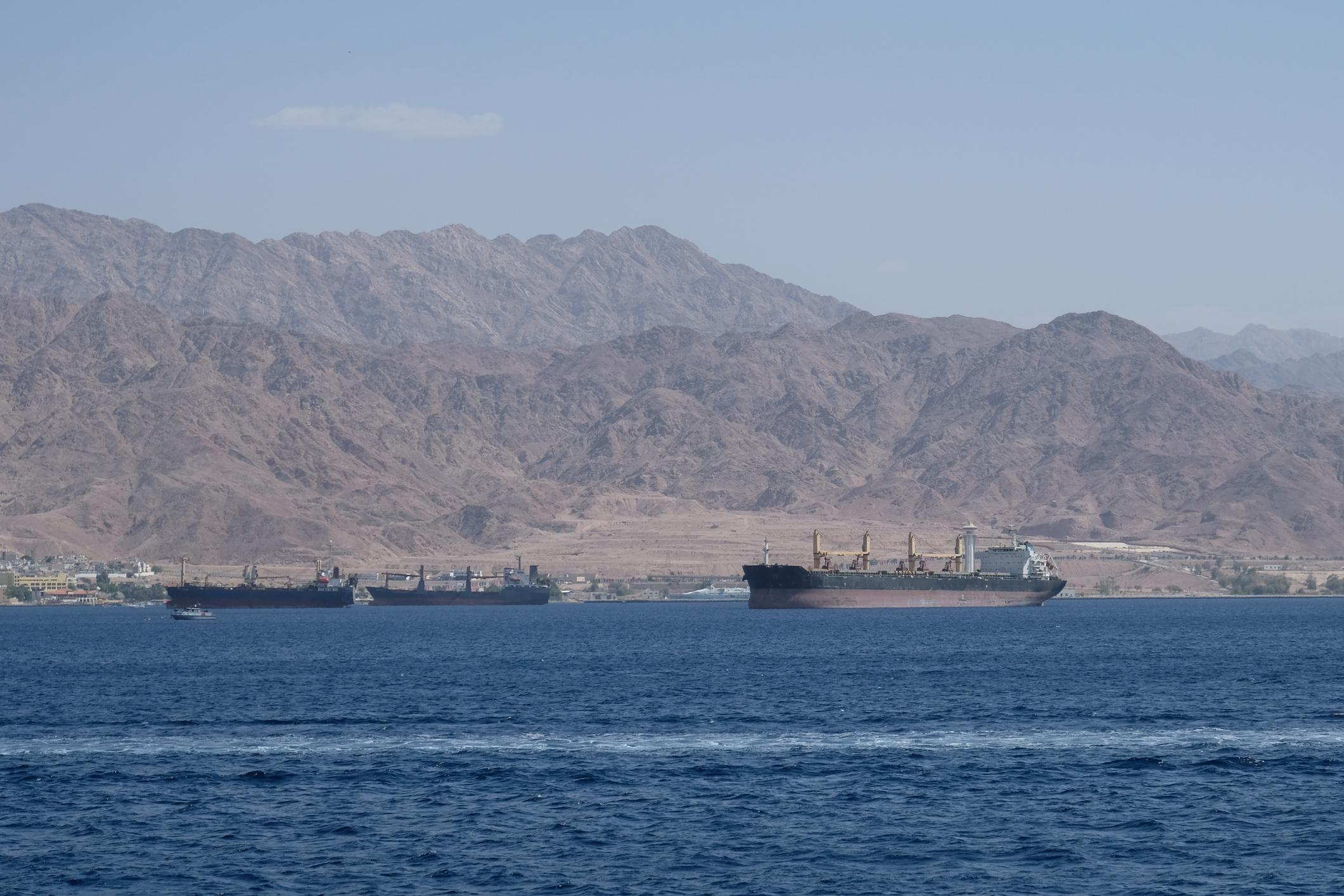
History provides several examples of how tensions in the Gulf can influence global markets. During the Iran Iraq conflict in the 1980s, attacks on oil tankers in what became known as the Tanker War disrupted shipping and forced international naval forces to escort vessels through the region.
At the time, protecting shipping lanes became essential to restoring global oil supply stability.
Governments coordinated naval patrols to safeguard commercial vessels and prevent further attacks on tanker traffic. Similar concerns have resurfaced periodically in later decades when isolated incidents involving ship seizures or maritime confrontations raised fears about possible disruptions.
These historical episodes highlight how sensitive global energy markets are to events in the Strait of Hormuz and why international attention remains focused on the region today.
Strategic role of maritime security forces
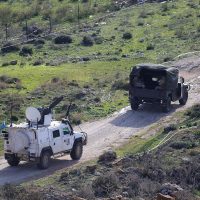
Naval forces from several countries maintain a presence in the Gulf to protect shipping lanes and respond to potential threats. Maritime patrols help ensure that tankers carrying crude oil can pass safely through the Strait of Hormuz.
Security cooperation between allied nations plays a key role in reinforcing global oil supply stability.
These operations are designed to deter attacks, monitor shipping traffic, and provide rapid assistance if vessels encounter problems. The presence of international naval forces also sends a signal that the global community is committed to protecting one of the world’s most important energy routes.
Expert perspective on energy security
Energy policy experts emphasize that reliable transportation routes remain fundamental to the global economy. Without safe maritime corridors, the supply chains supporting industry and transportation could face severe disruption.
One energy analyst summarized the issue clearly.
“Maintaining open shipping lanes through the Strait of Hormuz is essential for global oil supply stability because the world economy still depends heavily on reliable petroleum flows.”
This perspective underscores why governments continue investing diplomatic and military resources to protect tanker traffic.
Long term outlook for international oil transport
Although many countries are developing alternative pipelines and export routes, the Strait of Hormuz remains the most important pathway for Gulf oil shipments. Infrastructure projects designed to bypass the strait exist, but they currently handle only a portion of the region’s total exports.
As a result, global oil supply stability will likely remain closely tied to developments in the Gulf for the foreseeable future.
Energy analysts expect continued international cooperation to maintain security in the region and prevent disruptions. The global transition toward renewable energy sources may eventually reduce reliance on oil, but petroleum remains a central component of the world economy today.
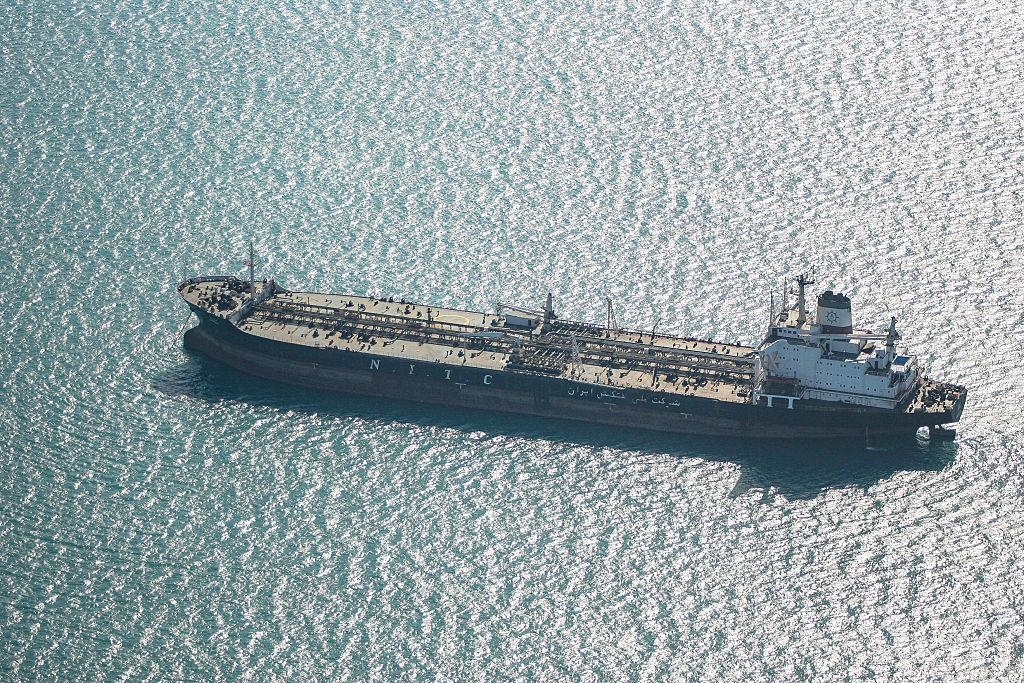
The narrow passage that quietly powers the world
The Strait of Hormuz may appear small on a map, yet its influence extends across continents. The steady movement of oil tankers through this corridor fuels industries, transportation systems, and economic activity worldwide.
Protecting the flow of energy through the strait remains essential to global oil supply stability and to the functioning of modern economies.
Governments, energy companies, and international organizations will continue monitoring the region carefully. As long as global demand for oil remains strong, the safe passage of tankers through this narrow waterway will remain one of the most important priorities for the international community.