
Beirut, Lebanon — March 16, 2026 — Brussels Morning Newspaper — Lebanon border tensions have once again drawn international attention as military activity increases along the frontier separating Israel and Lebanon. Political rhetoric, heightened surveillance, and security alerts have raised concerns among analysts that the fragile stability along the border may be weakening.
For decades the Israel Lebanon frontier has remained one of the most sensitive geopolitical zones in the Middle East. Communities on both sides live close to military positions and security installations, meaning that even small incidents can rapidly escalate.
Governments across Europe, the United States, and the Middle East are watching developments carefully. Analysts believe the evolving Lebanon border tensions could influence broader diplomatic discussions about security and stability in the region.
Why the Israel Lebanon Border Remains Volatile
The Israel Lebanon border stretches across rugged hills, agricultural land, and small villages where civilians live close to the frontier. This geography contributes to the fragile nature of security in the region.
Lebanon border tensions are strongly influenced by the presence of Hezbollah fighters and military infrastructure in southern Lebanon. Israeli officials consider this presence a direct threat because Hezbollah possesses a significant arsenal of rockets capable of reaching Israeli territory.
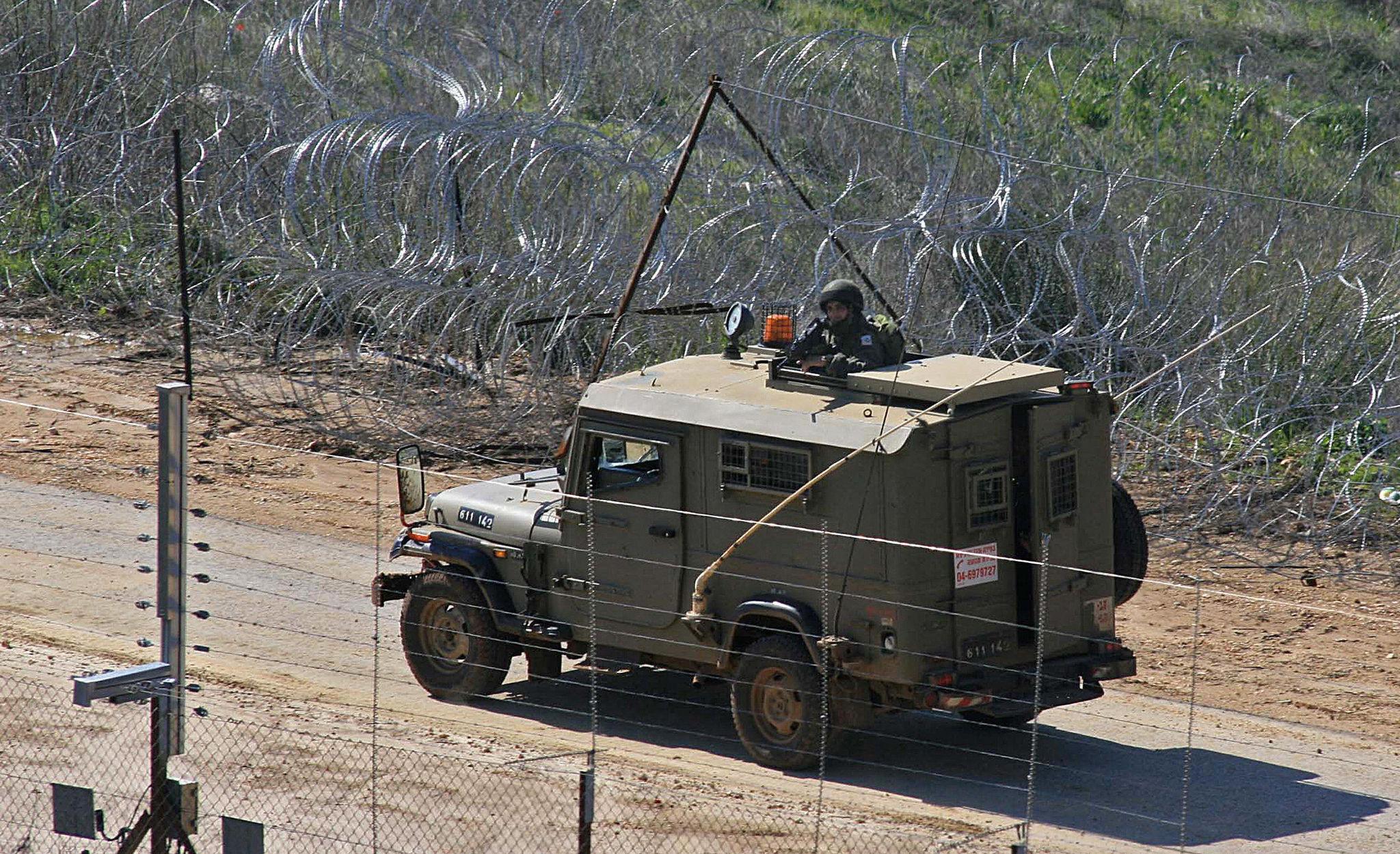
To counter this threat Israel maintains surveillance systems, patrol units, and defensive positions along the frontier. These security measures are intended to prevent infiltration attempts or rocket attacks.
However Lebanese leaders often warn that increased military activity can heighten Lebanon border tensions rather than reduce them. This delicate balance between deterrence and escalation continues to shape the security situation.
Hezbollah and the Strategic Balance
Hezbollah remains a major factor in the dynamics behind Lebanon border tensions. The organization emerged during Lebanon’s civil war in the 1980s and has since become both a political force and a powerful military actor.
Hezbollah leaders frequently argue that their military presence in southern Lebanon is necessary to defend the country from external threats.
Israeli officials take a different view. From Israel’s perspective Hezbollah’s growing missile capabilities represent a serious national security concern that cannot be ignored.
These competing narratives reinforce Lebanon border tensions and contribute to the ongoing security competition along the frontier.
Diplomatic Efforts to Reduce the Risk
International diplomacy plays a significant role in attempts to prevent Lebanon border tensions from escalating into a larger conflict.
The United Nations Interim Force in Lebanon operates along the frontier with the goal of monitoring ceasefire lines and facilitating communication between the two sides.
European governments and international mediators have also encouraged restraint and dialogue aimed at reducing military pressure.
Despite these diplomatic initiatives Lebanon border tensions remain difficult to resolve because the underlying security concerns on both sides continue to shape strategic decisions.
Military Strategies on Both Sides
Military planners on both sides of the frontier focus on deterrence. The objective is to maintain enough defensive capability to discourage the other side from initiating conflict.
Israeli defense forces rely on advanced surveillance technology, rapid response units, and defensive infrastructure to maintain security along the border.
Hezbollah meanwhile emphasizes its ability to retaliate with missile strikes if Israel launches major military operations.
These competing deterrence strategies contribute to Lebanon border tensions while also creating a fragile balance intended to prevent open war.

Historical Comparison With Past Conflict
The seriousness of Lebanon border tensions today is often compared with the events leading up to the Israel Hezbollah war in 2006.
That conflict began after a cross border incident escalated rapidly into a full scale war lasting more than a month. Thousands of rockets were fired and large parts of southern Lebanon suffered extensive destruction.
The conflict also caused significant disruption in northern Israel as civilians were forced into shelters during heavy rocket attacks.
The memory of the 2006 war continues to influence how military and political leaders approach Lebanon border tensions today. Both sides understand how quickly local incidents can grow into regional crises.
Impact on Communities Near the Border
While geopolitical strategies dominate international headlines the people most affected by Lebanon border tensions are civilians living near the frontier.
Families in border villages often experience uncertainty whenever military activity increases. Farmers working fields near the border sometimes face restrictions or dangerous conditions.
Local businesses can also suffer during periods of heightened tension as tourism and economic activity decline.
For residents of these communities Lebanon border tensions represent not only a political issue but also a daily reality that affects their safety and livelihoods.
Expert View
One Middle East security analyst summarized the situation by saying
“Border conflicts in this region rarely exist in isolation. What happens along the Israel Lebanon frontier often reflects wider political struggles unfolding across the Middle East.”
This perspective highlights how Lebanon border tensions are closely linked to broader geopolitical developments involving regional powers and international diplomacy.
The Road Ahead for Regional Stability
Looking ahead analysts believe the future of Lebanon border tensions will depend on several key factors including diplomatic engagement, regional alliances, and military deterrence strategies.
Some observers believe stronger international mediation could help prevent escalation if both sides remain cautious.
Others warn that unresolved political disputes and strategic rivalry could continue fueling instability along the frontier.
For now the Israel Lebanon border remains one of the most closely monitored security zones in the world.
A Narrow Frontier With Global Consequences
The Israel Lebanon frontier may appear small on a map yet its strategic importance extends far beyond the region. Decades of political rivalry, security concerns, and military competition have turned the border into a symbol of unresolved regional tensions.
As diplomatic efforts continue and regional actors pursue their interests the future of Lebanon border tensions remains uncertain.
What happens along this narrow frontier will likely continue shaping Middle Eastern geopolitics for years to come.