JERUSALEM — March 15, 2026 — Brussels Morning Newspaper — Israel Lebanon tensions have intensified after Israel’s foreign minister confirmed that there are no plans to open diplomatic talks with the Lebanese government, signaling continued strain along one of the Middle East’s most sensitive borders. The statement comes as security forces on both sides remain on alert and international observers urge restraint to avoid further escalation.
Officials in Jerusalem say the current environment does not support negotiations. Israeli leadership maintains that national security concerns and instability along the border must be addressed before any diplomatic engagement can take place.
The development highlights how deeply rooted political and military challenges continue to shape relations between the neighboring countries.
Israel Rejects Immediate Diplomatic Engagement
During a press briefing in Jerusalem, Israel’s foreign minister clarified the government’s position regarding negotiations with Beirut. The minister said that current circumstances do not allow for constructive diplomatic talks.
The announcement has drawn global attention as Israel Lebanon tensions remain one of the most closely monitored geopolitical issues in the Middle East.
Israel has repeatedly stated that any diplomatic discussions would require improved security conditions along the northern frontier. Officials argue that meaningful negotiations cannot occur while the border remains unstable and threats persist in the region.
The government’s position reflects a cautious approach aimed at protecting national security while maintaining readiness to respond to any developments along the frontier.
Heightened Security Along the Northern Border
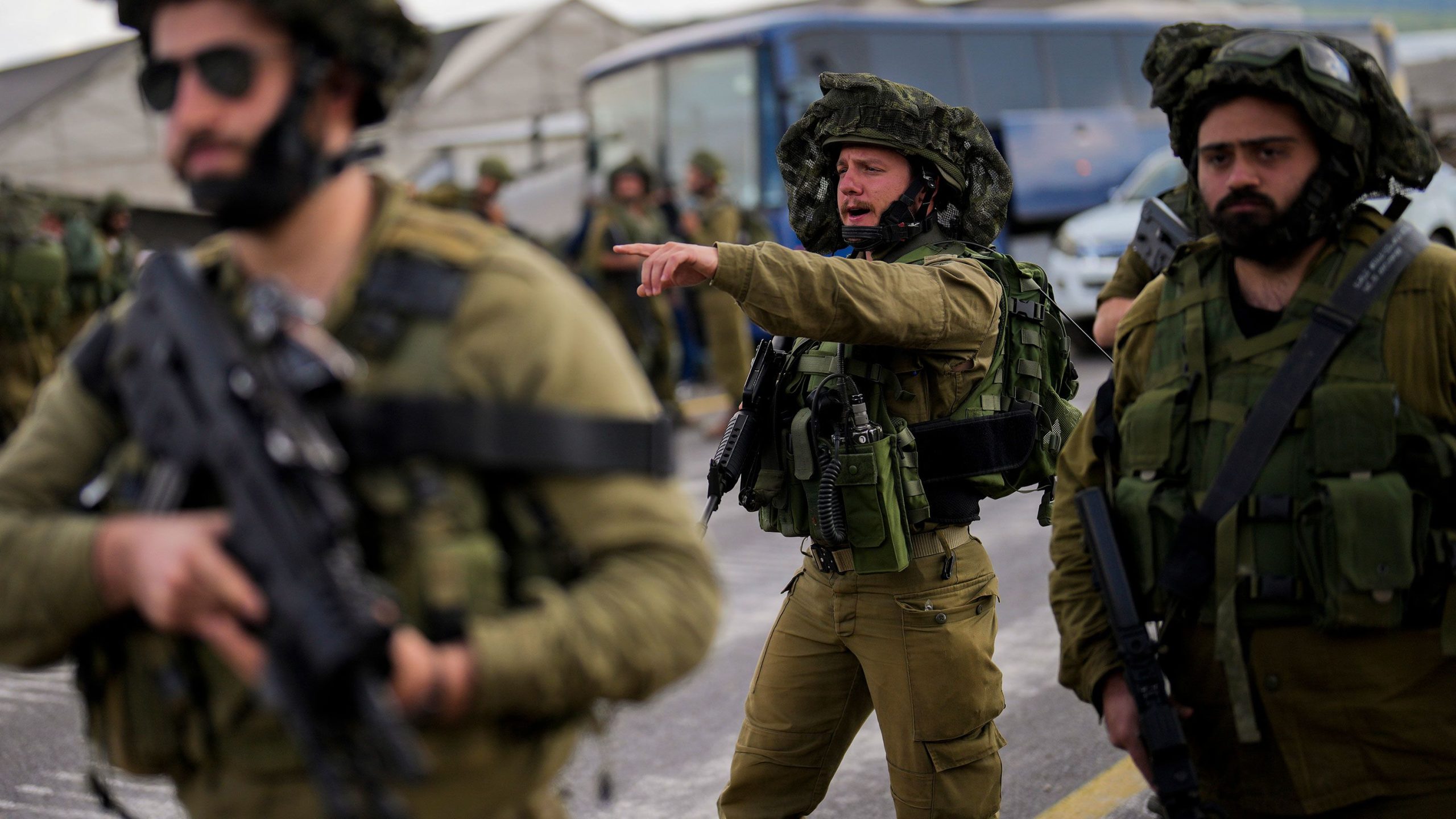
Military activity along the Israel Lebanon border has increased as Israel Lebanon tensions continue to dominate regional security discussions.
Israeli defense forces have expanded surveillance operations and reinforced defensive positions in communities near the frontier. Authorities say the measures are preventive and intended to deter any escalation.
Residents in northern Israel have long lived with periodic security alerts due to the sensitive nature of the region. Although daily life continues, officials stress that the situation requires careful monitoring.
Security analysts believe that maintaining a strong defensive posture is a key component of Israel’s strategy to prevent conflict while managing ongoing geopolitical risks.
International Community Urges Restraint
Global leaders and international organizations have responded to the rising Israel Lebanon tensions by urging both sides to avoid actions that could worsen the situation.
Diplomats from Europe and representatives of the United Nations have emphasized the importance of maintaining communication channels, even when formal negotiations are not underway.
International mediators often play a role in reducing misunderstandings between rival governments, especially in regions where direct diplomatic relations are limited.
However, Israeli officials argue that dialogue alone cannot address the security concerns currently affecting the northern border.
Political Challenges Inside Lebanon
Lebanon’s internal political and economic challenges have further complicated the situation surrounding Israel Lebanon tensions.
The country has faced years of economic instability, political fragmentation, and institutional weakness. These issues have made it difficult for the Lebanese government to engage effectively in complex regional negotiations.
Analysts say that without stable political leadership and stronger institutions, diplomatic breakthroughs with neighboring countries remain difficult.
Israel’s leadership has cited these challenges as one of the reasons for its reluctance to pursue talks at this time.
Strategic Importance of the Border Region
The frontier separating Israel and Lebanon has long been viewed as a strategic hotspot in the Middle East, and Israel Lebanon tensions frequently shape security planning across the region.
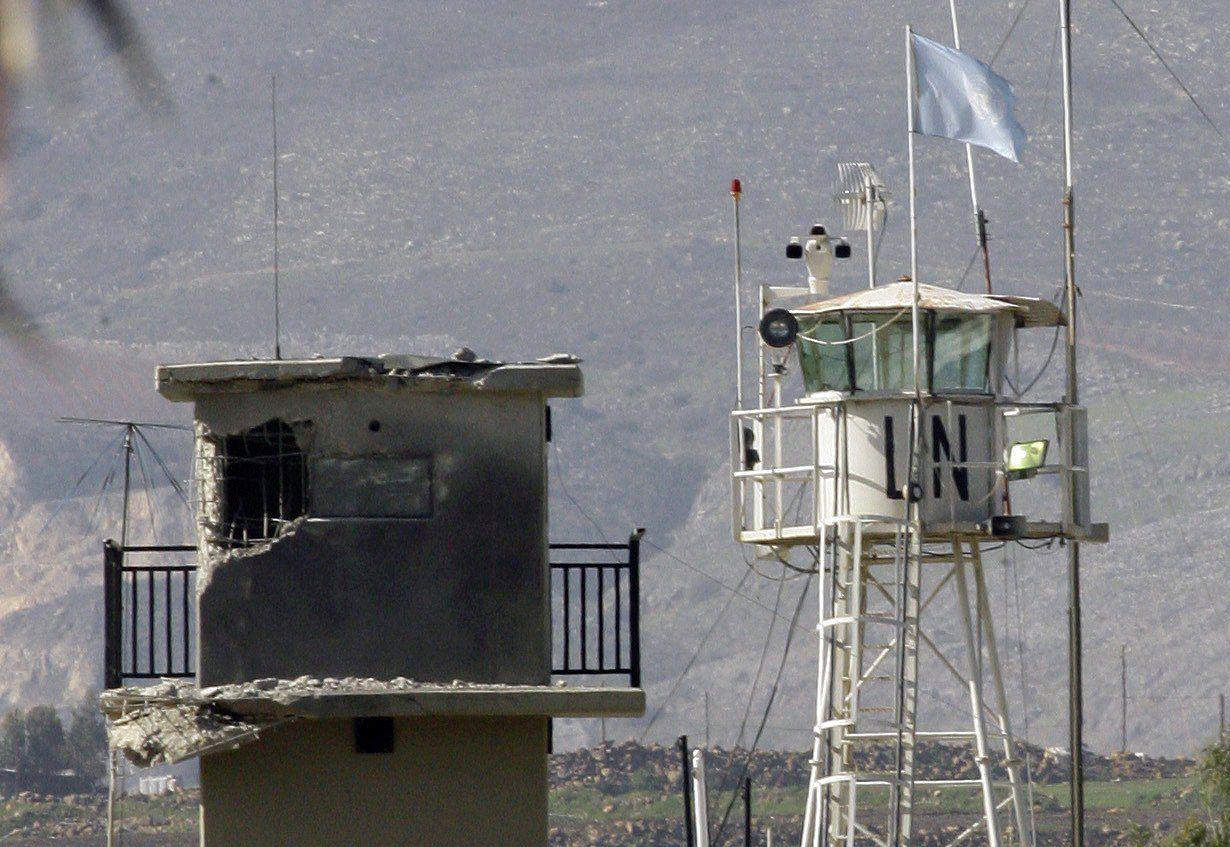
The mountainous border area includes villages, agricultural land, and observation points that are closely monitored by both sides.
United Nations peacekeeping forces have been stationed in southern Lebanon for years to help maintain stability and monitor ceasefire arrangements.
While these international efforts have helped prevent large scale conflict, underlying political disagreements and security concerns remain unresolved.
Historical Comparison of Regional Conflicts
To understand the significance of current Israel Lebanon tensions, it is helpful to consider the historical conflicts that shaped relations between the two countries.
Over the past several decades, Israel and Lebanon have experienced several periods of confrontation. Major conflicts occurred during the Lebanese Civil War and again in the early twenty first century when cross border attacks and military operations escalated into broader clashes.
While ceasefire agreements eventually restored relative calm, the legacy of those conflicts continues to influence modern security strategies.
Unlike earlier decades when direct military confrontation was more frequent, today’s tensions are often managed through deterrence, international mediation, and careful monitoring of the border.
This historical perspective demonstrates how the region has evolved while still carrying unresolved geopolitical challenges.
Regional Implications for Middle East Stability
Security experts say that Israel Lebanon tensions have implications far beyond the immediate border area.
The Middle East is interconnected through political alliances, economic ties, and strategic interests. Any escalation between Israel and Lebanon could affect neighboring countries and international trade routes.
Energy infrastructure in the eastern Mediterranean has added another layer of strategic importance to the region.
Diplomatic observers say maintaining stability is essential not only for Israel and Lebanon but also for broader regional security.
Defense Strategy and Future Policy
Israeli officials emphasize that managing Israel Lebanon tensions requires a combination of military preparedness and diplomatic awareness.
Authorities say defensive deployments are designed to prevent conflict while ensuring that communities along the border remain protected.
Security analysts note that deterrence has become a central element of Israel’s strategy in dealing with potential threats.
At the same time, policymakers remain attentive to international diplomatic initiatives that could help maintain regional stability.
Impact on Communities Near the Border
Communities located close to the frontier are directly affected by Israel Lebanon tensions.
Residents often face heightened security alerts during periods of uncertainty. Schools, local businesses, and emergency services operate with contingency plans designed to respond quickly if conditions change.
Despite these challenges, many communities have developed resilience over decades of living near the border.
Local leaders often emphasize unity and preparedness as essential elements of maintaining normal life under uncertain conditions.
Quote From Israeli Leadership
Addressing reporters during the briefing, Israel’s foreign minister emphasized the government’s priorities.
the minister said.
“Diplomatic engagement requires the right conditions, and those conditions are not present today.”
The statement reflects the cautious approach Israel is taking while navigating the complex realities of regional security.
A Border Shaped by History and Uncertainty
The persistence of Israel Lebanon tensions highlights the challenges of achieving long term stability in a region shaped by decades of political conflict and shifting alliances.
Although large scale warfare has been avoided in recent years, the absence of formal diplomatic relations between the two countries continues to influence security policies and regional diplomacy.
Observers say the situation remains fluid. Changes in political leadership, international mediation efforts, or regional developments could eventually create opportunities for renewed dialogue.
For now, however, the northern border remains a focal point of Middle East geopolitics, reminding the world that historical rivalries and modern security concerns often intersect in complex ways.