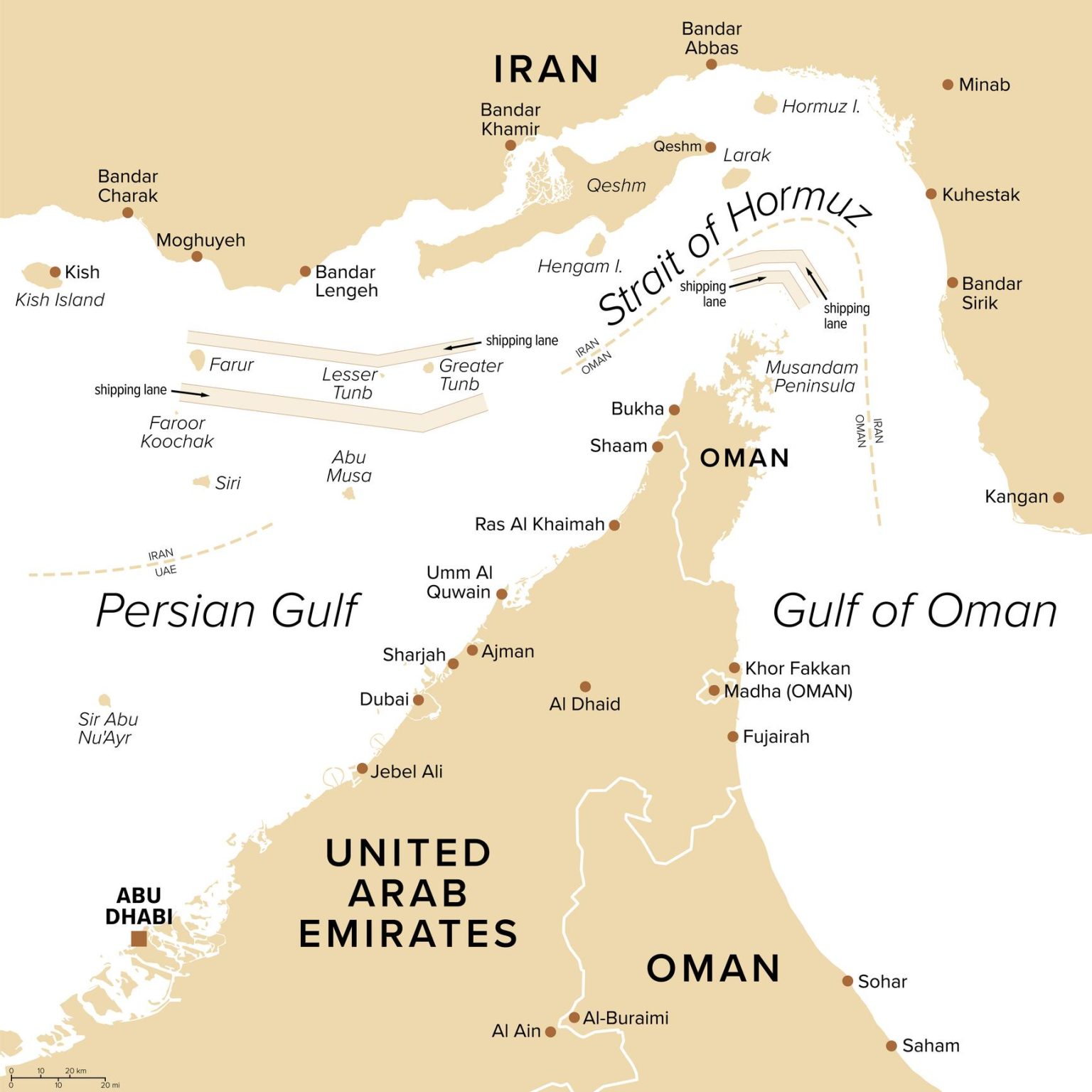
Tehran — March 16, 2026 — Brussels Morning Newspaper — Iran’s foreign minister warned that the Strait of Hormuz may effectively be closed to enemies if regional tensions continue to escalate, a statement that immediately drew global attention to Iran naval strategy and the security of the Persian Gulf shipping corridor.
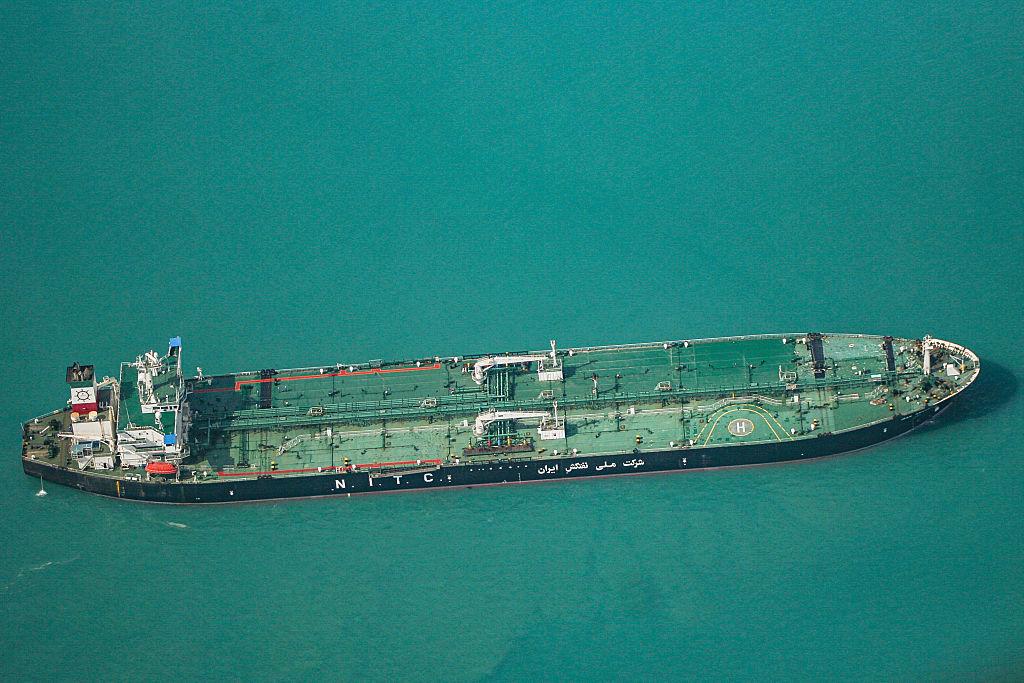
The Strait of Hormuz is one of the most strategically important waterways in the world. Every day massive oil tankers travel through the narrow passage linking the Persian Gulf with global markets. Because so much energy flows through the route, any threat to maritime security instantly becomes an international concern.
Iranian officials say their military posture is designed to defend national sovereignty and protect regional interests. At the same time, the warning about potential restrictions has raised fears among global markets that tensions could affect shipping traffic.
Security analysts note that Iran naval strategy has evolved over decades to give Tehran influence in the narrow waterway, which at its narrowest point is only about twenty miles wide.
Why the Strait of Hormuz Matters to Global Energy
The importance of the Strait of Hormuz cannot be overstated. Energy experts estimate that roughly one fifth of the world’s oil supply passes through the corridor every day.
Countries including Saudi Arabia, Iraq, Kuwait, and the United Arab Emirates rely on this route to ship oil to international markets. If the passage were disrupted, the impact would be felt across global economies almost immediately.
Financial markets closely watch developments connected to Iran naval strategy because even small disruptions could trigger oil price volatility. Higher oil prices influence transportation costs, airline fuel prices, manufacturing expenses, and consumer goods around the world.
Because of these risks, several international naval forces patrol the region to ensure commercial shipping remains secure.
Military Planning and Maritime Control
Military analysts say the narrow geography of the Strait of Hormuz gives Iran certain strategic advantages. Smaller naval forces can operate effectively in confined waters, making the region particularly sensitive during periods of geopolitical tension.
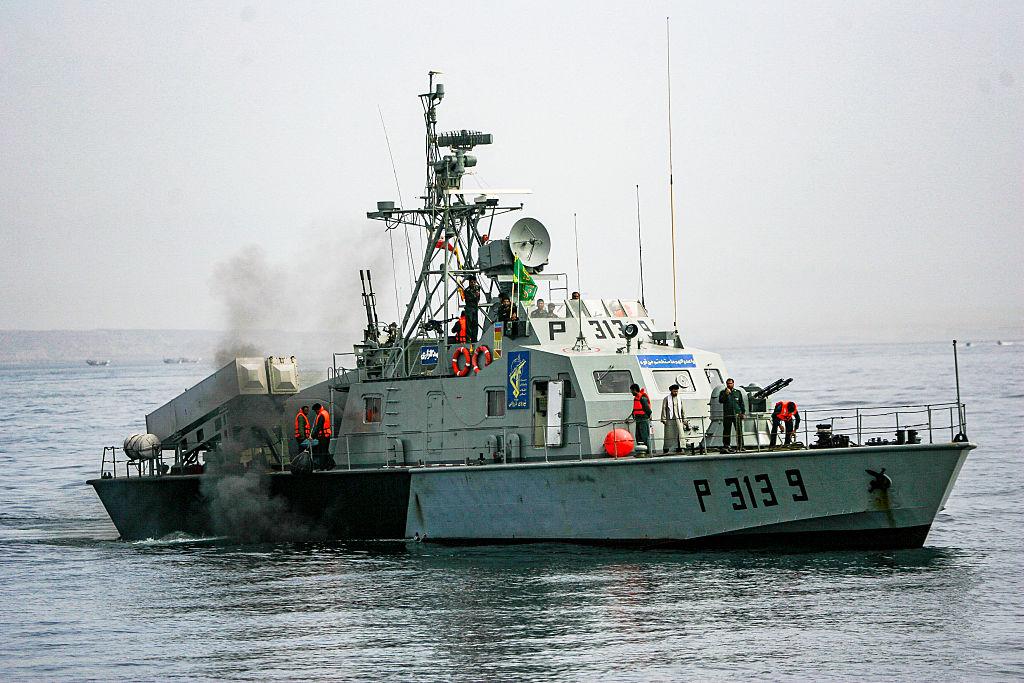
The doctrine behind Iran naval strategy often focuses on asymmetric tactics rather than large conventional naval battles. Fast patrol boats, coastal missile batteries, and surveillance systems allow Iran to monitor maritime activity across the waterway.
This approach allows a smaller naval force to exert influence over a large area, especially in narrow channels where large warships have limited maneuverability.
Western defense experts believe that maintaining a balance between deterrence and diplomacy remains essential to preventing escalation.
Regional Security Concerns
The latest warning has raised concerns among governments and shipping companies that tensions could spill into maritime operations. Although commercial traffic continues to move normally through the region, any military confrontation could change the situation quickly.
Observers note that Iran naval strategy often involves signaling strength while avoiding direct confrontation. Statements about controlling access to the Strait of Hormuz may serve both military and political purposes.
Naval forces from several countries remain stationed nearby, ensuring that the passage stays open for international trade. The presence of these fleets highlights the importance of maintaining freedom of navigation in one of the world’s busiest shipping corridors.
Diplomatic channels remain active as regional governments attempt to prevent misunderstandings that could escalate into conflict.
Historical Comparison
History shows that the Strait of Hormuz has been a focal point of maritime tension before. During the Iran Iraq war in the 1980s, the region experienced what became known as the tanker conflict, when commercial oil ships were attacked as both sides attempted to disrupt energy exports.
Those events demonstrated how vulnerable global energy markets can be when maritime routes become unstable. At the time, international naval forces were deployed to escort tankers and protect shipping lanes.
Today’s situation is different, but analysts say the historical experience still influences how governments respond to developments connected to Iran naval strategy.
The lessons from past conflicts have encouraged international cooperation aimed at preventing similar disruptions in the future.
Global Markets Watching Closely
Oil markets are particularly sensitive to geopolitical developments in the Persian Gulf. Traders and investors monitor the region closely because even minor incidents can influence global supply expectations.
Recent statements regarding Iran naval strategy have already sparked discussions among analysts about potential risks to energy transportation.
Insurance companies that cover commercial shipping sometimes raise premiums when tensions increase in key maritime chokepoints. These higher costs can ultimately affect the price of goods transported across the globe.
For this reason stability in the Strait of Hormuz remains a priority not only for governments but also for global industries that depend on reliable shipping routes.
Diplomatic Efforts to Maintain Stability
Despite the rising rhetoric, diplomats across the region are working to maintain calm and prevent escalation. Communication channels between naval forces operating in the Persian Gulf remain open in order to avoid misunderstandings at sea.
Some experts believe that statements related to Iran naval strategy are often designed to reinforce deterrence rather than signal immediate military action.
Nevertheless, governments around the world are urging restraint and dialogue. Maintaining stability in one of the world’s most critical shipping corridors is widely considered essential for global economic security.
Energy producers, shipping companies, and financial institutions all depend on predictable conditions in the Persian Gulf.
Quote
A regional maritime security analyst explained the situation clearly.
“Control of the Strait of Hormuz has always been central to Iran naval strategy because whoever influences that waterway holds leverage over the global energy supply.”
Strategic Importance of a Narrow Waterway
Although the Strait of Hormuz appears small on a world map, its importance is enormous. It acts as the main gateway for energy exports from the Persian Gulf to international markets.
For this reason Iran naval strategy continues to attract attention from military planners, policymakers, and economic analysts alike.
The presence of multiple naval forces in the region highlights the delicate balance between cooperation and competition among global powers.
Maintaining safe navigation through the waterway is widely viewed as a shared international responsibility.
When Geography Shapes Global Power
The future stability of the Persian Gulf will likely remain a central topic in international security discussions. As long as global economies depend heavily on energy exports from the region, developments involving Iran naval strategy will continue to shape geopolitical dynamics.
Experts believe that diplomacy, economic interests, and military planning will all play roles in determining how the situation evolves in the years ahead.
Ultimately, the challenge for world leaders will be ensuring that one of the most important shipping routes in the world remains open and secure while managing the competing strategic interests of nations in the region.