Middle East — March 16, 2026 — Brussels Morning Newspaper — The Middle East oil conflict impact is becoming a central issue for governments and global markets as geopolitical tensions in the region continue to evolve. Energy analysts warn that instability in the Middle East has the potential to disrupt the supply of crude oil that fuels transportation, industry, and economic activity around the world.
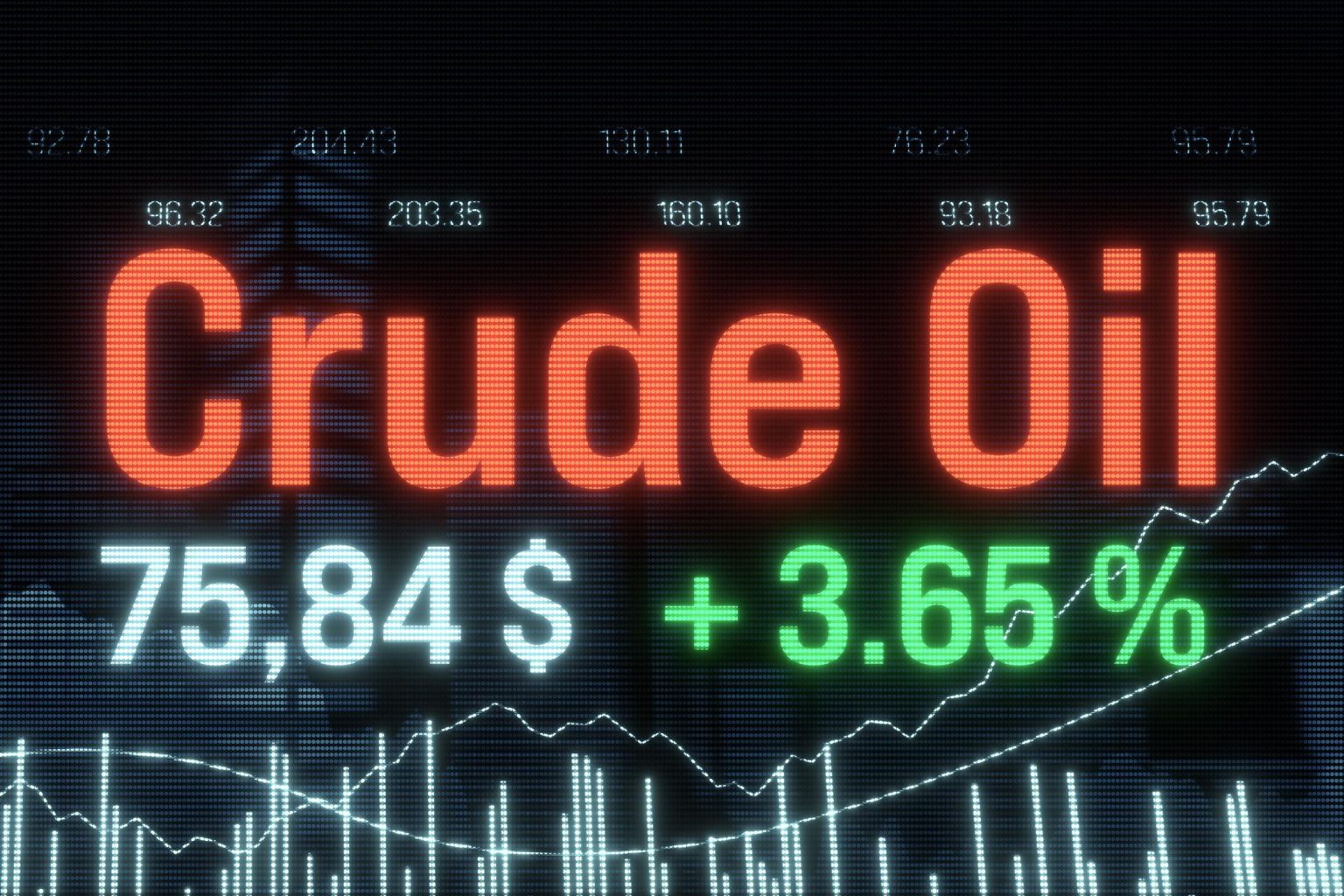
Oil prices often react immediately to political developments in the region because the Middle East remains one of the most important energy producing areas on the planet. When tensions rise, markets begin to factor in the risk of supply disruptions. This is why the Middle East oil conflict impact has captured the attention of policymakers, investors, and energy companies.
Even the possibility of interruptions to oil production or shipping routes can push prices higher. Traders monitor developments closely because energy supply chains are tightly connected to global economic stability.
Importance of Middle East Oil Production
The Middle East supplies a significant share of the world’s crude oil exports. Countries in the region produce millions of barrels of oil each day, much of which is shipped to Asia, Europe, and North America.
Because of this central role in global energy supply, the Middle East oil conflict impact extends far beyond the region itself. When tensions threaten production or shipping routes, the effects can ripple through international markets almost immediately.
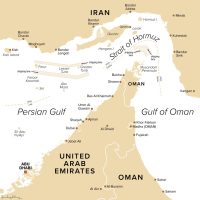
Major shipping routes such as the Strait of Hormuz serve as gateways for oil exports from the Persian Gulf. Tankers carrying energy resources pass through this corridor every day. If security risks increase in this area, the global supply chain could face disruption.
Energy economists note that even small interruptions in these routes could have significant consequences for global oil prices and fuel availability.
Governments Prepare Energy Response Plans
As tensions increase, governments around the world are examining strategies to manage potential supply disruptions. Energy ministries and economic planners are studying how to maintain stability if oil shipments are reduced or delayed.
One major concern is the Middle East oil conflict impact on national fuel supplies. Some countries maintain strategic petroleum reserves designed to provide emergency supplies during energy crises.
These reserves can be released to stabilize markets and prevent sudden shortages. Policymakers may also encourage energy conservation measures or temporary policy adjustments to reduce demand during periods of instability.
Such preparations reflect lessons learned from past energy crises and demonstrate how seriously governments view the risks associated with geopolitical conflicts in oil producing regions.
Oil Markets and Economic Stability
Global oil markets are extremely sensitive to geopolitical developments. Investors closely monitor the Middle East because energy supply disruptions can affect economic growth worldwide.
The Middle East oil conflict impact is particularly important for transportation industries. Airlines, shipping companies, and logistics providers all rely heavily on stable fuel prices.
When oil costs rise sharply, these industries often face higher operating expenses. Those increases eventually reach consumers through higher prices for goods and services.
Financial markets also respond quickly. Stock markets and currency values may fluctuate when energy supplies appear uncertain. Because of these connections, stability in oil producing regions remains critical for the global economy.
Remote Work and Reduced Fuel Demand
Modern technology has introduced new ways to reduce energy consumption during times of supply stress. One strategy receiving attention is the expansion of remote work.
During recent global disruptions many businesses discovered that employees could work effectively from home. If necessary, encouraging remote work could help reduce transportation demand.
Experts say such policies could soften the Middle East oil conflict impact by lowering fuel consumption. Fewer commuters on the road would mean less gasoline usage, helping to balance supply and demand.
Although remote work alone cannot solve energy shortages, it can serve as part of a broader strategy to stabilize fuel consumption during periods of uncertainty.

Historical Comparison
History provides several examples of how geopolitical tensions in oil producing regions can affect global economies. During the oil crisis of the 1970s, supply disruptions triggered widespread fuel shortages and forced governments to introduce energy conservation measures.
At that time many countries experienced long lines at gas stations, strict fuel policies, and economic adjustments aimed at managing limited supplies. The lessons from that period continue to influence energy planning today.
Experts say the Middle East oil conflict impact reminds policymakers of how vulnerable global energy systems can be when supply routes become uncertain. While modern economies are more technologically advanced, they still depend heavily on petroleum for transportation and industry.
Quote
“Energy markets react quickly to geopolitical risk because oil supply is deeply connected to global economic stability,”
said an international energy policy analyst.
Shipping Routes and Strategic Chokepoints
One of the reasons the Middle East oil conflict impact draws so much attention is the presence of critical shipping routes that carry energy exports to global markets.
The Strait of Hormuz is among the most important maritime chokepoints in the world. A large portion of global oil shipments pass through this narrow waterway each day.
Because of its importance, international naval forces monitor the region closely to ensure safe passage for commercial vessels. Any threat to shipping routes could disrupt the steady flow of energy supplies.
These strategic chokepoints highlight why geopolitical developments in the Middle East have global economic consequences.
Global Cooperation and Energy Security
Governments and international organizations are working together to maintain stability in global energy markets. Cooperation between energy producers and consumer nations is essential to managing supply risks.
The Middle East oil conflict impact has encouraged discussions about diversifying energy sources and investing in renewable technologies. Reducing dependence on single regions for energy supply can help countries protect their economies from geopolitical shocks.
At the same time strategic petroleum reserves and coordinated policy responses remain important tools for addressing short term disruptions.
Energy security has become a major focus of international diplomacy as governments seek ways to protect their economies from instability.
Markets Watching the Situation Closely
Financial markets continue to monitor developments in the region as investors attempt to anticipate possible outcomes. Oil traders track political events, shipping activity, and production levels to assess potential supply risks.
Because of this close monitoring, the Middle East oil conflict impact often appears quickly in oil price movements. Even rumors of disruptions can influence trading behavior.
Insurance companies that cover oil tankers also adjust their risk calculations when tensions rise in key maritime routes. Higher insurance premiums can increase shipping costs and add further pressure to global supply chains.
These interconnected systems demonstrate how geopolitical tensions can influence economic conditions far beyond the region where they originate.

When Energy Security Becomes a Global Priority
The ongoing discussion surrounding the Middle East oil conflict impact highlights the importance of energy security in modern economies. Oil remains one of the most vital resources for transportation, manufacturing, and trade.
Because of this dependence, developments in major oil producing regions continue to shape global economic policy. Governments are increasingly focusing on strategies that strengthen supply resilience and reduce vulnerability to geopolitical tensions.
The future of energy markets will likely depend on a combination of technological innovation, diversified energy sources, and international cooperation.
While uncertainty remains, experts agree that careful planning and global coordination can help protect economic stability even when geopolitical tensions rise.