Middle East — March 15, 2026 — Brussels Morning Newspaper — The Iran Israel conflict has intensified in 2026, raising serious concerns about regional security and global stability. Governments across the Middle East are increasing military preparedness while international diplomats work urgently to prevent the situation from escalating into a wider confrontation.
Security analysts warn that the current developments surrounding the Iran Israel conflict could reshape geopolitical dynamics across the region. As tensions continue to rise, global powers are closely monitoring the situation, emphasizing the need for diplomatic restraint and strategic caution.
Rising Military Readiness in the Region
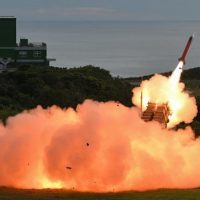
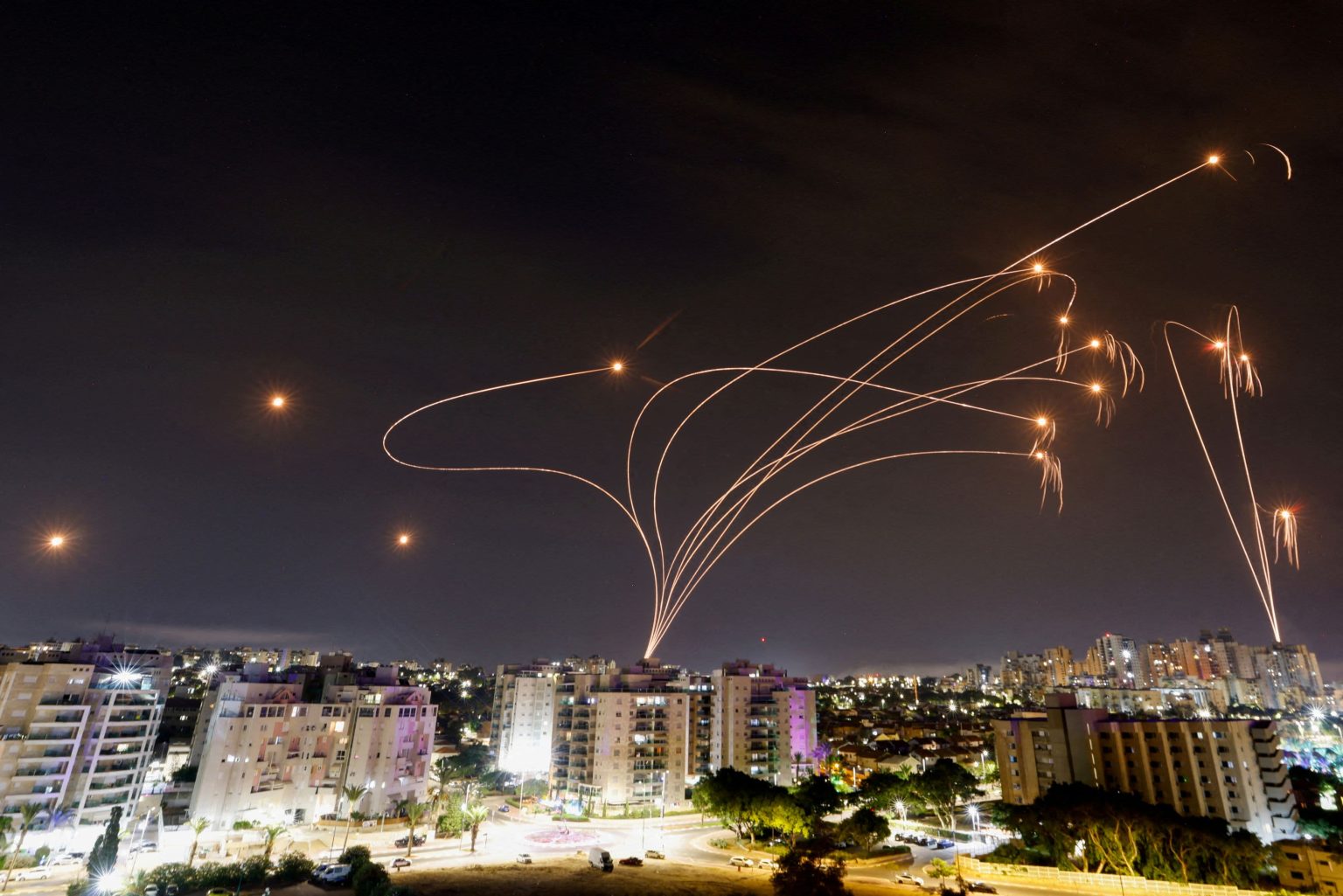
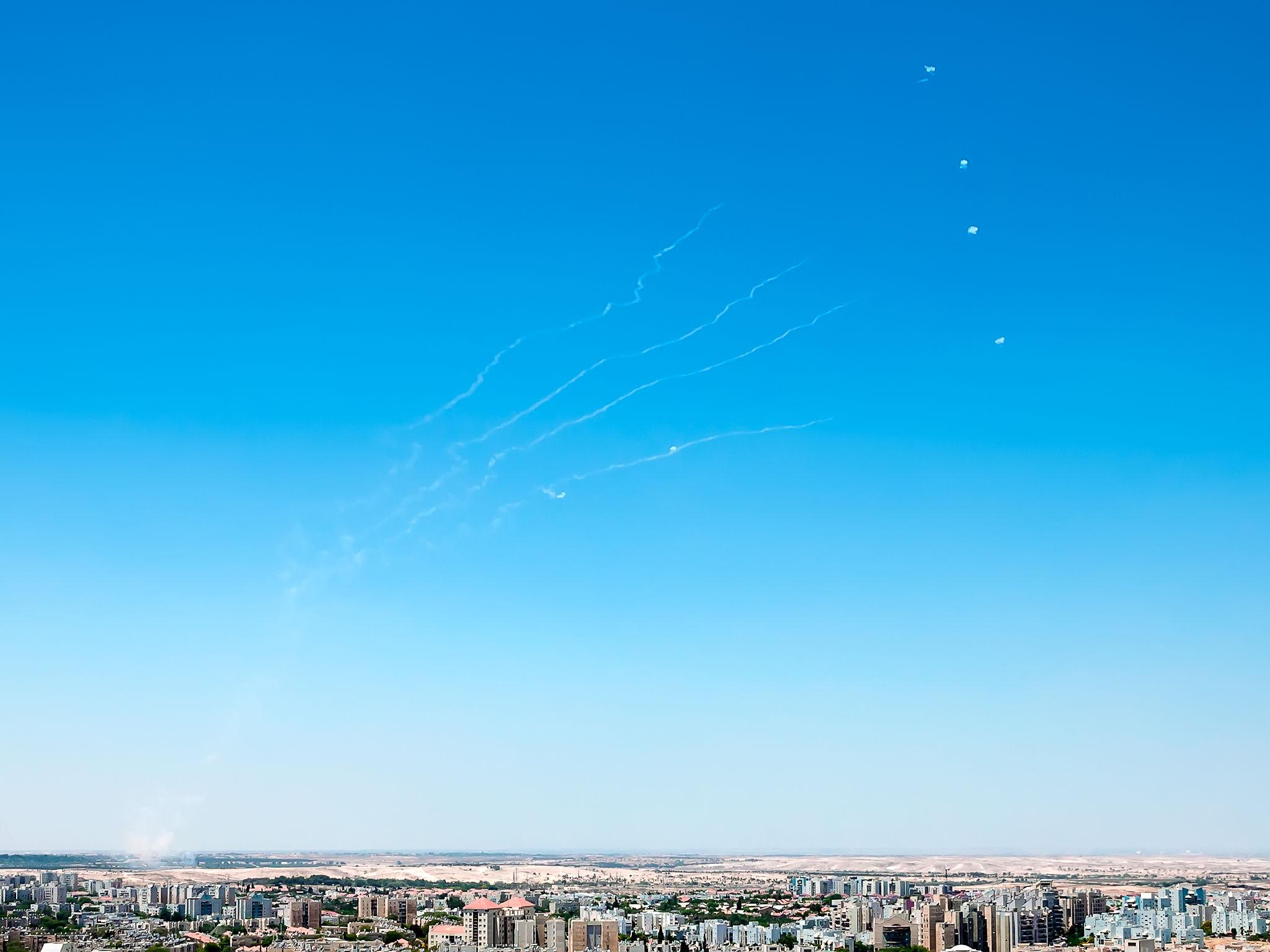
Military forces across the Middle East have increased surveillance and defensive readiness as the Iran Israel conflict continues to dominate regional security discussions. Reports indicate that missile defense systems and intelligence monitoring networks have been strengthened across several countries.
Israel has reportedly heightened security measures and reinforced air defense readiness to respond to any potential threats. Meanwhile, Iran continues to emphasize its strategic capabilities and regional influence, signaling that it remains prepared to defend its national interests.
Experts believe that these defensive measures are largely intended to deter escalation, but the growing tension highlights the fragile balance currently shaping the Iran Israel conflict.
Strategic Significance for the Middle East
The Middle East has long been one of the most strategically important regions in the world due to its energy resources, global trade routes, and complex political alliances. The ongoing Iran Israel conflict adds another layer of uncertainty to an already delicate geopolitical environment.
Global shipping routes and energy markets remain highly sensitive to instability in the region. Any escalation could disrupt oil supplies and trade corridors that are vital to the global economy.
Political analysts suggest that the current tensions demonstrate how deeply interconnected regional security issues have become, with the Iran Israel conflict influencing diplomatic relations, military strategies, and economic forecasts.
Diplomatic Efforts to Prevent Escalation
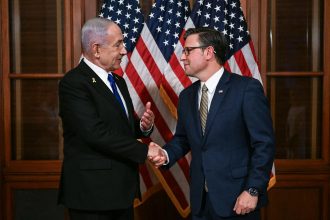
International diplomacy has intensified as governments attempt to prevent the Iran Israel conflict from expanding into a broader military confrontation. Several world leaders have called for restraint and urged both sides to avoid actions that could trigger further instability.
Diplomatic channels remain active, with international organizations and regional partners encouraging dialogue and de-escalation.
At the same time, governments across Europe, Asia, and North America continue to assess the potential implications of the Iran Israel conflict, recognizing that its consequences could extend far beyond the Middle East.
Security Concerns for Neighboring Countries
Neighboring countries are also closely watching developments in the Iran Israel conflict, as any escalation could affect regional stability. Several nations have increased border monitoring, intelligence coordination, and military preparedness.
The concern among many regional leaders is that proxy groups or indirect confrontations could emerge if tensions continue to rise. These scenarios could complicate diplomatic efforts and increase the risk of unintended military engagement.
Security experts note that maintaining stability across the region requires careful coordination and communication among multiple governments.
Economic Impact and Energy Market Sensitivity
Financial markets have historically reacted strongly to geopolitical instability in the Middle East. The ongoing Iran Israel conflict has already sparked discussions among energy analysts about potential disruptions to oil production or shipping routes.
Energy infrastructure and maritime trade corridors remain particularly sensitive during periods of regional tension. Even the perception of instability can influence global oil prices and investor sentiment.
The broader economic implications of the Iran Israel conflict highlight how regional security crises can quickly affect global markets and supply chains.
Historical Comparison: A Longstanding Rivalry
The roots of the Iran Israel conflict can be traced back decades. Before Iran’s Islamic Revolution in 1979, relations between Iran and Israel were relatively cooperative. However, the revolution dramatically changed Iran’s political orientation and foreign policy.
Since then, the two nations have engaged in a long-standing strategic rivalry that often unfolds through indirect confrontations, cyber operations, and regional proxy dynamics.
Throughout the 1990s and 2000s, tensions continued to grow as both sides expanded their regional influence and security capabilities. The current situation in 2026 reflects the continuation of a geopolitical struggle that has shaped Middle Eastern politics for generations.
Growing Global Attention
As the Iran Israel conflict unfolds, governments and international organizations around the world are paying close attention. The crisis has become one of the most significant geopolitical developments of the year.
Security analysts emphasize that maintaining stability requires careful diplomacy and responsible leadership from all sides involved in the conflict.
Many international observers believe that global cooperation will be essential to prevent further escalation and maintain peace in the region.
Quote From a Security Analyst
Experts continue to warn about the potential consequences of miscalculation during the current crisis.
One international security analyst summarized the situation by stating:
“Preventing escalation is critical because even a limited confrontation in the Middle East could have consequences far beyond the region.”
This perspective reflects the broader global concern surrounding the Iran Israel conflict and the importance of diplomatic solutions.

Possible Scenarios for the Coming Months
Several possible outcomes could emerge as the Iran Israel conflict continues to evolve. One possibility involves ongoing tension without direct military confrontation, where both sides maintain strong defensive postures but avoid large-scale conflict.
Another scenario could involve limited retaliatory actions designed to signal strength while stopping short of a full confrontation.
Diplomatic negotiations remain another possibility if international pressure encourages dialogue and de-escalation between the two sides.
While the future remains uncertain, analysts agree that developments in the Iran Israel conflict will continue shaping regional and global politics throughout 2026.
A Defining Moment for Middle East Stability
The coming months will likely determine whether the current tensions surrounding the Iran Israel conflict stabilize through diplomacy or continue to intensify. Governments around the world are carefully monitoring the situation and preparing for a range of possible outcomes.
Regional stability will depend on responsible leadership, effective diplomacy, and strong communication channels between rival powers.
As events unfold, the Iran Israel conflict will remain one of the most closely watched geopolitical developments in the world.