
Baghdad, Iraq — March 15, 2026 — Brussels Morning Newspaper — The Iraq oil production debate has become one of the most significant political and economic issues in the Middle East during 2026. Iraqi leaders are facing growing pressure to reach an agreement on production levels and export policies as global energy markets closely watch developments in Baghdad.
Iraq remains one of the world’s largest oil producers, and decisions made by Iraqi policymakers have the potential to influence global oil supply. The current Iraq oil production debate is centered on disagreements between federal authorities, regional governments and international energy companies about how the country’s oil resources should be managed.
For Iraq’s economy the stakes are extremely high. Oil revenue provides the majority of government income and supports national infrastructure projects, public salaries and economic development programs.
Political Divisions Shape the Oil Policy Discussion
The ongoing Iraq oil production debate reflects broader political divisions within Iraq’s leadership. Officials in Baghdad believe the central government should maintain full authority over oil production and export decisions to ensure transparency and fair revenue distribution across the country.
However some regional leaders believe provinces should have greater control over local energy resources and contracts with international oil companies. These differences in policy approach have slowed negotiations and complicated efforts to create a unified national energy strategy.
As political leaders continue discussions the Iraq oil production debate has become a major topic in parliament and among economic planners responsible for shaping Iraq’s long term financial stability.
Economic Pressure on Iraq’s Government
Economic realities are pushing Iraqi officials to resolve the Iraq oil production debate quickly. Oil income remains the backbone of the national economy and delays in production or exports can have immediate financial consequences.
Government officials rely on oil revenue to fund public sector wages, infrastructure improvements and social programs across the country. When production policies remain uncertain it becomes more difficult to plan national budgets and development initiatives.
Economists warn that if the Iraq oil production debate continues without resolution it could slow economic growth and weaken investor confidence in Iraq’s energy sector.
Kurdistan Region at the Center of Negotiations
One of the most complex elements of the Iraq oil production debate involves the relationship between Baghdad and the Kurdistan Regional Government in northern Iraq. The Kurdish region has historically signed independent contracts with international energy companies and exported crude oil through pipelines connected to global markets.
The federal government insists that all exports should be managed through national authorities to ensure fair distribution of revenue among provinces. Kurdish officials argue that regional governments should retain control over local oil production agreements.
These competing positions have created repeated delays in negotiations and have made the Iraq oil production debate one of the most sensitive political discussions in Iraq today.
Global Energy Markets Watching Iraq Closely
Energy analysts around the world are paying close attention to the Iraq oil production debate because Iraq plays an important role in global oil supply. As a major member of OPEC Iraq’s production decisions can influence international energy prices.
Even small adjustments to production levels can affect global oil markets because of Iraq’s large output capacity. Investors and energy traders therefore monitor developments in Baghdad for signals about future supply levels.
This global attention has made the Iraq oil production debate more than a domestic political issue. It has become a key factor in international energy planning and market stability.
Infrastructure Challenges Affecting Production
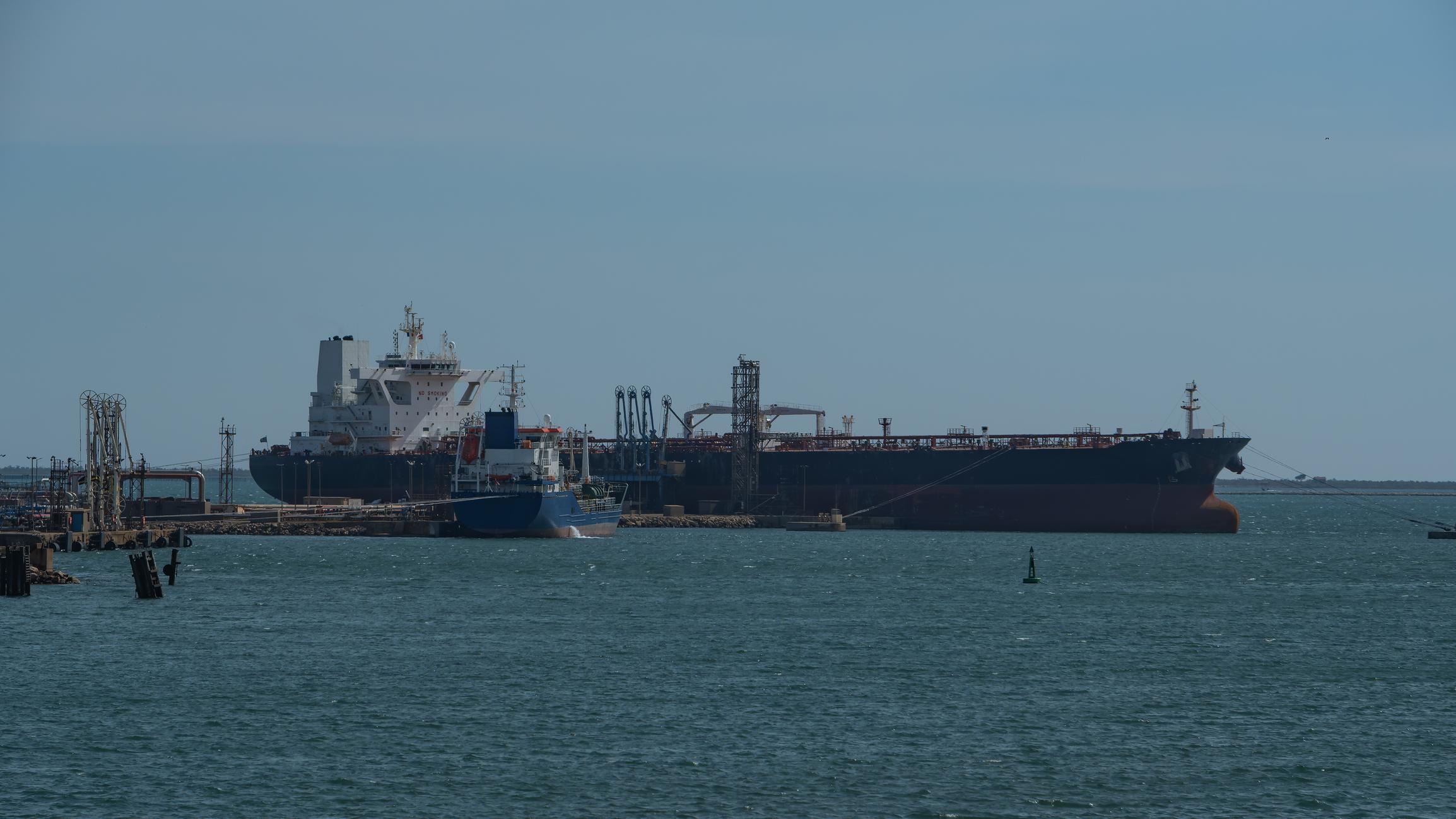
Another important factor in the Iraq oil production debate involves the country’s aging energy infrastructure. Many pipelines, refineries and export facilities require upgrades after years of conflict and limited investment.
Improving infrastructure could increase production efficiency and allow Iraq to expand export capacity. However these improvements require long term financial commitments and stable government policies.
Officials believe that resolving the Iraq oil production debate would help unlock investment needed to modernize Iraq’s energy sector and strengthen its role in global oil markets.
Historical Comparison of Iraq’s Oil Policy Conflicts
The current Iraq oil production debate reflects challenges that have existed in Iraq for decades. Since the early 2000s Iraq has struggled to establish a unified legal framework for managing oil resources after years of political change and conflict.
Following the fall of Saddam Hussein in 2003 the country began rebuilding its energy sector while attempting to balance national authority with regional autonomy. Disagreements between Baghdad and regional governments repeatedly delayed oil legislation and production agreements.
This historical pattern shows that the Iraq oil production debate is not only about production numbers. It is also about defining the balance of political power within Iraq’s federal system.
International Oil Companies Monitoring the Situation
Foreign energy companies operating in Iraq are carefully observing the Iraq oil production debate because stable policies are essential for investment planning. Many global energy firms have invested billions of dollars in exploration and drilling projects across Iraq.
Companies prefer predictable regulations that allow them to plan production schedules and recover their investments over time. When policy disagreements create uncertainty companies may hesitate to expand operations.
Industry experts believe resolving the Iraq oil production debate could encourage additional foreign investment and accelerate development across Iraq’s energy sector.
Quote From an Energy Policy Expert
Energy specialists emphasize that Iraq’s decisions will influence both domestic economic stability and international energy markets.
One Middle East energy analyst explained the importance of the situation clearly.
“Oil production decisions in Iraq affect not only the country’s economy but also the balance of global energy supply.”
This perspective highlights why the Iraq oil production debate continues to attract attention from governments, financial institutions and energy companies worldwide.
Possible Outcomes for Iraq’s Oil Policy
Several outcomes could emerge as negotiations surrounding the Iraq oil production debate continue. One scenario involves a compromise agreement between Baghdad and regional authorities that establishes a unified export framework while allowing regional participation in energy development.
Another possibility involves temporary agreements designed to stabilize production levels while broader political discussions continue. These arrangements could help maintain export flows while leaders work toward a permanent solution.
Regardless of the path chosen the Iraq oil production debate will shape Iraq’s economic strategy and influence global oil markets in the years ahead.
A Turning Point for Iraq’s Energy Future
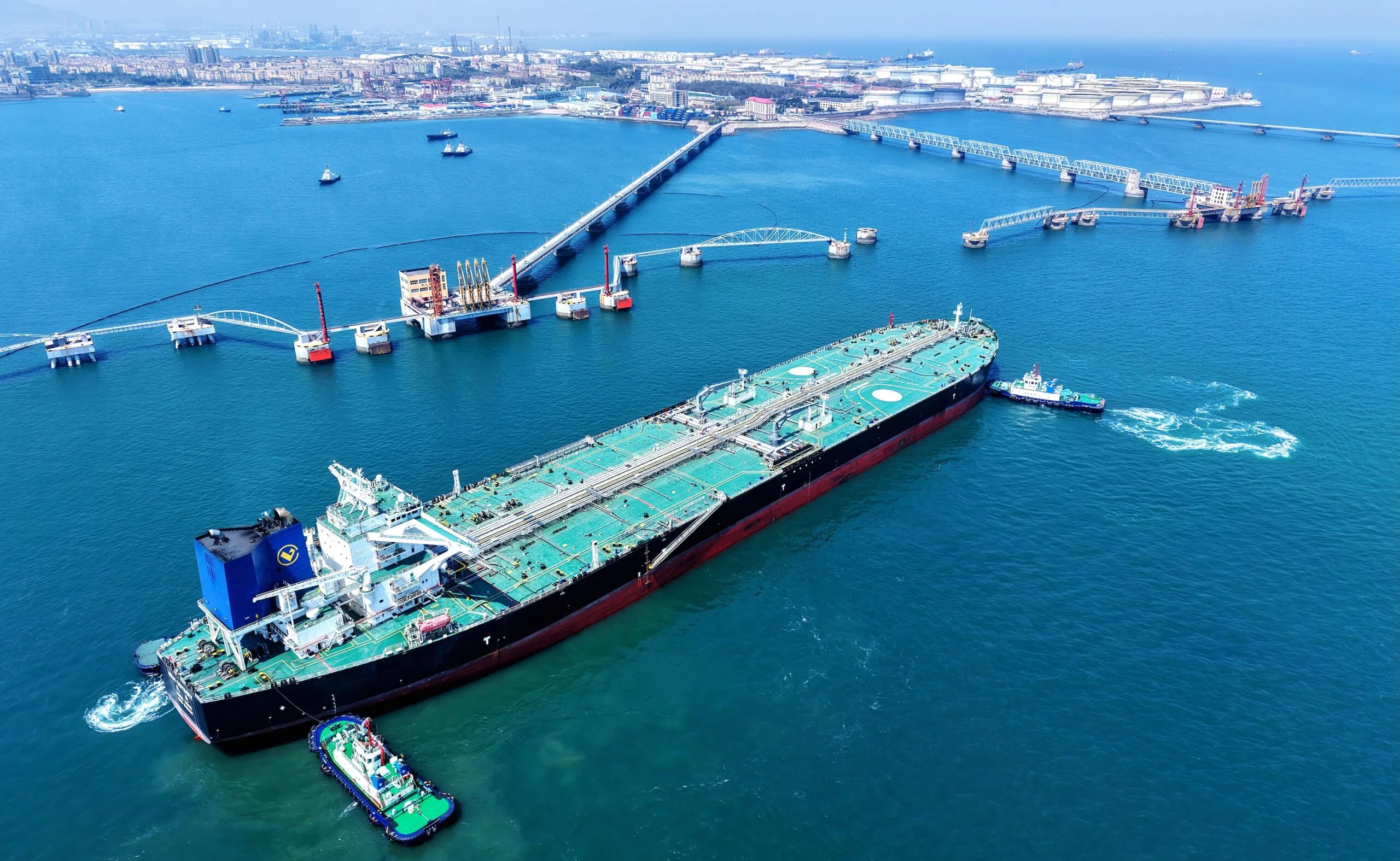
The ongoing Iraq oil production debate represents a crucial moment for Iraq’s economic future. Oil remains the country’s most valuable natural resource and the foundation of national revenue.
Achieving a stable and unified production policy would allow Iraq to strengthen its economy, attract international investment and expand its role in global energy markets.
If Iraqi leaders succeed in resolving the Iraq oil production debate, the country could move toward a more stable and prosperous future while reinforcing its position as one of the world’s most important oil producers.