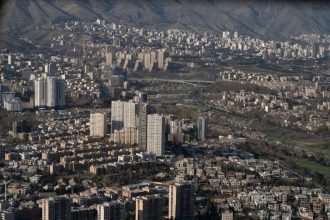
TEHRAN, Iran — March 9, 2026 — Brussels Morning Newspaper — The Iran supreme leader succession has become one of the most significant geopolitical developments unfolding in 2026. From Tehran’s political centers to global diplomatic offices, the discussion about who will eventually lead the Islamic Republic has intensified amid rising tensions across the Middle East.
As Iran navigates military pressure, economic sanctions, and internal political debate, the issue of Iran supreme leader succession carries enormous implications not only for the country’s domestic governance but also for global security and energy markets.
Political analysts say the stakes are extraordinarily high. The next leader will inherit a nation with deep ideological roots, complex political institutions, and powerful security organizations.
Across Tehran, discussions surrounding Iran supreme leader succession have moved from speculation to strategic planning within Iran’s political establishment.
Understanding the Power of Iran’s Supreme Leader
To grasp the magnitude of the Iran supreme leader succession, it is necessary to understand the role itself.
The supreme leader sits at the very top of Iran’s political hierarchy. Unlike presidents or members of parliament, the supreme leader holds ultimate authority over the military, the judiciary, and many aspects of national policy.
The supreme leader also appoints key members of the Guardian Council, which influences legislation and elections. Because of this authority, the Iran supreme leader succession represents far more than a simple political transition.
It determines who will guide Iran’s ideological direction and strategic priorities.
One regional policy expert summarized the importance of the transition:
“Leadership changes in Iran rarely happen, but when they do they reshape the entire structure of power.”
This perspective reflects why the Iran supreme leader succession is being followed closely by governments across Europe, Asia, and North America.

Political Pressure and Security Challenges
The discussion about Iran supreme leader succession comes during a time when Iran faces extraordinary external and internal pressures.
Regional rivalries remain intense, particularly between Iran and Israel. Military tensions and strategic competition have fueled fears of wider conflict across the Middle East.
At the same time, Iran continues to face economic challenges resulting from sanctions and global market pressures.
These conditions have made the Iran supreme leader succession a central issue within Tehran’s leadership circles.
Political factions are considering what type of leadership is needed to maintain stability while responding to global challenges.
Another Middle East analyst described the moment this way:
“The next leader will inherit one of the most complex geopolitical environments Iran has faced in decades.”
Such concerns demonstrate why the Iran supreme leader succession is not only a domestic issue but also a major international development.
How Iran Chooses Its Supreme Leader
Iran’s constitution provides a framework for the Iran supreme leader succession, though the process involves both religious authority and political influence.
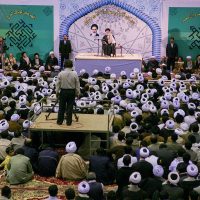
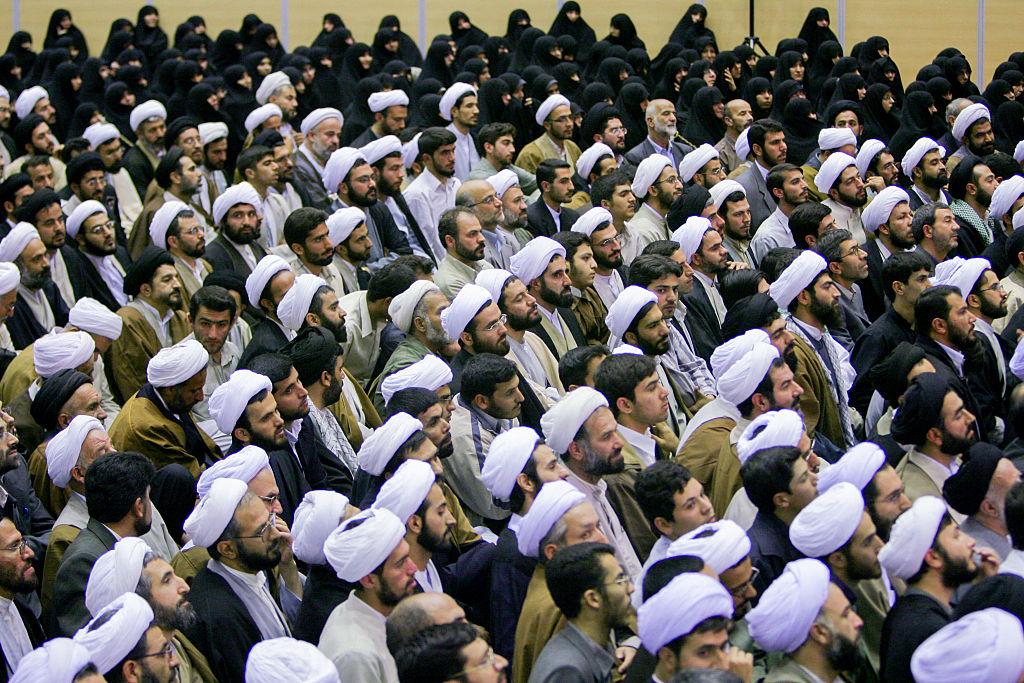
The Assembly of Experts, a council composed of senior Islamic scholars, is responsible for selecting the supreme leader. Members of this body review potential candidates based on religious scholarship, political experience, and ideological commitment.
However, the Iran supreme leader succession is also shaped by institutional relationships.
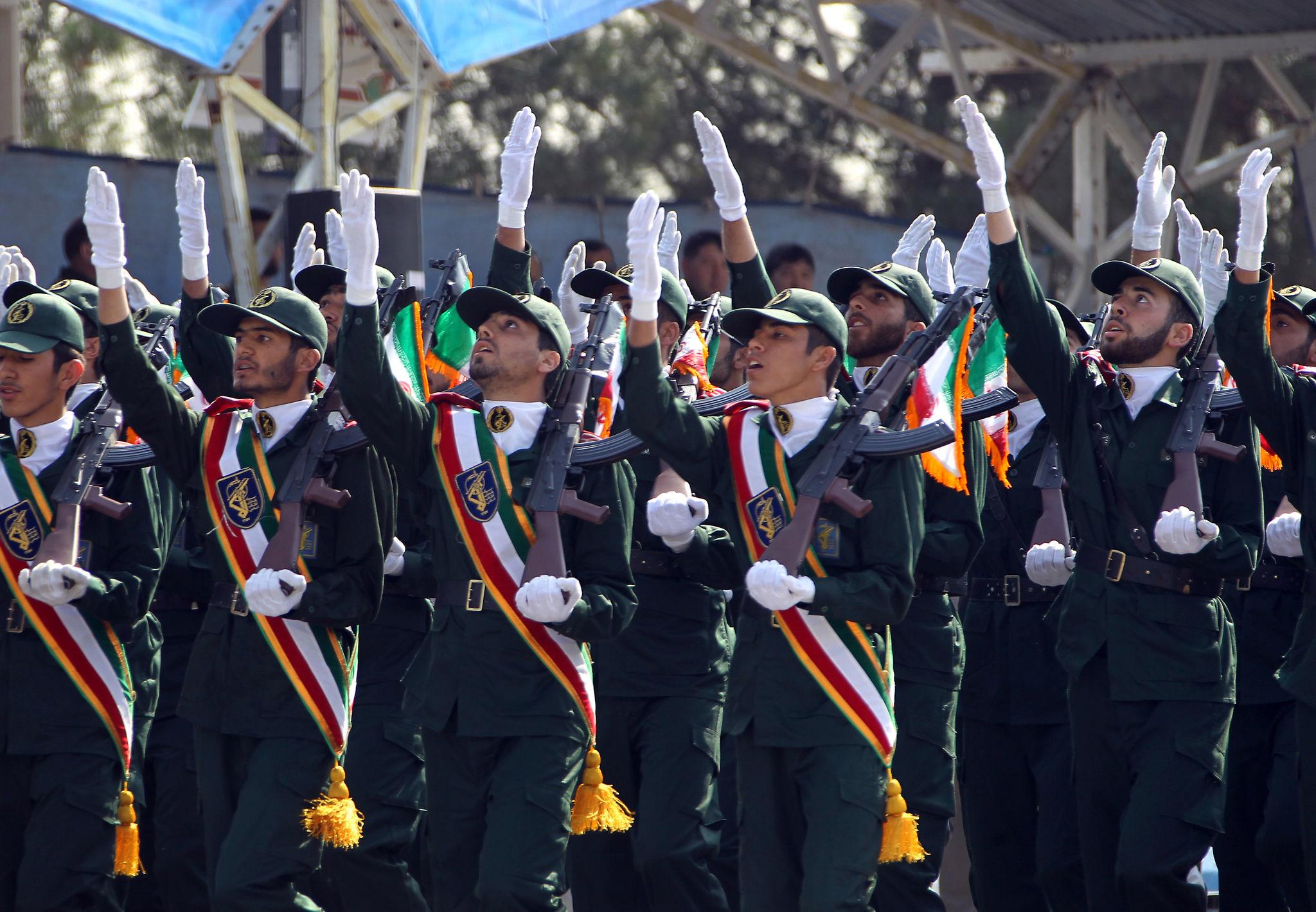
Organizations such as the Islamic Revolutionary Guard Corps hold significant influence in the political environment. Their support can play a major role in determining which candidate emerges as the next leader.
This complex balance of religious authority and political power makes the Iran supreme leader succession one of the most unique leadership transitions in the world.
Candidates and Power Networks
Although Iranian officials rarely discuss succession publicly, analysts have long examined possible candidates connected to the Iran supreme leader succession.
Potential leaders often come from the country’s influential clerical circles or from political networks deeply tied to the Islamic Republic’s institutions.
Some candidates represent continuity with Iran’s existing leadership philosophy, while others are seen as figures who might introduce more pragmatic approaches to foreign policy or economic strategy.
The debate surrounding the Iran supreme leader succession reflects these competing visions.
One diplomatic observer noted:
“The next supreme leader will shape Iran’s global strategy for a generation.”
That statement captures why global governments and security agencies continue monitoring developments closely.
Regional Reactions and Global Implications
Across the Middle East, governments are watching the Iran supreme leader succession with cautious attention.
Iran’s influence extends through alliances and political relationships across several countries in the region. Changes in leadership could influence how Tehran approaches diplomacy, security partnerships, and regional policy.
Energy markets are also sensitive to developments tied to the Iran supreme leader succession.
Iran remains one of the world’s major energy producers, and geopolitical shifts involving the country often affect oil prices and global supply chains.
For international investors and policymakers, the Iran supreme leader succession therefore represents a development with far reaching consequences.
Domestic Expectations Among Iranian Citizens
Inside Iran, the conversation around the Iran supreme leader succession also reflects the hopes and concerns of the population.
Many citizens are focused on economic challenges including inflation, employment opportunities, and international trade restrictions.
Young Iranians in particular are interested in whether leadership changes might influence economic reforms or diplomatic engagement.
The Iran supreme leader succession therefore intersects with broader social and economic questions about Iran’s future.
Political analysts believe public expectations could play an indirect role in shaping the priorities of Iran’s next leader.
Historical Context of Iran’s Leadership System
Understanding the Iran supreme leader succession requires examining the origins of the position itself.
Following the 1979 Iranian Revolution, Ayatollah Ruhollah Khomeini became the first supreme leader of the Islamic Republic. His leadership established the concept of “Velayat-e Faqih,” or guardianship of the Islamic jurist, which forms the ideological foundation of Iran’s political system.
After Khomeini’s death in 1989, Ayatollah Ali Khamenei assumed the role.
The current discussion surrounding the Iran supreme leader succession represents only the third major leadership transition since the revolution.
Because these transitions occur so rarely, each one carries extraordinary political significance.
Strategic Challenges for the Next Leader
Whoever eventually emerges from the Iran supreme leader succession will face a long list of strategic challenges.
These include managing Iran’s nuclear policy, navigating regional conflicts, strengthening the domestic economy, and maintaining political unity within the Islamic Republic’s complex governing structure.
The next leader must also balance ideological principles with the practical realities of governing a nation of more than eighty million people.
Observers say the outcome of the Iran supreme leader succession could determine whether Iran continues its current policies or gradually adapts to changing global dynamics.
The Quiet Power Struggle Inside Tehran
Behind the public debate about the Iran supreme leader succession, powerful institutions are carefully evaluating their interests.
Religious scholars, military leaders, political strategists, and economic elites all have stakes in the outcome.
This internal balancing act reflects the unique structure of Iran’s political system.
Unlike many governments where leadership transitions occur through elections alone, the Iran supreme leader succession combines religious authority with institutional influence.
These dynamics create a process that is both deeply ideological and intensely strategic.
A Defining Moment for Iran’s Future
As 2026 continues, the Iran supreme leader succession remains one of the most important political developments shaping the Middle East.
The leadership transition will determine how Iran approaches diplomacy, security, and economic policy during a period of global uncertainty.
Governments, analysts, and citizens alike are watching closely as Tehran navigates this historic moment.
The outcome of the Iran supreme leader succession could influence regional stability, international relations, and the future direction of the Islamic Republic for decades.