TEHRAN, Iran — March 7, 2026 — Brussels Morning Newspaper — In Tehran during June 2026, discussions surrounding Mojtaba Khamenei leadership have moved into the center of Iran’s political conversation as analysts, political figures, and international observers evaluate what the future may hold for the Islamic Republic’s leadership structure.
Iran’s leadership system rarely changes, making every discussion about possible leadership influence significant. The subject of Mojtaba Khamenei leadership has therefore become a focal point for understanding the evolving dynamics of power in Tehran.
Across the Middle East and beyond, policymakers are watching developments closely. Political shifts in Iran often influence regional stability, diplomatic relations, and global energy markets.
Tehran’s Political Climate in 2026
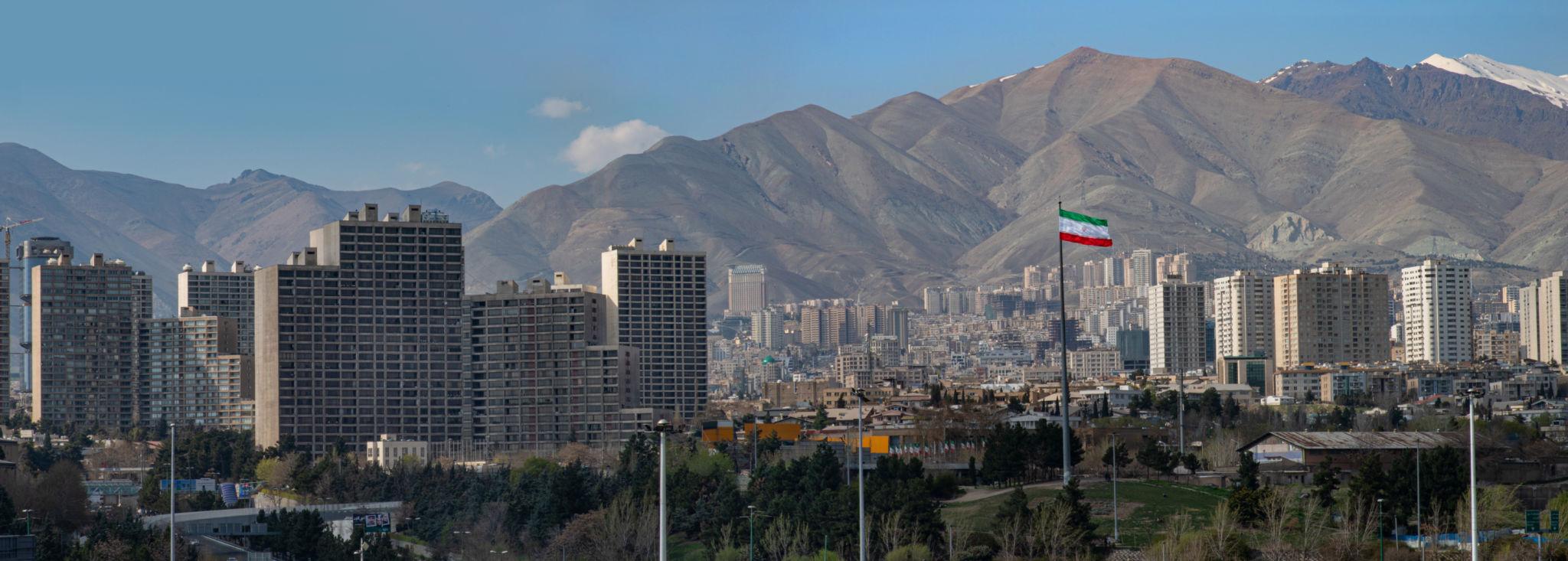
Iran’s capital city has become the center of intense political debate in recent months. Inside government institutions, religious seminaries, and academic circles, conversations about Iran’s future leadership direction have grown more frequent.
The discussion of Mojtaba Khamenei leadership reflects broader questions about continuity and change within the country’s political system. Tehran’s leadership institutions are navigating a complex environment shaped by geopolitical tensions, economic pressures, and domestic expectations.
Iran remains one of the most influential countries in the Middle East. As a result, developments within Tehran’s political establishment often attract international attention.
Observers say the rising focus on Mojtaba Khamenei leadership highlights the significance of generational transitions within Iran’s governing institutions.
Power Structures Inside the Islamic Republic
Iran’s political system is unique in that it blends religious authority with republican institutions. The supreme leader holds the highest authority, overseeing the armed forces, judiciary, and key national policies.
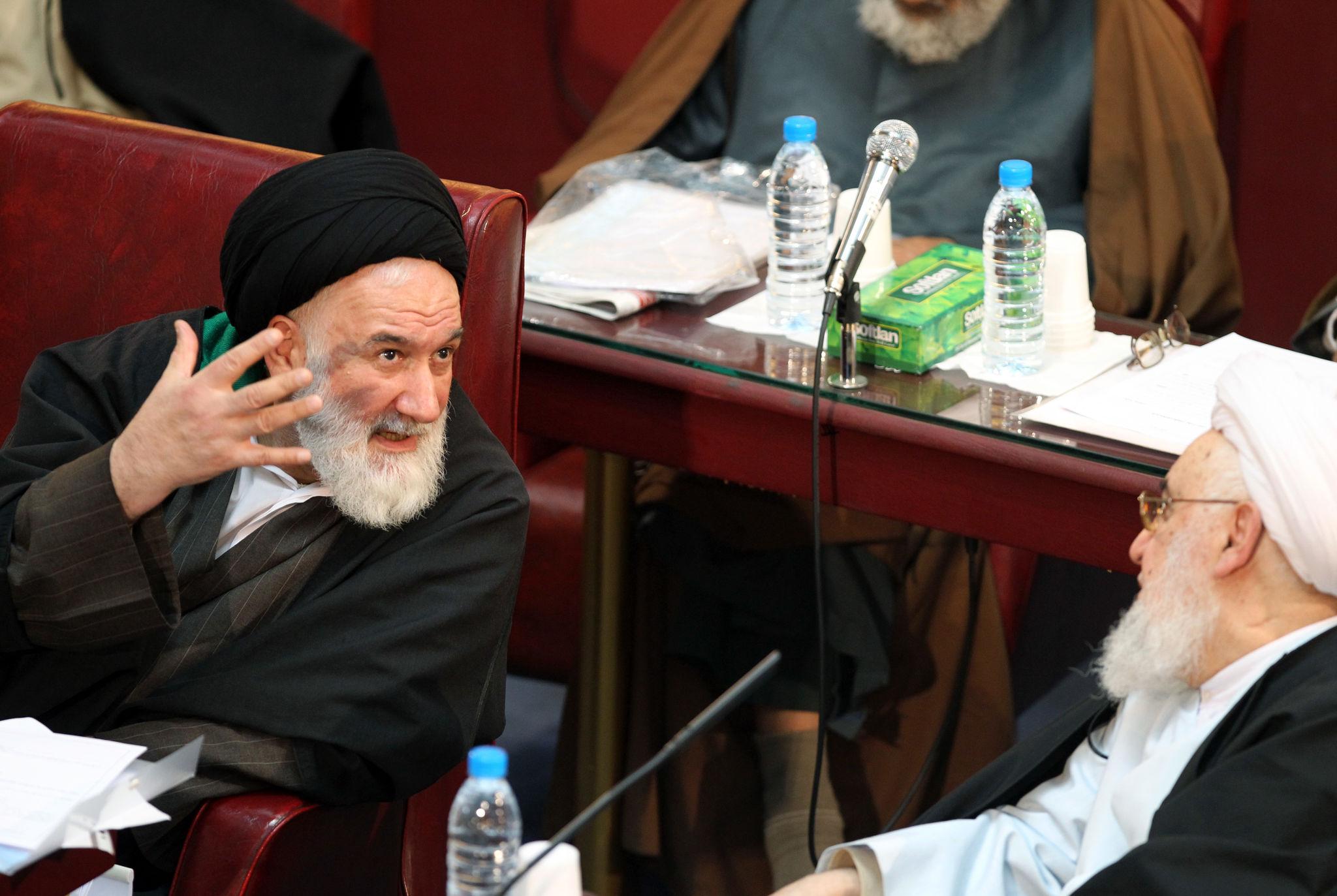
Within this framework, influential clerics, political leaders, and advisory councils shape the country’s strategic direction.
The discussion around Mojtaba Khamenei leadership is closely connected to these institutions because individuals with strong relationships inside these networks often play significant roles in shaping policy and decision making.
Political analysts frequently point to the importance of institutional alliances within Iran’s governance structure.
One Middle East policy expert explained the complexity of the situation:
“Leadership debates in Iran are rarely simple political contests. They involve networks of religious authority, security institutions, and long standing political alliances.”
Such dynamics explain why discussions connected to Mojtaba Khamenei leadership are followed closely by regional and international observers.
Regional Tensions and Global Attention
Developments inside Iran’s political system often intersect with regional security issues.
The Middle East continues to face geopolitical rivalries, strategic alliances, and shifting diplomatic relationships. Iran’s influence across the region makes any leadership discussion particularly significant.
The growing international attention surrounding Mojtaba Khamenei leadership reflects these broader geopolitical realities.
Countries throughout the region monitor Iran’s political direction because leadership decisions can affect security policies, diplomatic negotiations, and economic cooperation.
A European analyst studying Middle Eastern politics noted:
“Iran’s leadership discussions are never isolated domestic events. They can shape the strategic landscape across the region.”
These perspectives help explain why Mojtaba Khamenei leadership remains a subject of global interest.
Internal Political Perspectives
Within Iran, reactions to the discussions surrounding leadership influence vary among political factions.
Some conservative voices emphasize the importance of maintaining stability and continuity in the country’s governance system. They argue that experienced figures with established institutional relationships are well positioned to help guide the country through complex geopolitical challenges.
Others emphasize the importance of responding to social and economic pressures affecting everyday life for Iranian citizens.
The debate around Mojtaba Khamenei leadership therefore reflects broader conversations about Iran’s political and economic priorities.
Young Iranians in particular have expressed interest in how leadership decisions might influence the country’s economic future.
Historical Roots of Iran’s Leadership System
Understanding the significance of Mojtaba Khamenei leadership requires examining the historical development of Iran’s political framework.
Following the 1979 Iranian Revolution, the monarchy was replaced with a system built on the principle of religious governance known as “Velayat e Faqih,” or guardianship of the Islamic jurist.
Ayatollah Ruhollah Khomeini became the first supreme leader and established the ideological foundation of the Islamic Republic.
After his death in 1989, Ayatollah Ali Khamenei assumed the leadership position. Since then, Iran’s leadership structure has remained relatively stable.
Because leadership transitions are rare, any discussion connected to Mojtaba Khamenei leadership draws significant attention within political circles.
Economic Expectations and Public Sentiment
While leadership discussions dominate political analysis, everyday concerns among Iranian citizens often focus on economic issues.
Inflation, employment opportunities, and international sanctions have created economic challenges for many households.
Observers say that leadership discussions connected to Mojtaba Khamenei leadership intersect with these economic realities.
Political decisions made at the highest levels of government can influence trade policies, diplomatic negotiations, and economic reforms.
Younger generations of Iranians are particularly interested in how leadership developments may affect economic opportunity.
Religious Institutions and Political Authority
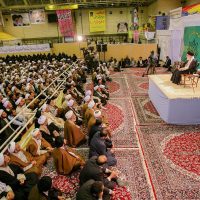
Religion remains central to Iran’s political identity. Senior clerics and religious scholars continue to play an influential role in shaping leadership decisions.
The relationship between religious authority and political power forms the foundation of Iran’s governance structure.
Discussions involving Mojtaba Khamenei leadership therefore often include questions about religious legitimacy and scholarly credentials.
Iran’s religious institutions maintain strong connections to political leadership, creating a system in which ideological principles and governance operate together.
International Policy Implications
For governments outside Iran, leadership discussions often carry implications for diplomacy and security.
Iran’s position in global energy markets and its influence across several regional conflicts make its political direction strategically important.
The subject of Mojtaba Khamenei leadership therefore appears frequently in international policy discussions.
Diplomats and analysts are examining how potential leadership changes could influence nuclear negotiations, regional alliances, and economic partnerships.
Such considerations demonstrate how internal political conversations in Tehran can have global consequences.
Strategic Calculations Within Tehran
Behind the public discussions about leadership influence lies a complex process of institutional negotiation.
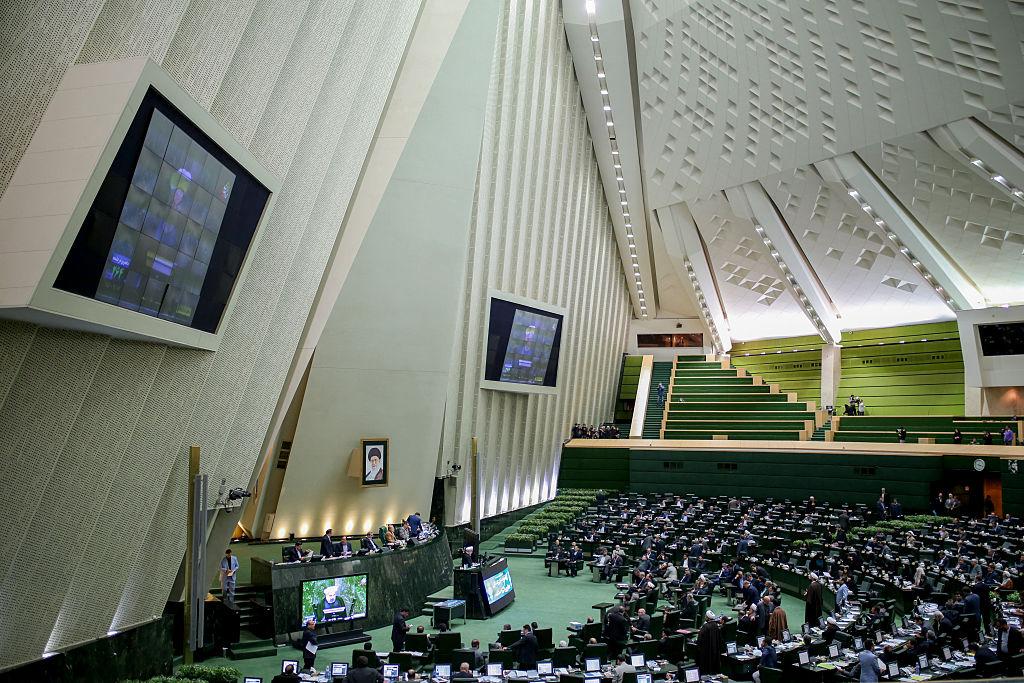
Political councils, religious authorities, military leaders, and advisory bodies all contribute to shaping Iran’s governance decisions.
These internal calculations often occur quietly, reflecting the careful balance of power that defines Iran’s political system.
The ongoing conversation surrounding Mojtaba Khamenei leadership highlights how these institutions interact to determine the country’s future direction.
Observers note that leadership debates in Iran tend to unfold gradually, with consensus emerging through institutional dialogue.
The Quiet Debate Shaping Iran’s Next Chapter
As the political environment in Tehran continues to evolve in 2026, leadership discussions remain one of the most closely watched developments in the region.
The topic of Mojtaba Khamenei leadership represents more than speculation about individual influence. It reflects broader questions about the future of Iran’s political system, its role in regional diplomacy, and the balance between tradition and change within the Islamic Republic.
The coming years may determine how Iran’s institutions adapt to new challenges while preserving the principles that have defined the country’s political structure for more than four decades.
For now, analysts, policymakers, and citizens continue to observe developments in Tehran with careful attention.