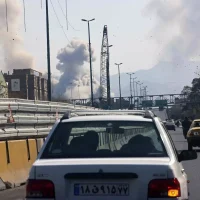
BEIRUT, Lebanon — March 9, 2026 — Brussels Morning Newspaper — In Beirut on June 2026, the Israel military warning Beirut has intensified regional attention as residents in several southern districts reacted to new alerts linked to potential security operations. Authorities in Lebanon’s capital began coordinating with local agencies after the announcement circulated through official channels and international media.
The situation has placed the city under renewed scrutiny as diplomatic observers and regional analysts monitor developments closely. The Israel military warning Beirut has triggered conversations among policymakers about the implications for civilian safety, regional stability, and international diplomacy.
Local leaders emphasized that maintaining calm remains essential while authorities assess the evolving circumstances connected to the Israel military warning Beirut.
Beirut’s Strategic Importance in the Region
Beirut has long been considered one of the Middle East’s most influential political and economic centers. As the capital of Lebanon, it plays a key role in regional diplomacy, commerce, and cultural exchange.
Events connected to the Israel military warning Beirut therefore carry implications beyond the city itself. Security developments in Beirut often influence the broader geopolitical landscape across the Middle East.
Regional governments and international organizations are watching closely as authorities evaluate the impact of the Israel military warning Beirut on local communities and diplomatic relations.
Political analysts note that Beirut’s geographic position makes it particularly sensitive to developments involving neighboring countries and regional security dynamics.
Residents Respond to the Alert
Following the Israel military warning Beirut, residents in affected neighborhoods began evaluating how best to respond to the situation.
Southern Beirut contains densely populated districts where residential buildings, small businesses, and community centers exist side by side. When the Israel military warning Beirut circulated widely, some families temporarily relocated to stay with relatives or friends in other parts of the city.
Local volunteers and community organizations began assisting families who needed transportation or temporary shelter.
Municipal officials emphasized that the Israel military warning Beirut had created a moment of uncertainty for many households, particularly those with elderly family members or young children.
Emergency response teams in the city also reviewed preparedness plans to ensure medical services and essential supplies remain accessible.
Security Considerations Behind the Warning
Israeli authorities indicated that the Israel military warning Beirut was issued based on intelligence assessments connected to suspected militant infrastructure.
Military analysts say such warnings are sometimes issued in advance of potential operations in order to reduce risks for civilians living nearby.
The Israel military warning Beirut reflects the complex challenge of addressing security threats in urban areas where large civilian populations reside.
Experts in urban conflict studies explain that modern cities often present difficult environments for military operations due to population density and infrastructure complexity.
For this reason, the Israel military warning Beirut has drawn attention from security experts studying how governments attempt to balance military objectives with humanitarian concerns.
Impact on Daily Life in the Lebanese Capital
The Israel military warning Beirut has influenced daily routines in several parts of the city.
Schools in some neighborhoods adjusted schedules while businesses reduced operating hours as residents focused on safety considerations.
Public transportation routes experienced heavier demand as families moved temporarily toward other districts.
City officials explained that the Israel military warning Beirut had prompted coordination between municipal agencies, medical services, and local volunteer networks.
Community groups across Beirut began organizing assistance for residents who needed temporary housing or transportation.
Despite the uncertainty created by the Israel military warning Beirut, many residents expressed determination to maintain stability in their communities.
International Diplomatic Attention
Global diplomatic circles quickly turned their attention toward developments connected to the Israel military warning Beirut.
Governments in Europe, Asia, and North America issued statements encouraging restraint and emphasizing the importance of protecting civilian populations.
International humanitarian organizations also began assessing potential needs for emergency assistance.
Diplomatic analysts say the Israel military warning Beirut illustrates how local security developments can quickly gain global significance.
One international relations specialist noted:
“Beirut sits at the crossroads of regional geopolitics, so developments there often capture global attention almost immediately.”
This perspective highlights the broader implications associated with the Israel military warning Beirut.
Economic Concerns Linked to Security Alerts
Security developments in Beirut can also have economic consequences for the city and the country as a whole.
Tourism, hospitality, and small businesses represent important sectors within Lebanon’s economy.
The Israel military warning Beirut prompted temporary closures of several shops and restaurants in affected neighborhoods as residents focused on safety concerns.
Economists note that uncertainty linked to security alerts can reduce consumer activity even in areas not directly affected by potential operations.
The situation surrounding the Israel military warning Beirut therefore represents not only a humanitarian and political issue but also an economic one.
History of Security Tensions in Beirut
Understanding the significance of the Israel military warning Beirut requires looking at the historical context of Lebanon’s capital.
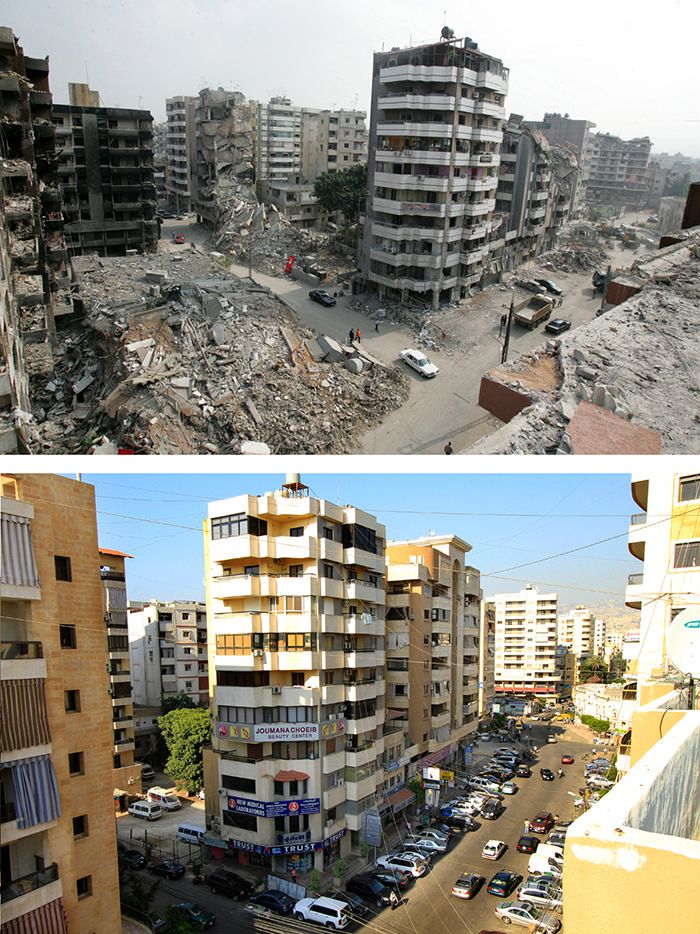
Beirut has experienced multiple periods of conflict and political tension during the past several decades. These events have shaped the city’s security infrastructure and emergency response systems.
Despite these challenges, Beirut has consistently rebuilt its neighborhoods and maintained its reputation as a cultural and commercial center.
The historical resilience of the city provides important context for understanding how residents respond to situations such as the Israel military warning Beirut.
Communities in Beirut have often demonstrated strong social networks that help families navigate periods of uncertainty.
Humanitarian Concerns and Civilian Safety
Humanitarian organizations have emphasized the importance of protecting civilians following the Israel military warning Beirut.
Groups working in Lebanon highlighted the need for clear communication so residents can make informed decisions about their safety.
Emergency response specialists say warnings must be accompanied by accessible evacuation routes and shelter resources.
The Israel military warning Beirut has therefore prompted discussions among humanitarian experts about best practices for protecting civilian populations in urban environments.
International aid agencies remain prepared to assist if displacement becomes necessary.
Regional Implications for the Middle East
Beyond Lebanon, the Israel military warning Beirut has drawn attention from governments throughout the Middle East.
Regional leaders are monitoring the situation closely to assess whether tensions might escalate.
Analysts say that developments involving Beirut can influence diplomatic conversations across multiple countries.
One Middle East policy researcher explained the regional significance:
“Security developments involving Beirut often ripple across the entire region because of Lebanon’s political and strategic connections.”
Such observations illustrate why the Israel military warning Beirut has become an important topic within regional policy discussions.
The Global Conversation Around Stability
International organizations have also entered the discussion about stability following the Israel military warning Beirut.
United Nations representatives and humanitarian agencies continue encouraging dialogue aimed at reducing tensions.
Experts in conflict resolution say diplomatic engagement remains essential in preventing further escalation.
The situation surrounding the Israel military warning Beirut demonstrates how fragile stability can become in regions where political and security interests intersect.
Observers believe ongoing communication between governments will play a critical role in maintaining calm.

Beirut’s Resilience in Uncertain Times
Despite the concerns raised by the Israel military warning Beirut, residents of the Lebanese capital have shown resilience.
Community groups, volunteers, and local institutions have mobilized quickly to support families who may need assistance.
Many residents say their priority is ensuring the safety of their communities while maintaining the cultural and economic life that defines Beirut.
The city has historically demonstrated the ability to recover from challenging moments.
This resilience remains visible today as people across Beirut continue to support one another during uncertain circumstances.
The Broader Question Facing the Region
As the situation evolves in 2026, policymakers and analysts continue examining the implications of the Israel military warning Beirut.
The coming weeks may determine whether tensions ease through diplomatic channels or whether security concerns continue shaping the regional landscape.
For residents of Beirut, the priority remains safety and stability.
The developments surrounding the Israel military warning Beirut highlight how complex the balance between security, diplomacy, and humanitarian considerations can be.