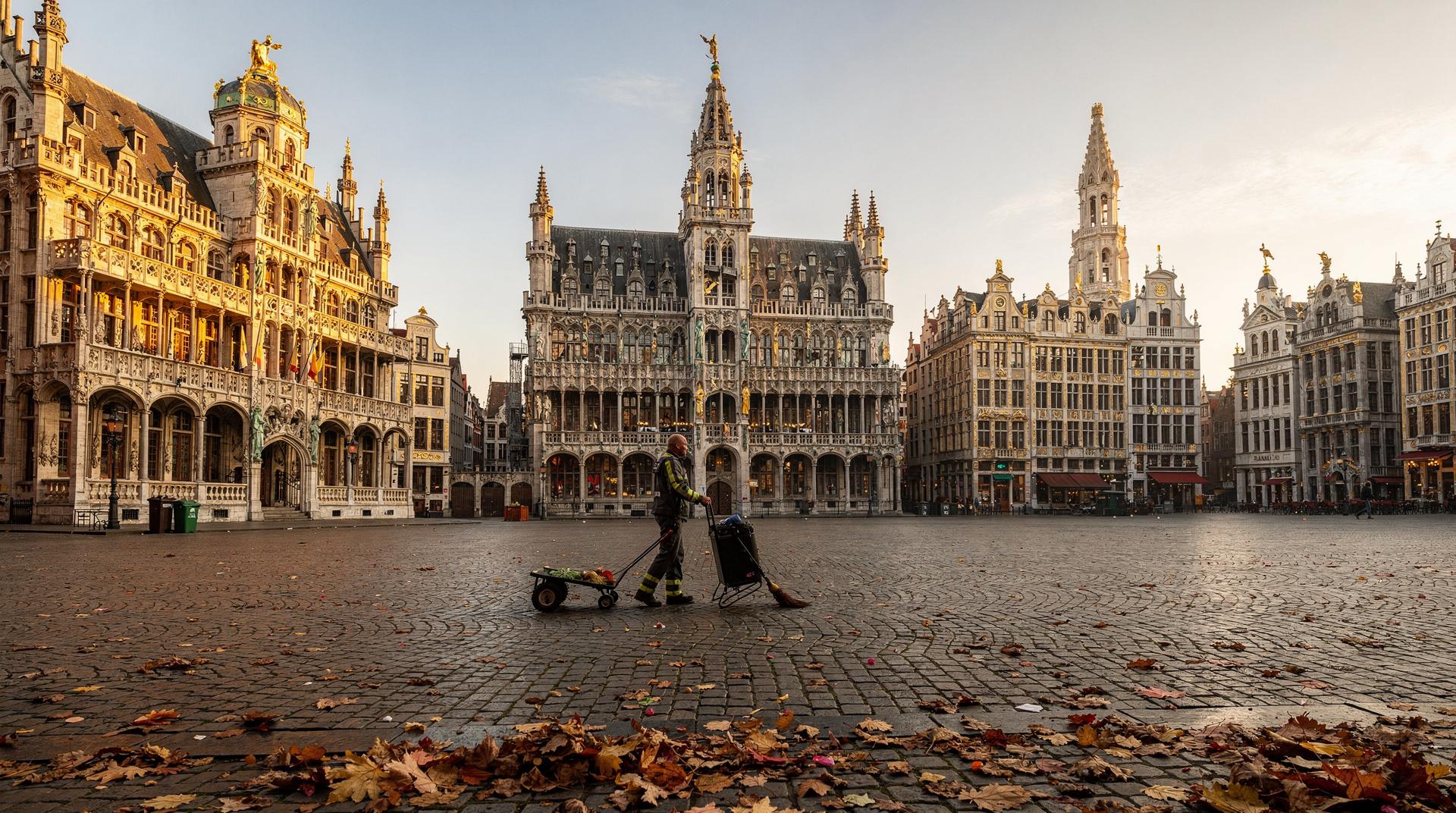
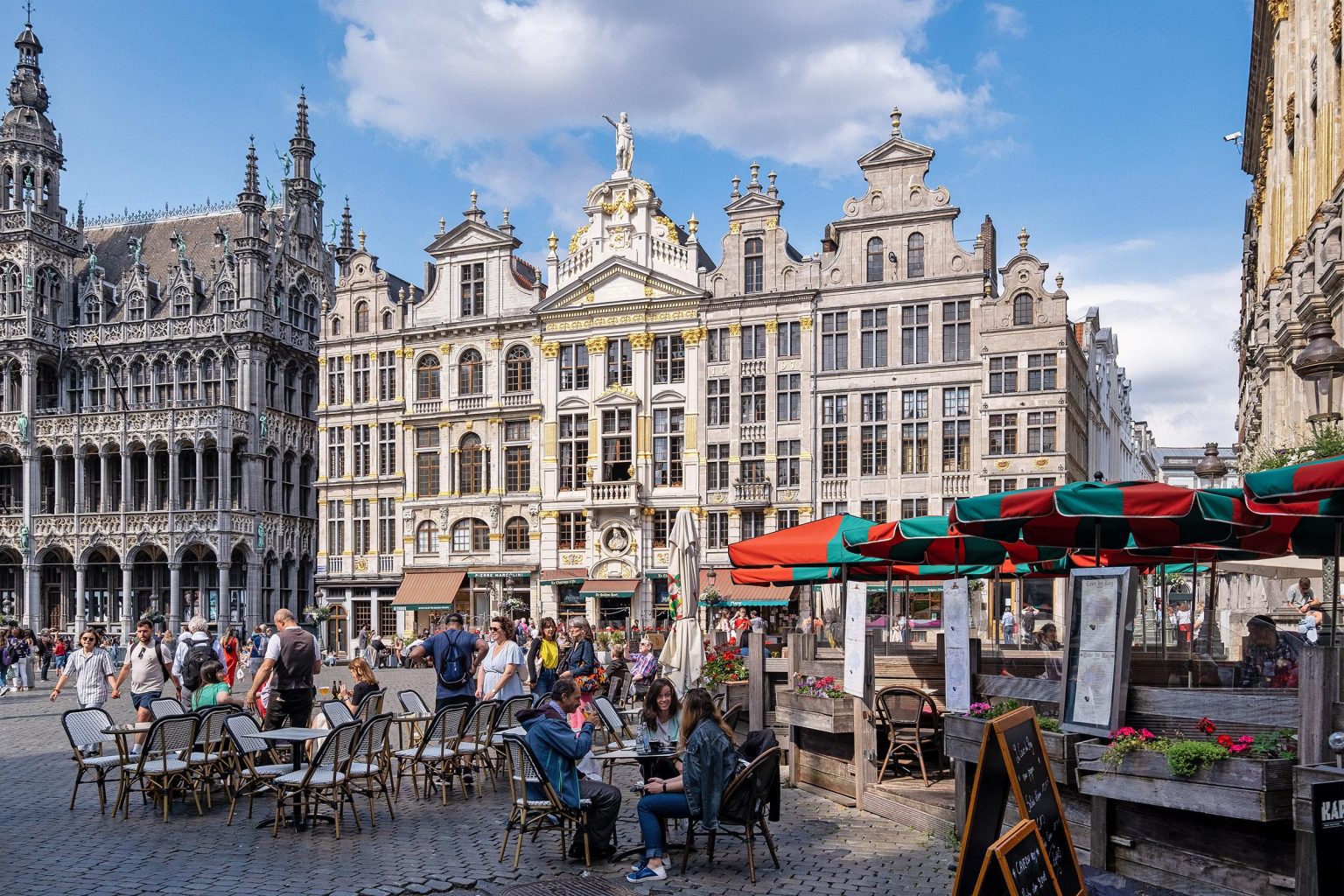
Brussels, 27 September, (Brussels Morning Newspaper) – The City of Brussels is preparing tighter Grand Place business restrictions that would reduce the concentration of souvenir shops, limit further growth in cafés and restaurants and restrict tourist accommodation around the UNESCO-listed square. The proposals would protect existing authorised businesses from immediate closure while gradually changing the commercial mix of the historic centre.
Brussels proposes 20-shop limit for souvenir retailers
Around 40 souvenir shops currently operate near the Grand Place. Under the proposed Particular Land Use Plan for the Grand Place and surrounding area, Brussels wants to reduce that number to approximately 20.
The reduction would happen gradually. Existing authorised souvenir businesses could remain open, but when one closes, another type of business would have to replace it.
The approach means Brussels is not proposing the immediate removal of 20 shops. Instead, the number would fall over time as businesses cease trading or premises change use.
Cafés and restaurants face one-third ceiling
The proposed rules would also limit cafés and restaurants to no more than one-third of commercial premises in most streets surrounding the Grand Place.
Existing horeca businesses would be allowed to continue operating. However, the City could reject a new permit where the maximum concentration has already been reached. Exceptions could apply to streets already occupied exclusively by hospitality businesses.
Tourist accommodation would also be limited to 20% of available floor space as Brussels seeks to preserve housing alongside commercial and visitor activity.
Anaïs Maes outlines Brussels heritage strategy
Brussels Urban Development Councillor Anaïs Maes said the City wants a long-term strategy rather than isolated measures for individual businesses.
“It is important for us to have a clear vision for the future of our historic centre,” Maes said in comments confirmed by her office to BRUZZ.
She said the proposed approach connects commercial planning with preservation of the historic district.
“In this way, we protect our heritage and ensure the liveability and attractiveness of this area,” Maes said.
Her office said a study bureau was appointed in 2021 and that several stages of approval were required because the proposal establishes a regulatory framework.
UNESCO status already shapes Grand Place planning
The Grand Place has been on the UNESCO World Heritage List since 1998. The City says the square and surrounding UNESCO zone have been subject to specific planning rules since 2009 to balance heritage conservation, tourism, commerce and housing.
UNESCO identifies commercial, property and tourism pressures as challenges facing the surrounding buffer zone, which covers 20.93 hectares.
The new Grand Place business restrictions would therefore build on an existing framework rather than introduce commercial controls to the district for the first time.
Public consultation comes before final approval
The proposal is not yet final. It must undergo a public inquiry, during which residents, traders and other interested parties can respond.
The City also plans meetings with affected local residents beginning in early November. Any final restrictions will depend on completion of the required planning and approval process.