Tehran, Iran — March 9, 2026 — Brussels Morning Newspaper — Over 1,255 people killed, 12,000 injured during the past nine days as authorities confront a rapidly expanding humanitarian emergency. The devastating figures released in Tehran on June 2026 reveal the growing scale of the tragedy now unfolding across several affected regions. Officials confirmed that the Iran casualties nine days situation represents one of the most serious humanitarian crises the country has experienced in recent years.
Emergency services, hospitals, and humanitarian groups across the country are struggling to manage the aftermath as communities attempt to cope with the human cost of the violence. The Iran casualties nine days statistics include civilians, emergency workers, and others caught in the intensifying conflict that has shaken the region.
Across Tehran and other major cities, the Iran casualties nine days crisis has become a central topic of national concern as authorities focus on rescue operations, medical treatment, and humanitarian relief.
Emergency Response Expands Across Affected Areas
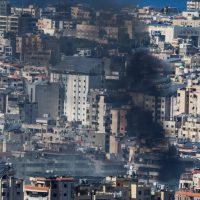
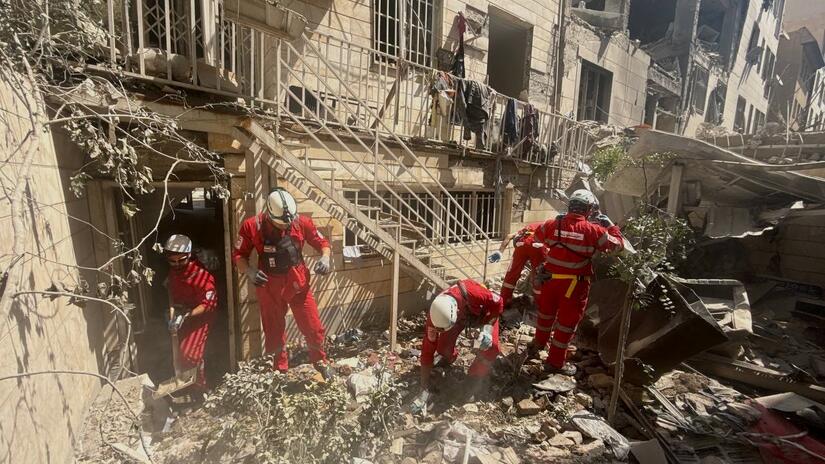
The immediate priority for authorities has been search and rescue operations in areas hit hardest by the crisis. Emergency teams have been deployed throughout multiple cities where buildings, transportation infrastructure, and residential neighborhoods have been damaged.
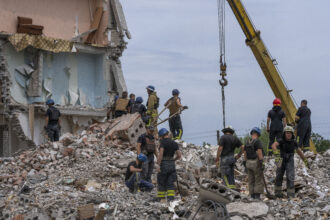
Medical units, firefighters, and civil defense teams have worked continuously to locate survivors trapped beneath rubble. Officials say the Iran casualties nine days emergency has stretched emergency response systems to their limits as thousands of injured victims require immediate treatment.
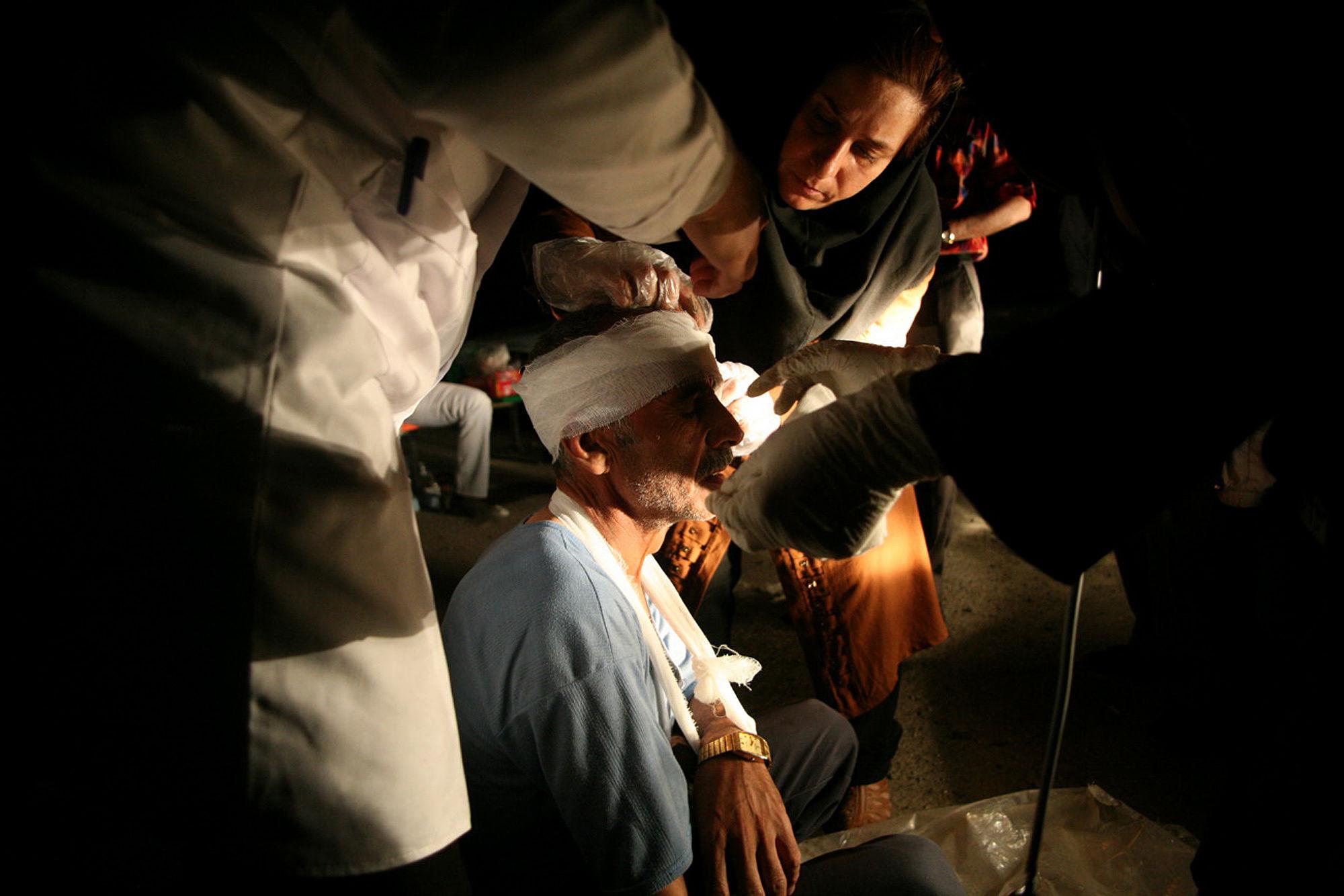
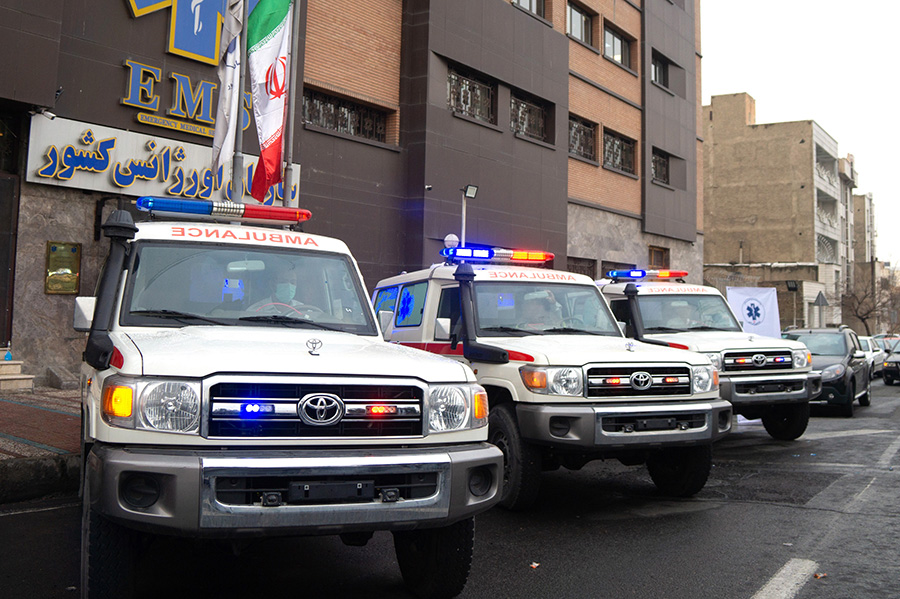
Hospitals in Tehran and other cities have converted additional areas into temporary treatment zones in order to manage the surge of patients. Doctors, nurses, and volunteers are working extended shifts while emergency coordinators attempt to distribute medical resources where they are most needed.
The Iran casualties nine days emergency has also triggered a national appeal for blood donations and medical equipment.
Hospitals Overwhelmed by Patient Surge
Medical professionals say the Iran casualties nine days crisis has created one of the most demanding periods in recent healthcare history.
Hospitals have reported emergency rooms filled with patients suffering from trauma injuries, burns, and fractures. Intensive care units in several cities are operating at or near full capacity.
Doctors have been performing urgent surgeries while triage teams evaluate the severity of incoming injuries. The pressure placed on healthcare workers has been immense.
One hospital administrator described the situation this way:
“Every available doctor and nurse is working around the clock because the number of patients continues to rise.”
Healthcare authorities warn that the Iran casualties nine days crisis may require additional international medical assistance if the number of injured continues to grow.
Communities Facing Loss and Displacement
Across affected areas, families are confronting the emotional and logistical consequences of the crisis.
Entire neighborhoods have been disrupted as residents search for missing relatives or attempt to repair damaged homes. Temporary shelters have been established in schools, community centers, and public buildings.
The Iran casualties nine days tragedy has left many families without homes, forcing them to rely on support from community organizations and local volunteers.
Relief groups have begun distributing food, drinking water, blankets, and emergency supplies to displaced residents.
Community leaders say the Iran casualties nine days situation has created an atmosphere of grief and uncertainty that many citizens are struggling to process.
International Attention and Diplomatic Concern
Governments and international organizations have closely monitored developments related to the Iran casualties nine days crisis.
Diplomatic representatives have expressed concern regarding the humanitarian impact and have urged efforts to reduce further loss of life.
Humanitarian agencies have also emphasized the importance of ensuring safe access for emergency aid workers attempting to reach affected communities.
One international aid official explained the urgency of the situation:
“The number of injured and displaced people means humanitarian support must expand quickly.”
The global attention surrounding the Iran casualties nine days tragedy reflects the broader concern that the situation could influence regional stability.
Economic and Infrastructure Damage
In addition to the humanitarian toll, the crisis has created serious economic challenges.
Several transportation routes have been temporarily closed while repair crews assess damage to roads and bridges. Industrial facilities and commercial areas in affected regions have also experienced disruptions.
Economists warn that the Iran casualties nine days emergency could slow economic activity if infrastructure damage proves extensive.
Local businesses have reported declining sales as residents focus on safety and recovery.
Reconstruction efforts will likely require significant investment once stability returns.
Humanitarian Aid Efforts Intensify
Humanitarian organizations both inside and outside Iran have mobilized resources to address the growing needs of victims.
Medical aid shipments containing trauma supplies, surgical tools, and medications have begun arriving in several cities.
Volunteers have played an essential role in distributing relief supplies to families affected by the Iran casualties nine days tragedy.
Aid coordinators say cooperation between local authorities, hospitals, and international organizations will be crucial to sustaining relief efforts.
Emergency support services are also providing psychological counseling to individuals coping with trauma and loss.
History of National Resilience in Times of Crisis
Iran has faced numerous challenges throughout its modern history, including natural disasters, economic sanctions, and geopolitical tensions.
Communities have repeatedly demonstrated resilience during periods of adversity, rebuilding cities and restoring social stability.
The response to the Iran casualties nine days crisis reflects this long tradition of collective determination.
Local communities, religious institutions, and volunteer networks have mobilized quickly to assist those affected by the tragedy.
This history of resilience provides an important context for understanding how Iranian society often responds during times of national hardship.
Regional Implications of the Crisis
Analysts believe the Iran casualties nine days crisis may have broader geopolitical implications.
Neighboring countries are monitoring developments closely while international policymakers evaluate potential diplomatic responses.
Security experts say humanitarian crises can influence regional stability when they intersect with existing political tensions.
The situation unfolding in Iran has therefore become a significant topic in international policy discussions.
Observers emphasize that diplomatic engagement may play a key role in preventing further escalation.
A Nation Searching for Recovery
As rescue operations continue and communities begin the long process of rebuilding, the scale of the tragedy remains evident.
Families across the country are mourning loved ones while emergency teams continue assisting survivors.
The Iran casualties nine days crisis represents a moment of profound national challenge, but also one that has revealed strong community solidarity.
Citizens, volunteers, medical workers, and humanitarian organizations are working together to support those affected.
For many people in Tehran and across the country, the immediate hope is that recovery and stability can begin soon.
Beyond the Numbers A Human Story
Behind every statistic lies the story of individuals whose lives have been permanently changed.
Parents, children, and entire families have been affected by the devastating consequences of the crisis.
The Iran casualties nine days tragedy serves as a powerful reminder of the human cost that accompanies conflict and disaster.
Communities throughout Iran are now focusing on rebuilding neighborhoods, restoring infrastructure, and supporting those who have lost loved ones.
Observers say the coming months will determine how quickly recovery efforts can restore stability.
What remains clear is that the legacy of the Iran casualties nine days crisis will shape national conversations about preparedness, humanitarian response, and resilience for years to come.