BEIRUT, Lebanon — March 5, 2026 — According to developments closely followed by international observers and coverage patterns similar to those seen in Brussels Morning Newspaper style reporting, Lebanon border strikes have intensified in southern Lebanon, increasing security concerns throughout the Middle East.
Military activity along the Israel Lebanon frontier has increased significantly over recent weeks. Airstrikes, artillery exchanges, and surveillance operations have been reported across several locations near the border. Local authorities confirmed that explosions were heard overnight in several towns as aircraft activity continued into the early morning hours.
Security analysts say Lebanon border strikes are now occurring more frequently than earlier in the year, suggesting that tensions between Israel and armed groups operating inside Lebanon are entering a more volatile phase.
Residents living in communities near the border describe a growing sense of uncertainty as military aircraft continue to patrol the skies and explosions echo through nearby valleys.
Escalating military operations along the frontier
The latest surge in cross border military activity has drawn global attention as Lebanon border strikes increase in intensity. Defense analysts say the operations appear to be focused on targeting locations believed to be linked to militant infrastructure near the southern frontier.
Israeli military officials have repeatedly stated that the operations are designed to prevent attacks originating from Lebanese territory. They argue that targeting weapons storage sites and operational positions is necessary to maintain national security.
However, Lebanese officials warn that repeated strikes could destabilize communities already facing economic challenges. They emphasize that civilian areas often lie close to suspected militant infrastructure, increasing the risk of unintended damage.
Regional security observers say the situation reflects a delicate balance between deterrence and escalation. Each new strike has the potential to trigger retaliatory actions that could widen the conflict.
One regional analyst described the danger clearly.
“Border tensions in this region can change rapidly. What begins as a limited military action can quickly escalate if both sides feel compelled to respond.”
Civilian life under rising security pressure
For residents in southern Lebanon, Lebanon border strikes are not simply political headlines but a direct challenge to daily life.
Communities close to the border have reported damaged buildings, temporary electricity disruptions, and interruptions to local transportation routes. Schools in some areas have adjusted schedules as authorities attempt to ensure student safety.
Agricultural activity has also been affected. Farmers in border villages often rely on access to fields located near the frontier, and ongoing military activity has made work in those areas increasingly difficult.
Humanitarian workers say displacement remains limited for now, but families are preparing contingency plans in case the situation worsens.
A volunteer assisting local communities described the emotional toll.
“Families are trying to maintain normal routines, but constant aircraft noise and distant explosions create anxiety that is difficult to ignore.”
Strategic significance of southern Lebanon
The southern Lebanese frontier has long been considered one of the most strategically sensitive borders in the Middle East.
When Lebanon border strikes occur, they often reflect broader geopolitical tensions involving regional alliances and security interests. The region has historically been a focal point for military planning due to its proximity to Israel and the presence of armed factions operating within Lebanon.
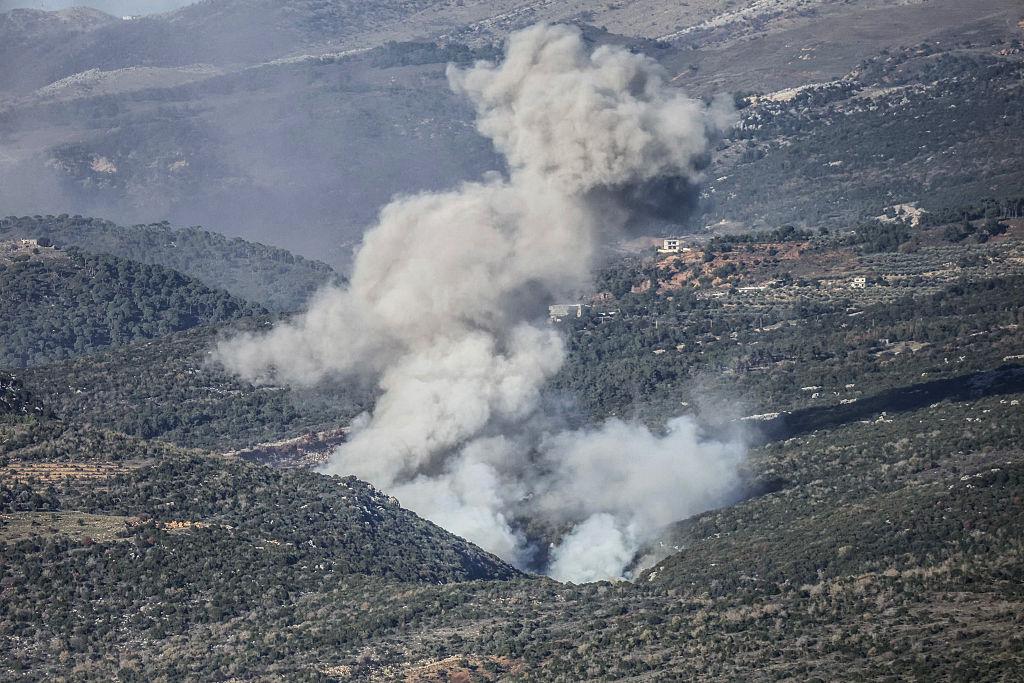
The geography of southern Lebanon plays a major role in shaping military strategy. The terrain includes hills, valleys, and scattered villages that can complicate surveillance efforts.
Because of these conditions, monitoring and enforcing security along the frontier has always been challenging.
Military experts say Lebanon border strikes are often linked to attempts by both sides to maintain deterrence and prevent the expansion of hostile activities across the border.
International diplomatic reactions
As Lebanon border strikes continue to dominate regional headlines, international leaders have called for restraint and diplomatic engagement.
Foreign ministers from several countries have urged both sides to avoid actions that could escalate tensions further. International organizations also emphasize the need to protect civilian populations living near the conflict zone.
Diplomatic channels remain active as governments attempt to prevent a wider confrontation. Many observers believe that sustained dialogue will be necessary to restore calm along the frontier.
A senior diplomatic official involved in regional mediation explained the challenge.
“Stability along the Israel Lebanon border is essential for the wider region, and diplomacy remains the most effective way to reduce tensions.”
Despite these efforts, the persistence of military incidents makes negotiations more difficult.
Modern military technology and surveillance
Modern surveillance and intelligence systems have transformed how border conflicts are managed.
Today, Lebanon border strikes often involve highly sophisticated monitoring technology that allows military planners to identify potential threats quickly.
Drones, satellite imagery, and electronic intelligence systems are commonly used to monitor activity near the frontier. These technologies provide real time information that can influence operational decisions.
However, experts warn that technological precision does not eliminate the risk of escalation.
Military actions, even when carefully planned, can still provoke responses that extend beyond the original objectives.
Economic consequences for Lebanon
The continuation of Lebanon border strikes places additional strain on Lebanon’s fragile economy.
The country has faced years of financial instability, including currency depreciation, rising inflation, and political uncertainty. Any prolonged security crisis could make economic recovery even more difficult.
Tourism, trade, and foreign investment are particularly sensitive to perceptions of instability. Economic analysts say that sustained tension along the border may discourage investment and slow rebuilding efforts.
Local business owners also worry that continued conflict could affect employment opportunities and reduce consumer confidence.
Stability remains a key factor in Lebanon’s ability to rebuild its economy.
Historical perspective on the Israel Lebanon frontier
The current escalation cannot be understood without examining the long history of tensions along the Israel Lebanon border.
Over the decades, the region has witnessed cycles of conflict, ceasefires, and diplomatic negotiations. Military confrontations have periodically erupted when cross border attacks or security incidents occur.
Past conflicts have demonstrated how quickly tensions can escalate when incidents happen along the frontier.
For this reason, Lebanon border strikes often attract immediate international attention.
Historical experience shows that diplomatic intervention frequently becomes necessary to prevent wider regional conflict.
Understanding these historical dynamics helps explain why the international community closely monitors developments along the border.
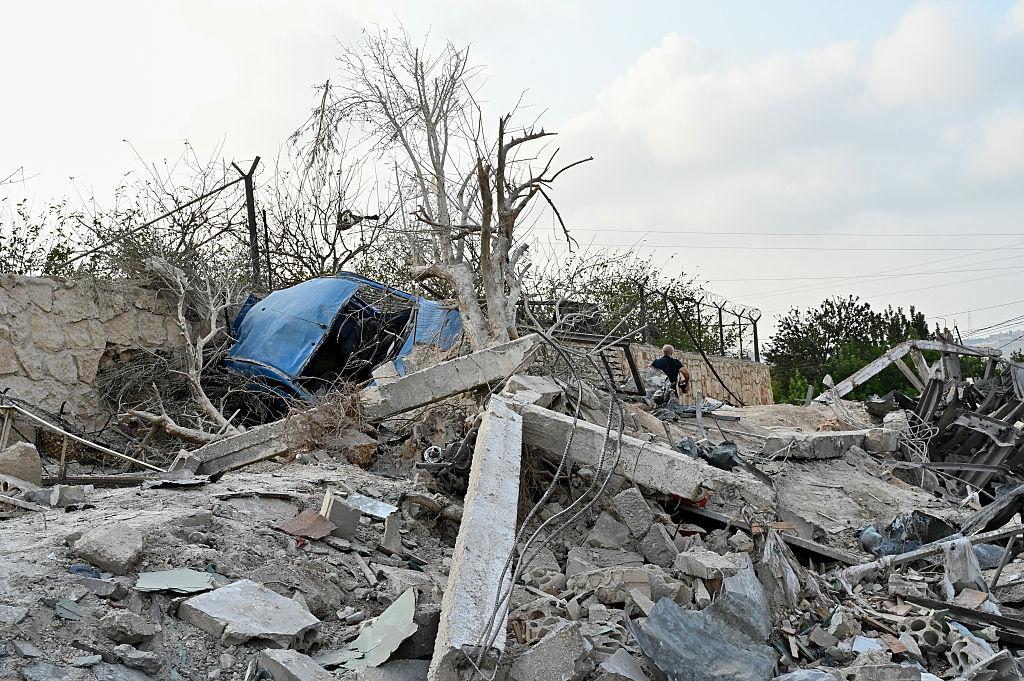
Security analysts evaluate the situation
Military strategists analyzing the current escalation say the pattern of Lebanon border strikes suggests a strategy centered on deterrence.
By targeting infrastructure believed to support militant operations, military planners hope to reduce the ability of armed groups to launch attacks across the border.
At the same time, analysts warn that repeated strikes may increase the likelihood of retaliation.
Security experts often describe the situation as a cycle in which both sides attempt to demonstrate strength while avoiding a full scale war.
Maintaining this balance requires careful coordination between military actions and diplomatic initiatives.
Possible developments in the coming months
Looking ahead, analysts say several possible scenarios could emerge depending on how the situation evolves.
If diplomatic engagement proves successful, tensions may gradually decrease and reduce the frequency of Lebanon border strikes.
Another possibility is the continuation of limited exchanges that remain contained near the frontier.
However, the most concerning outcome would involve a broader regional conflict triggered by a major incident.
Governments across the Middle East and beyond are closely monitoring developments.
The coming months will likely determine whether the current crisis stabilizes or intensifies.
Why the border remains a critical global security concern
The ongoing escalation demonstrates how fragile security remains along the Israel Lebanon frontier.
For communities living near the border, Lebanon border strikes represent a direct challenge to safety and stability.
At the same time, policymakers recognize that lasting peace will likely require more than temporary ceasefires. Sustainable stability depends on diplomatic engagement, economic recovery, and long term security arrangements.
Until those conditions are achieved, the frontier between Israel and Lebanon will continue to attract global attention.
The developments unfolding today may shape the future of regional security for years to come.