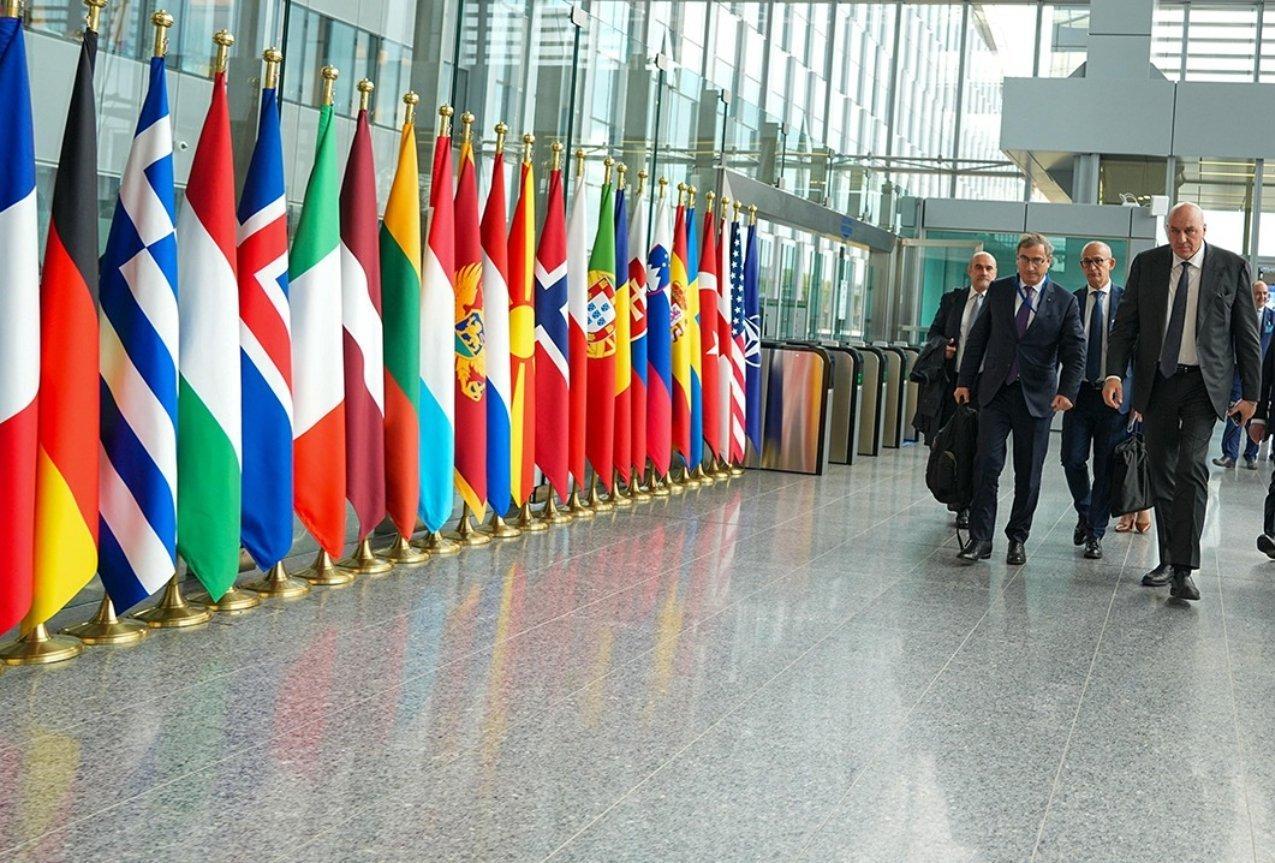
ANKARA, July 07, Brussels Morning Newspaper – NATO arms deals dominated high-level discussions during alliance meetings in Türkiye’s capital, where member nations highlighted new defense procurement initiatives aimed at strengthening collective security. The announcements came as U.S. President Donald Trump publicly expressed disappointment over what he described as uneven defense commitments among some allies. The latest NATO arms deals reflect the alliance’s continued focus on military readiness amid an evolving global security environment.
“A strong alliance depends on shared responsibility and credible defense commitments.”
New Defense Agreements Take Center Stage
Alliance officials presented a series of NATO arms deals designed to improve military capabilities, increase ammunition production, and enhance cooperation among member states. The agreements focus on strengthening air defense, logistics, and interoperability while encouraging nations to modernize their armed forces.
Officials said these initiatives are intended to improve readiness and reinforce NATO’s collective defense posture.
“Modern security challenges require modern defense cooperation and sustained investment.”
Trump Raises Concerns Over Burden Sharing
While NATO leaders emphasized unity, President Donald Trump said some allies continue to rely too heavily on U.S. defense resources.
His comments revived a long-running debate over defense spending targets and financial responsibility within the alliance. The discussion surrounding NATO arms deals has once again highlighted differing political views on how military costs should be shared among member nations.
History Behind NATO Arms Deals
The history of NATO arms deals dates back to the alliance’s efforts to improve collective defense through coordinated procurement and military cooperation. Over the years, member states have expanded joint purchasing programs to improve interoperability, reduce duplication, and strengthen deterrence against emerging security threats.
Recent geopolitical tensions have accelerated investment in advanced defense systems, making joint procurement a central element of NATO’s long-term security strategy.
“Collective security becomes stronger when allies invest together and prepare together.”
Strategic Impact on Global Security
Security analysts believe the latest NATO arms deals demonstrate the alliance’s determination to maintain military readiness while responding to changing geopolitical risks.
Greater investment in defense manufacturing, cyber capabilities, and advanced weapons systems is expected to influence future security planning across Europe and beyond.
Governments and defense industries are closely monitoring these developments because NATO arms deals often shape procurement priorities and industrial production across allied countries.
What Comes Next for the Alliance?
Alliance leaders are expected to continue implementing recently announced NATO arms deals while pursuing additional defense cooperation projects in the coming months. Future discussions are likely to focus on expanding industrial capacity, increasing military preparedness, and ensuring member states continue meeting agreed defense commitments.
The outcome of these efforts will play an important role in shaping NATO’s long-term security strategy.
What’s Next for NATO?
The latest NATO arms deals announced in Ankara reinforce NATO’s commitment to strengthening collective defense through increased military cooperation and procurement. While political differences over defense spending remain, the alliance continues moving forward with modernization efforts aimed at improving readiness and long-term security. The announcements highlight NATO’s ongoing efforts to adapt to evolving global challenges while maintaining cooperation among member nations.