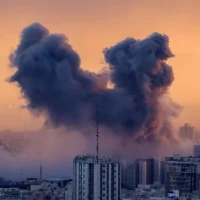
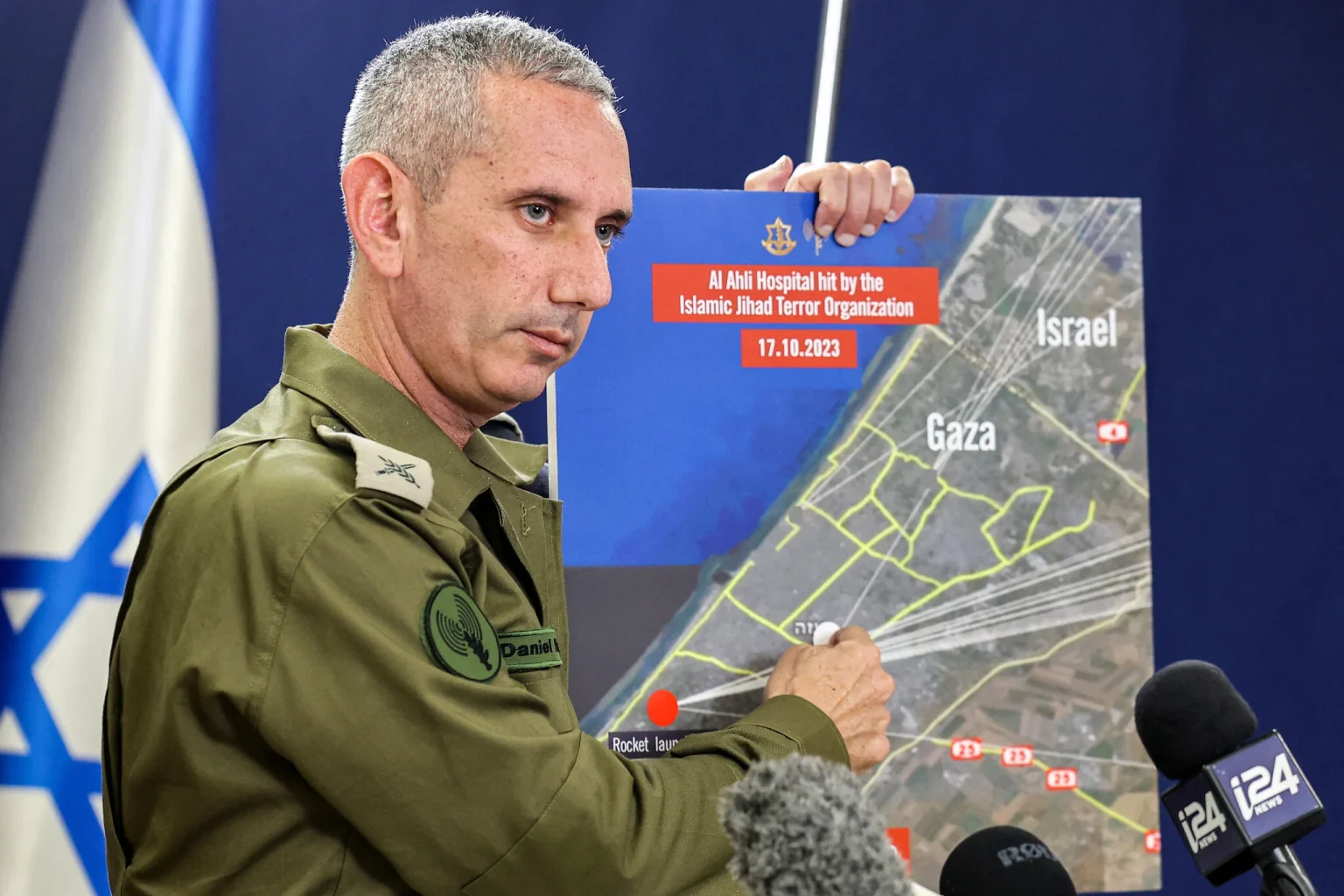
Beirut, Lebanon – March 4, 2026 – Brussels Morning Newspaper — A Lebanon airstrike alert was issued across several districts of Beirut late Tuesday as regional tensions escalated sharply. Authorities confirmed evacuation warnings were sent to residents in targeted areas following heightened military activity overnight. The Lebanon airstrike alert has intensified diplomatic engagement across the Middle East and drawn urgent international attention amid fears of wider instability.
Security officials stated that civil defense teams were immediately deployed, emergency shelters prepared, and hospitals placed on high readiness. Residents in affected southern suburbs were urged to vacate specific buildings while authorities assessed potential strike risks.
The Lebanon airstrike alert comes during a volatile period marked by cross-border developments and growing geopolitical strain across the region.
Immediate Civilian Evacuations Across Southern Districts
Local authorities confirmed that evacuation messages were delivered through official mobile alerts and media channels. Families gathered essential belongings and moved toward safer locations.
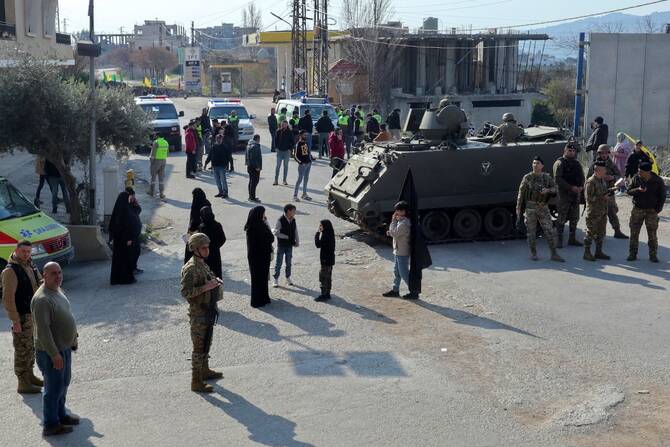
Witnesses described scenes of urgency but relative order as police directed traffic and emergency vehicles navigated narrow residential streets. The Lebanon airstrike alert prompted temporary school closures and business shutdowns in several neighborhoods.
Beirut’s southern suburbs have historically been focal points during heightened regional tensions. Officials emphasized that warnings were issued as precautionary measures to minimize civilian risk.

Regional Military Developments Trigger Heightened Warning
Security analysts link the Lebanon airstrike alert to broader military maneuvers unfolding across the region. Recent strategic actions have intensified diplomatic friction and heightened alert levels among neighboring states.
Defense observers note that advance warnings are often used in urban conflict environments where civilian density is high. However, such measures do not eliminate potential collateral risks.
Energy markets reacted cautiously, reflecting concerns that instability could influence trade and supply routes in the Eastern Mediterranean.
International Diplomatic Engagement Accelerates
Global leaders responded swiftly to the Lebanon airstrike alert. Emergency consultations were held among regional and Western governments aimed at preventing further escalation.
A European diplomat stated,
“De-escalation must remain the immediate priority to safeguard civilians and preserve regional stability.”
A Gulf official added, “Dialogue remains essential in preventing a wider crisis.”
International organizations emphasized adherence to humanitarian law and civilian protection standards.
Civilian Impact and Humanitarian Concerns
For residents, the Lebanon airstrike alert created immediate uncertainty. Families relocated to relatives’ homes or temporary shelters, while emergency response units coordinated evacuation routes.
One Beirut resident said,
“We left our home quickly because safety had to come first.”
Healthcare facilities activated emergency protocols, ensuring readiness for potential casualties. Humanitarian agencies stressed that repeated displacement can create long-term psychological strain for communities.
Economic and Infrastructure Implications
Beirut serves as a key commercial hub. Temporary evacuations and transportation restrictions disrupted local commerce.
Business owners reported lower activity as residents focused on safety measures. Authorities confirmed that essential infrastructure remained operational despite heightened security.
Financial analysts noted that geopolitical alerts can temporarily affect investor confidence, particularly in sensitive regional markets.
Strategic Calculations in a Fragile Environment
Military experts suggest the Lebanon airstrike alert reflects calculated deterrence strategies combined with civilian safeguarding measures.
Urban environments present complex operational challenges. Even limited action can have significant ripple effects across densely populated areas.
Regional alliances and rivalries further complicate the strategic landscape in 2026, making diplomatic engagement increasingly critical.
Historical Context of Airstrike Alerts in Lebanon
Lebanon has experienced multiple periods of military escalation in modern history. During previous conflicts, advance airstrike alerts and evacuation warnings were used to reduce civilian casualties.
The Lebanon airstrike alert echoes earlier episodes where rapid communication systems played a central role in crisis management.
Historical precedent shows that such alerts often prompt urgent international mediation efforts aimed at restoring calm and preventing escalation.
Media Communication and Information Management
Authorities relied heavily on verified digital platforms to communicate the Lebanon airstrike alert. Clear messaging was crucial in guiding orderly evacuations and minimizing panic.
Officials urged residents to rely on official statements and avoid sharing unconfirmed information online.
Accurate reporting remains essential during fast-moving security developments.
Energy Security and Global Market Response
The Eastern Mediterranean’s strategic importance means that instability can influence global energy pricing.
Following the Lebanon airstrike alert, traders assessed risks to shipping corridors and offshore infrastructure. Oil benchmarks showed mild volatility before stabilizing.
Experts emphasize that prolonged uncertainty could affect long-term investment flows in regional energy projects.
Intelligence Coordination and Preventive Measures
Regional governments increased intelligence coordination in response to the Lebanon airstrike alert. Maritime patrols were strengthened, and cybersecurity monitoring intensified.
Authorities described these actions as preventive steps designed to reduce miscalculation and ensure readiness.
Diplomatic channels remain active as governments seek to prevent further destabilization.
Political Pressures and Regional Diplomacy
Leaders across the region face domestic expectations while managing external diplomatic consequences.
Public messaging emphasizes sovereignty, deterrence, and civilian protection. The Lebanon airstrike alert adds urgency to diplomatic outreach efforts.
Observers stress that sustained communication among regional actors is essential in avoiding escalation.
The Path Forward for Beirut in 2026
As the immediate phase of the Lebanon airstrike alert unfolds, authorities continue monitoring conditions on the ground. Displaced residents await confirmation that it is safe to return home.
Markets and governments worldwide remain attentive to developments. The coming days will likely shape the trajectory of regional diplomacy.

A Defining Moment for Stability in Beirut
The Lebanon airstrike alert underscores the fragile balance shaping the Middle East in March 2026. Civilian safety, diplomatic engagement, and economic stability remain intertwined.
Leaders now face critical decisions that will influence regional security outcomes. The international community continues to call for restraint and dialogue as Beirut navigates a pivotal moment in its modern history.