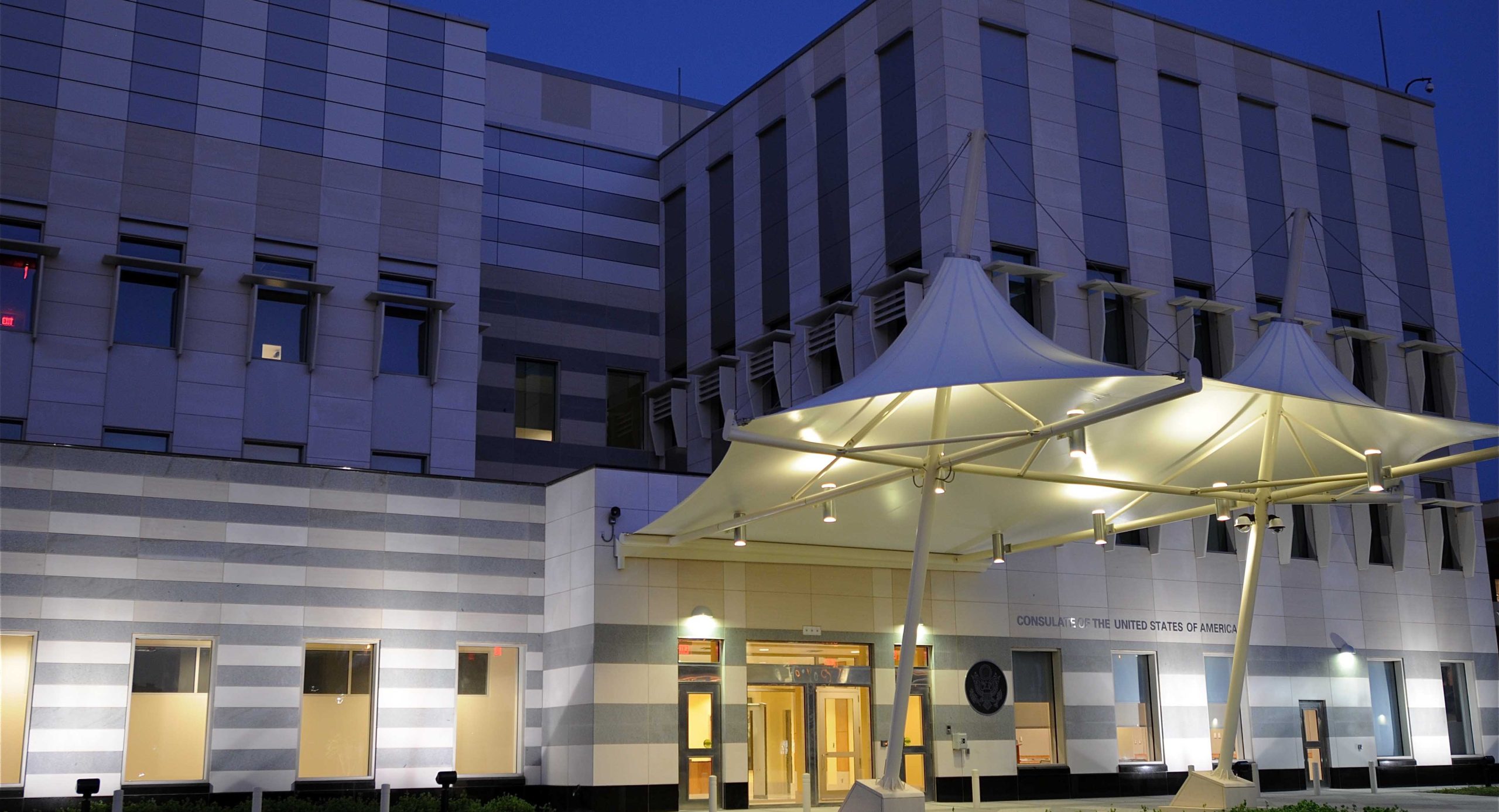
Dubai, United Arab Emirates – March 4, 2026 – Brussels Morning Newspaper — The US consulate in Dubai hit international headlines late Tuesday as regional tensions escalated following Israeli military strikes in Tehran and Beirut. Authorities confirmed heightened security measures around diplomatic facilities in Dubai after nearby impacts triggered emergency protocols. The developments quickly drew diplomatic engagement from global leaders concerned about further destabilization in the Middle East.
Security forces immediately reinforced the diplomatic district. Roads were temporarily restricted, surveillance increased, and rapid response units positioned throughout central Dubai. Officials confirmed there were no reported casualties at the diplomatic compound.
Heightened Security Measures Across Dubai
Following confirmation that the US consulate in Dubai hit had activated emergency safeguards, law enforcement agencies expanded patrol coverage around embassies and consulates. Officials emphasized that operations were precautionary.
Dubai’s airports, ports, financial markets, and tourism infrastructure remained fully operational. Authorities moved quickly to reassure international investors and residents that the situation was under control.
Residents described visible but orderly police activity. The emirate’s crisis response framework was activated within minutes, reflecting Dubai’s reputation for rapid coordination during security events.
Israeli Strikes Target Tehran
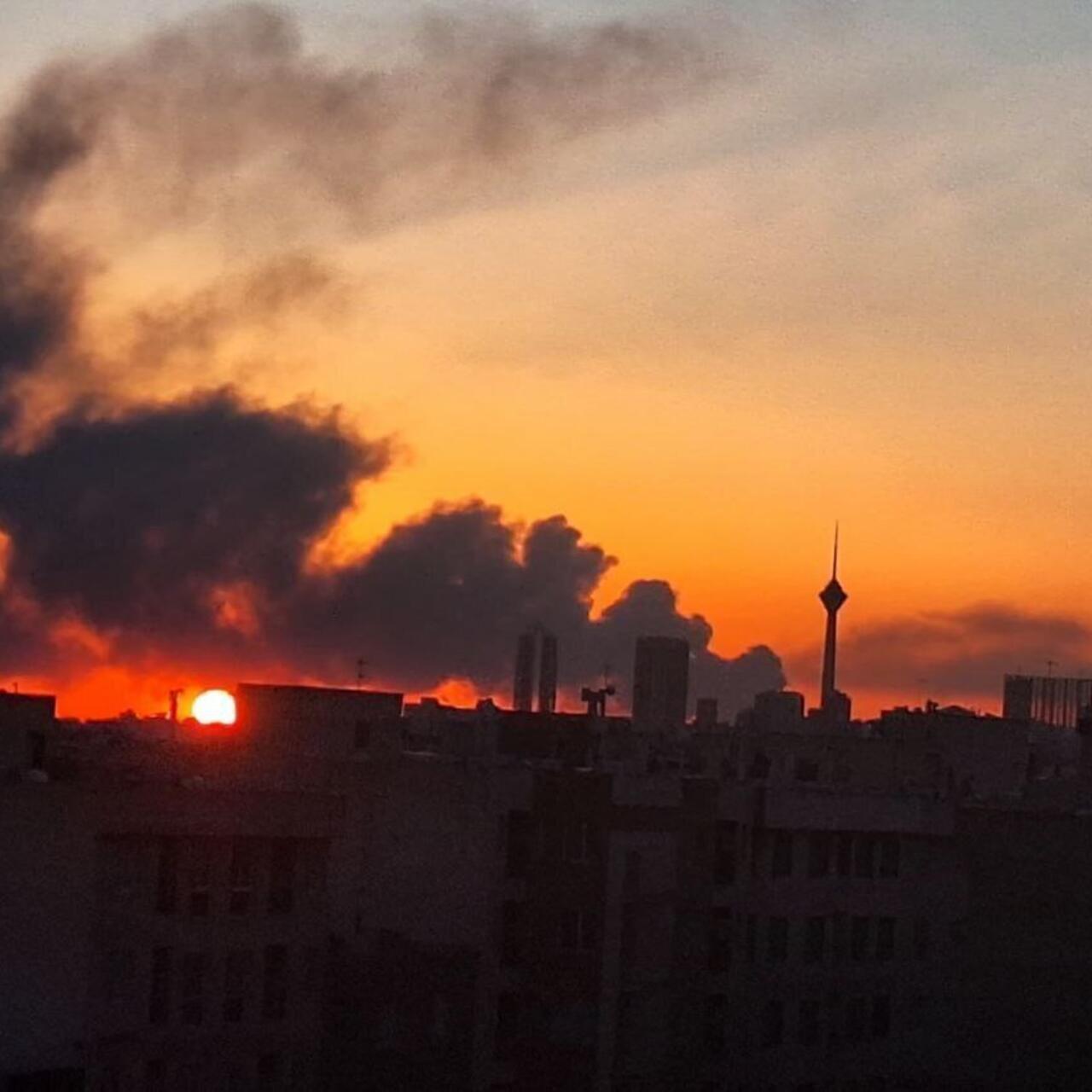
While Dubai strengthened security, Israeli defense officials confirmed targeted military operations inside Tehran. Explosions were observed in sections of the Iranian capital, with air defense systems responding throughout the night.
Israeli authorities described the strikes as limited and strategic. Iranian officials condemned the actions and signaled potential retaliation.
Analysts say the overlap between Israeli operations and the US consulate in Dubai hit development underscores the fragile state of regional deterrence dynamics.
Military Activity Extends to Beirut
Military action also extended into Beirut, where strikes targeted areas described as linked to armed factions. Lebanese officials condemned the operation and urged international intervention to prevent escalation.
Civilians in affected districts sought shelter during air defense activity. Humanitarian agencies reiterated calls for civilian protection.
The simultaneous timing of strikes across multiple capitals intensified global focus on the unfolding crisis.
Global Diplomatic Response
Emergency consultations were held between Washington and Gulf partners following confirmation that the US consulate in Dubai hit had triggered heightened alert levels.
A senior Gulf diplomat stated,
“Maintaining open channels of communication is essential to prevent miscalculation.”
A Western security analyst added,
“When diplomatic facilities are placed on high alert, it signals a significant shift in regional risk calculations.”
International leaders urged restraint while emphasizing adherence to international law.
Market and Energy Sector Reaction
Financial markets reacted within hours. Oil prices rose sharply amid concerns about supply chain disruptions. Global stock indices experienced volatility as investors evaluated geopolitical risk exposure.
Dubai’s financial regulators confirmed that trading systems remained stable. Shipping insurers reviewed risk premiums for Gulf transit routes.
The US consulate in Dubai hit incident amplified concerns about the broader impact on global energy markets.
Civilian Impact and Public Sentiment
In Dubai, daily life resumed quickly after security reinforcements. Residents expressed concern but noted that authorities maintained order.
In Tehran and Beirut, conditions were more tense. Overnight explosions and emergency sirens created anxiety among local populations.
While officials characterized operations as targeted, uncertainty surrounding potential retaliation contributed to heightened regional alertness.

Strategic Implications for Regional Stability
Security experts suggest the US consulate in Dubai hit situation illustrates how diplomatic facilities can become focal points during broader geopolitical confrontations.
Israel’s military calculus appears focused on deterrence. Iran’s leadership faces domestic and international pressures. Lebanon remains strategically sensitive within the regional equation.
Gulf states prioritize stability due to their economic centrality and global partnerships.
Historical Context of Diplomatic Security During Regional Escalations
Throughout modern Middle Eastern history, periods of military escalation have required reinforced diplomatic protections. Embassies and consulates often become symbols of international engagement during crises.
Past flashpoints demonstrate that safeguarding diplomatic missions is essential to preserving dialogue channels. The US consulate in Dubai hit development aligns with previous episodes where regional conflict intersected with diplomatic security concerns.
Historical precedent shows such moments often accelerate international mediation efforts.
Intelligence Coordination and Preventive Actions
Allied nations intensified intelligence sharing following the heightened alert tied to the US consulate in Dubai hit development.
Cybersecurity monitoring increased across Gulf states. Maritime patrols expanded near strategic waterways. Air defense systems remained on elevated readiness levels.
Officials consistently described these actions as preventive rather than reactive.
Political Pressures and Regional Calculations
Domestic political pressures influence decision-making across Israel, Iran, and Lebanon. Leaders balance strategic objectives with international diplomatic consequences.
Public messaging in multiple capitals emphasized sovereignty, deterrence, and national security.
The diplomatic sensitivity created by the US consulate in Dubai hit development adds complexity to regional negotiations.
Energy Security and Global Trade Implications
The Gulf region remains vital to global oil and gas supply. Even limited instability can influence pricing structures and investor sentiment.
Energy analysts noted that uncertainty often drives short-term price volatility, even when infrastructure remains intact.
Logistics companies and maritime operators monitored developments closely as markets adjusted to geopolitical risk.
International Law and Diplomatic Norms
Diplomatic missions are protected under established international conventions. Heightened alerts around consulates draw renewed attention to these frameworks.
Legal experts emphasize that protecting diplomatic premises is fundamental to crisis de-escalation.
Maintaining safe diplomatic channels remains essential during periods of military tension.
The Road Ahead for Dubai and the Region
Military forces across the region remain vigilant. Diplomatic efforts continue behind closed doors. Markets are watching for signs of stabilization.
Officials continue evaluating the broader implications of the US consulate in Dubai hit and related regional military activity.
The coming days will determine whether dialogue prevails over confrontation.
A Critical Juncture for Middle East Stability in 2026
The events unfolding in March 2026 mark a defining moment for regional geopolitics. The convergence of military operations and diplomatic security concerns has placed Dubai at the center of global attention.
Leaders now face a strategic choice between escalation and engagement. The international community remains focused on preventing further instability while preserving diplomatic pathways that could restore calm across the region.