Riyadh, Saudi Arabia – March 3, 2026 – Brussels Morning Newspaper confirms that the US embassy in Riyadh hit incident has intensified diplomatic tensions and heightened security protocols across the Middle East. Saudi authorities moved swiftly to secure the diplomatic quarter following the impact, while U.S. officials verified that embassy personnel were safe and emergency procedures were executed without delay. The event immediately triggered international reactions and prompted strategic consultations between Washington and Riyadh.
• Saudi security forces sealed the diplomatic district within minutes
• U.S. officials confirmed staff safety and structural assessments
• Regional and global leaders call for restraint
The US embassy in Riyadh hit development is being viewed as one of the most significant diplomatic security events in Saudi Arabia in recent years. Although early assessments indicate limited physical damage, the geopolitical symbolism carries considerable weight.
Immediate Security Lockdown in the Diplomatic Quarter
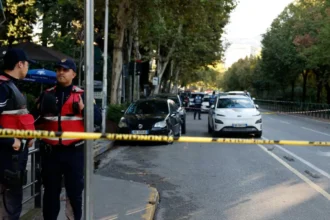
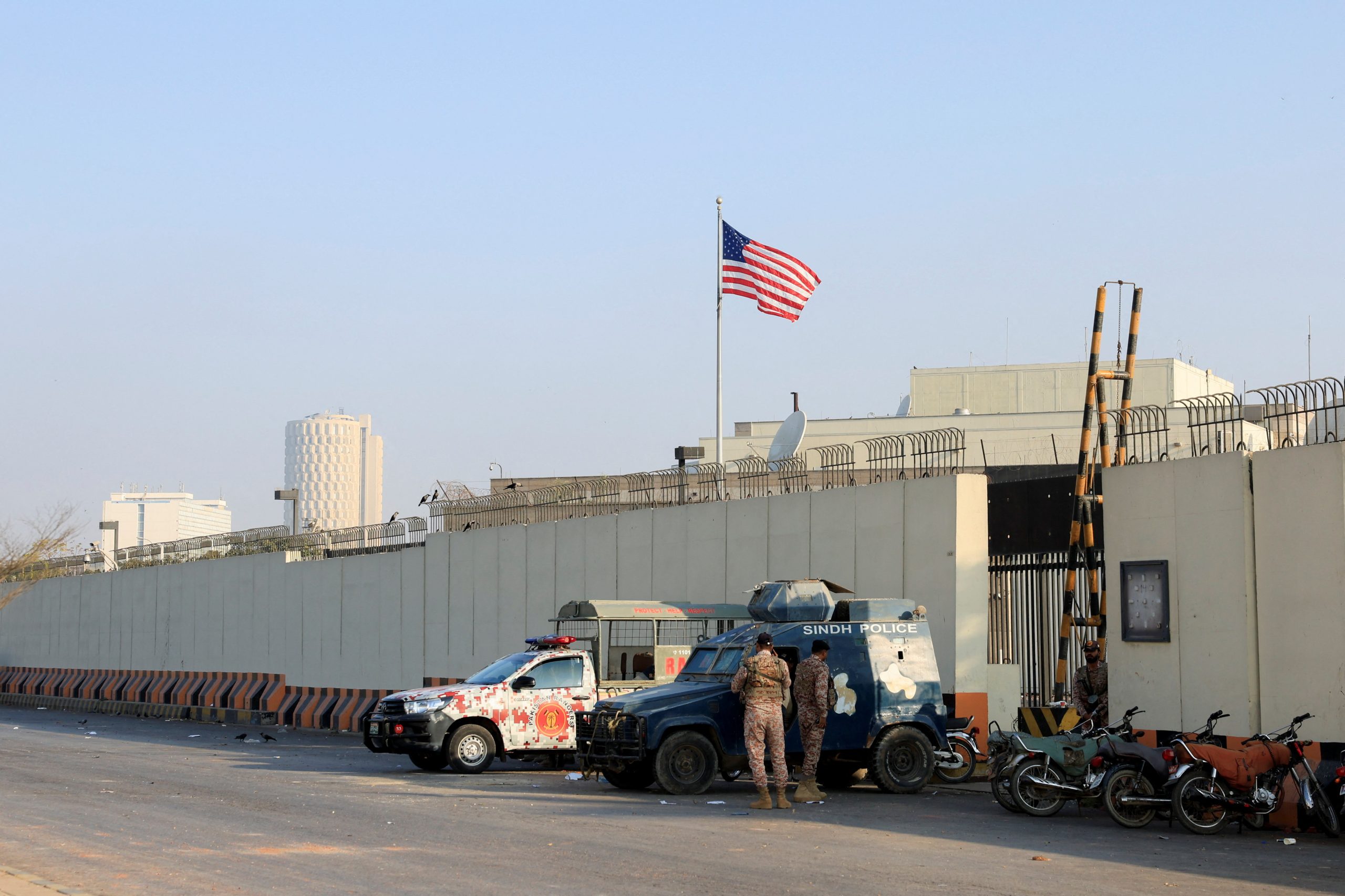
Saudi security services implemented rapid containment measures after confirmation that the US embassy in Riyadh hit. Roads surrounding the compound were temporarily closed, checkpoints were reinforced, and aerial surveillance increased across the area.
Officials indicated that established emergency response frameworks operated effectively. Embassy personnel were directed to secure zones within the compound while Saudi authorities coordinated perimeter protection.
Preliminary inspections suggest that structural impact was confined to an exterior section. Forensic teams are analyzing debris and reviewing radar and surveillance data to determine the source and trajectory involved.
The swift cooperation between Saudi and U.S. security teams reflects years of joint coordination on counterterrorism and diplomatic protection strategies.
Diplomatic Engagement Between Washington and Riyadh
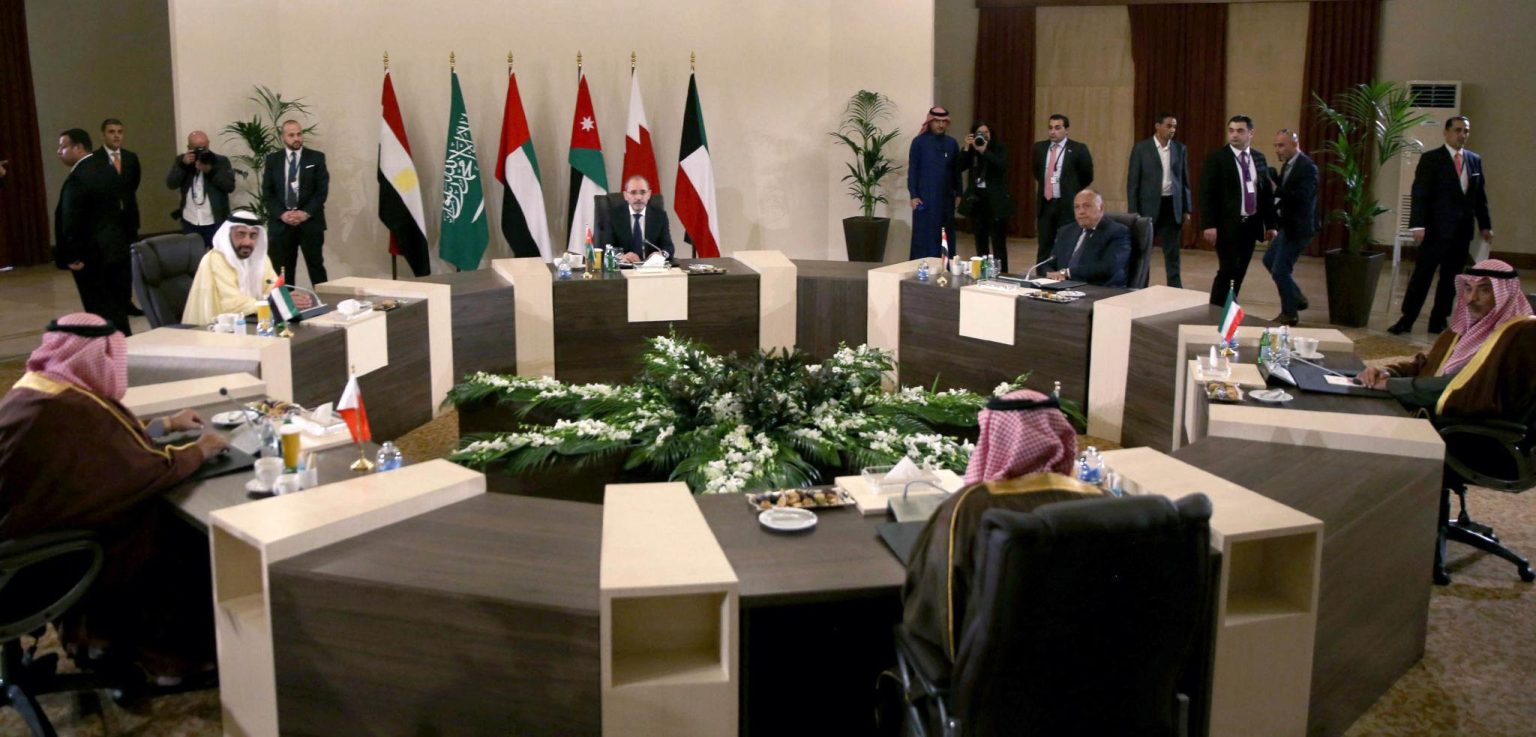
Following confirmation that the US embassy in Riyadh hit, senior officials in both governments initiated immediate communication. Diplomatic channels were activated to ensure transparency and prevent misinterpretation of events.
Saudi leadership condemned the attack and reaffirmed its obligation to safeguard foreign missions operating within the kingdom. U.S. officials emphasized the importance of upholding international law and protecting diplomatic facilities worldwide.
A senior U.S. official stated,
“Diplomatic missions must remain protected spaces under international law, and accountability for any violation is essential.”
The coordinated tone from both capitals signals a shared commitment to preventing escalation.
Regional Political Landscape and Heightened Sensitivities
The Middle East remains a region marked by complex alliances, security rivalries, and shifting strategic priorities. The US embassy in Riyadh hit occurred amid broader regional tension, increasing the significance of the event.
Neighboring Gulf states expressed solidarity with Saudi Arabia and the United States. Several governments issued statements urging calm and emphasizing dialogue over confrontation.
Security analysts note that diplomatic compounds often become symbolic targets during periods of geopolitical strain. The timing of the incident has therefore intensified scrutiny.
Security Architecture of Modern Diplomatic Missions
Embassies today are designed with layered security measures, including reinforced perimeters, controlled access systems, and integrated surveillance networks. The incident involving the US embassy in Riyadh hit highlights both the strengths and limitations of modern security frameworks.
Under the Vienna Convention on Diplomatic Relations, host nations are required to protect diplomatic premises. Saudi Arabia’s rapid mobilization demonstrates adherence to this obligation.
However, experts argue that emerging technologies such as drones and precision munitions continue to challenge traditional defense strategies. Continuous adaptation remains critical.
Economic and Energy Market Response
Saudi Arabia plays a central role in global energy markets. When news emerged that the US embassy in Riyadh hit, financial markets reacted cautiously.
Oil prices experienced temporary fluctuations as investors evaluated geopolitical risk. Analysts described the movement as precautionary rather than structural, given that no energy infrastructure was damaged.
Saudi officials reassured global partners that production and export facilities remain fully operational. Market stabilization followed shortly after official confirmations.
Nevertheless, prolonged instability in the Gulf region can influence long term investor sentiment.
Intelligence and Investigative Efforts Underway
Joint investigative teams from Saudi and U.S. authorities are analyzing evidence related to how the US embassy in Riyadh hit occurred. Intelligence agencies are examining communications intercepts, radar data, and physical fragments recovered from the scene.
Officials have not publicly attributed responsibility. Transparency remains central to maintaining diplomatic stability during the investigative phase.
Analysts caution against premature conclusions, emphasizing that verified information must guide diplomatic responses.
Public Confidence and Domestic Stability
Within Riyadh, daily life gradually returned to normal following the temporary security lockdown. Residents expressed concern but also confidence in local institutions.
Authorities provided regular updates to prevent misinformation from spreading online. Maintaining public calm has been a priority.
The diplomatic quarter reopened after safety inspections confirmed that no additional threats were present.
Strategic Implications for U.S.–Saudi Relations
The bilateral relationship between the United States and Saudi Arabia spans defense cooperation, energy collaboration, and economic investment. The US embassy in Riyadh hit tests the resilience of this partnership.
Observers anticipate expanded intelligence sharing and enhanced security upgrades at sensitive installations. Both governments appear committed to reinforcing cooperation rather than allowing the incident to create division.
Joint statements emphasize stability and mutual interest in preventing further escalation.
Historical Context of Diplomatic Targeting
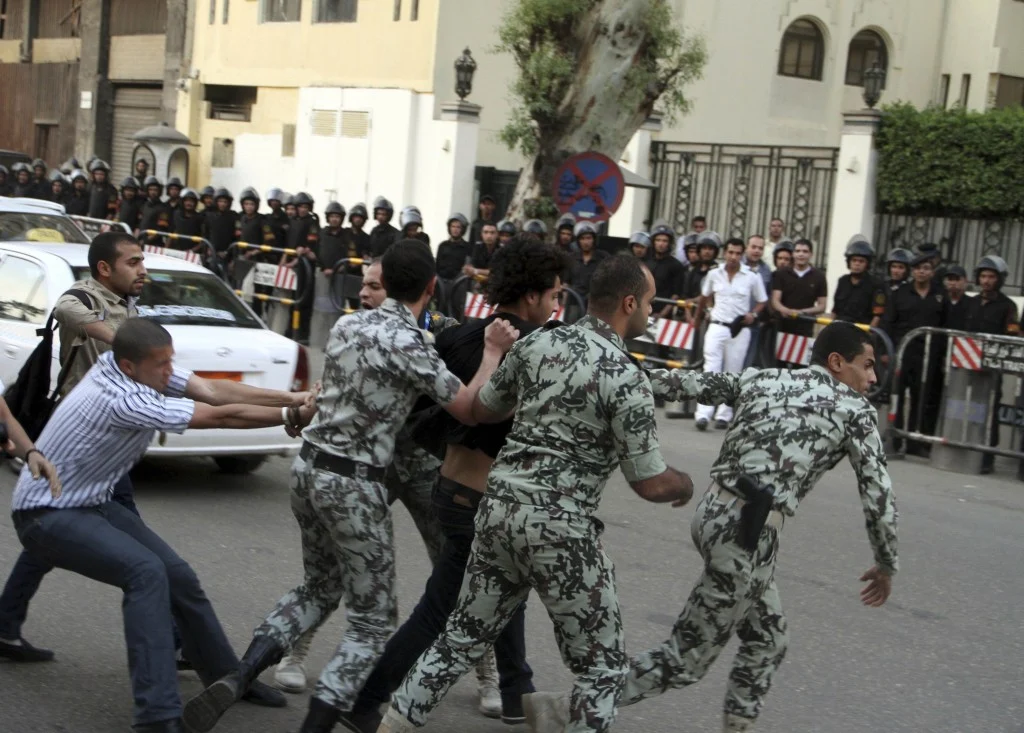
Throughout modern geopolitical history, diplomatic facilities have occasionally been targeted during periods of regional unrest. Such actions often aim to convey political messaging rather than achieve tactical military objectives.
The episode in which the US embassy in Riyadh hit fits within this broader historical pattern. Previous incidents worldwide demonstrate that swift diplomatic engagement can prevent isolated events from escalating.
However, the unique dynamics of the Middle East require careful management to avoid unintended consequences.
International Law and Normative Boundaries
Attacks on diplomatic facilities violate established international norms. Legal experts emphasize that accountability mechanisms exist within multilateral frameworks.
If responsibility is determined, diplomatic consequences could include sanctions or coordinated international measures.
The global community is monitoring developments closely, reinforcing the principle that diplomatic missions must remain secure and respected.
Media Responsibility in Times of Crisis
Accurate information remains essential during sensitive geopolitical moments. Officials have urged media outlets to verify details before publication and avoid amplifying speculation.
In a digital environment where misinformation spreads rapidly, responsible journalism contributes to stability.
Clear, factual communication from authorities has played a role in maintaining public confidence following confirmation that the US embassy in Riyadh hit.
Regional Stability at a Crossroads
The coming weeks will determine whether the US embassy in Riyadh hit becomes a contained incident or a catalyst for broader diplomatic recalibration.
Saudi Arabia’s prompt security measures and transparent communication have limited immediate fallout. Nonetheless, symbolic implications persist.
Diplomatic engagement and investigative clarity will shape the trajectory of regional relations moving forward.
When Diplomacy Faces Sudden Disruption
Moments like the US embassy in Riyadh hit underscore the fragile balance within global diplomacy. Even in cities known for stability, geopolitical tensions can manifest unexpectedly.
The event highlights the importance of preparedness, cooperation, and adherence to international law.
As investigations proceed and diplomatic consultations continue, global stakeholders share a common objective: safeguarding diplomatic institutions while preventing escalation in a region central to global security and energy stability.