
Black Sea Region, January, 2026 — Brussels Morning Newspaper highlights how mounting maritime insecurity has pushed Black Sea oil tankers into the global spotlight as a series of drone attacks and a sharp decline in Kazakh oil output converge to threaten one of the world’s most strategically important energy corridors. As 2026 unfolds, these developments are reshaping energy markets, regional security calculations, and diplomatic priorities far beyond the Black Sea basin.
Strategic Importance of the Black Sea Energy Corridor
The Black Sea has long served as a vital maritime bridge between energy producers in Eastern Europe and Central Asia and consumers across Europe and beyond. Crude oil and refined products transit daily through its waters, making stability in the region essential for predictable global supply.
Disruption to shipping routes reverberates quickly through international markets. Recent incidents involving Black Sea oil tankers have underscored just how exposed this corridor is to emerging security threats, particularly as modern conflicts increasingly target economic infrastructure.
Drone Attacks Signal a New Phase of Maritime Risk
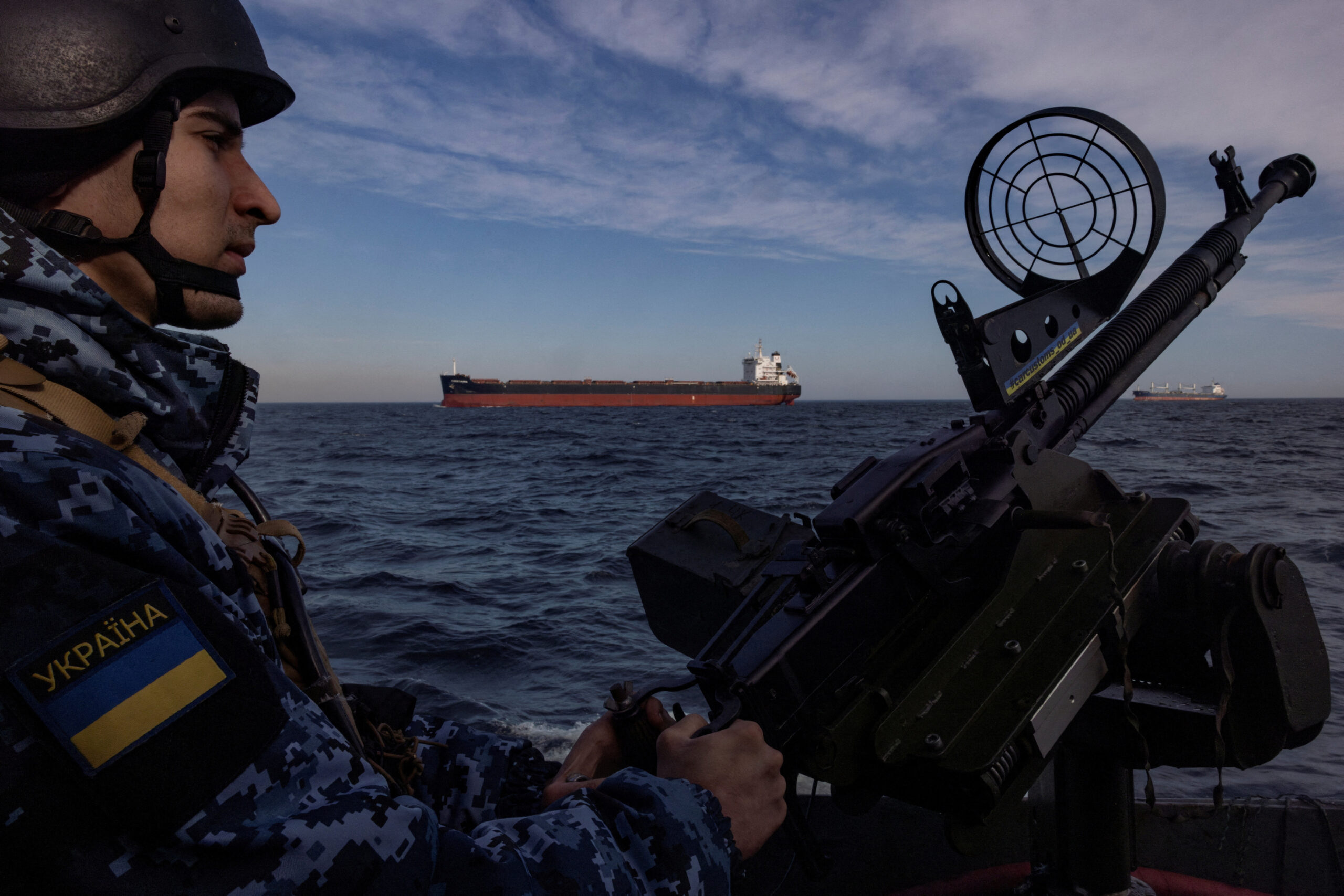
The recent drone strikes on three commercial vessels marked a significant escalation in tactics. Maritime officials described the attacks as precise and coordinated, suggesting access to intelligence and advanced targeting capabilities.
While crews escaped injury, the damage forced temporary suspensions and heightened alert levels across shipping operators. Security experts say attacks on Black Sea oil tankers illustrate how unmanned systems are lowering the barrier for disruption, allowing relatively small actors to generate global consequences.
Kazakh Production Decline Intensifies Market Pressure
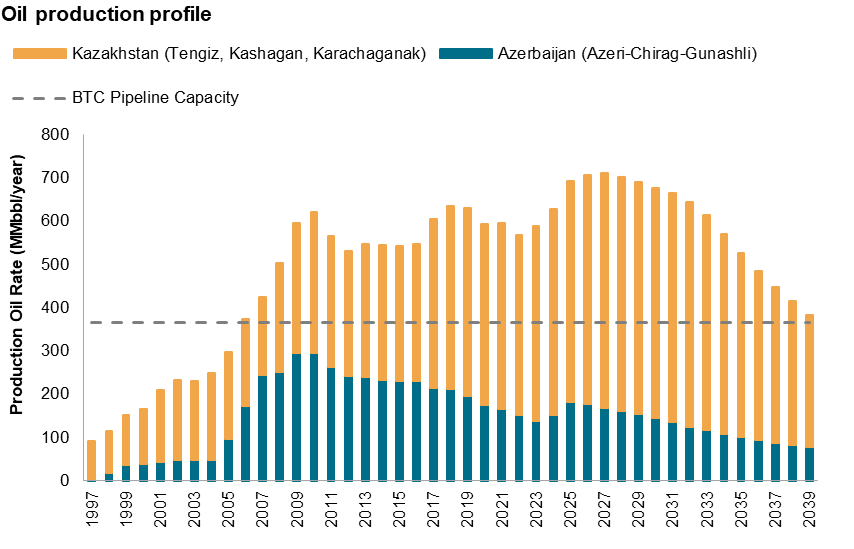
Compounding maritime insecurity, oil production in Kazakhstan has fallen by an estimated 35 percent, according to industry sources. Maintenance challenges, export bottlenecks, and heightened transit risks all contributed to the decline.
Kazakhstan depends heavily on maritime export routes to reach international markets. Analysts warn that reduced output combined with threats to Black Sea oil tankers could tighten supply more sharply than previously forecast, particularly if disruptions persist.
Market Response and Price Volatility
Energy markets reacted cautiously but decisively. Crude prices edged higher as traders reassessed risk, while shipping and insurance costs climbed in response to perceived danger along Black Sea routes.
Market analysts note that even limited incidents involving Black Sea oil tankers can have an out sized psychological impact. Delays, rerouting, and precautionary shutdowns often amplify volatility well beyond the immediate physical damage.
Insurance and Shipping Industry Adjustments
Marine insurers moved quickly to reassess war-risk premiums for vessels operating in the region. Higher insurance costs are already feeding into freight rates, increasing the overall cost of moving oil.
Shipowners face difficult operational choices, balancing contractual obligations against crew safety and financial exposure. The growing risk profile surrounding Black Sea oil tankers has become central to charter negotiations and route planning.
Naval Presence and Security Coordination
In response to rising threats, naval forces operating in the Black Sea have increased patrols and surveillance activities. Coordination between regional navies and commercial operators has intensified, focusing on early warning and rapid response.
Experts emphasize that protecting Black Sea oil tankers will require sustained cooperation, improved intelligence sharing, and adaptation to drone-centric threats that challenge traditional maritime defenses.
European Energy Security Under Strain
European governments are closely monitoring developments, particularly as the region remains sensitive to supply disruptions. Many countries have worked to diversify energy sources in recent years, yet the Black Sea remains a critical artery.
A prolonged security crisis affecting Black Sea oil tankers could complicate winter supply planning, strain reserves, and renew debates over strategic stockpiles and alternative import routes.
Geopolitical Dimensions of Energy Disruption
Energy infrastructure has increasingly become entangled in broader geopolitical rivalries. Attacks on commercial shipping blur the line between military and economic targets, raising the stakes for regional stability.
One regional security expert observed,
“When energy routes are targeted, the impact extends far beyond the immediate area, affecting diplomacy, markets, and public confidence.”
This assessment captures the wider implications of sustained pressure on Black Sea oil tankers.
Technological Evolution of Maritime Threats
The use of drones reflects a broader transformation in conflict dynamics. Low-cost, high-impact technologies allow actors to challenge conventional security models, particularly in congested maritime environments.
Countering threats to Black Sea oil tankers will likely require investment in advanced detection systems, electronic countermeasures, and integrated public-private security frameworks.
Operational Impact on Producers and Exporters
For oil producers and exporters, uncertainty complicates planning and investment. Reduced output, higher transport costs, and delivery delays affect revenues and long-term strategy.
Industry executives caution that prolonged disruption to Black Sea oil tankers could force difficult decisions, including production cuts or acceptance of discounted pricing to offset risk.
Supply Chain Ripple Effects
Beyond oil markets, disruptions affect refineries, logistics providers, and end consumers. Delayed shipments can alter refinery runs and fuel availability, with knock-on effects for transportation and industry.
Analysts stress that vulnerabilities exposed by threats to Black Sea oil tankers highlight broader fragilities in global supply chains already strained by geopolitical tension and economic uncertainty.
Diplomatic Efforts and Risk Mitigation
Governments are weighing diplomatic channels alongside security measures to prevent further escalation. Confidence-building initiatives and communication mechanisms are viewed as essential to reducing miscalculation.
While military deterrence plays a role, many policymakers argue that long-term stability for Black Sea oil tankers depends on broader regional de-escalation and political dialogue.
Long-Term Implications for Global Energy Trade
Repeated disruptions could accelerate structural shifts in energy trade, including diversification of routes and investment in alternative infrastructure. Such changes are costly and take time, but repeated risk may justify the expense.
Energy strategists note that sustained pressure on Black Sea oil tankers could reshape trade flows, influencing investment decisions for years to come.
Outlook for the Remainder of 2026
As the year progresses, the Black Sea’s role as an energy corridor faces continued uncertainty. Stakeholders across government and industry are racing to adapt to evolving threats while maintaining supply reliability.
Whether coordinated security measures and diplomatic efforts can stabilize conditions for Black Sea oil tankers will play a decisive role in shaping market confidence, regional stability, and global energy security through 2026 and beyond.