Lebanon airstrikes intensify in Beirut in 2026, leaving multiple casualties and raising fears of wider conflict.
Officials confirm senior figures among the dead as cross border tensions deepen.
Global leaders urge restraint to prevent further regional instability.
BEIRUT, Lebanon — February 21, 2026 — Brussels Morning Newspaper — Lebanon airstrikes have intensified across Beirut and southern regions, marking one of the most serious escalations of 2026. Officials confirmed multiple fatalities, including a senior Hezbollah figure, as cross border tensions surged and fears of broader confrontation deepened.
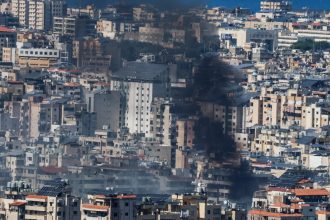
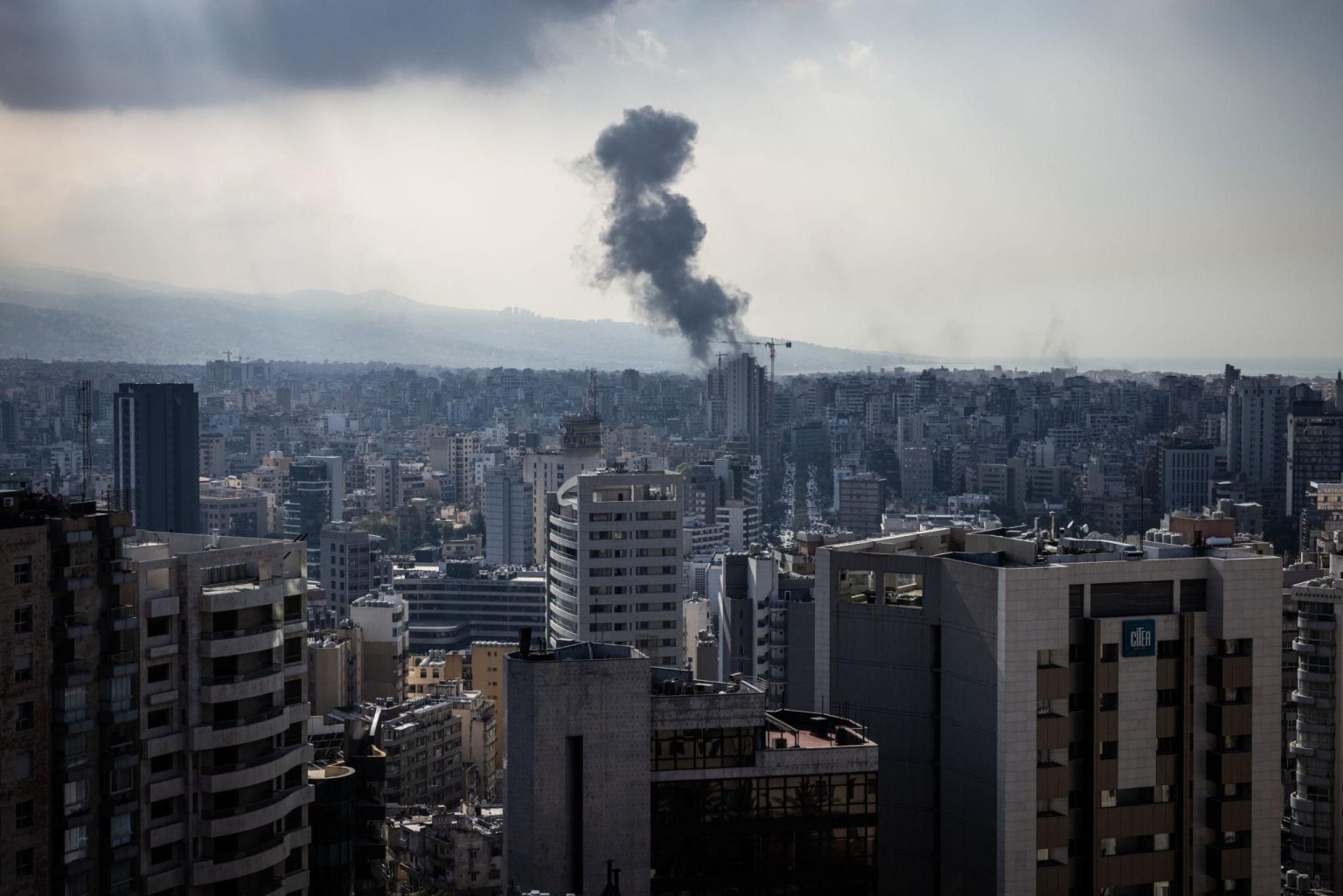
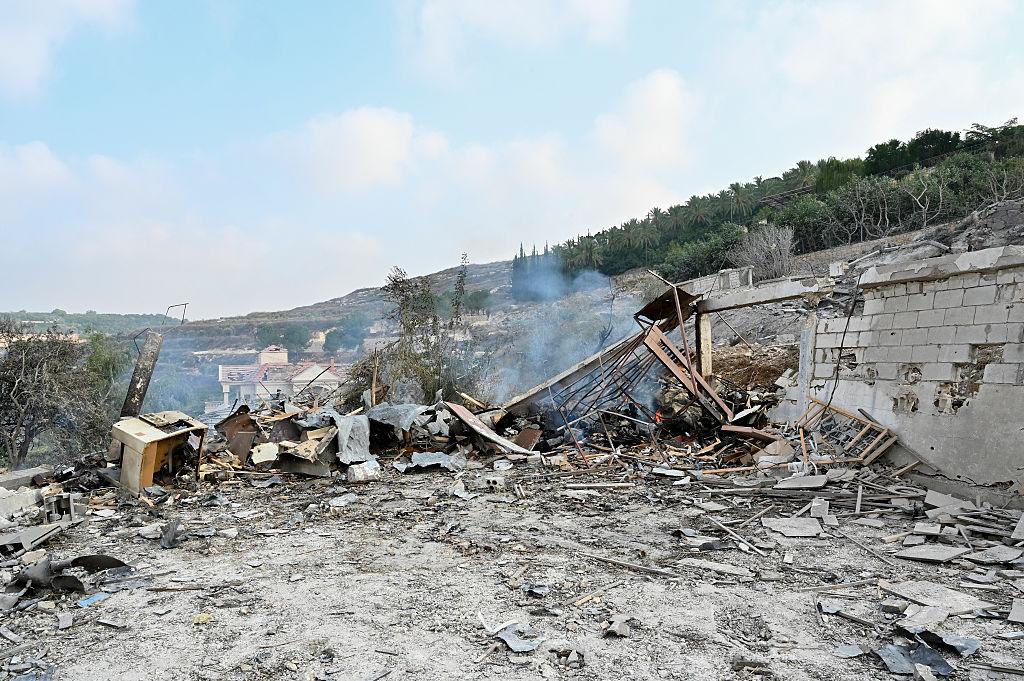
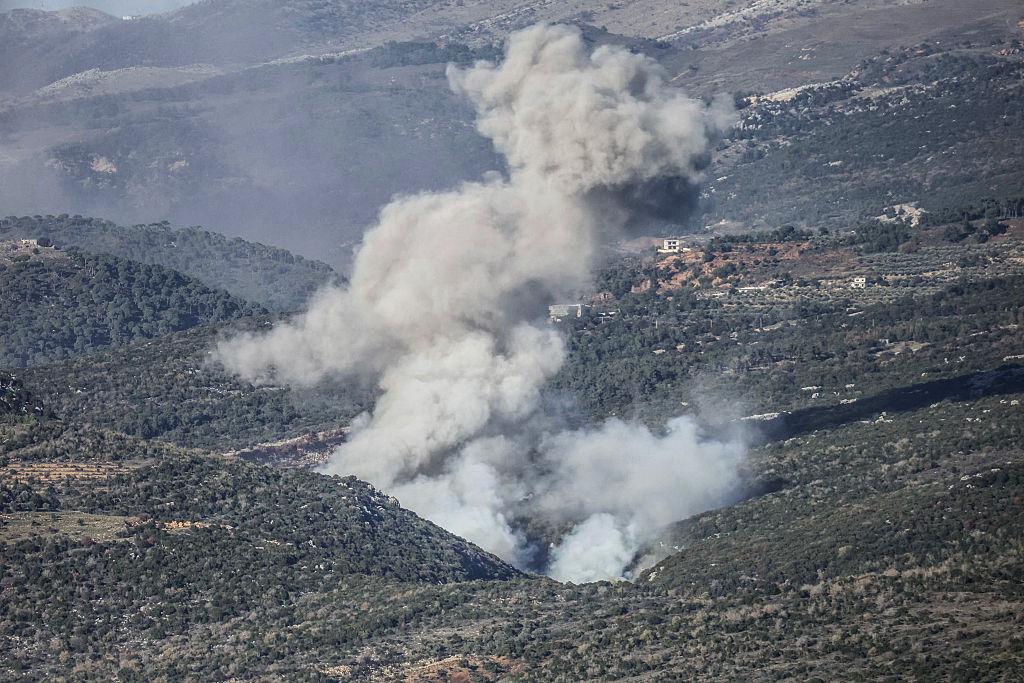
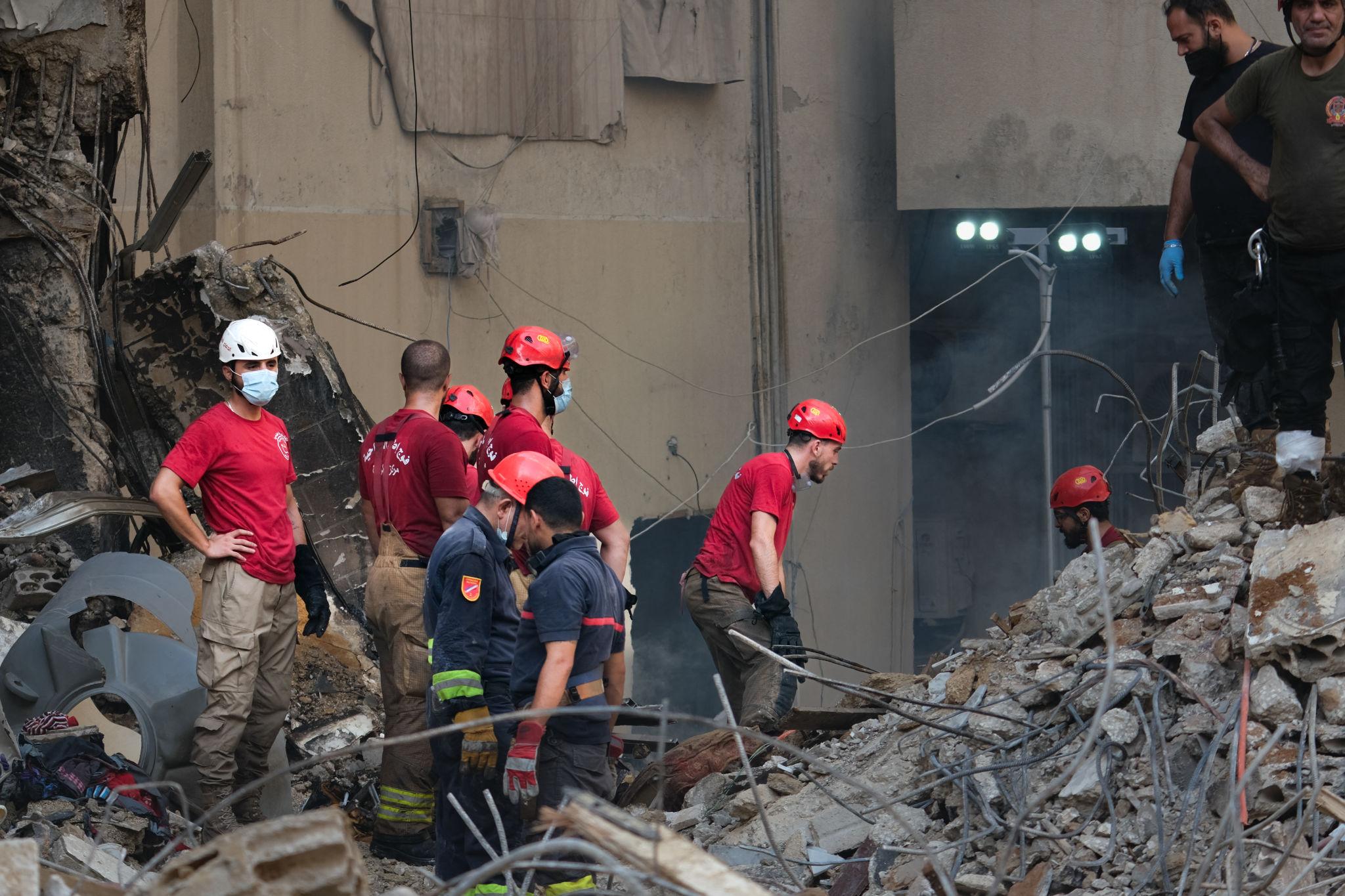
Emergency crews operated overnight in densely populated neighborhoods. Smoke rose over parts of the capital as residential and strategic locations sustained damage. Hospitals across Beirut reported an influx of injured civilians while security forces secured affected districts.
The latest Lebanon airstrikes represent a pivotal moment in a conflict that has steadily evolved throughout the year. Analysts warn that the coming days may determine whether the situation stabilizes or spirals further.
Immediate Impact on Civilian Areas
Residents described powerful explosions that shook apartment buildings shortly after midnight. Windows shattered across several districts, and power outages followed in parts of southern Beirut.
Civil defense teams cleared debris and searched for survivors through the early morning hours. Lebanese authorities confirmed that emergency services remained on high alert amid concerns of additional strikes.
The Lebanon airstrikes disrupted transportation routes and forced temporary school closures. Businesses in affected neighborhoods shuttered as families sought safer areas outside targeted zones.
Senior Hezbollah Figure Among the Dead
Local officials confirmed that a senior Hezbollah leader was killed during the operation. Security sources indicated the individual was believed to be involved in cross border coordination efforts.
A regional security analyst said,
“Targeted operations like this signal a calculated attempt to shift the strategic balance without triggering full scale war.”
The comment highlights the delicate calculations shaping decisions on both sides.
The death of a high ranking figure could influence internal dynamics within Hezbollah. Observers caution that leadership losses often provoke retaliatory measures, adding to volatility.
The Lebanon airstrikes targeting senior leadership underline the seriousness of the escalation and the precision of the operation.
Escalation Along the Border
Cross border exchanges have intensified since early 2026. Sporadic rocket launches and retaliatory actions have gradually raised tensions.
Military officials in Israel stated that the strikes were designed to neutralize imminent threats. Lebanese leaders condemned the actions, calling them violations of sovereignty and warning of consequences.
The Lebanon airstrikes underscore how quickly limited engagements can escalate into broader security crises. Both sides face pressure from domestic audiences demanding strength and deterrence.
Humanitarian Strain and Public Anxiety
Hospitals reported dozens of injuries, with medical teams working under significant strain. Aid organizations emphasized the importance of protecting civilians under international humanitarian standards.
One Beirut resident described the night’s events, saying,
“We woke to explosions and fear, not knowing whether the next strike would be closer.”
The statement reflects the anxiety felt by communities near flashpoints.
Displacement remains a growing concern. Families in southern districts have temporarily relocated to relatives’ homes in safer regions. Lebanon airstrikes have compounded challenges in a country already facing economic hardship.
International Diplomatic Response
Global leaders responded swiftly to the escalation. The United Nations called for maximum restraint and renewed dialogue.
European governments expressed concern about potential spillover effects across the region. Energy markets reacted cautiously amid fears of supply disruptions.
Diplomatic channels reportedly remain active. International mediators are working to prevent further escalation and restore calm along the border.
The Lebanon airstrikes have once again drawn global focus to one of the Middle East’s most volatile frontiers.
Internal Political Pressure in Lebanon
Lebanon’s leadership confronts significant internal challenges. Economic fragility and political divisions complicate decision making during security crises.
Public demonstrations emerged in parts of Beirut following the strikes. Political figures urged unity while emphasizing the need for measured responses.
Analysts suggest that maintaining domestic stability may prove as critical as managing external threats.
Military Strategy and Calculated Deterrence
Defense experts note that precision targeting reflects advancements in intelligence gathering and operational planning.
The Lebanon airstrikes appear aimed at disrupting networks rather than launching a broad campaign. However, experts warn that even limited operations carry unpredictable consequences.
A senior diplomatic official observed,
“Escalation can occur through miscalculation rather than intent.”
This warning underscores the risks inherent in high tension environments.
Strategists emphasize that the next 48 to 72 hours will likely shape the conflict’s trajectory.
Decades of Confrontation and Ceasefire Cycles
The Israeli Lebanese border has witnessed repeated cycles of escalation and ceasefire over decades. Periodic confrontations have alternated with uneasy truces brokered by international actors.
Previous conflicts demonstrated how targeted operations can shift power dynamics while also intensifying grievances. Agreements have temporarily restored calm, yet underlying mistrust persists.
The current Lebanon airstrikes echo past episodes in which limited engagements threatened to expand rapidly. Understanding this history provides context for today’s developments.
Economic and Regional Stability Concerns
Lebanon’s fragile economy faces further strain as instability discourages investment and tourism.
Regional markets reacted cautiously to news of the escalation. Analysts warn that prolonged tension could affect energy pricing and cross border trade routes.
Lebanon airstrikes not only influence military dynamics but also carry economic implications for neighboring states.
Diplomatic Pathways Forward
Behind closed doors, diplomatic actors are exploring de escalation strategies. Communication channels between regional powers remain open, though progress appears limited.
Confidence building measures, including indirect negotiations and international mediation, may help contain further violence.
The Lebanon airstrikes have renewed urgency for sustainable diplomatic solutions that address both immediate security concerns and long term political grievances.
A Defining Moment for 2026
As Beirut assesses the damage and mourns those lost, leaders confront difficult choices. The Lebanon airstrikes represent more than isolated incidents; they signal a potential turning point.
Regional stability depends on measured decisions and effective diplomacy. The coming days will determine whether tensions subside or intensify.
Communities across Lebanon seek reassurance that calm can prevail over confrontation. The world watches closely as 2026 unfolds.