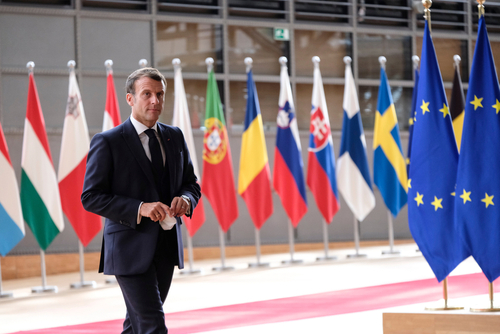
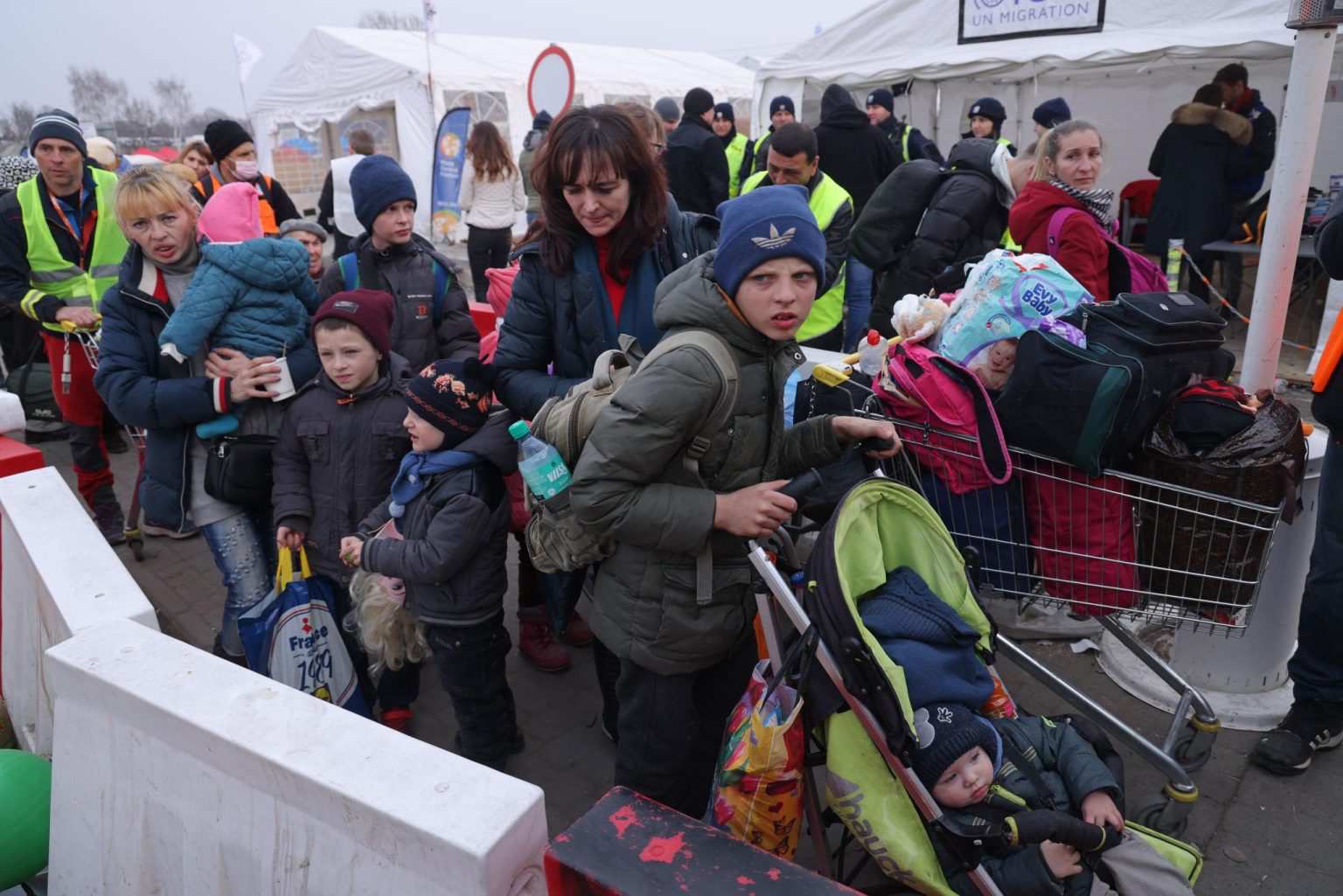
Millions of displaced Ukrainians remain under temporary protection across the EU.
Brussels debates long term solutions as the war continues into 2026.
Economic integration, housing pressure and legal clarity dominate policy talks.
Brussels, February 21 2026 — Ukrainian refugees Europe remain central to policy discussions as European institutions evaluate the next phase of protection and integration efforts. According to information presented this week in Brussels, millions of displaced individuals continue to live under temporary protection frameworks introduced in 2022. Brussels Morning Newspaper confirms that 2026 marks a pivotal year for determining whether these temporary measures evolve into longer term residency pathways or remain transitional safeguards.
Across member states, national governments are balancing solidarity with domestic economic pressures. The humanitarian response that defined the early months of displacement has shifted toward structural integration planning. Families who fled conflict now seek stability, employment recognition, housing security and clarity about their legal future.
Scale and Demographic Impact Across the EU
The arrival of Ukrainian refugees Europe reshaped migration patterns in multiple member states. Poland, Germany, the Czech Republic, Italy and France collectively host large populations under temporary protection. While initial arrivals were concentrated along border states, secondary migration redistributed families across urban centers.
Demographic shifts have influenced school enrollments, labor markets and housing demand. In several cities, Ukrainian language support services expanded rapidly to accommodate children and families. Municipal authorities adapted transportation systems, healthcare access points and social assistance frameworks.
The European Commission continues to coordinate funding allocations to support local administrations. Officials emphasize that the displacement response remains one of the most unified humanitarian efforts in recent EU history.
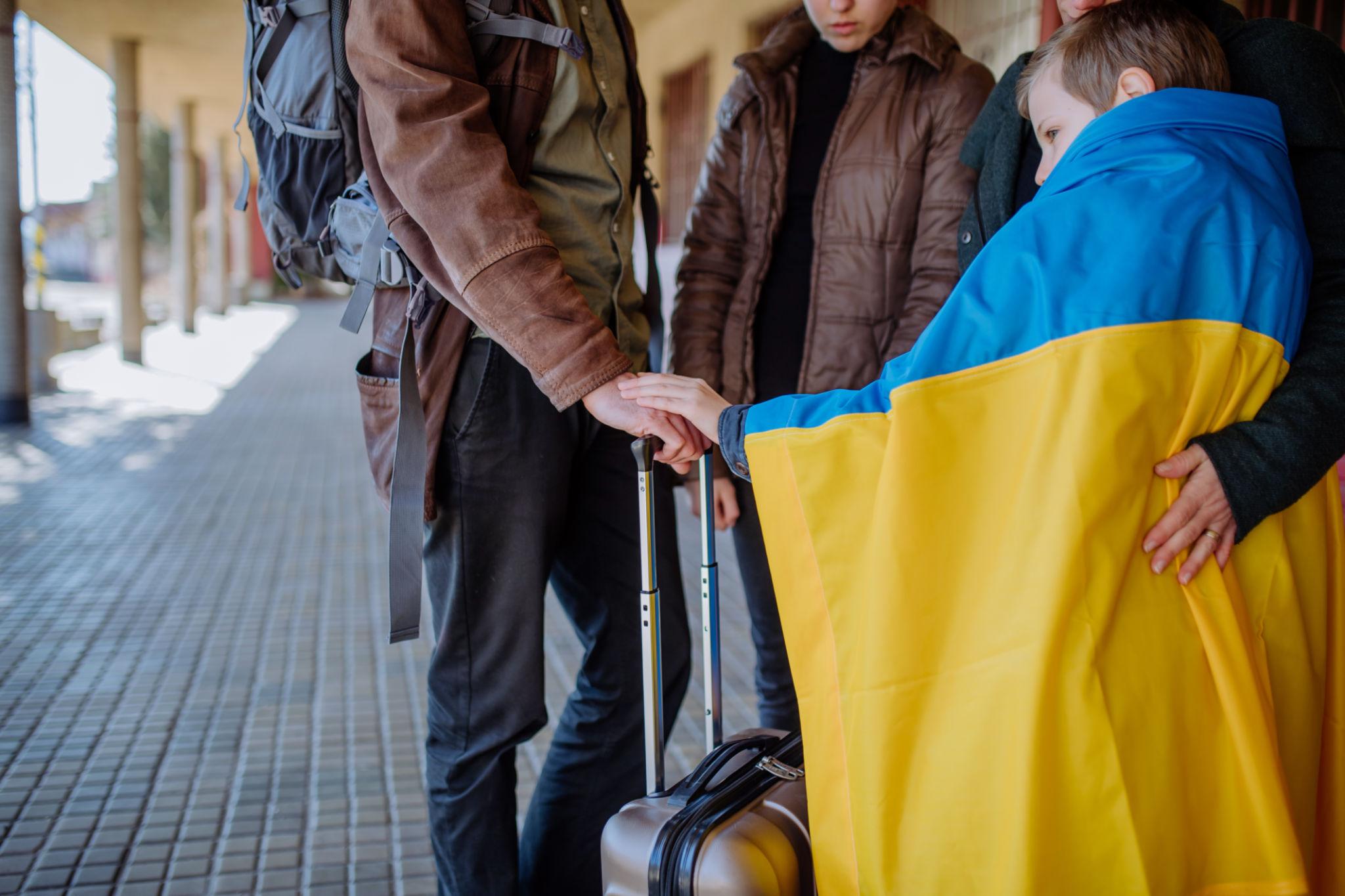
Legal Framework Under Temporary Protection
The legal foundation supporting Ukrainian refugees Europe stems from the Temporary Protection Directive activated for the first time in 2022. The directive provides residence rights, work authorization, healthcare access and education without requiring individual asylum claims.
In 2026, policymakers face the question of extension versus transition. Repeated short term renewals create uncertainty for families planning careers or educational pathways. At the same time, automatic permanent residency raises political and administrative considerations among member states.
A senior EU migration official stated,
“The objective is to maintain stability while ensuring that any transition respects both humanitarian principles and national legal frameworks.”
This reflects ongoing negotiations in Brussels regarding harmonized policy options.
Housing Pressure and Urban Strain
Housing markets across Europe have felt sustained pressure since the initial influx. Early solidarity campaigns enabled families to stay with volunteers. As displacement extended into multiple years, rental demand intensified in metropolitan areas.
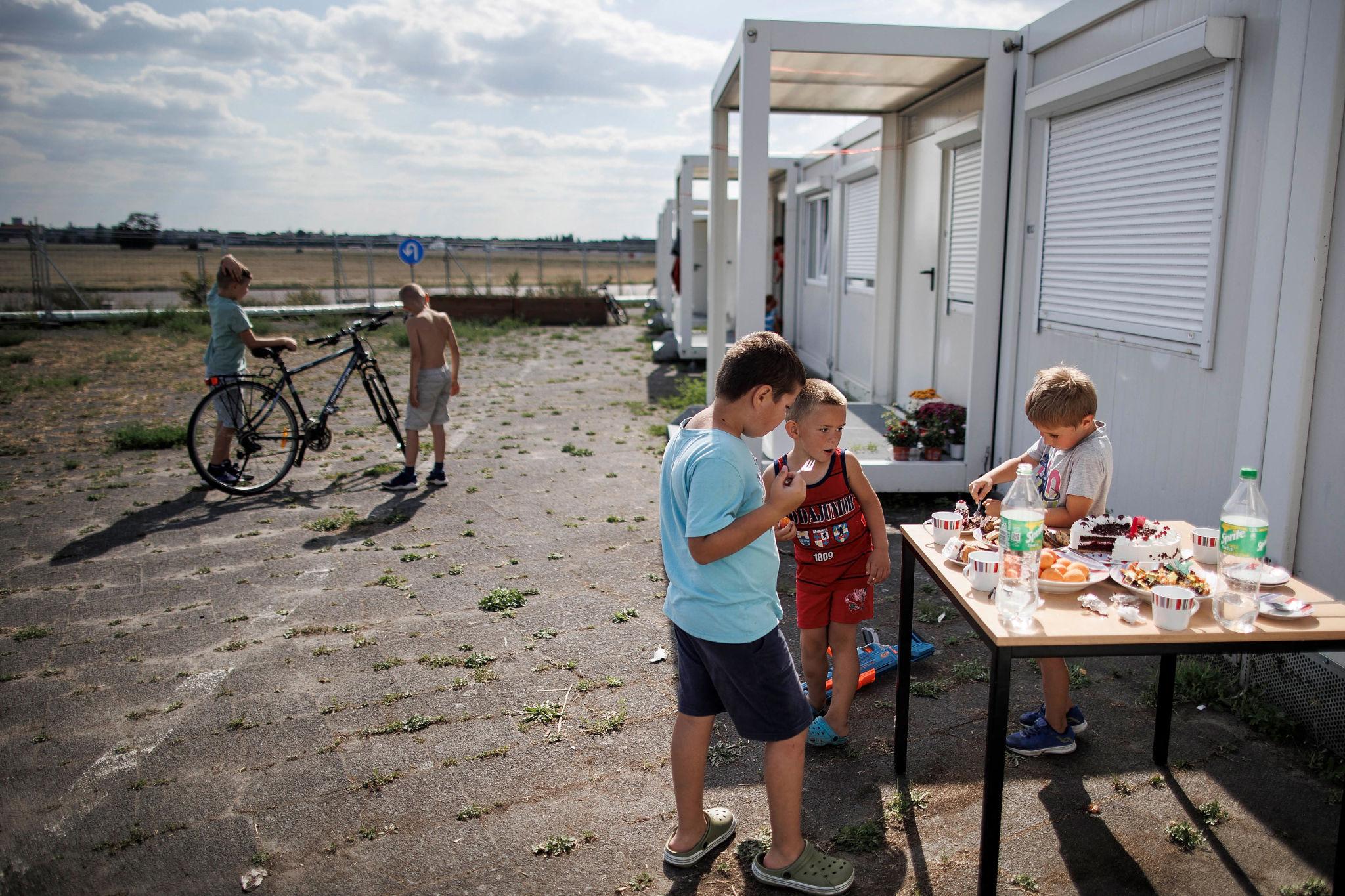
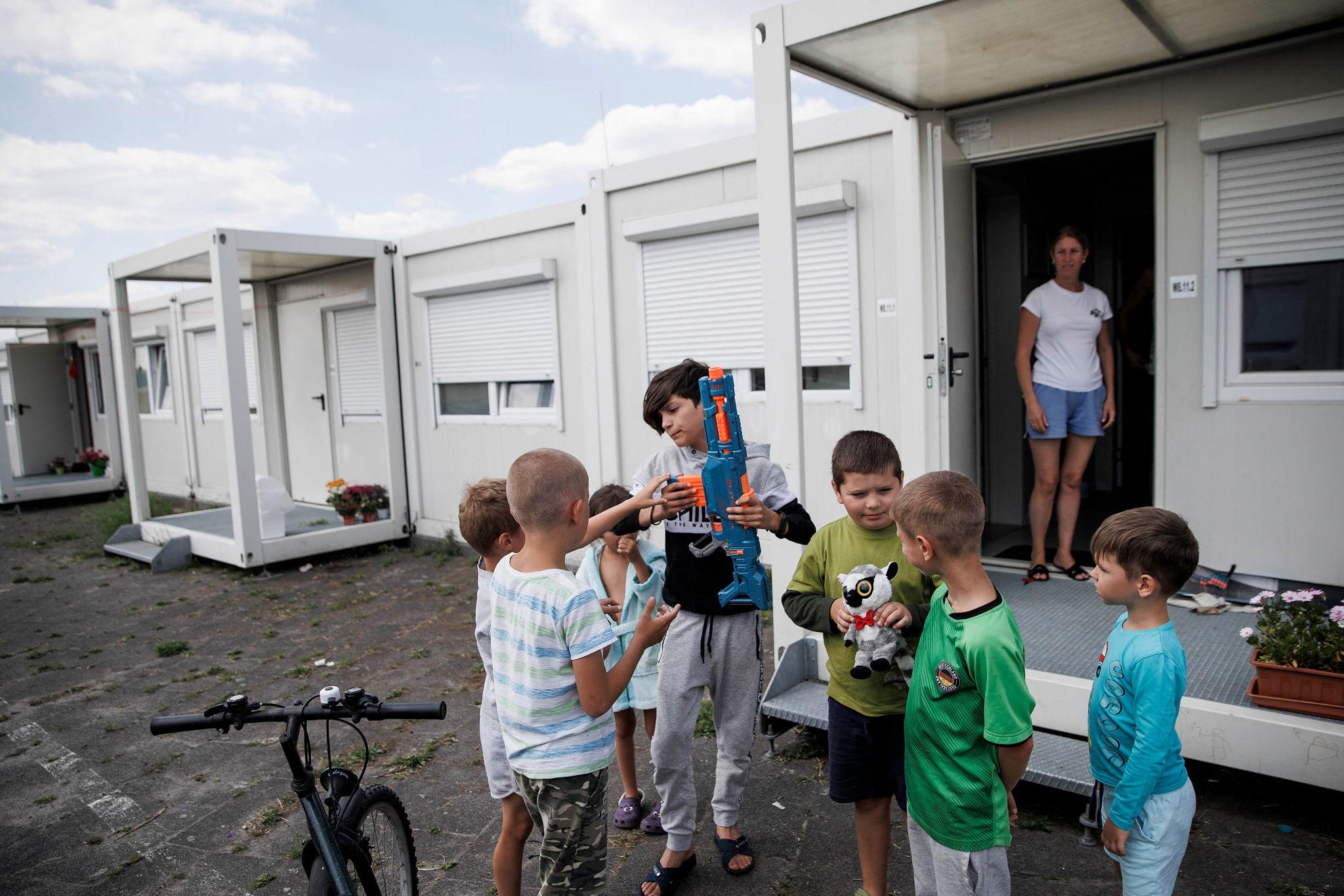
Cities including Berlin, Warsaw and Brussels report reduced availability of affordable housing. Municipal authorities have converted unused commercial properties into residential facilities. Despite these efforts, long waiting lists persist in several regions.
Aid organizations warn that prolonged temporary accommodation may affect social cohesion if integration measures lag behind population growth. Urban planners advocate for coordinated investment strategies to expand housing supply rather than relying solely on emergency solutions.
Labor Market Integration and Economic Contribution
Labor participation rates among Ukrainian refugees Europe have steadily increased. Many individuals entered sectors experiencing workforce shortages, including healthcare, logistics, agriculture and information technology.
However, professional credential recognition remains a significant challenge. Highly qualified professionals often face lengthy verification processes. Language acquisition programs play a central role in improving access to skilled employment opportunities.
Economic analysts note that displaced Ukrainians contribute to tax bases and consumer spending across host economies. Entrepreneurship has emerged in several cities, with small businesses offering food services, translation support and digital consulting.
A Brussels based labor economist explained,
“Integration succeeds when employment matches skill levels, not merely when jobs are filled.”
Policymakers continue evaluating streamlined certification systems to address this gap.
Education and Youth Stability
European education systems integrated hundreds of thousands of Ukrainian students since 2022. Schools introduced bilingual assistance programs and trauma informed counseling.
Parents face strategic decisions about maintaining Ukrainian curriculum alongside host country education. The longer displacement continues, the more families weigh the possibility of extended residence.
Youth organizations emphasize extracurricular inclusion as a mechanism for social cohesion. Sports, arts and volunteer programs help bridge cultural gaps while fostering community resilience.
Public Opinion and Political Context
Public sentiment toward Ukrainian refugees Europe remains broadly supportive, though economic inflation and housing costs influence political discourse. Several member states are navigating electoral cycles in 2026, bringing migration policy into campaign discussions.
European leaders stress that solidarity remains a foundational value. Simultaneously, they acknowledge the need for long term planning that balances humanitarian obligations with fiscal sustainability.
An EU parliamentarian remarked during a policy session,
“Europe demonstrated unity in crisis. The next challenge is sustaining that unity through structured integration.”
Return Prospects and Reconstruction Considerations
Return remains a central question. Infrastructure rebuilding within Ukraine continues with international assistance. However, security conditions vary across regions, influencing individual decisions.
Some families travel periodically to assess housing damage and employment prospects. Others maintain dual residence arrangements. Migration specialists caution that prolonged displacement often results in mixed settlement patterns, where some family members remain abroad while others return.
Reconstruction efforts in Ukraine may eventually create labor demand, potentially encouraging voluntary repatriation. Until stable ceasefire conditions solidify, uncertainty persists.
European Financial Coordination and Support Mechanisms
EU funding instruments allocate resources to member states hosting displaced populations. Financial assistance supports housing, healthcare, education and employment programs.
Brussels continues evaluating data on employment rates, language acquisition progress and housing stability. Transparent reporting mechanisms aim to guide future budget allocations.
Coordination between local authorities and EU institutions remains central to maintaining consistent standards across member states.
A History of Collective Protection in Modern Europe
The current framework for Ukrainian refugees Europe builds upon lessons from previous displacement crises in the Balkans and Middle East. Although the Temporary Protection Directive existed for decades, it had never been activated prior to 2022.
European policymakers cite historical experiences that emphasized the importance of rapid coordination. The activation represented a shift from fragmented asylum systems toward unified emergency response.
Experts note that this collective model may influence future humanitarian strategies within the EU.
Social Integration and Community Networks
Community organizations across Europe provide cultural programming, language support and mental health services. Ukrainian churches, civic groups and volunteer networks facilitate mutual assistance.
Integration extends beyond employment and housing. Social participation shapes long term outcomes. Municipal initiatives encourage intercultural dialogue to strengthen neighborhood cohesion.
Mental health services address trauma and displacement stress. Access varies depending on regional resources and language availability.
Strategic Policy Pathways for 2026 and Beyond
As 2026 progresses, policymakers consider multiple scenarios. One option involves phased transition from temporary protection to residency permits tied to employment or education benchmarks. Another maintains renewable temporary status until reconstruction stabilizes in Ukraine.
Legal scholars emphasize the need for clarity to reduce anxiety among displaced populations. Predictable timelines enable families to plan housing purchases, educational pathways and career development.
Brussels institutions continue consultations with member states to harmonize criteria and avoid disparities across borders.
Security Considerations and Border Policy
Border management remains aligned with humanitarian principles. Authorities continue monitoring migration flows while maintaining open channels for individuals fleeing conflict.
Security coordination among EU agencies ensures documentation processes remain streamlined yet secure. Digital registration systems have improved efficiency compared to earlier migration crises.
Officials underscore that humanitarian protection does not conflict with border oversight but requires balanced implementation.
Long Term Economic Outlook
Economists forecast that sustained integration of Ukrainian refugees Europe could mitigate labor shortages in aging European societies. However, long term benefits depend on credential recognition and social inclusion.
Investment in education, housing infrastructure and language training influences economic outcomes. Policymakers increasingly view integration expenditures as strategic economic investments rather than short term costs.
Stability, Security and What Comes Next
Ukrainian refugees Europe stand at a decisive juncture in 2026 Brussels. The humanitarian solidarity demonstrated at the outset of displacement remains evident, yet structural questions now dominate policy discussions. Housing supply, employment integration, legal clarity and reconstruction prospects define the coming phase.
European leaders face the challenge of converting temporary frameworks into sustainable strategies while preserving flexibility for voluntary return. For millions of families, the outcome of these deliberations will shape life decisions for years ahead.
The path forward requires coordinated governance, transparent communication and continued public support. As Brussels advances negotiations, displaced communities watch closely, balancing hope for stability with the realities of an evolving geopolitical landscape.