Kyiv, Ukraine – February 17, 2026 – Brussels Morning Newspaper – Zelenskyy popularity declines in Kyiv Ukraine 2026 as the country navigates another year of war, reconstruction pressures and evolving political expectations. President Volodymyr Zelenskyy, once seen as the unifying face of national resistance, now faces a more complex domestic political climate shaped by economic strain, war fatigue and renewed public scrutiny.
Approval ratings, while still comparatively strong in historical wartime context, show measurable erosion from the heights recorded during the early phase of the Russian invasion in 2022. Analysts describe the current moment not as a collapse of support but as a recalibration of public priorities in a maturing democracy under prolonged stress.
Wartime Leadership to Governance Scrutiny
In the early days of the invasion, Zelenskyy’s decision to remain in Kyiv became a defining symbol of national resilience. Daily addresses projected confidence, and unity surged across political divides. At that stage, public approval soared, driven by a shared sense of existential threat.
Four years later, the environment has changed. The military struggle continues, but citizens increasingly evaluate leadership beyond symbolic courage. Economic management, institutional reform and reconstruction planning have become central to political debate.
As Zelenskyy popularity declines in national polling discussions, observers note that extended conflict often shifts public focus from survival to sustainability. The demands of emergency leadership differ sharply from the expectations placed on long term governance.
Economic Pressures and Household Realities
Inflation, infrastructure damage and uneven reconstruction have placed sustained pressure on Ukrainian households. Businesses face supply disruptions and rising operational costs. While international aid continues to flow, implementation varies regionally.
Energy systems remain vulnerable, and periodic disruptions have tested urban resilience. In rural areas, reconstruction efforts lag behind major cities. These day to day economic realities contribute significantly to why Zelenskyy popularity declines in current political discourse.
Citizens who once prioritized unity above all now demand tangible improvement in living standards. Economic recovery has become the benchmark for political credibility in 2026.
War Fatigue Alters National Mood
Years of mobilization and constant security alerts have generated emotional exhaustion. Families separated by deployment and communities affected by frontline instability experience ongoing strain.
Sociologists emphasize that war fatigue naturally reshapes public expectations. The emotional momentum of early resistance gives way to questions about duration, diplomatic strategy and reconstruction timelines. Within this context, Zelenskyy popularity declines as voters reassess priorities.
Despite this shift, surveys show continued broad support for sovereignty and territorial integrity. The recalibration reflects evolving expectations rather than abandonment of national goals.
Political Competition and Democratic Resilience
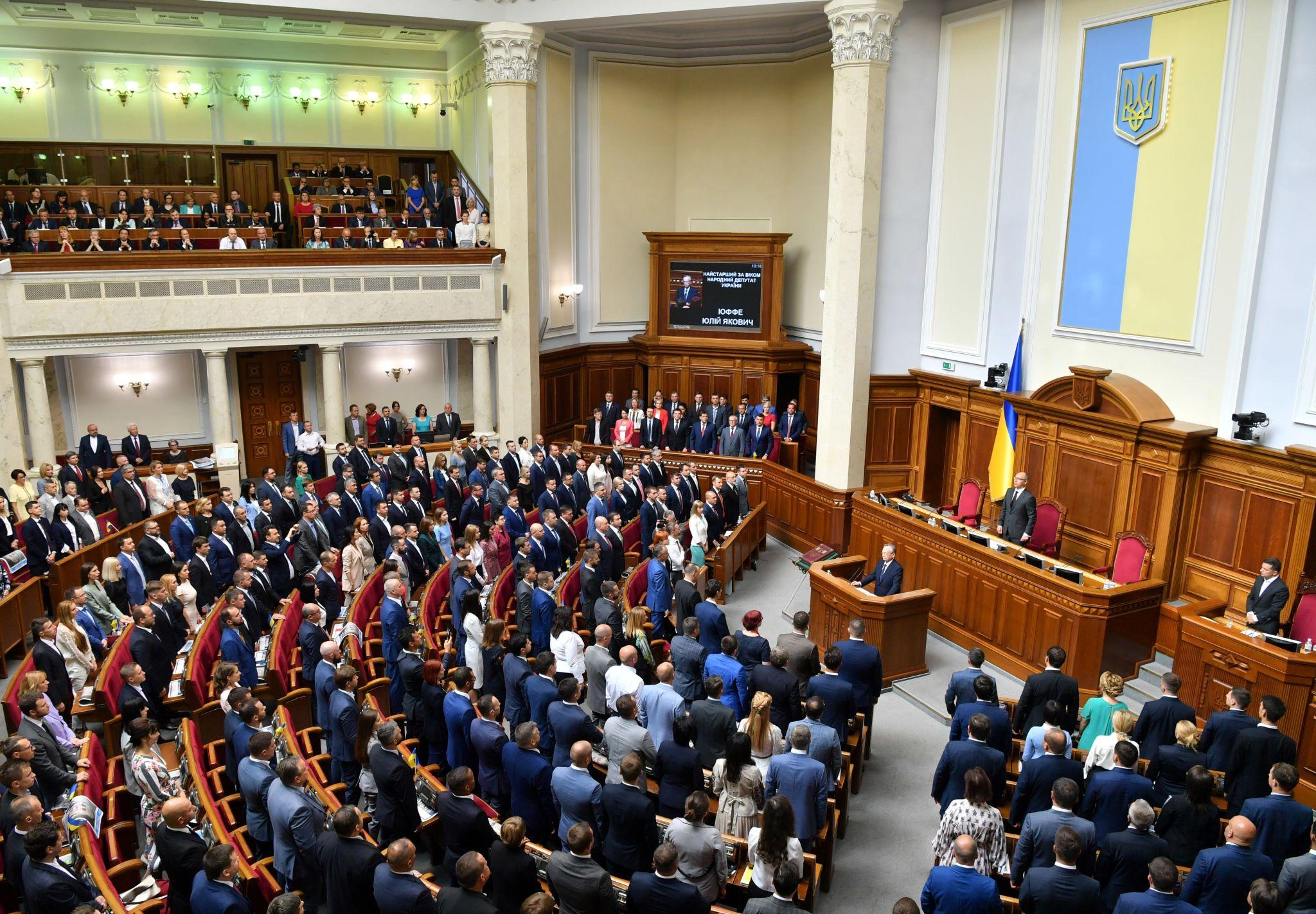
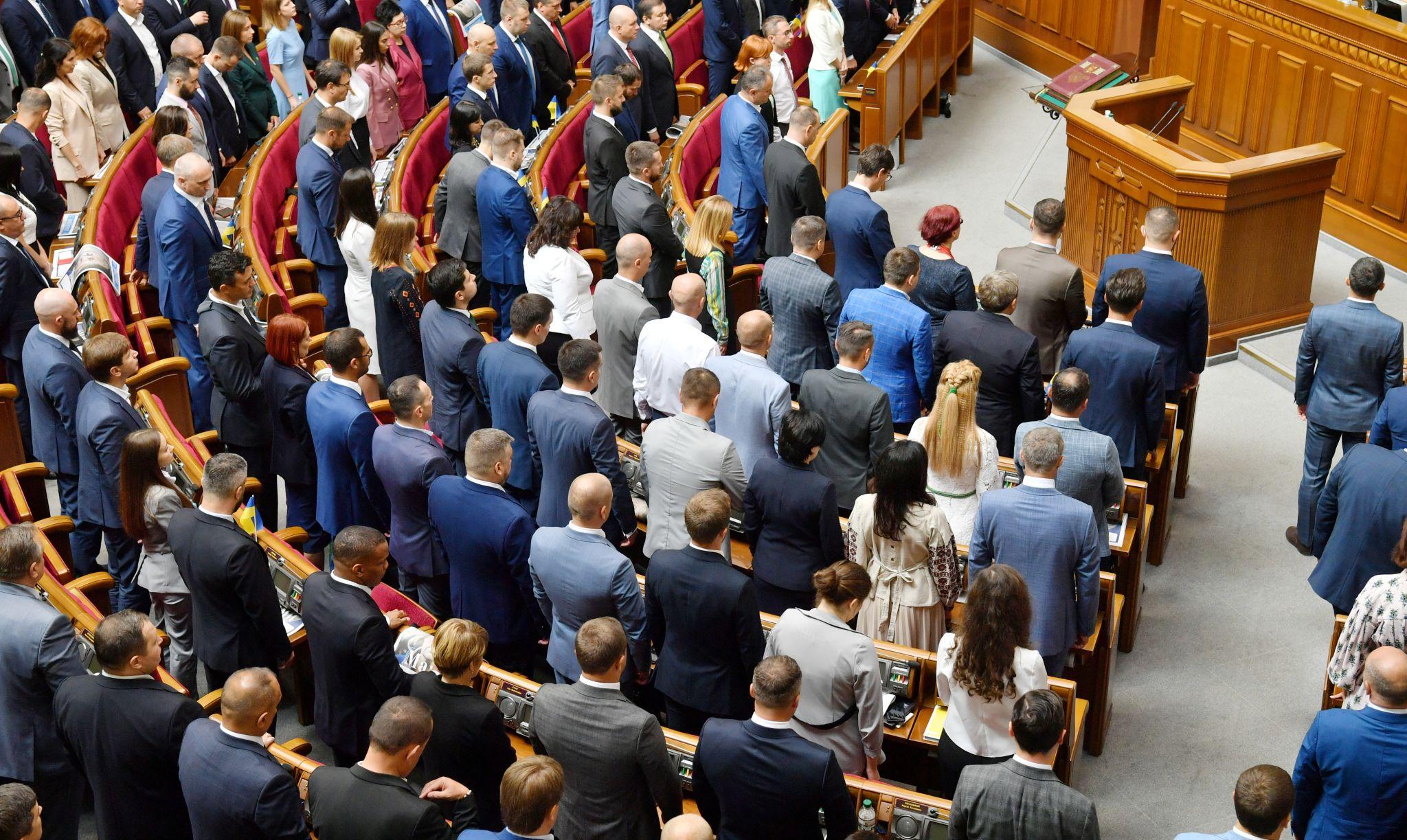
Parliamentary debates have intensified as opposition figures reassert their voices. Political parties are preparing for future elections, even as wartime considerations influence scheduling.
The reemergence of competitive rhetoric strengthens democratic processes but also amplifies scrutiny of executive leadership. Zelenskyy popularity declines has become a phrase frequently cited in political commentary as rival leaders propose alternative economic strategies.
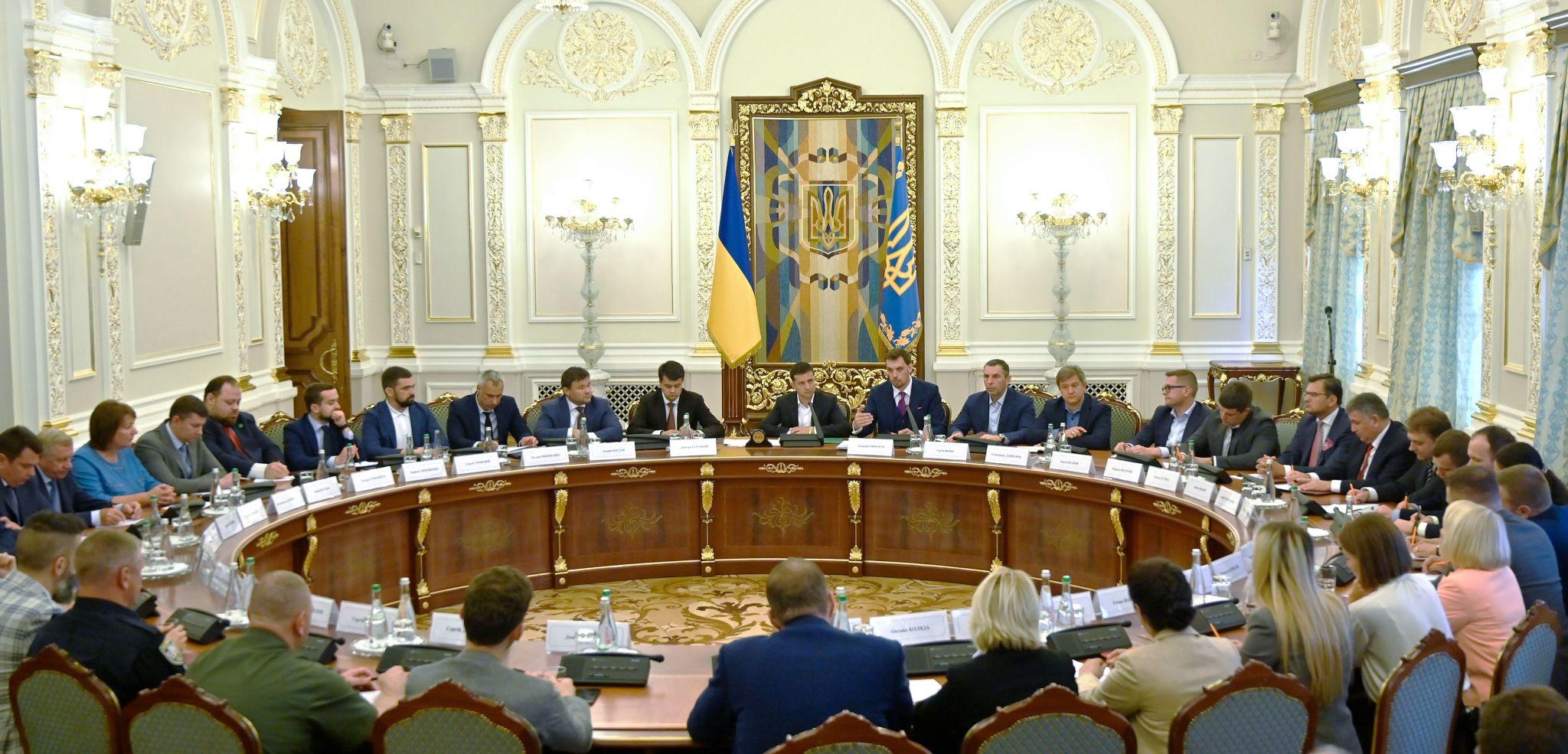
Institutional continuity remains visible. Legislative sessions continue, local administrations operate and civil society organizations maintain oversight roles. Democratic mechanisms, though tested, remain intact.
International Alliances and Domestic Accountability
Ukraine’s diplomatic relationships with European and North American partners remain central to its strategic survival. Financial and military assistance have supported defense and reconstruction efforts.
However, domestic audiences increasingly evaluate how effectively external partnerships translate into visible national improvement. Infrastructure rebuilding, employment growth and public services are measured against international commitments.
Political analyst Oksana Hrytsenko stated,
“Public trust today depends on concrete progress in rebuilding communities as much as it does on battlefield resilience.”
Her observation reflects why Zelenskyy popularity declines resonates in public debate. International recognition alone does not determine domestic approval.
Media Landscape and Narrative Framing
Modern political communication unfolds in real time. Social media platforms and independent outlets amplify both praise and criticism. Polling fluctuations quickly become national headlines.
The repetition of the phrase Zelenskyy popularity declines reinforces the perception of political transition. Yet experts caution that approval trends must be viewed within broader historical context. Many wartime leaders experience mid conflict dips as public expectations expand.
Digital transparency allows citizens to engage directly with policy discussions. Economic reform proposals, anti corruption initiatives and defense strategies are openly debated.
Regional Variations in Approval
Ukraine’s regional diversity shapes political sentiment. Urban centers such as Kyiv often emphasize economic modernization and transparency reforms. Border regions prioritize security stability.
Polling suggests that Zelenskyy popularity declines is more pronounced in districts experiencing slower reconstruction progress. Conversely, areas heavily impacted by frontline conflict sometimes maintain stronger executive support.
These regional contrasts illustrate the layered complexity of national opinion.
Governance Reform and Anti Corruption Demands
Public discourse increasingly centers on transparency and institutional reform. Anti corruption campaigns remain a cornerstone of Ukraine’s European integration aspirations.
Although reforms began before and during the invasion, sustained implementation is now under intense public examination. Civic organizations advocate stronger judicial oversight and procurement transparency.
Another Kyiv based policy researcher commented,
“The country expects leadership to shift from crisis management toward structured reform.”
Such expectations contribute to the broader narrative as Zelenskyy popularity declines becomes shorthand for rising governance demands.
Economic Recovery as Political Benchmark
Economists argue that measurable growth indicators will heavily influence future approval trajectories. Job creation, foreign investment inflows and infrastructure rehabilitation represent visible metrics voters monitor closely.
If economic momentum strengthens in late 2026, approval levels could stabilize. Conversely, prolonged stagnation may deepen skepticism. In this environment, Zelenskyy popularity declines functions as both a political and economic barometer.
Reconstruction plans include energy diversification, transport modernization and digital sector expansion. Implementation pace remains critical.
History of Wartime Approval Cycles
Throughout modern history, wartime leaders have often experienced fluctuating approval ratings. Initial unity during crisis frequently transitions into detailed policy scrutiny as conflicts extend.
Ukraine’s current trajectory follows this pattern. Zelenskyy popularity declines does not represent an isolated phenomenon but reflects a broader historical cycle observed in other democracies facing prolonged conflict.
This context underscores the importance of analyzing long term governance outcomes rather than short term polling shifts.
Electoral Outlook and Strategic Positioning
Although full electoral processes remain influenced by wartime considerations, political actors are positioning themselves for future campaigns. Messaging increasingly emphasizes economic renewal and institutional accountability.
Zelenskyy’s leadership team continues to highlight continuity, security resilience and international credibility. Opponents stress economic diversification and administrative reform.
The interplay between these narratives will shape political momentum heading into subsequent electoral cycles.
Security Developments and Public Confidence
Military progress remains a key determinant of national morale. Shifts on the battlefield directly influence public confidence in executive strategy.
Defense officials maintain that sustained international coordination strengthens Ukraine’s strategic position. At the same time, families affected by mobilization continue to experience hardship.
Security stabilization may play a decisive role in reversing or reinforcing current approval trends.
Between Symbolism and Policy Substance
Zelenskyy’s transformation from entertainer to wartime leader captured global attention. That symbolic evolution continues to influence his international standing.
Domestically, however, voters increasingly focus on policy substance. Budget allocation, social welfare programs and reconstruction contracts are under scrutiny.
This dual dynamic explains why Zelenskyy popularity declines can coexist with recognition of past leadership during crisis.
Outlook for the Remainder of 2026
The trajectory of national sentiment will depend largely on economic stabilization and security developments. Infrastructure projects underway across Kyiv and other regions may provide visible evidence of recovery.
Should energy stability improve and employment rise, public approval could strengthen. If progress remains slow, skepticism may intensify.
At present, Zelenskyy popularity declines reflects a transitional political phase rather than a definitive verdict. Ukraine’s democratic resilience continues to operate under extraordinary pressure.
A Nation Reassessing Leadership in Real Time
Ukraine in 2026 stands at a pivotal crossroads. Citizens remain committed to independence and democratic governance. Simultaneously, they demand accountability, transparency and measurable progress.
Zelenskyy popularity declines captures the evolving conversation within a nation balancing gratitude for wartime resolve with expectations for sustainable reconstruction.
As Kyiv moves deeper into 2026, the relationship between leadership performance and public confidence will remain central to Ukraine’s democratic trajectory.