

Chicago, United States – February 17, 2026 – Brussels Morning Newspaper – Jesse Jackson dies at 84 in Chicago United States 2026, closing a chapter in American civil rights history that spanned more than five decades. Family representatives confirmed that the veteran activist and former presidential candidate passed away peacefully at his Chicago residence. News of his death prompted immediate reactions from political leaders, faith organizations and civil rights advocates across the nation.
The passing of Jesse Jackson marks the loss of a figure who helped reshape American political discourse. His influence extended from grassroots organizing to national campaigns, leaving an imprint on civic participation and coalition building.
Early Foundations in the Civil Rights Era
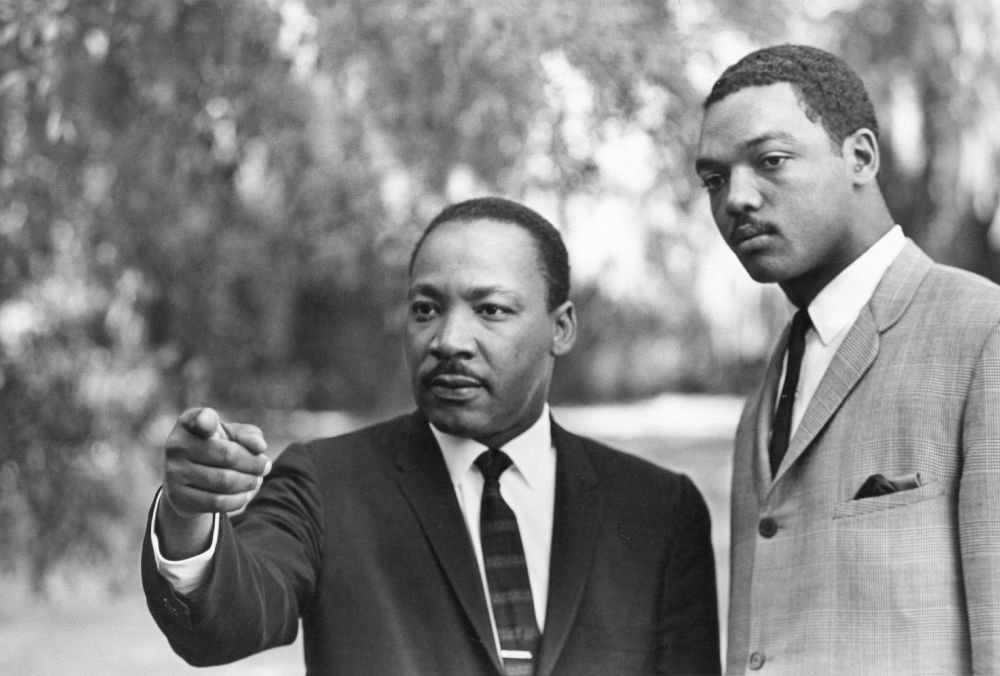
Born in Greenville, South Carolina in 1941, Jackson rose to prominence during the 1960s civil rights movement. He worked closely with Martin Luther King Jr. and participated in initiatives that sought voting rights and desegregation.
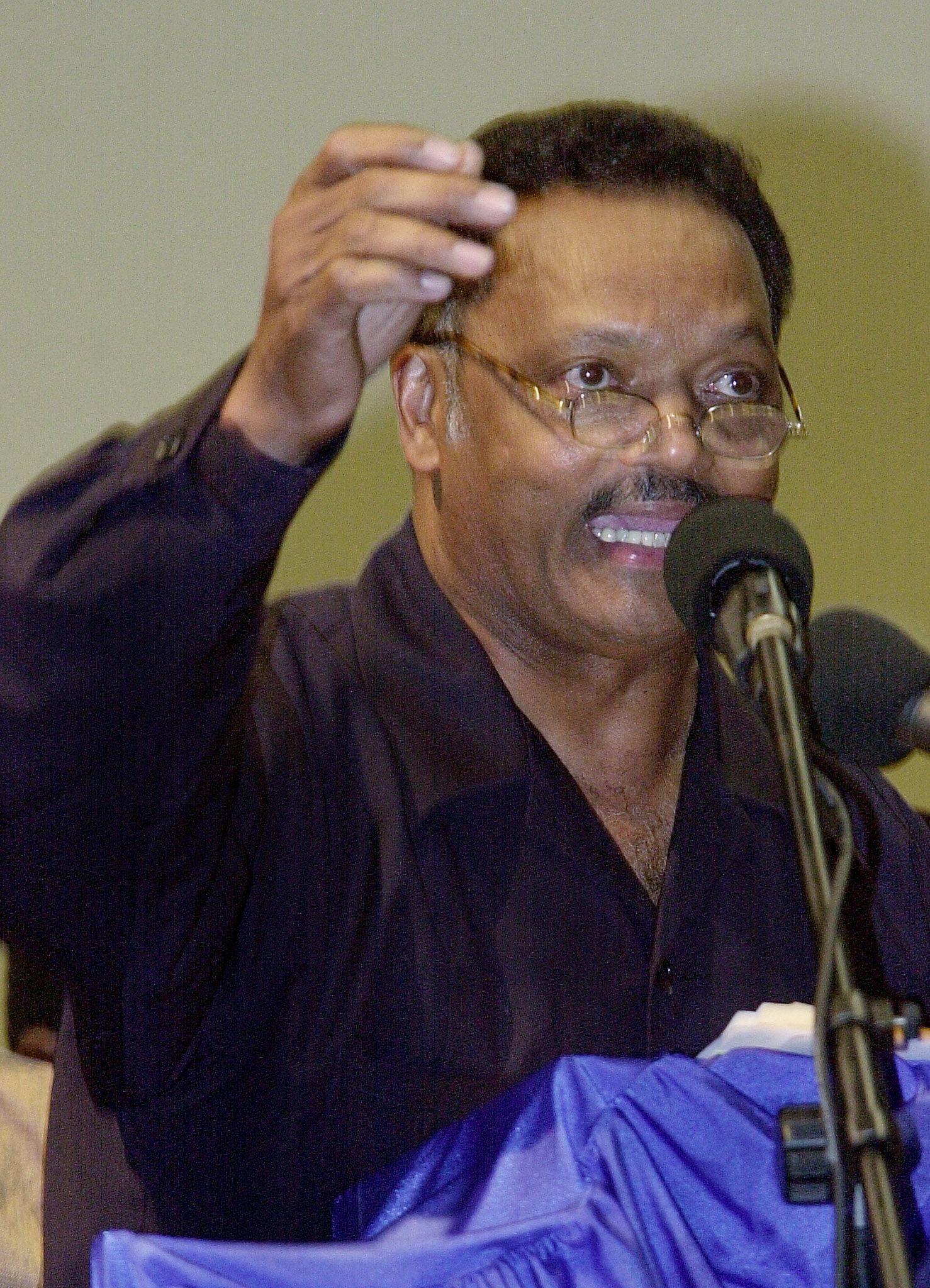
During those years, Jackson became known for his eloquent speeches and ability to mobilize communities. When Jesse Jackson dies at 84, historians reflect on his role in translating protest energy into sustained political engagement. His leadership style blended spiritual conviction with strategic organization.
He quickly became a recognizable voice advocating economic justice and racial equality, themes that defined the trajectory of his life’s work.
Building a National Coalition for Change
In the 1970s, Jackson founded the organization that evolved into the Rainbow PUSH Coalition. The coalition focused on expanding access to education, employment and political representation.
As news spread that Jesse Jackson dies at 84, supporters pointed to the coalition as one of his most enduring legacies. Through voter registration drives and corporate accountability campaigns, the organization broadened participation in the democratic process.
Jackson’s coalition model emphasized unity across racial and economic lines, a strategy that influenced future movements nationwide.
Presidential Campaigns That Broke Barriers
Jackson’s presidential bids in 1984 and 1988 transformed American politics. Though he did not win the Democratic nomination, he secured victories in multiple states and built multiracial voter alliances.
Political analyst Daniel Harper noted,
“Jesse Jackson expanded the boundaries of who could envision themselves as a national candidate.”
The renewed attention as Jesse Jackson dies at 84 has sparked reflection on how those campaigns reshaped political strategy. His efforts laid groundwork for greater diversity in future presidential contests.
Diplomatic Outreach and Global Advocacy
Beyond domestic politics, Jackson engaged in international diplomacy. He traveled abroad to advocate for hostages and addressed global human rights issues.
Colleagues recall that his approach combined moral persuasion with negotiation. Even in politically sensitive environments, he sought dialogue.
When Jesse Jackson dies at 84, international leaders acknowledged his willingness to cross ideological lines in pursuit of humanitarian outcomes.
Health Challenges in His Final Years
In recent years, Jackson faced significant health issues, including Parkinson’s disease. Despite physical limitations, he remained engaged in civic life and appeared at select public events.
Family members indicated that his final months were spent in close contact with loved ones and longtime associates. The announcement that Jesse Jackson dies at 84 followed a period of declining public appearances but sustained personal reflection.
National Tributes and Political Reactions
Statements honoring Jackson arrived from across the political spectrum. Faith leaders, civil rights activists and elected officials recognized his decades of advocacy.
Civil rights historian Angela Morris said,
“His voice carried the moral urgency of a generation that demanded America live up to its promise.”
Chicago community groups organized candlelight vigils, underscoring the local connection to his national influence. The moment Jesse Jackson dies at 84 has become a focal point for collective remembrance.
Historical Context of a Movement Leader
The civil rights movement fundamentally transformed American law and society. Jackson emerged during a period defined by protest and legislative breakthroughs. He became a bridge between earlier activists and subsequent generations.
This historical arc frames the significance of his passing. Jesse Jackson dies at 84 after witnessing profound social change, from segregation to expanded political representation.
His speeches often linked past struggles with contemporary challenges, reinforcing continuity between eras of activism.
Influence on Modern Political Participation
Jackson’s emphasis on grassroots mobilization inspired countless community organizers. He consistently encouraged voter engagement and civic education.
As Jesse Jackson dies at 84, scholars highlight how his campaigns broadened participation among minority voters. His coalition approach became a template for inclusive political strategy.
Younger leaders frequently cite his rhetoric as formative in shaping their own advocacy efforts.
Community Impact in Chicago
Chicago served as Jackson’s political and spiritual home. Through faith institutions and neighborhood initiatives, he strengthened local networks that connected to national debates.
Residents gathered across the city following the confirmation that Jesse Jackson dies at 84. Many recalled his presence at community meetings and youth programs.
Local officials emphasized that his legacy extends beyond speeches to tangible institutional frameworks that continue operating.
Balancing Praise and Critique
Throughout his career, Jackson encountered criticism as well as admiration. Political opponents challenged aspects of his rhetoric and alliances. Yet even critics acknowledged his impact on expanding discourse.
The reassessment following the news that Jesse Jackson dies at 84 includes both celebration and reflection. His longevity in public life underscores resilience amid shifting political landscapes.
Legacy of Economic Justice Advocacy
Economic empowerment was central to Jackson’s philosophy. He argued that civil rights must include access to employment and capital.
When Jesse Jackson dies at 84, advocates emphasize his campaigns for fair hiring practices and corporate diversity. He linked economic opportunity with democratic participation, framing them as inseparable.
His initiatives sought to ensure that social progress translated into tangible improvements in living conditions.

The Closing Chapter of a Public Life
The announcement that Jesse Jackson dies at 84 represents more than the passing of an individual. It marks the end of a public life intertwined with defining national milestones.
From the marches of the 1960s to presidential primary stages in the 1980s, his presence shaped civic consciousness. Memorial services are expected to draw broad participation.
As Chicago reflects on his contributions, the nation considers the enduring resonance of his message.
A Voice That Continues Beyond 2026
Though Jesse Jackson dies at 84, the institutions and ideals he championed persist. Issues of equity and representation remain central to national dialogue.
His life illustrates how sustained activism can influence policy, culture and political identity. The story of his journey from southern roots to national prominence reflects broader shifts within American democracy.
In remembering his contributions, communities across the United States reaffirm commitments to civic engagement and social justice.