London, United Kingdom – February 17, 2026 – Brussels Morning Newspaper – The global energy crisis continues to shape economic and political decisions across Europe in 2026, with London emerging as a focal point of policy debate and financial reaction. Rising oil prices, constrained natural gas flows and persistent geopolitical instability have amplified uncertainty for governments, corporations and households alike.
The global energy crisis now reflects more than temporary volatility. Analysts describe it as a structural stress test for interconnected supply chains that link producers, transit routes and financial markets. In the United Kingdom, policymakers are navigating inflationary pressure while attempting to safeguard long term energy security.
Escalating Fuel Costs and Market Volatility
Energy traders opened this week confronting renewed price surges in crude oil and natural gas. Benchmark contracts climbed amid fears of supply bottlenecks, while electricity futures in Europe signaled persistent strain.
The global energy crisis has intensified concerns over affordability. British households continue to face elevated utility bills compared with pre 2020 levels. Industrial consumers, particularly in manufacturing and logistics, report rising operational costs that affect employment and investment planning.
Financial institutions warn that sustained volatility could slow economic recovery. Currency markets remain sensitive to energy import exposure, and bond yields reflect inflation expectations linked to fuel pricing.
Strategic Transit Routes Under Scrutiny
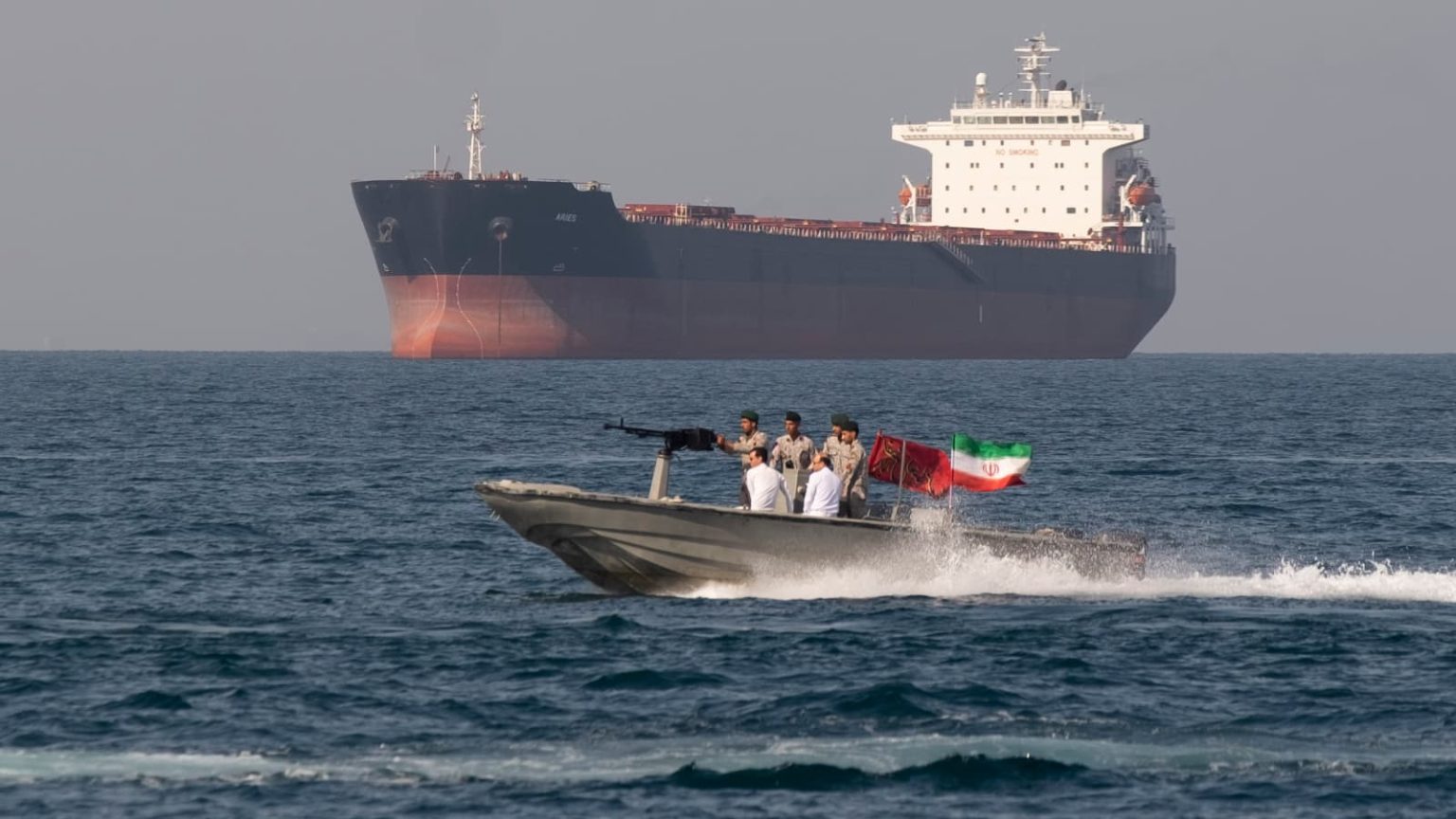
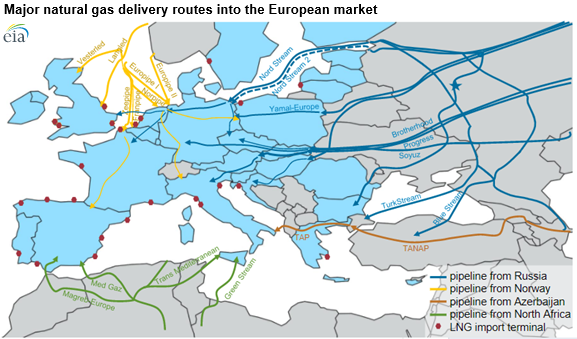
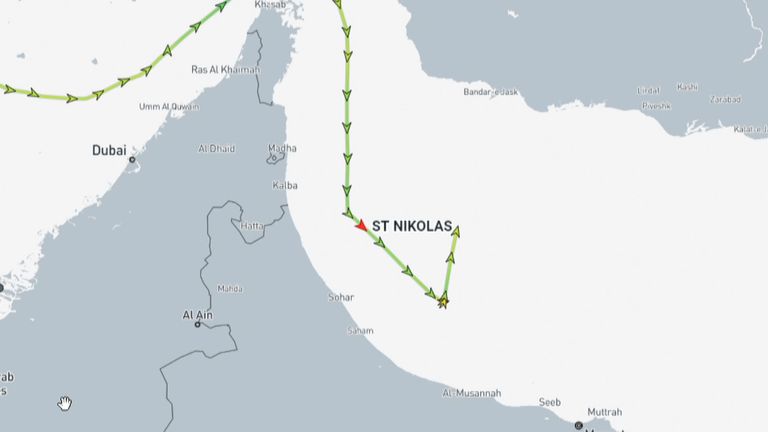
Supply routes in the Middle East and Eastern Europe remain under close monitoring. Maritime corridors and pipeline networks serve as lifelines for European energy imports.
The global energy crisis underscores how vulnerable these channels are to diplomatic friction. Even minor disruptions in transit regions can amplify price spikes and strain inventories.
A senior European policy adviser observed,
“Energy stability now depends on disciplined diplomacy and diversified sourcing.”
Governments are reinforcing cooperation frameworks to ensure uninterrupted shipping lanes and pipeline operations.
Domestic Policy Responses in the United Kingdom
In London, lawmakers are debating measures to buffer consumers from persistent price fluctuations. Temporary subsidy programs and targeted tax adjustments aim to mitigate cost burdens without undermining fiscal stability.
The global energy crisis has revived discussions about long term independence from volatile import markets. Investment in offshore wind and liquefied natural gas terminals forms part of the government’s strategic diversification plan.
Small and medium sized enterprises, particularly those in hospitality and retail, continue to highlight energy overhead as a key operational challenge.
Industrial Adaptation and Corporate Planning
Corporations across Europe are adjusting procurement strategies to reduce exposure to unpredictable pricing. Long term fixed contracts, efficiency upgrades and renewable integration are increasingly common responses.
The global energy crisis has accelerated adoption of energy management technologies that monitor consumption and optimize usage patterns. Firms are exploring on site generation capacity to reduce grid reliance.
Energy companies face complex decisions balancing short term profitability with infrastructure expansion. Capital allocation toward renewable generation competes with exploration investments.
Renewable Expansion and Infrastructure Gaps
Offshore wind capacity in the North Sea continues to grow, reinforcing the United Kingdom’s position as a renewable energy leader. Solar installations across southern Europe have also expanded.
However, the global energy crisis highlights infrastructure gaps. Grid modernization, storage capacity and interconnection upgrades are necessary to fully integrate renewable generation.
Energy economists emphasize that transition strategies must combine clean energy development with reliable baseload supply to maintain stability.
International Cooperation and Strategic Reserves
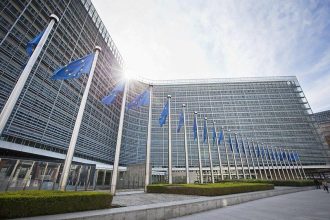
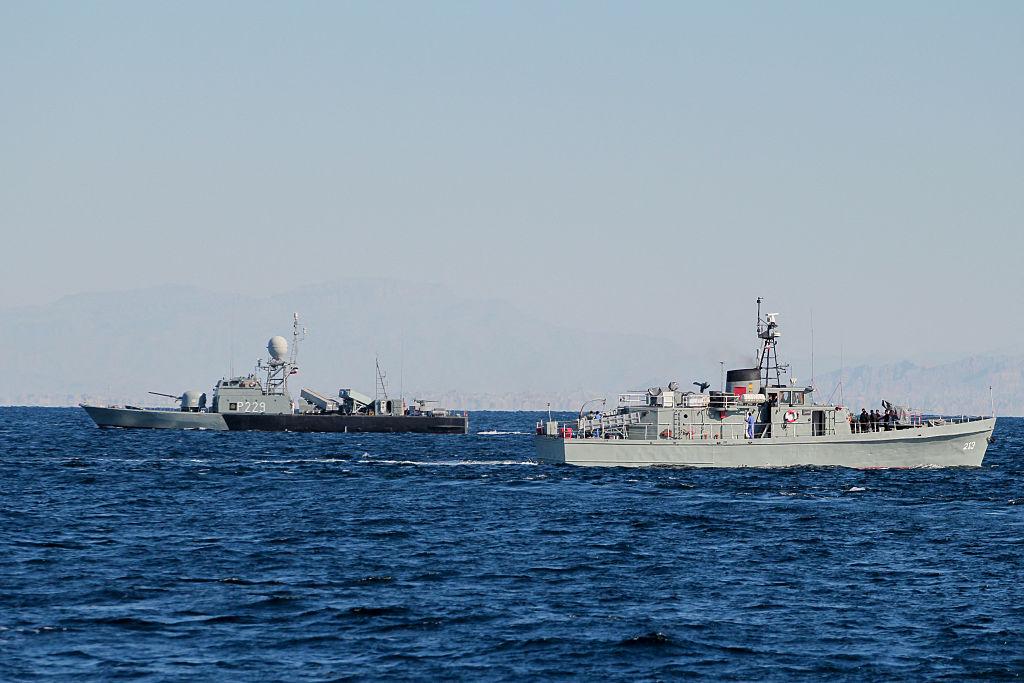
European Union members have intensified coordination through reserve sharing agreements and intelligence exchanges. The global energy crisis has elevated energy security to the forefront of diplomatic agendas.
Strategic petroleum reserves serve as temporary buffers, but sustained stability depends on diversified sourcing and long term infrastructure investment.
Energy ministers reaffirmed commitments to joint procurement mechanisms aimed at preventing competitive bidding wars.
Financial Markets and Investment Trends
Investment patterns have shifted in response to prolonged volatility. Energy equities show relative resilience, while energy intensive sectors face margin pressure.
The global energy crisis has also influenced currency valuation. Nations heavily reliant on imports experience greater exchange rate sensitivity during price spikes.
Institutional investors are reevaluating risk exposure within commodity linked portfolios, anticipating ongoing fluctuations through late 2026.
Environmental Considerations Amid Crisis
Climate commitments remain central to policy debate. The global energy crisis complicates decarbonization timelines as governments balance immediate security needs with long term sustainability goals.
Nuclear energy expansion and carbon capture initiatives have gained renewed attention. Environmental groups caution against excessive reliance on emergency fossil fuel production that could delay emissions targets.
Balancing environmental integrity with economic resilience presents a multifaceted challenge.
Emerging Economies and Global Disparities
Developing nations face disproportionate impact from elevated energy costs. Limited fiscal capacity restricts subsidy programs, increasing vulnerability to inflation.
The global energy crisis has widened disparities between exporters and importers. International financial institutions are evaluating targeted assistance to stabilize fragile markets.
Cooperation across regions remains essential to prevent fragmentation in global energy governance.
Historical Lessons from Energy Disruptions
The oil shocks of the 1970s reshaped industrial and foreign policy across Europe and North America. Subsequent crises reinforced the need for diversification and reserve planning.
The global energy crisis unfolding in 2026 reflects both continuity and transformation. Today’s digital trading platforms transmit shocks more rapidly, amplifying immediate market responses.
Historical precedents suggest that sustained coordination and infrastructure investment can gradually restore stability.
Public Sentiment and Political Accountability
Opinion surveys in the United Kingdom indicate that energy affordability ranks among top voter concerns. The global energy crisis has intensified scrutiny of corporate pricing structures and government oversight.
Consumer advocacy groups are calling for transparent pricing mechanisms. Political leaders face pressure to communicate policy decisions clearly and consistently.
Energy strategy now shapes electoral discourse more prominently than in previous years.
Outlook for the Remainder of 2026
Forecast models anticipate continued tight supply conditions through the second half of 2026. Infrastructure investment decisions made during this period will shape resilience beyond the current cycle.
The global energy crisis remains fluid, influenced by geopolitical developments and market sentiment. Analysts expect incremental stabilization rather than abrupt resolution.
Economic growth projections depend heavily on successful policy coordination.
A Defining Moment for Energy Security Strategy
London’s policy debates illustrate how energy security has become integral to national economic planning. Diversification, modernization and resilience planning dominate legislative agendas.
The global energy crisis has evolved into a catalyst for structural reform. Governments aim to transform short term volatility into long term modernization.
As 2026 progresses, policymakers confront a pivotal test of coordination and strategic foresight. The trajectory of markets and diplomatic developments will determine whether stabilization efforts succeed in reinforcing sustainable energy security.