

NewYork, January 2026 – According to Brussels Morning Newspaper that in 2026, New York has once again emerged as a focal point for financial sentiment as a widening global markets reaction reflects heightened sensitivity to geopolitical signals, monetary policy expectations, and shifting economic fundamentals. Trading floors across major financial centers have shown increased volatility as investors reassess risk exposure in response to political developments and central bank guidance. The evolving environment underscores how interconnected global finance has become, where sentiment in one market can rapidly influence behavior worldwide.
The current period is marked not by a single shock, but by a convergence of pressures that are reshaping how capital moves across borders.
The Role of Wall Street in Setting the Tone
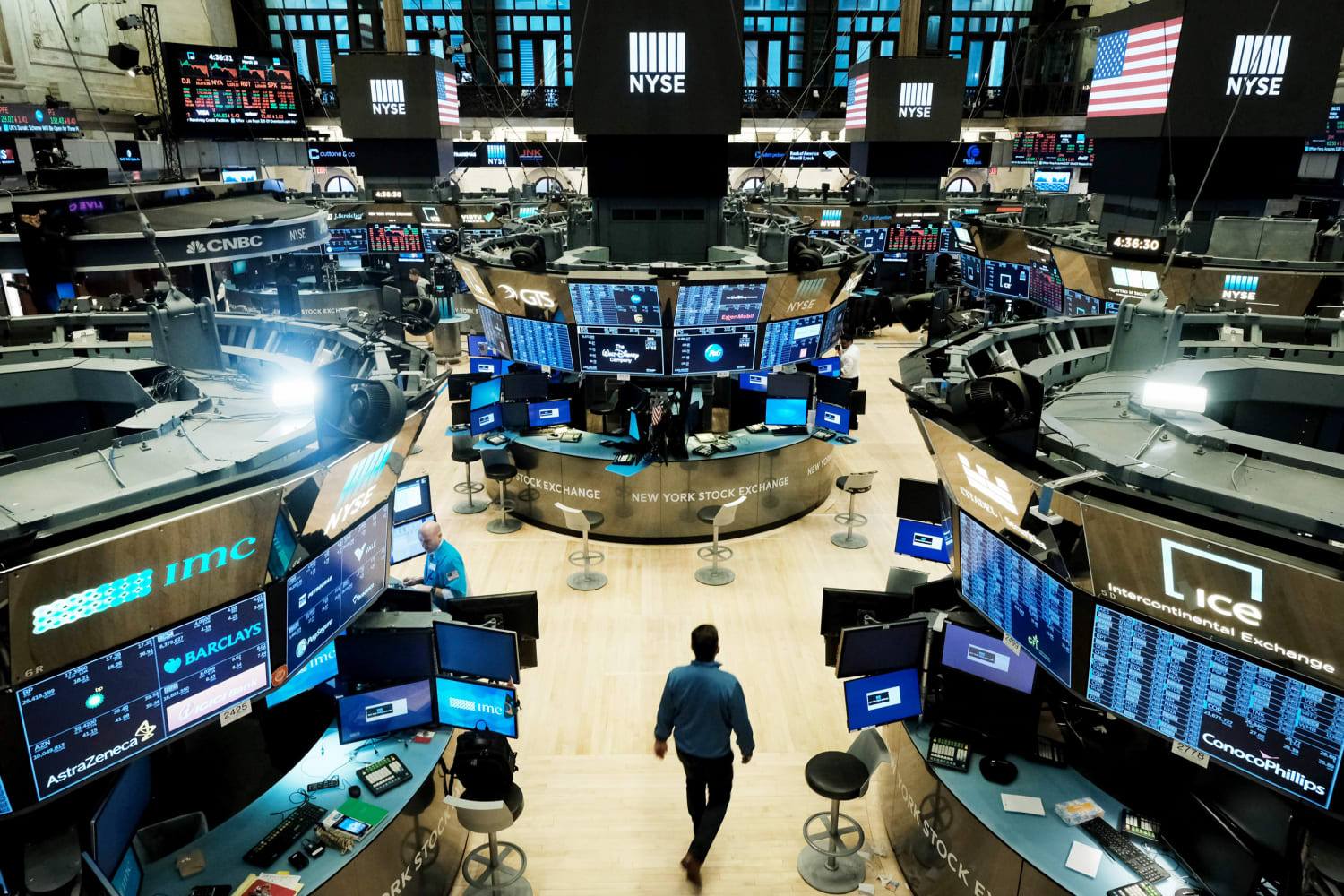
Wall Street continues to function as a primary barometer for international investor confidence. Movements in major US indices frequently set the direction for markets in Europe, Asia, and emerging economies.
In recent sessions, analysts observed that the global markets reaction has been closely aligned with trading patterns in New York, highlighting the enduring influence of US financial institutions, corporate earnings expectations, and policy communication. Even modest shifts in sentiment have produced outsized responses across asset classes.
Geopolitical Signals and Investor Sensitivity
Geopolitical developments remain a powerful driver of market behavior. Statements from political leaders, diplomatic tensions, and regional conflicts can alter risk perception within minutes.
Market strategists note that the global markets reaction increasingly reflects anticipation rather than confirmation, as traders position portfolios based on expected outcomes rather than finalized decisions. This forward-looking behavior amplifies volatility, particularly during periods of ambiguous political messaging.
Central Banks and Policy Expectations
Monetary policy remains central to market dynamics. Central banks’ guidance on interest rates, inflation targets, and liquidity conditions directly shapes investment strategies.
In 2026, divergent policy paths among major economies have contributed to the global markets reaction, as investors navigate uncertainty around rate cuts, tightening cycles, and balance sheet management. Currency markets, in particular, have shown sensitivity to even subtle changes in tone from policymakers.
Equity Markets and Sector Rotation
Equity markets have experienced frequent sector rotation as investors seek resilience amid uncertainty. Defensive sectors such as healthcare and consumer staples have periodically outperformed, while technology and growth stocks have shown sharper swings.
This pattern reflects a cautious global markets reaction, where capital shifts quickly in response to perceived risk without fully abandoning growth opportunities. Portfolio diversification has become a dominant strategy.
Bond Markets and Safe-Haven Demand
Bond markets provide another lens into investor sentiment. Fluctuations in government bond yields often signal shifts between risk-on and risk-off behavior.
Analysts observe that the global markets reaction has included intermittent flights to safety, particularly during periods of heightened geopolitical tension. Demand for high-quality sovereign debt remains strong, even as inflation concerns persist.
Currency Movements and Cross-Border Flows
Foreign exchange markets play a critical role in transmitting sentiment across regions. Currency volatility can both reflect and amplify broader financial trends.
The global markets reaction has been evident in currency pair movements, with investors favoring perceived safe-haven currencies during uncertain periods. Emerging market currencies, meanwhile, have faced pressure amid shifting capital flows.
Commodity Prices and Inflation Concerns
Commodity markets, particularly energy and metals, are closely tied to global economic expectations. Price movements influence inflation forecasts and corporate profitability.
Recent commodity price fluctuations have contributed to the global markets reaction, reinforcing concerns about cost pressures and supply disruptions. These dynamics have implications for both developed and developing economies.

Technology, Algorithms, and Market Speed
Advances in trading technology have accelerated market responses. Algorithmic and high-frequency trading systems now account for a significant share of daily volume.
As a result, the global markets reaction often unfolds within seconds, leaving little time for human intervention. While this increases efficiency, it also raises concerns about amplified volatility during periods of stress.
Investor Psychology and Behavioral Factors
Beyond fundamentals, psychology plays a decisive role. Fear, optimism, and herd behavior influence decision-making, sometimes overriding economic indicators.
Behavioral economists argue that the global markets reaction increasingly reflects collective sentiment rather than purely rational assessment. News cycles and social media further intensify emotional responses.
Emerging Markets and Vulnerability
Emerging markets are particularly sensitive to global financial conditions. Capital inflows and outflows can shift rapidly in response to changes in risk appetite.
The global markets reaction has placed pressure on several emerging economies, affecting currency stability, debt servicing costs, and growth prospects. Policymakers in these regions face difficult trade-offs between stability and growth.
Corporate Strategy and Earnings Outlook
Corporate leaders are adapting strategies in response to uncertain conditions. Capital expenditure plans, hiring decisions, and mergers are being reassessed.
Executives cite the global markets reaction as a factor influencing long-term planning, with emphasis on resilience and flexibility rather than aggressive expansion.
Media Coverage and Information Flow
Media reporting plays a significant role in shaping market perception. Headlines can influence sentiment even before underlying facts are fully understood.
The speed of information dissemination contributes to the global markets reaction, as investors react to narratives as much as data. Accurate, contextual reporting is therefore increasingly important.
Regulatory Environment and Oversight
Regulators monitor market behavior to ensure stability and transparency. Periods of heightened volatility often prompt closer scrutiny.
Authorities recognize that the global markets reaction can expose systemic vulnerabilities, prompting discussions around safeguards, circuit breakers, and stress testing.
Long-Term Structural Shifts
Beyond immediate fluctuations, markets are undergoing structural change. Demographic trends, technological innovation, and climate considerations are reshaping investment priorities.
These forces interact with the global markets reaction, influencing long-term capital allocation and redefining risk assessment frameworks.
One Expert Perspective
A senior market strategist noted,
“Markets today react faster and more emotionally, making stability as much a matter of confidence as of fundamentals.”
Outlook for the Remainder of 2026
Looking ahead, analysts expect continued volatility as political, economic, and policy uncertainties persist. Investors are likely to remain selective, balancing opportunity with caution.
The global markets reaction will continue to serve as a real-time indicator of collective confidence, reflecting how the world’s financial system processes risk.
A Defining Test for Modern Finance
The developments of 2026 highlight a critical test for global finance. Interconnected markets, rapid information flow, and complex risk factors demand adaptive strategies.
As Brussels Morning Newspaper continues to follow events, the evolving global markets reaction underscores the fragile balance between growth, stability, and confidence in an increasingly uncertain world.