
Middle East, January 2026 –Brussels Morning Newspaper that in 2026, unfolding events across the region point to a widening Middle East security crisis, as long-standing rivalries, unresolved conflicts, and fragile diplomacy converge into a volatile geopolitical landscape. From the eastern Mediterranean to the Persian Gulf, governments are recalibrating military postures while international mediators struggle to prevent further escalation. The cumulative effect has raised global alarm over stability, trade, energy security, and humanitarian conditions.
The current environment reflects years of unresolved tension layered upon new flashpoints, producing a situation that analysts increasingly describe as systemic rather than episodic.
Historical Roots of Regional Instability
The foundations of today’s tensions stretch back decades. Colonial legacies, disputed borders, sectarian divides, and external interventions have repeatedly destabilized the region. While individual conflicts have waxed and waned, structural vulnerabilities have remained.
The Middle East security crisis cannot be understood without recognizing how past wars, failed peace initiatives, and inconsistent international engagement have created cycles of confrontation. Each unresolved conflict adds pressure to an already strained regional system.
The Role of Major Regional Powers
Regional powers continue to pursue competing visions of influence. Strategic rivalry shapes policies in diplomacy, defense, and economic alliances. Military spending has increased across several states, signaling preparation for prolonged uncertainty.
As these powers assert influence, the Middle East security crisis is increasingly driven by deterrence logic rather than cooperative frameworks. This environment leaves little room for compromise and amplifies the risk of miscalculation.
External Actors and Global Interests
Global powers remain deeply entangled in regional affairs. Strategic interests related to energy supply, maritime security, and counterterrorism ensure continued involvement.
However, differing priorities among external actors often complicate resolution efforts. Instead of reducing tensions, overlapping interventions have sometimes deepened the Middle East security crisis, creating parallel diplomatic tracks that fail to converge.

Military Posturing and Strategic Messaging
Military movements across land, sea, and air have intensified. Joint exercises, troop redeployments, and weapons testing are frequently framed as defensive, yet interpreted offensively by rivals.
This environment of signaling fuels mistrust. Analysts warn that persistent military demonstrations contribute directly to the Middle East security crisis by narrowing decision-making windows during moments of tension.
Diplomatic Efforts and Their Limitations
Diplomacy remains active but constrained. International forums host frequent discussions, yet tangible outcomes remain limited. Confidence-building measures often collapse under domestic political pressure or external shocks.
The Middle East security crisis exposes the limits of diplomacy when enforcement mechanisms are weak and trust is absent. Without credible guarantees, negotiated agreements struggle to endure.
Humanitarian Consequences Across the Region
Civilian populations bear the brunt of prolonged instability. Displacement, food insecurity, and disrupted healthcare systems have become persistent features of life in conflict-affected areas.
Humanitarian agencies warn that the Middle East security crisis is no longer confined to battle zones, as economic disruption and infrastructure damage spill into neighboring states.
Economic and Energy Implications
The region’s role as a global energy supplier magnifies the international impact of instability. Even perceived threats can disrupt markets, increase insurance costs, and affect global inflation.
Economists note that the Middle East security crisis introduces chronic uncertainty into supply chains, undermining investment and long-term development both regionally and globally.
Maritime Security and Trade Routes
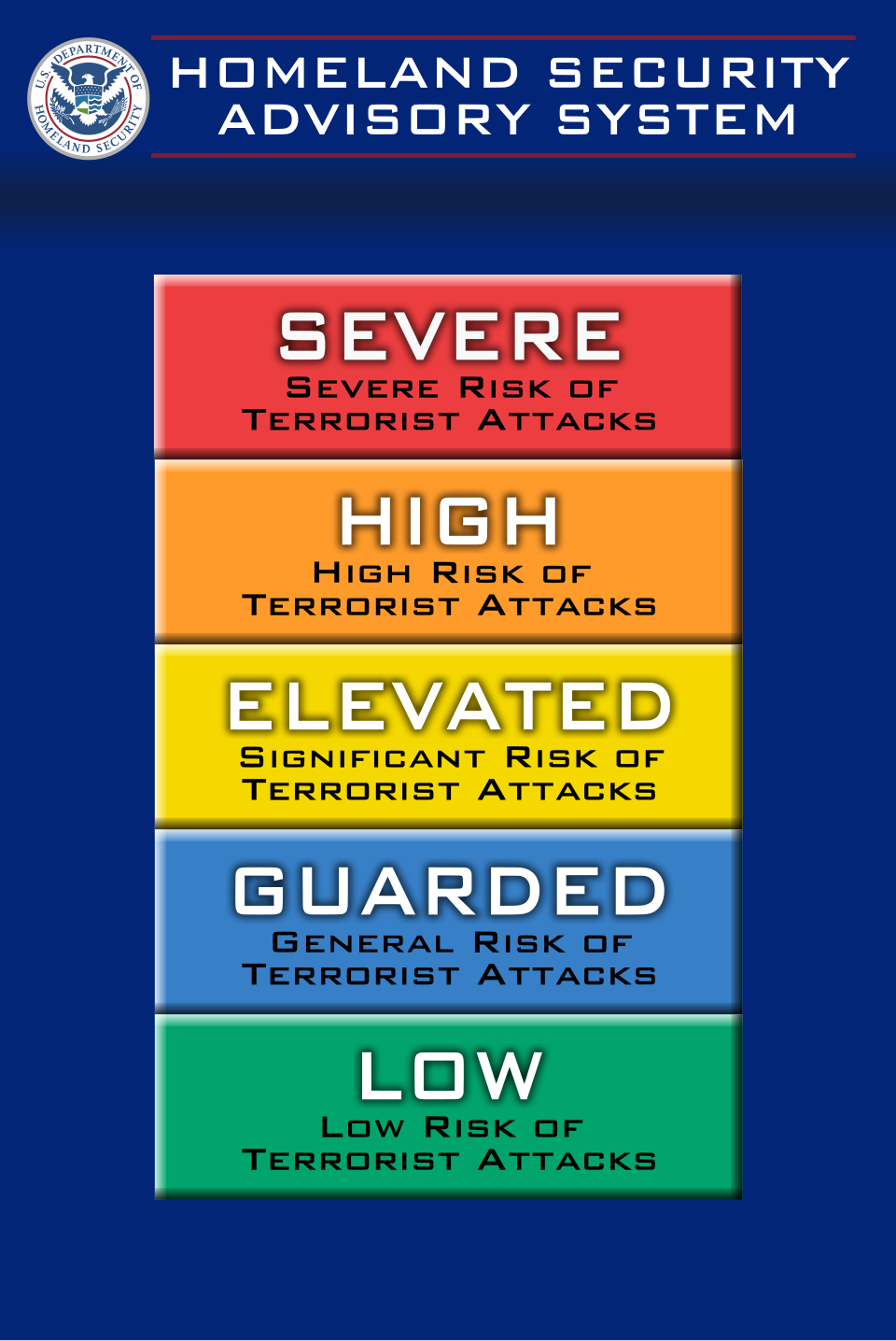
Key waterways remain critical to global commerce. Any disruption to shipping lanes reverberates worldwide, affecting everything from fuel prices to food supply.
Heightened naval patrols reflect growing concern that the Middle East security crisis could spill into maritime confrontation, drawing in external navies and complicating freedom of navigation.
Cyber and Asymmetric Dimensions
Conflict has expanded beyond traditional battlefields. Cyber operations, disinformation campaigns, and proxy engagements now shape strategic outcomes.
These asymmetric tools intensify the Middle East security crisis by blurring lines between war and peace, complicating attribution and response.
Domestic Pressures and Political Calculations
Internal political dynamics heavily influence regional decision-making. Leaders face pressure to appear strong while managing economic and social challenges at home.
This domestic context often limits flexibility, reinforcing the Middle East security crisis by prioritizing short-term political survival over long-term stability.
International Law and Accountability Challenges
Efforts to apply international law encounter enforcement obstacles. Investigations, resolutions, and sanctions often lack unanimity, weakening their deterrent effect.
Legal ambiguity contributes to the persistence of the Middle East security crisis, as actors calculate that consequences will remain manageable.
Media Narratives and Public Perception
Media coverage shapes global understanding of events. Sensationalism can amplify fear, while underreporting obscures humanitarian realities.
Balanced reporting is essential, yet the Middle East security crisis often unfolds through fragmented narratives that reinforce polarization rather than clarity.
The Risk of Regional Spillover
Instability rarely remains contained. Refugee flows, arms proliferation, and militant networks cross borders with ease.
Analysts warn that unchecked escalation could transform the Middle East security crisis into a broader international emergency, affecting regions far beyond its geographic boundaries.
Attempts at Regional Dialogue
Some regional initiatives aim to establish dialogue platforms independent of external powers. These efforts seek confidence-building through economic cooperation and security coordination.
While promising, such initiatives struggle against the entrenched dynamics sustaining the Middle East security crisis, requiring sustained political commitment to succeed.
Strategic Patience Versus Immediate Action
Debate continues over whether restraint or decisive intervention offers the best path forward. Both approaches carry risks.
The persistence of the Middle East security crisis reflects the difficulty of balancing deterrence with diplomacy in an environment shaped by historical grievances and strategic distrust.
One Expert Assessment
A regional security analyst observed,
“Lasting stability will require patience, restraint, and credible guarantees that no side currently trusts.”
Long-Term Outlook for Regional Stability
Looking ahead, the trajectory of the region depends on leadership choices, international coordination, and the ability to address root causes rather than symptoms.
Without structural reform, the Middle East security crisis is likely to remain a defining feature of global geopolitics in the years ahead.
A Moment That Will Define a Generation
The events unfolding in 2026 represent more than a series of isolated crises. They reflect a broader test of international order, diplomacy, and collective responsibility.
As Brussels Morning Newspaper continues its coverage, the region stands at a crossroads where decisions made today will shape security, prosperity, and human lives for generations to come.