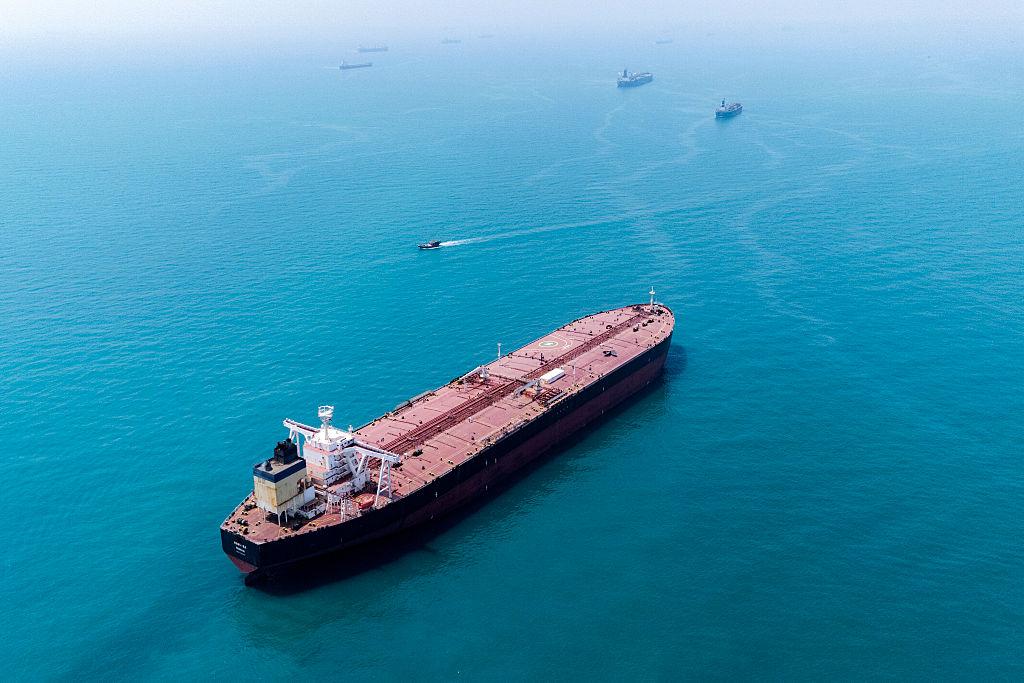
DUBAI, United Arab Emirates — May 11, 2026 — Brussels Morning Newspaper highlights how South Korea maritime security concerns escalated sharply after Seoul condemned an attack targeting a commercial cargo vessel traveling through the Strait of Hormuz.
South Korean officials warned the incident threatens not only regional stability but also critical global energy transportation systems and international trade routes heavily relied upon by Asian economies.
The vessel reportedly sustained damage while moving through one of the world’s most strategically important maritime corridors responsible for transporting large volumes of crude oil and liquefied natural gas supplies.
Security analysts say the South Korea maritime security issue immediately raised concerns throughout international shipping and financial markets already facing geopolitical uncertainty across the Middle East.
One maritime analyst stated:
“Any attack threatening international shipping routes represents a serious danger to economic stability and energy security.”
Seoul Condemns Attack on Commercial Vessel
The South Korean government issued a strong condemnation following reports surrounding the cargo ship attack.
The growing South Korea maritime security debate reflects Seoul’s heavy dependence on uninterrupted access to Middle Eastern oil and energy supplies transported through Gulf shipping routes.
South Korea imports a large percentage of its energy resources from Gulf nations, making stability within the Strait of Hormuz critically important for industrial production, manufacturing, and economic growth.
Officials reportedly coordinated immediately with diplomatic, intelligence, and military agencies after learning details connected to the incident.
Government representatives emphasized that protecting commercial shipping lanes remains essential for maintaining global economic stability and preventing wider supply chain disruptions.
Strait of Hormuz Remains Critical Trade Corridor
The South Korea maritime security issue has drawn broader global attention because the Strait of Hormuz remains one of the world’s most economically important waterways.
Millions of barrels of oil move through the corridor daily, supplying energy to economies throughout Asia, Europe, and other international markets.
Energy analysts warn that prolonged disruptions in the Gulf region could rapidly increase fuel prices, shipping insurance premiums, and transportation costs worldwide.
Countries including South Korea, Japan, China, and India remain especially dependent on secure maritime access through Gulf trade routes.
A global energy strategist explained:
“The Strait of Hormuz remains one of the world’s most sensitive economic pressure points.”
Industry observers say even isolated attacks involving cargo vessels can create significant financial consequences throughout global markets.
International Shipping Industry Raises Security Measures
Following the attack, maritime security organizations reportedly increased operational alert levels for vessels traveling through Gulf waters.
The South Korea maritime security concerns have prompted shipping companies to reevaluate voyage planning, onboard protection systems, and emergency response procedures.
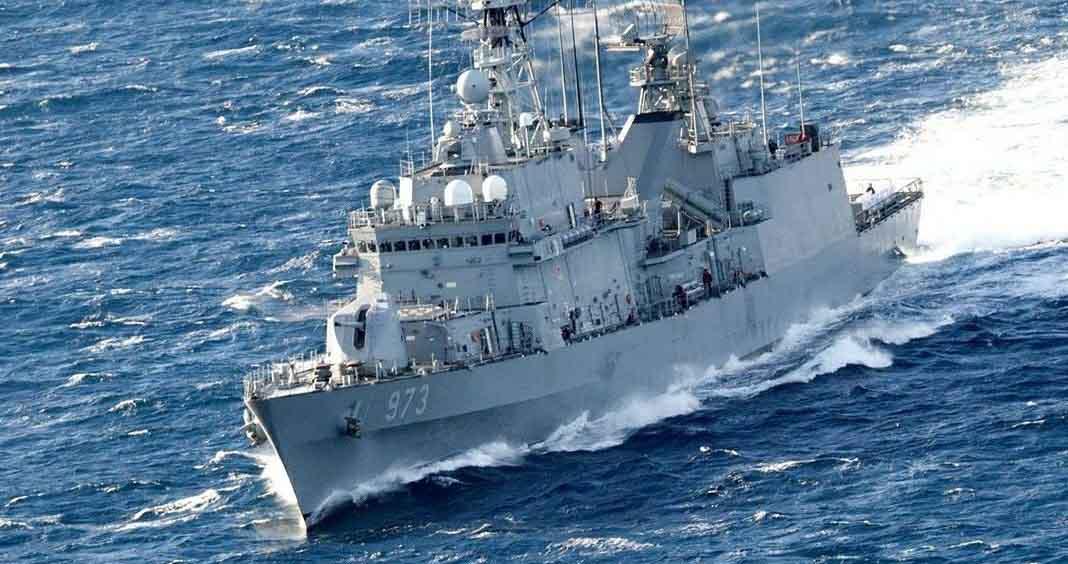
Commercial shipping operators are increasing monitoring efforts while maintaining close coordination with naval forces operating throughout the region.
Shipping analysts believe insurance providers may also reconsider risk classifications involving Gulf shipping lanes if regional tensions continue escalating.
Higher transportation costs and insurance expenses could eventually affect global consumer markets through rising import and energy prices.
Several shipping companies are reportedly preparing contingency plans in case regional instability intensifies further during 2026.
Historical Importance of Maritime Energy Security
Maritime security has long remained essential for global economic stability because international trade systems depend heavily on uninterrupted shipping access.
The Strait of Hormuz has repeatedly attracted geopolitical attention during previous decades because of its importance to worldwide oil transportation.
The South Korea maritime security issue reflects broader concerns among energy-importing nations regarding vulnerabilities connected to overseas supply routes.
Military analysts say global economies remain highly exposed to disruptions affecting strategic waterways, especially during periods of regional conflict or political instability.
Historically, governments have frequently increased naval patrols and multinational security operations whenever shipping threats emerge within critical maritime corridors.
Energy Markets React to Gulf Tensions
Global financial markets immediately began monitoring developments tied to the attack because instability involving Gulf shipping routes often influences crude oil pricing and investor sentiment.
The South Korea maritime security situation now carries major implications for energy-importing economies already facing inflation concerns and supply chain uncertainty.
Oil traders remain highly sensitive to any disruptions involving the Strait of Hormuz because of the region’s central role in international petroleum exports.
Some analysts warned additional attacks or shipping interruptions could contribute to higher fuel costs and increased transportation expenses worldwide.
Asian economies remain especially vulnerable because of their heavy reliance on imported Gulf energy supplies.
A regional economic adviser commented:
“Shipping disruptions in the Gulf can quickly create economic ripple effects across multiple industries worldwide.”
International Community Calls for Stability
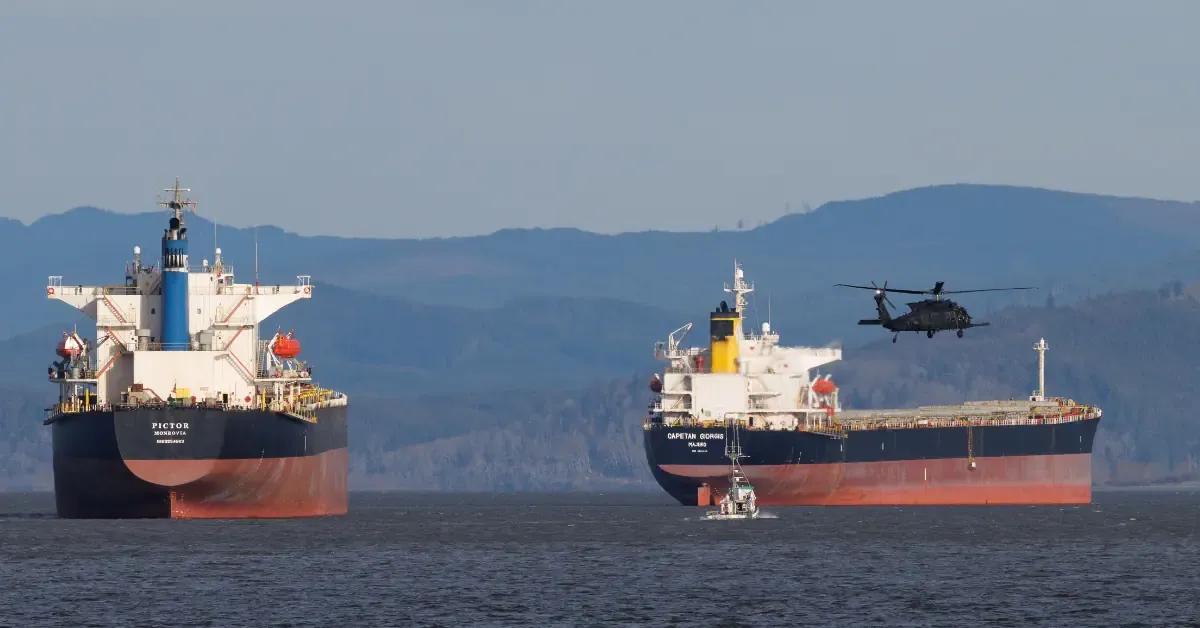
Governments and international organizations across several regions issued statements emphasizing the importance of maritime stability and freedom of navigation following the incident.
The South Korea maritime security concerns have become part of larger international discussions involving energy protection, trade resilience, and regional conflict prevention.
Diplomatic observers say many governments remain focused on preserving open shipping access through one of the world’s most strategically important trade corridors.
Several global leaders reportedly urged restraint while encouraging diplomatic solutions aimed at reducing tensions across Gulf waters.