SEOUL, South Korea – May 8, 2026 – Brussels Morning Newspaper — South Korea tech industry leaders are closely monitoring Samsung Electronics after the company’s labor union confirmed plans to enter mediation talks over a growing wage dispute. The negotiations are attracting worldwide attention because Samsung remains one of the most influential semiconductor and electronics manufacturers in the global economy.
- Samsung’s Role in the South Korean Economy
- Wage Negotiations Gain International Attention
- Semiconductor Supply Chains Remain Sensitive
- AI Growth Increases Industry Pressure
- Government Officials Watch Developments Closely
- The History of Labor Relations in South Korea’s Technology Sector
- Investors Monitor Market Stability
- Industry Outlook for 2026
- Economic Summary and Market Outlook
The dispute reportedly centers on salary increases, bonus structures, workplace conditions, and broader labor protections. Analysts believe the outcome of the mediation process could influence semiconductor production, investor confidence, and future labor relations across the wider South Korea tech industry.
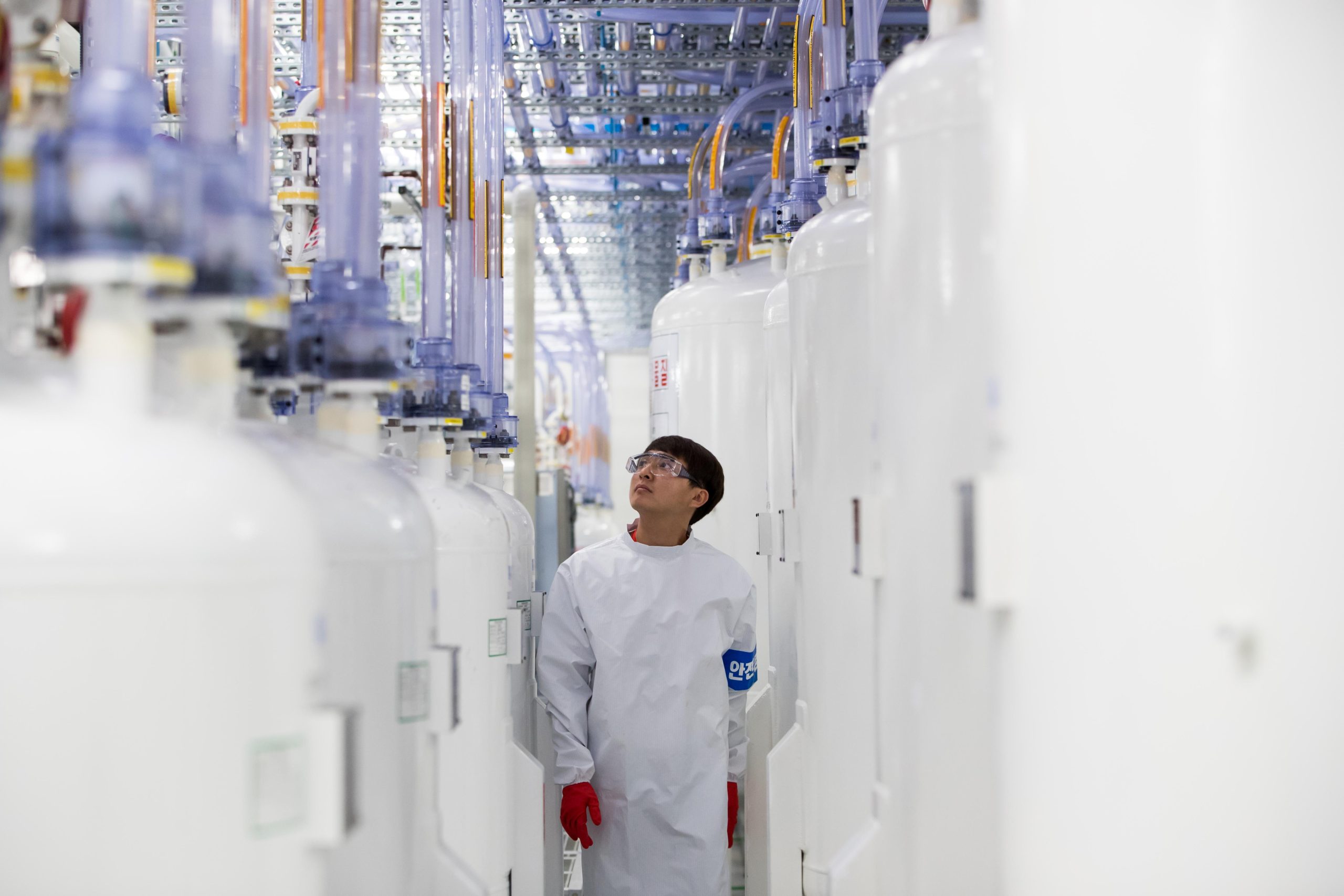
Samsung Electronics plays a major role in producing memory chips, smartphone components, displays, and advanced semiconductors used in artificial intelligence systems and cloud computing infrastructure.
“The semiconductor industry depends heavily on workforce stability,”
one technology analyst stated.
“Any labor uncertainty involving Samsung immediately becomes a global economic story.”
Samsung’s Role in the South Korean Economy
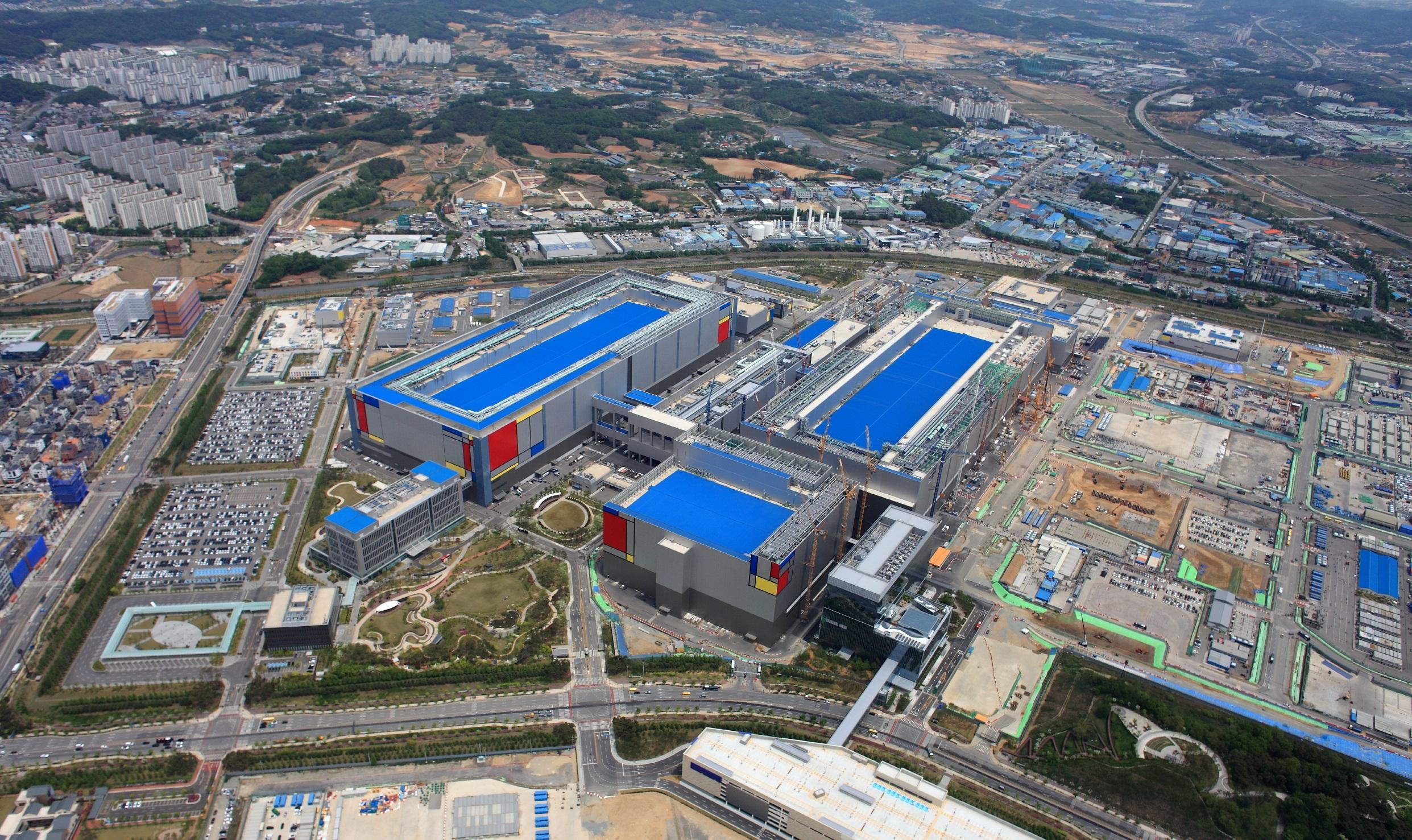
Samsung Electronics remains deeply connected to the national economy and is considered one of the most powerful corporations within the South Korea tech industry. The company contributes significantly to exports, industrial investment, and technology innovation throughout the country.
Economic analysts say Samsung’s performance often impacts broader market sentiment in South Korea because of its enormous influence across manufacturing and technology sectors.
The company has continued investing heavily in:
- Artificial intelligence semiconductors
- Smartphone innovation
- Advanced memory chips
- Cloud computing infrastructure
- Semiconductor research facilities
These investments have strengthened Samsung’s position within the global technology race while increasing the company’s importance to the broader South Korea tech industry.
Wage Negotiations Gain International Attention
The mediation talks are being closely monitored by investors, supply chain companies, and technology firms worldwide. Semiconductor production depends on continuous operations, making labor stability extremely important for major manufacturers.
Union representatives reportedly argue that workers deserve stronger compensation reflecting Samsung’s profitability and expanding role within the global semiconductor market.
Industry observers believe the negotiations could focus on:
- Higher wages
- Expanded employee benefits
- Improved workplace policies
- Long-term labor protections
The growing influence of organized labor is becoming an increasingly important factor across the South Korea tech industry as workers seek stronger representation during a period of rapid technology growth.
Semiconductor Supply Chains Remain Sensitive
Global semiconductor supply chains continue recovering from recent disruptions caused by geopolitical tensions, shipping delays, and manufacturing shortages. The Samsung mediation process is attracting added attention because any production instability could quickly impact international technology markets.
Semiconductors produced by Samsung support industries including:
- Artificial intelligence
- Consumer electronics
- Automotive manufacturing
- Telecommunications
- Data center infrastructure
Analysts warn that continued uncertainty within the South Korea tech industry could increase market volatility if major semiconductor production becomes affected.
“Modern economies are heavily dependent on semiconductor stability,”
a supply chain economist explained.
“The global market reacts quickly to labor uncertainty involving major chip producers.”
AI Growth Increases Industry Pressure
Artificial intelligence expansion has significantly increased global semiconductor demand throughout 2026. Samsung has invested aggressively in memory chips and AI-related hardware to compete with major rivals including TSMC, Intel, and SK Hynix.
The rapid growth of AI systems has created rising demand for:
- High-performance memory chips
- AI servers
- Advanced semiconductor packaging
- Cloud computing hardware
The continued expansion of AI infrastructure has placed additional operational pressure on the South Korea tech industry as companies attempt to scale production capacity while maintaining workforce stability.
Government Officials Watch Developments Closely
South Korean government officials are reportedly monitoring the mediation process carefully because of Samsung’s strategic importance to the country’s economy and export sector.
Semiconductor manufacturing has become increasingly tied to:
- National economic growth
- Technology competitiveness
- Supply chain security
- Industrial innovation
The government has continued supporting semiconductor expansion initiatives designed to strengthen the global position of the South Korea tech industry.
Industry analysts believe policymakers want to avoid prolonged disruptions that could weaken investor confidence or reduce export momentum during a period of growing international competition.
The History of Labor Relations in South Korea’s Technology Sector
Labor relations within South Korea’s major technology corporations have evolved significantly over recent decades. Historically, large conglomerates maintained highly centralized management systems with limited union influence.
However, growing public attention toward worker rights, compensation fairness, and corporate governance gradually increased labor activism throughout the South Korea tech industry.
Technology employees today are increasingly focused on:
- Workplace transparency
- Fair compensation structures
- Long-term employment security
- Better work-life balance
Experts believe labor negotiations will likely become more common as semiconductor profits and AI-related investments continue expanding globally.
Investors Monitor Market Stability
Financial markets remain highly sensitive to developments involving major semiconductor manufacturers because chips remain essential for nearly every modern technology sector.
Investors continue closely monitoring the South Korea tech industry because it plays a major role in global electronics production and semiconductor exports.
Samsung’s mediation talks are occurring during a period of heightened competition surrounding:
- Artificial intelligence hardware
- Semiconductor manufacturing leadership
- Global supply chain resilience
- Advanced technology exports
Analysts say successful mediation could stabilize investor sentiment while reinforcing confidence in Samsung’s long-term operational outlook.
Industry Outlook for 2026
Most industry observers expect mediation talks to continue over the coming weeks as union representatives and Samsung management attempt to reach compromise agreements.
The broader South Korea tech industry remains one of the world’s most influential technology ecosystems due to its leadership in semiconductors, displays, mobile devices, and AI-related hardware.
Despite labor tensions, long-term semiconductor demand is expected to remain strong as AI systems, cloud computing, and advanced electronics continue expanding worldwide.
The outcome of Samsung’s wage negotiations could influence future labor strategies across the global technology sector while shaping investor confidence throughout the remainder of 2026.
Economic Summary and Market Outlook
Samsung Electronics entering mediation talks over its wage dispute highlights the growing importance of labor stability within the global semiconductor market. Rising AI demand, expanding semiconductor investment, and international competition have increased pressure on manufacturers throughout the South Korea tech industry.
Analysts believe the mediation process could influence supply chain confidence, technology production stability, and broader investor sentiment during 2026. As governments and corporations continue prioritizing semiconductor expansion, labor relations are becoming an increasingly important part of the future global technology landscape.