TOKYO, Japan – May 8, 2026 – Brussels Morning Newspaper — AI imaging technology is becoming one of the fastest-growing sectors in the global semiconductor industry as Sony and Taiwan Semiconductor Manufacturing Company (TSMC) reportedly move forward with plans for a major joint venture in Japan focused on next-generation image sensors.
- Japan Strengthens Semiconductor Manufacturing
- Image Sensors Become Critical for AI Systems
- Sony and TSMC Expand Technology Cooperation
- Autonomous Vehicles Drive Sensor Demand
- Smartphone Industry Continues Camera Competition
- The History of Japan’s Semiconductor Industry
- Global Semiconductor Competition Intensifies
- Supply Chain Security Remains a Major Concern
- Technology Outlook for 2026
Industry analysts believe the proposed partnership could significantly strengthen Japan’s role in artificial intelligence infrastructure, advanced manufacturing, and semiconductor innovation. Sony remains one of the world’s leading image sensor producers, while TSMC dominates advanced chip fabrication across global markets.
The planned venture arrives during a period of intensifying competition among countries and technology companies seeking leadership in AI systems, autonomous vehicles, robotics, and smart electronics.
“Advanced visual processing is becoming central to artificial intelligence development,”
one semiconductor strategist stated.
“Image sensors will play a critical role in the future digital economy.”
Japan Strengthens Semiconductor Manufacturing
Japan has aggressively expanded efforts to revitalize its semiconductor industry following years of declining global market share. Government-backed investments and international partnerships have become increasingly important as nations seek to secure technology supply chains.
The Sony-TSMC project aligns with Japan’s broader strategy to strengthen:
- Domestic semiconductor production
- AI infrastructure development
- Advanced manufacturing capabilities
- Technology supply chain resilience
- Industrial automation systems
Officials view semiconductor independence as essential for long-term economic security and global competitiveness.
The growing demand for AI imaging technology has become a major driver behind international investment in next-generation chip production facilities.
Image Sensors Become Critical for AI Systems
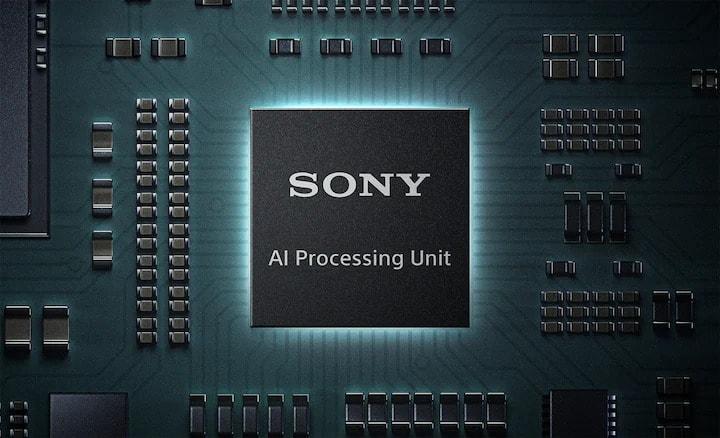
Image sensors are essential components that convert visual information into digital data for processing by computers and AI systems. These technologies are used across multiple industries, including smartphones, healthcare, automotive manufacturing, robotics, and security infrastructure.
Modern AI systems increasingly depend on high-speed visual processing to interpret surroundings, identify patterns, and automate decision-making.
Industries currently expanding use of AI imaging technology include:
- Autonomous transportation
- Industrial robotics
- Smart surveillance systems
- Medical diagnostics
- Consumer electronics
- Augmented reality platforms
Analysts expect global demand for advanced image sensors to rise sharply over the next decade.
Sony and TSMC Expand Technology Cooperation
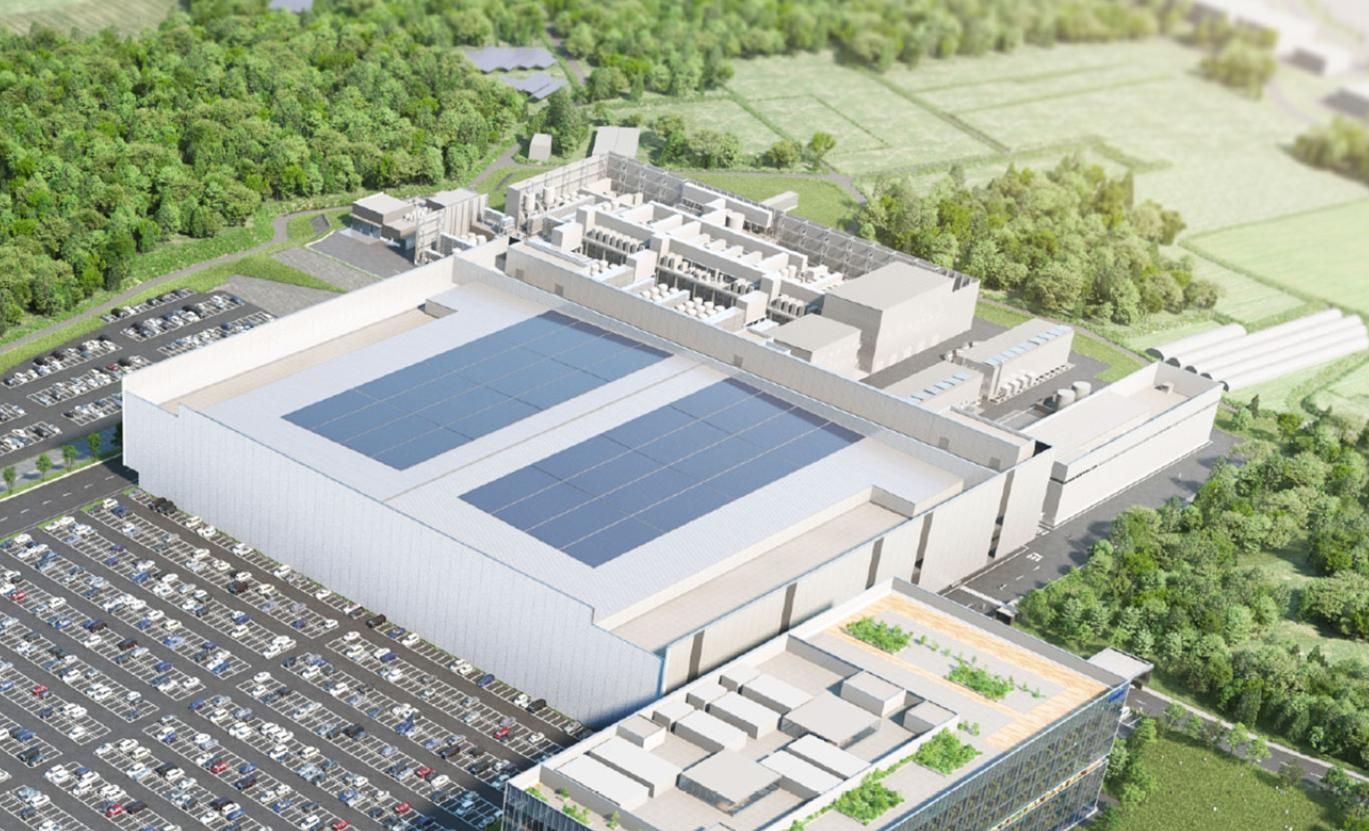
Sony and TSMC have previously collaborated on semiconductor operations in Japan, but the latest venture could deepen cooperation significantly.
Sony brings extensive expertise in imaging systems, while TSMC provides advanced semiconductor manufacturing capabilities. Together, the companies could accelerate production of next-generation chips designed specifically for AI-powered visual processing.
Industry experts believe the collaboration may focus on:
- Advanced CMOS image sensors
- AI-driven image processing
- High-performance semiconductor packaging
- Automotive vision systems
- Energy-efficient chip architectures
The semiconductor sector continues evolving rapidly as businesses race to meet rising AI-related demand.
Autonomous Vehicles Drive Sensor Demand
The automotive industry has emerged as one of the largest growth markets for advanced image sensors and AI-enabled chips.
Modern vehicles increasingly rely on cameras and AI systems for:
- Collision detection
- Lane monitoring
- Driver assistance features
- Autonomous navigation
- Pedestrian recognition systems
The expansion of electric vehicles and autonomous driving technology has significantly increased demand for AI imaging technology across global automotive markets.
Industry observers believe Sony and TSMC could become major suppliers of imaging systems for future transportation platforms.
“Smart mobility depends heavily on real-time visual analysis,”
one automotive technology analyst explained.
“Image sensors are becoming foundational for vehicle safety systems.”
Smartphone Industry Continues Camera Competition
Smartphone manufacturers continue competing aggressively through imaging innovation despite slower overall device sales growth.
Consumers increasingly prioritize:
- AI-enhanced photography
- Low-light camera performance
- Advanced video recording
- Real-time image optimization
- High-resolution visual processing
Sony already supplies image sensors used in many premium smartphones worldwide. The new venture with TSMC could further improve production efficiency and technological advancement.
The expansion of AI imaging technology within smartphones is expected to remain a major industry trend throughout 2026.
The History of Japan’s Semiconductor Industry
Japan once dominated large segments of the global semiconductor industry during the 1980s and early 1990s. Japanese companies were considered leaders in electronics manufacturing, memory chips, and industrial technology innovation.
Over time, competition from Taiwan, South Korea, China, and the United States reduced Japan’s market dominance. However, recent global supply chain disruptions have renewed interest in rebuilding advanced semiconductor manufacturing within Japan.
The current push surrounding AI imaging technology reflects broader international efforts to secure critical technology infrastructure and reduce dependence on concentrated production regions.
Global Semiconductor Competition Intensifies
Semiconductors have become one of the most strategically important industries in the world. Governments increasingly view chip manufacturing as essential for economic security, military systems, telecommunications, and AI leadership.
Countries worldwide are investing billions into domestic semiconductor expansion to strengthen technological independence.
Major growth sectors driving semiconductor demand include:
- Artificial intelligence
- Cloud computing
- Robotics
- Smart manufacturing
- Telecommunications networks
- Defense systems
Industry experts say the Sony-TSMC venture highlights how technology partnerships are becoming increasingly important for maintaining competitive advantages.
Supply Chain Security Remains a Major Concern
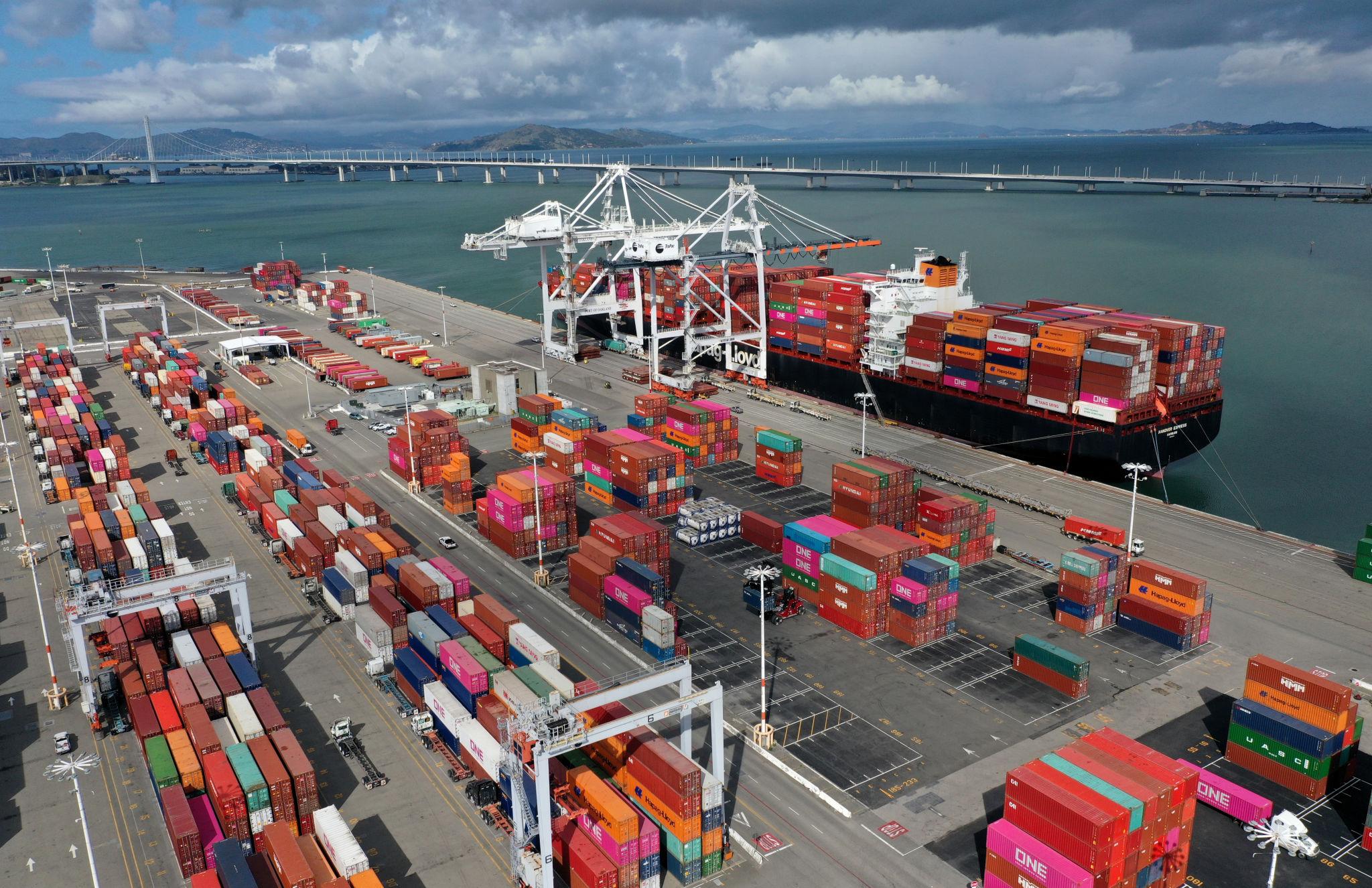
Recent global disruptions exposed vulnerabilities in semiconductor supply chains, including shipping delays, geopolitical tensions, and manufacturing bottlenecks.
Companies are now focusing heavily on:
- Supplier diversification
- Regional production expansion
- Inventory flexibility
- Strategic technology partnerships
The proposed Japan venture could help improve long-term semiconductor supply stability while supporting growing global demand for AI imaging technology.
“The semiconductor race is no longer only commercial,”
a global technology economist stated.
“It has become deeply tied to national security and economic resilience.”
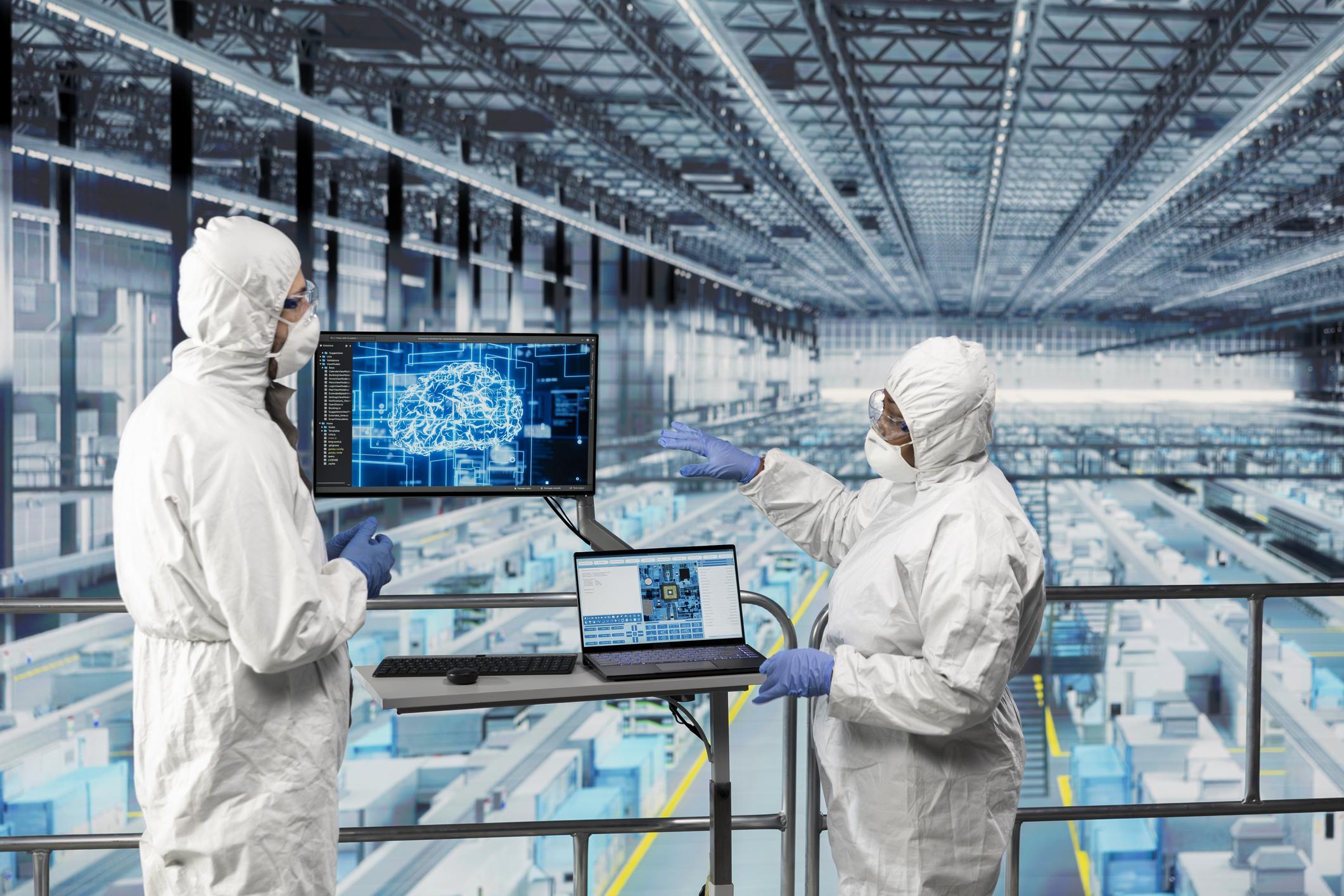
Technology Outlook for 2026
Industry analysts expect semiconductor demand to remain strong through the remainder of 2026 as AI systems continue expanding across multiple sectors.
The Sony-TSMC collaboration could become one of the most influential semiconductor partnerships announced this year if development plans move forward successfully.
Advances in AI imaging technology are expected to shape the future of robotics, healthcare, autonomous transportation, consumer electronics, and industrial automation.
As governments and corporations compete for leadership in advanced technologies, semiconductor manufacturing will likely remain central to global economic and geopolitical strategy.