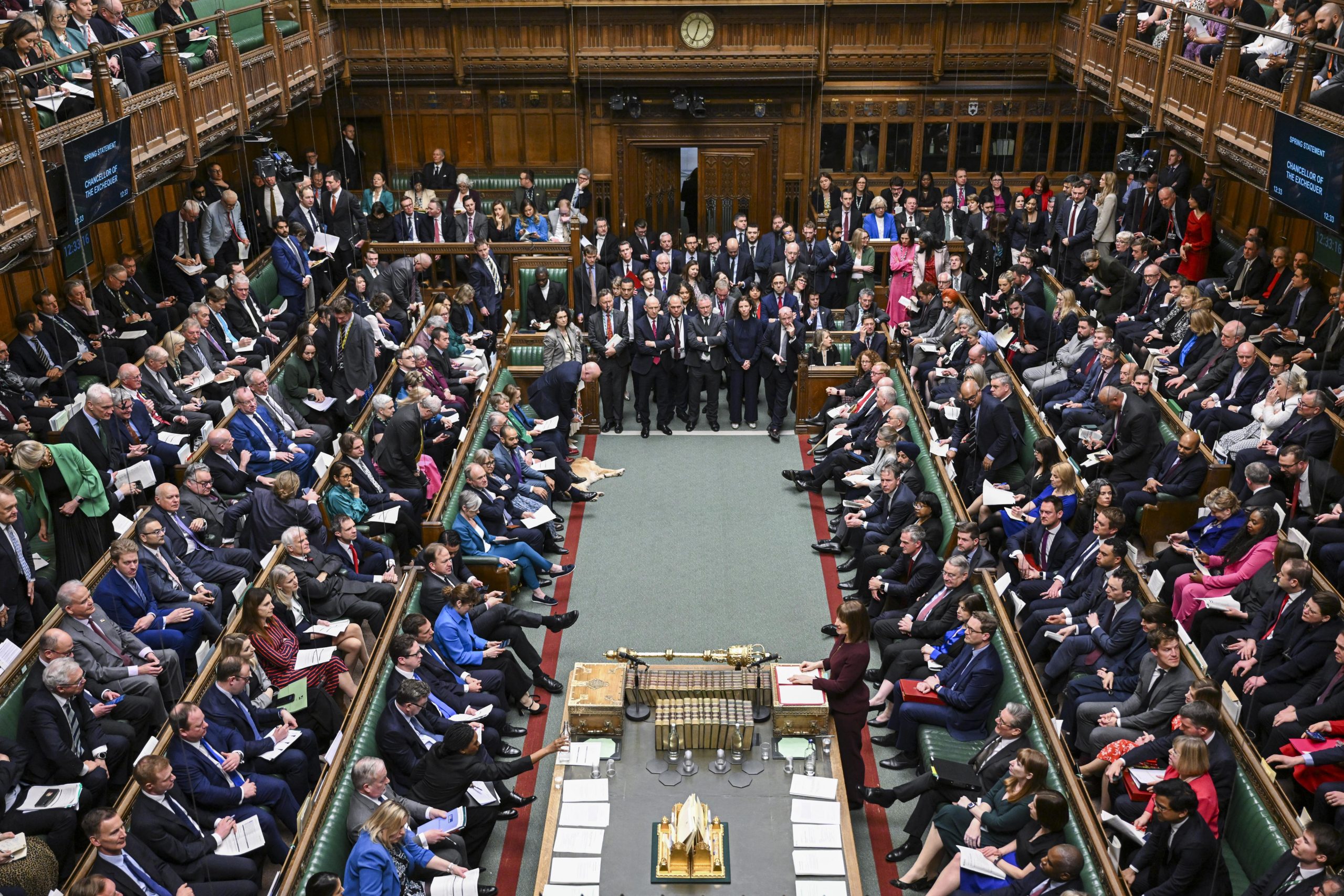
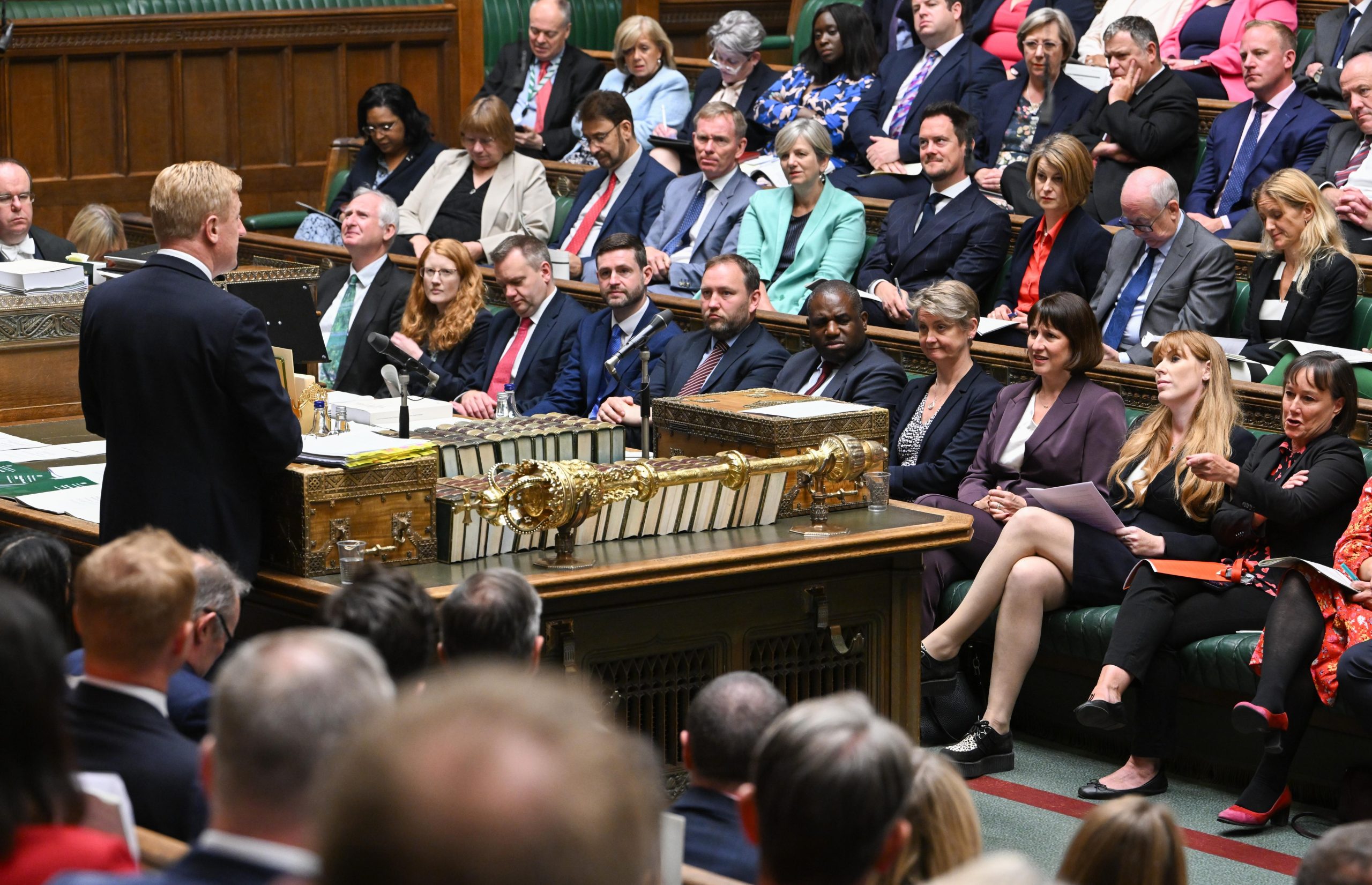
London, United Kingdom – April 18, 2026 — Brussels Morning Newspaper – UK Parliament sanctions discussion is taking center stage in April 2026 as British lawmakers debate potential measures in response to Israel’s reported plans regarding the West Bank. The issue has triggered renewed urgency within Parliament, drawing attention to the United Kingdom’s foreign policy stance and its role in addressing international disputes.
- Lawmakers push for decisive measures
- Political divisions emerge within Parliament
- International pressure and global reactions
- Implications for Middle East stability
- Economic and diplomatic considerations
- UK Parliament sanctions discussion reaches a critical stage
- Public and expert perspectives
- What comes next?
- A defining policy moment
The growing debate reflects heightened concern among MPs about the implications of annexation, including its potential impact on regional stability, international law, and long-standing diplomatic frameworks.
Lawmakers push for decisive measures
The UK Parliament sanctions discussion has intensified with several MPs urging the government to consider stronger responses, including economic and political measures. Supporters argue that meaningful action is necessary to send a clear message and uphold international norms.
Others emphasize that diplomatic engagement should remain the priority, cautioning against steps that could escalate tensions further. This divide illustrates the complexity of policy decisions in a sensitive geopolitical environment.
A senior MP commented:
“There comes a point where discussion must lead to action, or it risks losing credibility.”
Political divisions emerge within Parliament
While the UK Parliament sanctions discussion continues to evolve, it has revealed notable divisions among lawmakers. Some advocate immediate sanctions as a demonstration of accountability, while others call for a measured approach focused on dialogue and negotiation.
Government representatives have acknowledged the concerns raised but have not committed to a definitive course of action. This cautious stance reflects the need to balance diplomatic relationships with broader strategic interests.
International pressure and global reactions
The UK Parliament sanctions discussion is unfolding alongside increasing international scrutiny. Governments and organizations worldwide are closely monitoring developments, with many expressing concern about the potential consequences of annexation.
This growing attention has placed additional pressure on the United Kingdom to clarify its position and align its response with international expectations.
Implications for Middle East stability
The situation in the West Bank remains a critical issue with far-reaching consequences. Analysts warn that any move toward annexation could disrupt existing agreements and escalate tensions across the region.
The UK Parliament sanctions discussion highlights concerns that failing to respond effectively could weaken international efforts to maintain stability and support peace initiatives.
Economic and diplomatic considerations
Sanctions, if implemented, could carry significant economic and diplomatic consequences. Trade relationships, political alliances, and regional dynamics may all be affected, making the decision particularly complex.
The UK Parliament sanctions discussion underscores the importance of carefully weighing potential outcomes. While sanctions may demonstrate strong opposition, they also require strategic planning to ensure effectiveness.
UK Parliament sanctions discussion reaches a critical stage
“This moment will define whether policy reflects principle or remains limited to rhetoric.”
Public and expert perspectives
Public opinion and expert analysis continue to influence the UK Parliament sanctions discussion. Some view sanctions as a necessary step toward accountability, while others question their long-term effectiveness without coordinated international support.
Experts stress that multilateral efforts are likely to have a greater impact, emphasizing the importance of collaboration among global stakeholders.
What comes next?
The coming weeks are expected to be pivotal as discussions continue within Parliament and across diplomatic channels. The UK Parliament sanctions discussion is likely to shape both domestic policy decisions and international relations.
Government actions will depend on a range of factors, including geopolitical developments, economic considerations, and the evolving situation on the ground.
A defining policy moment
The UK Parliament sanctions discussion represents a critical moment in foreign policy, reflecting broader concerns about international law and regional stability. As lawmakers debate their next steps, the outcome will have implications beyond the United Kingdom.
While no final decisions have been announced, the debate underscores the need for a balanced approach that combines diplomacy, accountability, and strategic foresight. The direction taken in the weeks ahead will play a significant role in shaping future relations and responses to global challenges.