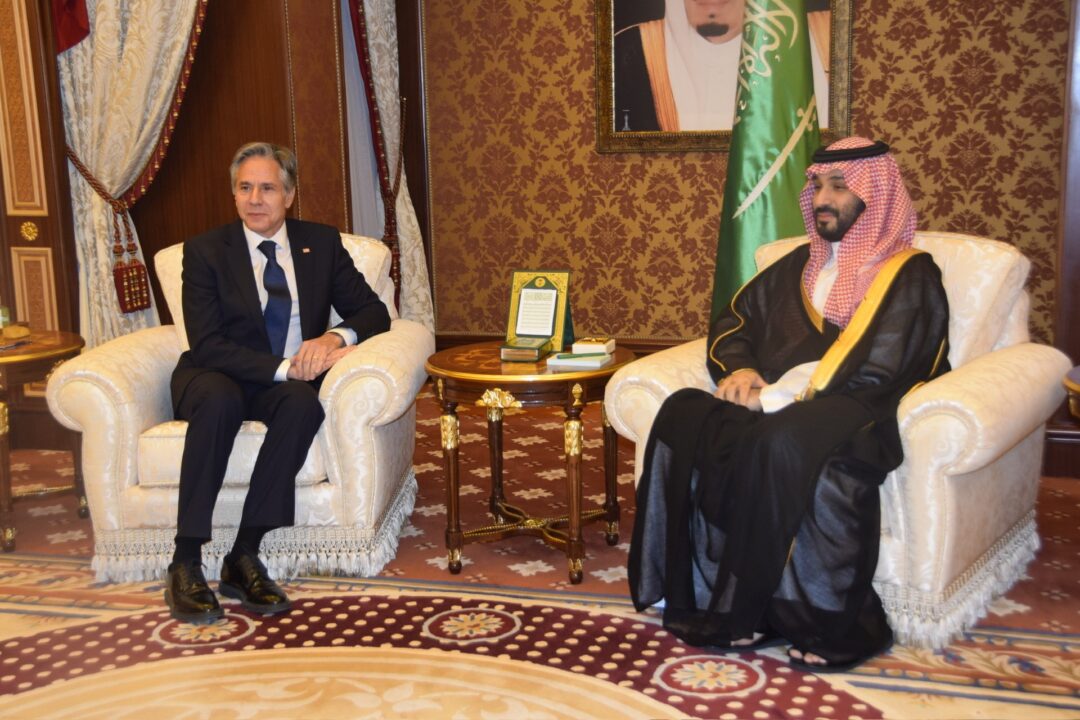
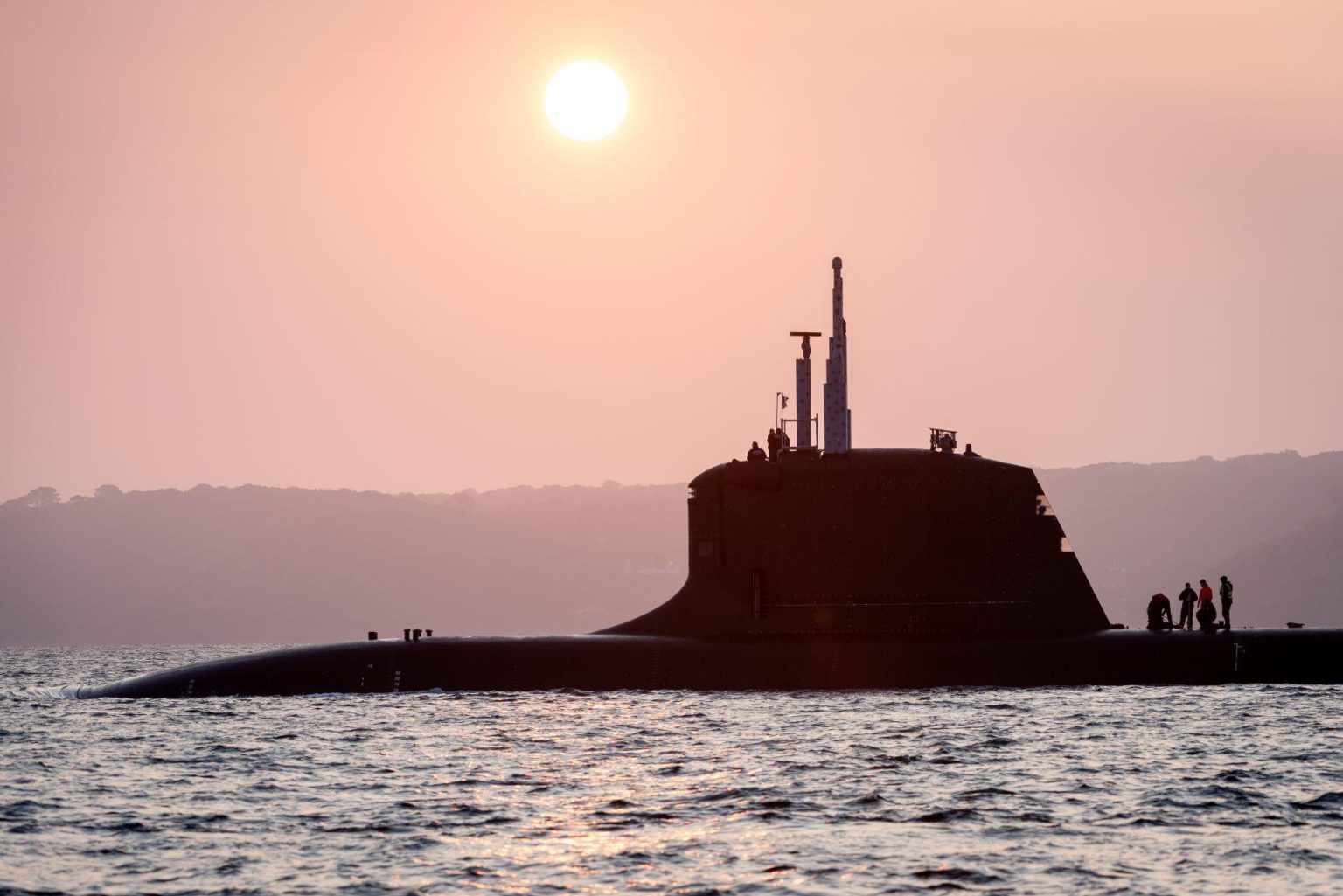
OSLO, Norway – May 27 – Brussels Morning Newspaper — European nuclear deterrence discussions are gaining momentum after Norwegian Prime Minister Jonas Gahr Støre indicated that Norway would come under France’s nuclear umbrella, marking a potentially significant development in Europe’s evolving security structure.
- France Expands Its Strategic Security Influence
- Norway’s Position Raises Regional Attention
- Arctic Security Becomes a Growing Concern
- NATO Remains Central to European Defense
- Historical Context Behind France’s Nuclear Doctrine
- Defense Spending Rises Across Europe
- European Security Outlook 2026
- Europe Faces Long-Term Security Decisions
- Europe’s Defense Debate Enters a New Phase
The statement comes during a period of heightened geopolitical uncertainty, increasing Arctic military activity, and growing debate over Europe’s long-term defense independence.
France, the European Union’s only nuclear-armed member state, has increasingly promoted stronger European strategic autonomy while encouraging deeper defense coordination among allied nations.
A European defense analyst said,
“The future of European security is now being shaped by both regional threats and the need for stronger collective deterrence.”
France Expands Its Strategic Security Influence
France has spent years advocating for greater European military coordination and reduced dependence on outside powers for long-term defense planning.
The growing focus on European nuclear deterrence reflects concerns surrounding:
- Regional military tensions
- Arctic security risks
- Long-term NATO readiness
- Energy infrastructure protection
- Strategic defense independence
French President Emmanuel Macron has repeatedly emphasized the importance of strengthening Europe’s own defense capabilities while maintaining NATO cooperation.
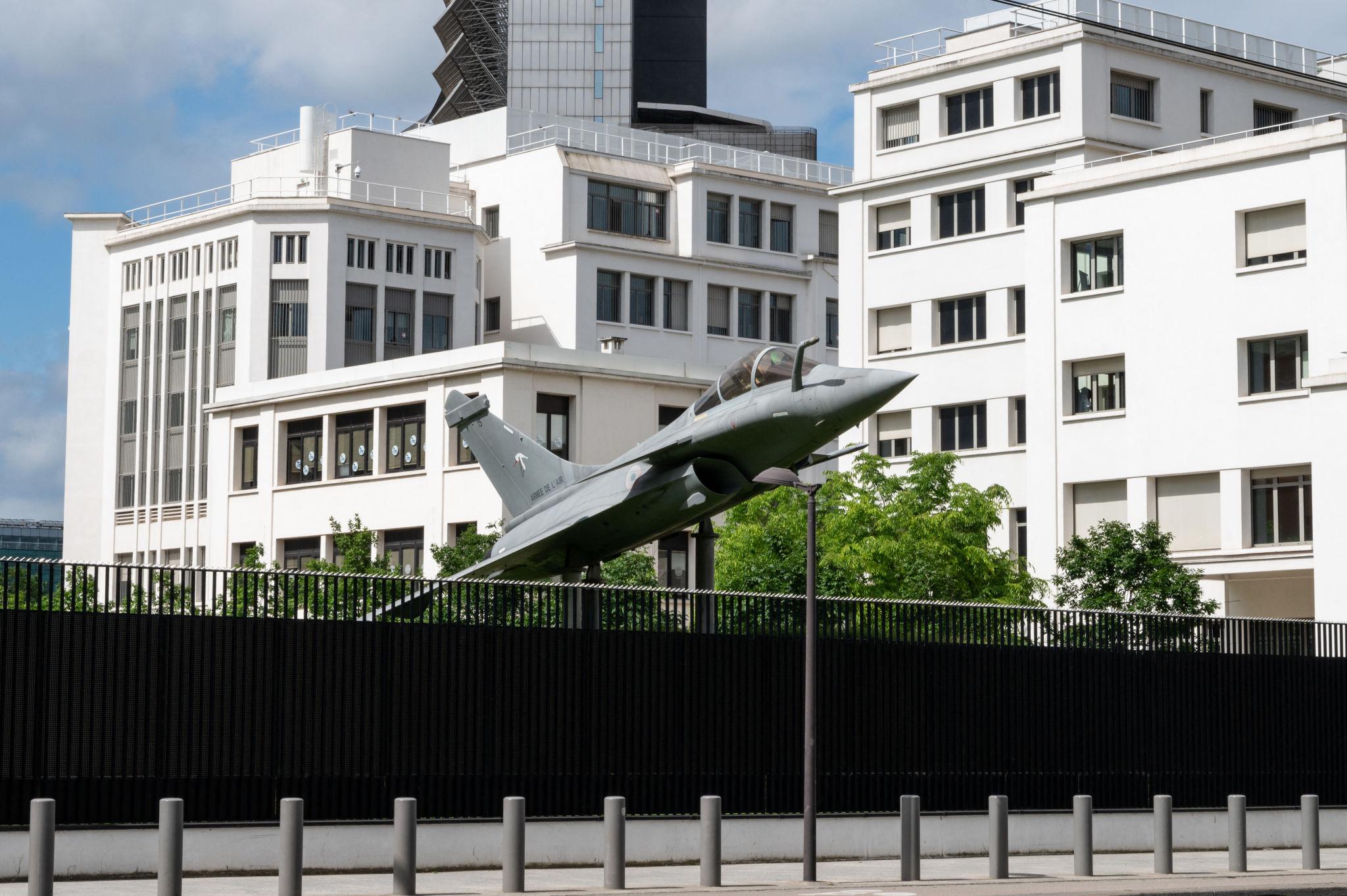
France’s nuclear arsenal includes submarine-launched ballistic missiles and advanced air-based nuclear systems, giving Paris a unique role within European security discussions.
Norway’s Position Raises Regional Attention
Norway occupies one of Europe’s most strategically important positions because of its Arctic territory and direct border with Russia.
Security experts believe Norway’s alignment with discussions surrounding European nuclear deterrence reflects broader changes in Nordic defense planning.
The country has significantly increased military investment in recent years while strengthening Arctic surveillance and regional defense cooperation.
Norway’s importance has also grown because of its role as a major supplier of natural gas to European markets, particularly following disruptions in global energy supply chains.
A Nordic policy researcher stated, “Norway’s geographic location places it at the center of Arctic security and European energy stability.”
Arctic Security Becomes a Growing Concern
The Arctic region has emerged as a major geopolitical focus due to:
- Increased military activity
- Expanding shipping routes
- Competition for natural resources
- Strategic infrastructure concerns
- Climate-related territorial access changes
The debate surrounding European nuclear deterrence is increasingly connected to Arctic security because northern regions are becoming more militarized.
Defense planners across Europe are now placing greater emphasis on protecting Arctic infrastructure, communication systems, and maritime trade routes.
Military exercises involving NATO allies have also expanded in northern territories over the past several years.
NATO Remains Central to European Defense
Despite growing discussions around European nuclear deterrence, NATO continues to serve as the primary security framework for most European nations.
Norwegian officials have stressed that France’s nuclear role would complement—not replace—the broader NATO alliance structure.
However, some analysts argue that Europe may seek additional independent defense capabilities as global geopolitical dynamics continue shifting.
France has consistently maintained that stronger European defense systems could ultimately strengthen NATO by increasing Europe’s military readiness and operational flexibility.
Historical Context Behind France’s Nuclear Doctrine
France developed its independent nuclear deterrent during the Cold War under President Charles de Gaulle, who believed strategic independence was essential for national sovereignty.
Unlike some NATO members, France historically maintained direct national control over its nuclear arsenal.
Historical Cycles of European Nuclear Strategy
| Period | Major Development | Impact |
|---|---|---|
| 1960s | France develops nuclear weapons | Independent deterrence established |
| Cold War Era | NATO deterrence expands | European defense coordination grows |
| 1990s | European security integration | Military cooperation increases |
| 2010–2025 | Strategic autonomy debates intensify | Defense independence discussions |
| 2026 Forward | Norway-France alignment discussions | Expanded deterrence debate |
The current focus on European nuclear deterrence reflects how Europe’s security priorities are evolving amid changing geopolitical realities.
Defense Spending Rises Across Europe
European governments have sharply increased military spending over the past several years in response to:
- Regional instability
- Cybersecurity threats
- Infrastructure vulnerability concerns
- Military modernization needs
- Arctic strategic competition
The discussion surrounding European nuclear deterrence has intensified as countries reassess long-term readiness and crisis response strategies.
Several governments are investing heavily in missile defense systems, naval modernization, surveillance technology, and rapid deployment capabilities.
Security analysts say Europe’s defense transformation could continue accelerating throughout the remainder of the decade.
European Security Outlook 2026
| Category | Current Status |
|---|---|
| EU Nuclear Power | France |
| Norway NATO Membership | Active |
| Main Strategic Focus | Arctic & Regional Security |
| France Nuclear Capability | Air and Sea-Based |
| Key Regional Concern | Long-Term Deterrence |
| Major Debate | European Defense Independence |
Europe Faces Long-Term Security Decisions
The future of European nuclear deterrence remains uncertain as governments balance NATO commitments with calls for stronger European strategic autonomy.
Some experts believe Europe will gradually deepen independent defense cooperation while remaining closely tied to NATO structures.
Others warn that expanding nuclear deterrence discussions may create political tensions among alliance members with differing defense priorities.
A Brussels-based defense consultant said,
“Europe is entering a period where long-term security planning is becoming increasingly complex and politically sensitive.”
Europe’s Defense Debate Enters a New Phase
Norway’s comments regarding France’s nuclear umbrella reflect broader shifts occurring across Europe’s security landscape. Rising geopolitical tensions, Arctic competition, and evolving military threats are forcing governments to reassess long-standing defense strategies.
The growing debate surrounding European nuclear deterrence highlights how European nations are exploring new ways to strengthen regional stability while maintaining alliance unity.
Although NATO remains central to European defense policy, France’s expanding strategic influence suggests Europe’s military structure may continue evolving in the years ahead.