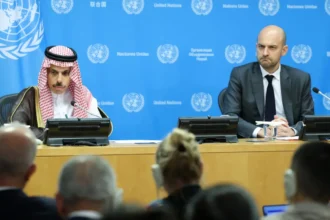

TEHRAN, February 15, 2026 — Brussels Morning Newspaper — Iran energy sector investment has emerged as a defining economic priority in Tehran in 2026, as officials signal structured modernization efforts aimed at strengthening domestic growth and stabilizing long term energy output. The renewed attention to Iran energy sector investment comes at a moment of heightened global market sensitivity, with investors closely tracking supply dynamics across major producing nations.
Policymakers in Tehran have framed Iran energy sector investment as central to economic resilience, employment generation, and strategic positioning in international energy markets. While formal agreements have yet to be finalized, the tone of discussions indicates a calculated shift toward phased reform and infrastructure renewal.
Strategic Energy Modernization Framework
Energy remains the backbone of Iran’s economy. With vast reserves of oil and natural gas, the country holds significant potential to influence regional supply patterns. However, years of limited capital inflows and aging infrastructure have constrained efficiency.
The renewed policy emphasis on Iran energy sector investment is focused on upgrading extraction technology, expanding refining capacity, and reinforcing pipeline systems. Energy planners are evaluating digital monitoring tools, offshore platform modernization, and enhanced recovery techniques to optimize output without triggering abrupt production surges.
A senior economic adviser stated,
“Sustainable modernization requires discipline, transparency, and long term planning.”
This statement reflects the broader institutional approach currently shaping strategic discussions.
Global Market Sensitivity in 2026
International energy markets in 2026 remain highly responsive to geopolitical signals. Even modest announcements regarding Iran energy sector investment can influence forward pricing expectations and investor sentiment.
Financial institutions are assessing regulatory clarity and long term policy consistency before adjusting exposure. Investors generally favor phased development with measurable milestones over rapid expansion without institutional safeguards.
Analysts suggest that predictability in regulatory frameworks will be critical for sustaining confidence in cross border energy cooperation.
Infrastructure Renewal and Industrial Capacity
Much of the current modernization plan centers on infrastructure resilience. Refinery upgrades, storage capacity expansion, and improved transportation networks are under evaluation.
Technical experts argue that Iran energy sector investment must incorporate advanced engineering standards to enhance operational efficiency while addressing environmental expectations. Integrating sustainability benchmarks into energy expansion plans could strengthen credibility in global markets increasingly guided by climate considerations.
Industrial capacity improvements may also reduce domestic fuel shortages and enhance export flexibility.
Economic Impact on Domestic Growth
Large scale energy modernization has implications beyond the oil fields. Construction, transportation, manufacturing, and service sectors often experience growth when infrastructure projects accelerate.
Officials have emphasized that Iran energy sector investment is intended to generate employment opportunities across multiple regions. Economic multipliers associated with energy development can stimulate broader productivity gains.
A Tehran based financial strategist commented,
“Energy revitalization supports national stability when managed through structured reform.”
This perspective underscores the economic logic guiding current policy discussions.
Regulatory Evolution and Investment Safeguards
Attracting sustainable capital requires regulatory credibility. Policymakers are considering adjustments designed to strengthen transparency, streamline licensing processes, and clarify taxation mechanisms.
Institutional reforms linked to Iran energy sector investment aim to provide legal assurance while preserving sovereign oversight. Contract enforcement consistency will likely determine the pace of external participation.
Financial analysts note that regulatory predictability often outweighs short term incentives when evaluating long horizon projects.
Regional Strategic Balance
Energy dynamics in the Middle East are closely interconnected. Regional producers monitor each other’s production capacity, export corridors, and investment flows.
Renewed emphasis on Iran energy sector investment may influence regional calculations regarding supply coordination and market positioning. Transparent production targets and stable export strategies can reduce volatility.
Diplomatic engagement often intersects with energy planning, creating a complex interplay between economic and strategic objectives.
Historical Evolution of Iran Energy Sector Investment
Energy development has shaped Iran’s economic trajectory for more than a century. Early oil discoveries positioned the country as a major regional producer, while subsequent political shifts altered operational structures and foreign participation models.
Periods of collaboration brought technological expansion and infrastructure growth. Conversely, restrictive phases limited capital inflows and slowed modernization efforts. The current momentum surrounding Iran energy sector investment reflects lessons learned from those historical cycles.
Analysts suggest that sustainable growth requires balancing historical experience with contemporary governance standards. Institutional resilience remains as important as financial capital in ensuring long term stability.
Environmental Standards and Energy Transition Pressures
Energy markets in 2026 are defined not only by supply concerns but also by sustainability expectations. Carbon management strategies, emission reductions, and responsible extraction practices influence investor decision making.
Incorporating environmental safeguards into Iran energy sector investment frameworks may enhance long term competitiveness. Policymakers appear aware that aligning with evolving international standards could mitigate future regulatory friction.
Energy economists argue that modernization and environmental compliance can coexist if structured carefully.
Investor Sentiment and Risk Calculations
Market participants remain attentive but cautious. Portfolio managers typically evaluate political stability, legal transparency, and operational readiness before committing capital.
Even discussions surrounding Iran energy sector investment can shift forward looking expectations. Financial models often incorporate anticipated policy changes into pricing structures well before formal agreements are finalized.
Confidence will likely depend on the continuity of reform implementation rather than isolated announcements.
Energy Security and Long Term Vision
Global energy security remains a central theme in 2026. Diversified supply routes, resilient infrastructure, and stable governance frameworks contribute to market stability.
Strategists suggest that credible Iran energy sector investment initiatives could support broader supply diversification if integrated into predictable international systems. Storage capacity expansion and export route modernization may enhance resilience.
Energy planning typically spans multiple years, requiring steady policy alignment to achieve measurable outcomes.
Economic Diplomacy and Strategic Timing
The timing of renewed modernization efforts is significant. Inflationary pressures and supply chain adjustments have heightened attention to resource reliability.
Iran energy sector investment is unfolding within this broader context, where energy policy intersects with macroeconomic stabilization. Structured engagement may serve as both an economic catalyst and a diplomatic bridge.
Observers emphasize that gradual implementation reduces the risk of sudden market disruption.
Forward Outlook for 2026 and Beyond
Negotiations and policy refinements remain ongoing. Officials have avoided definitive timelines, underscoring the complexity of aligning domestic reform with global expectations.
The trajectory of Iran energy sector investment will depend on transparent governance, phased benchmarks, and sustained political commitment. Long term success requires institutional consistency rather than short term momentum.
As 2026 progresses, Tehran’s modernization strategy may redefine its position within regional energy networks. Market participants are watching carefully, recognizing that incremental policy shifts can carry substantial economic implications.
Defining Energy Realignment in a Transitional Era
Energy policy in 2026 is shaped by both opportunity and constraint. Nations balancing resource wealth with global sustainability standards face complex decisions.
Iran energy sector investment now stands at a strategic crossroads. If modernization advances through credible regulatory reform and disciplined execution, the sector could experience gradual transformation.
Should implementation falter, investor caution may persist. Ultimately, the durability of this economic shift will depend on transparent governance, institutional resilience, and consistent adherence to long term development goals.