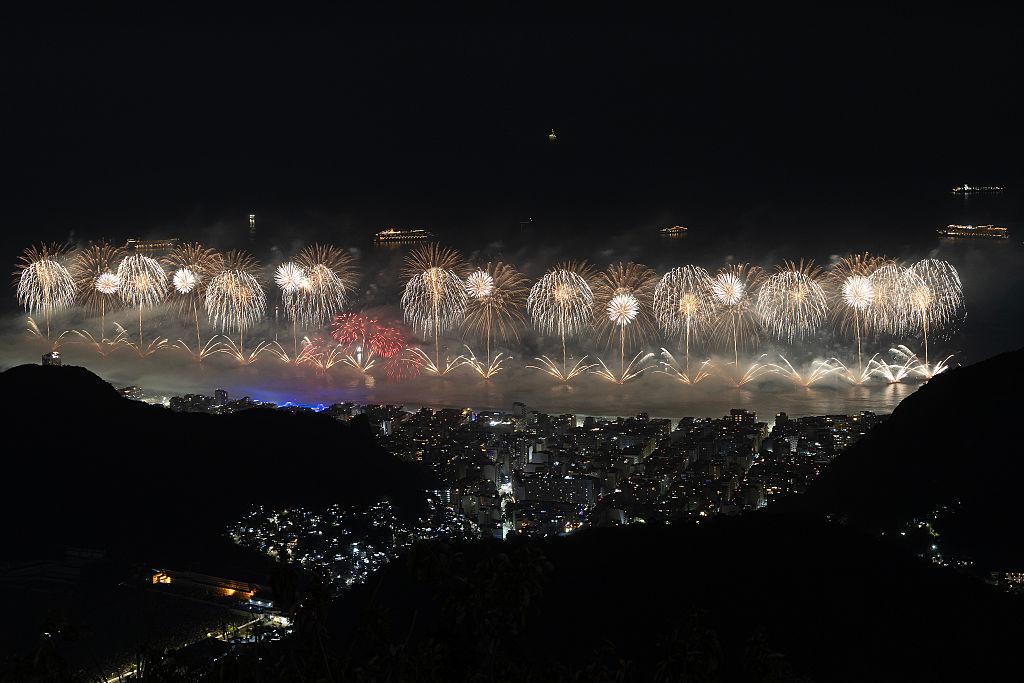
RIO DE JANEIRO, Brazil — February 15, 2026 — Brussels Morning Newspaper — Rio Carnival 2026 officially opened in Rio de Janeiro, Brazil, on February 15, 2026, bringing together millions of spectators, performers, and international visitors for one of the world’s most recognized cultural celebrations. Streets across the city filled with music and movement as samba schools unveiled months of preparation inside the Sambadrome and neighborhood blocos carried festivities late into the night.
From Copacabana to Lapa, the atmosphere reflected both tradition and transformation. City officials described the early turnout as strong, with international arrivals exceeding expectations for the opening weekend. Rio Carnival 2026 once again placed Brazil at the center of global cultural attention.
Opening Night Spectacle at the Sambadrome
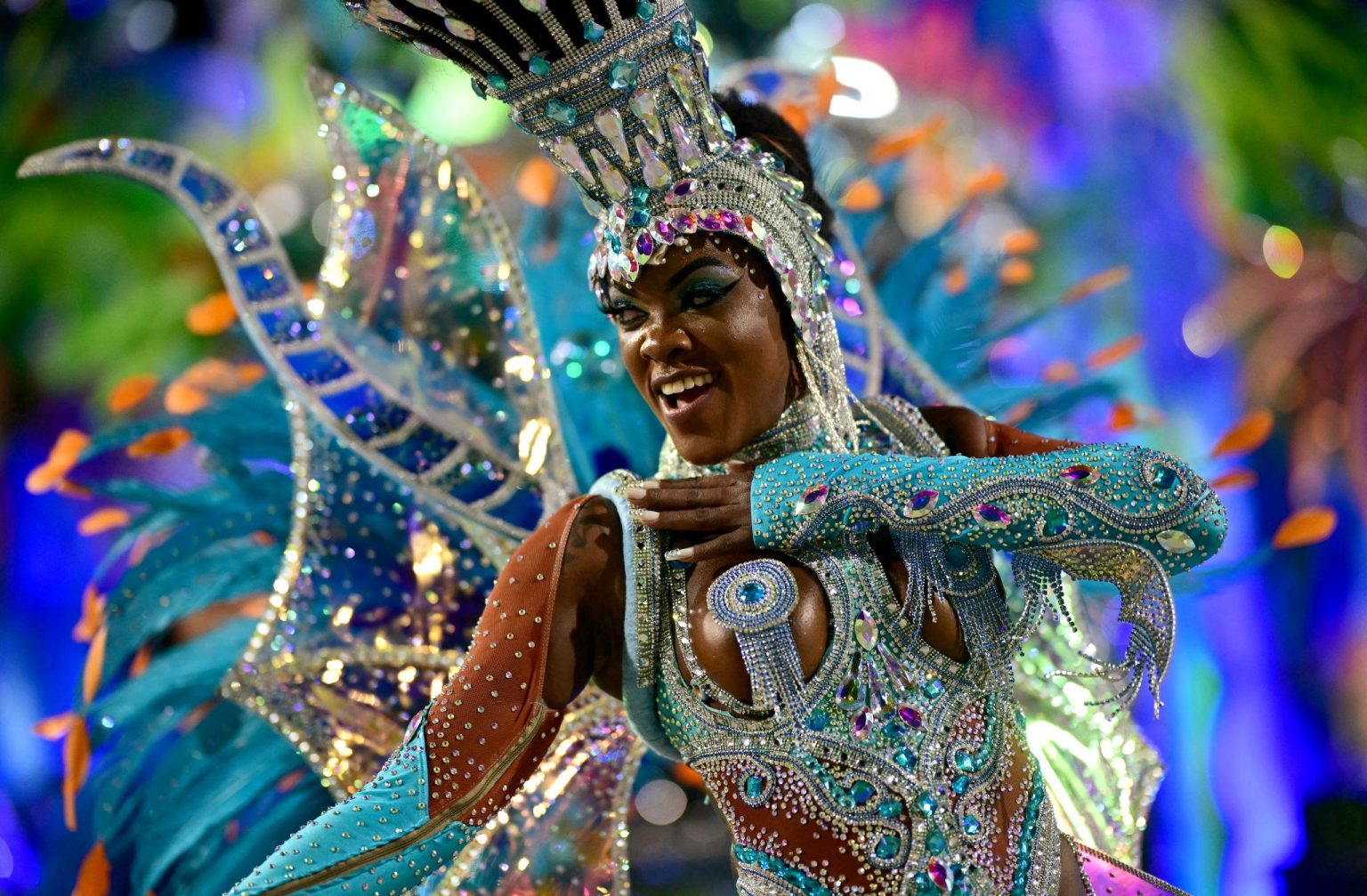
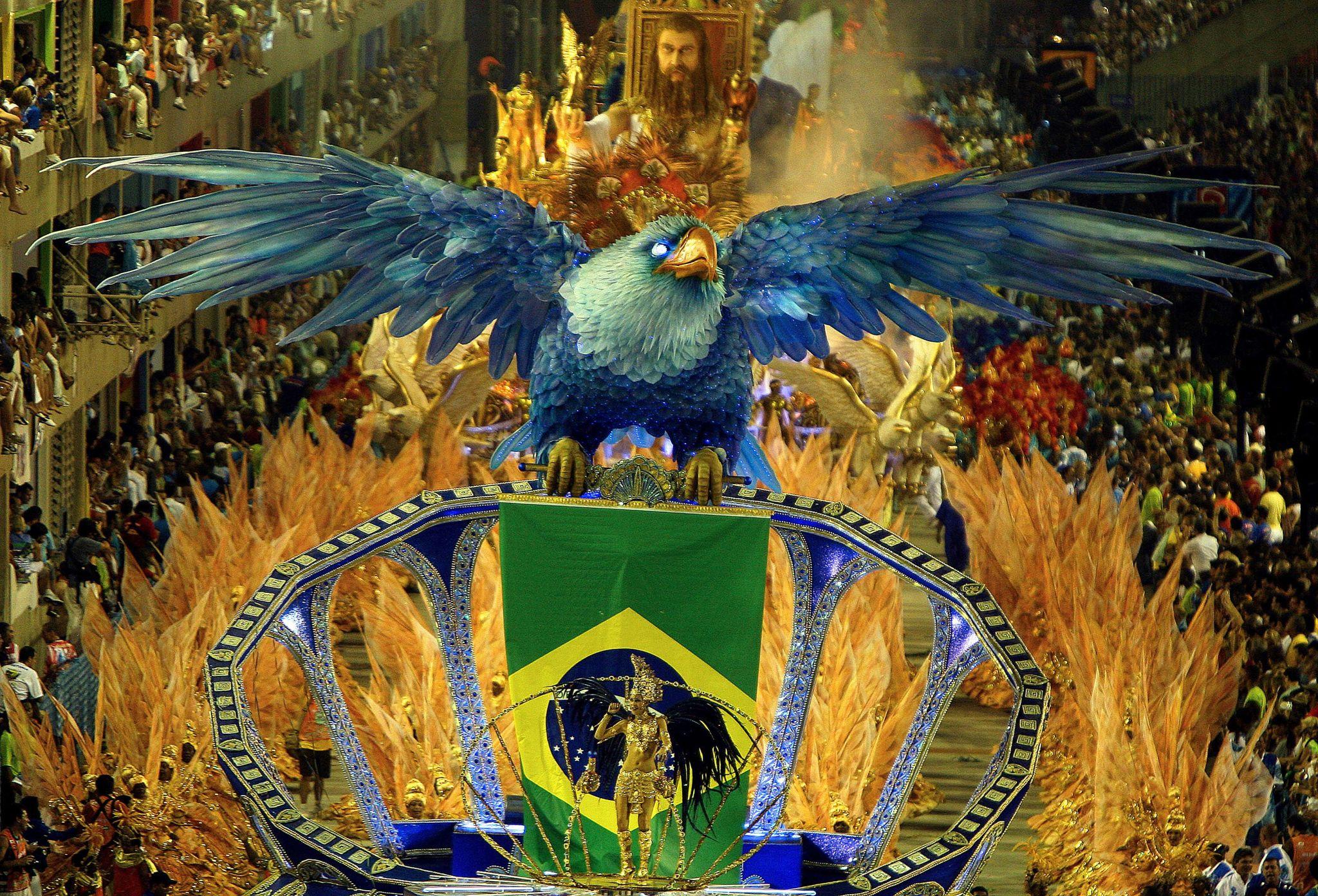
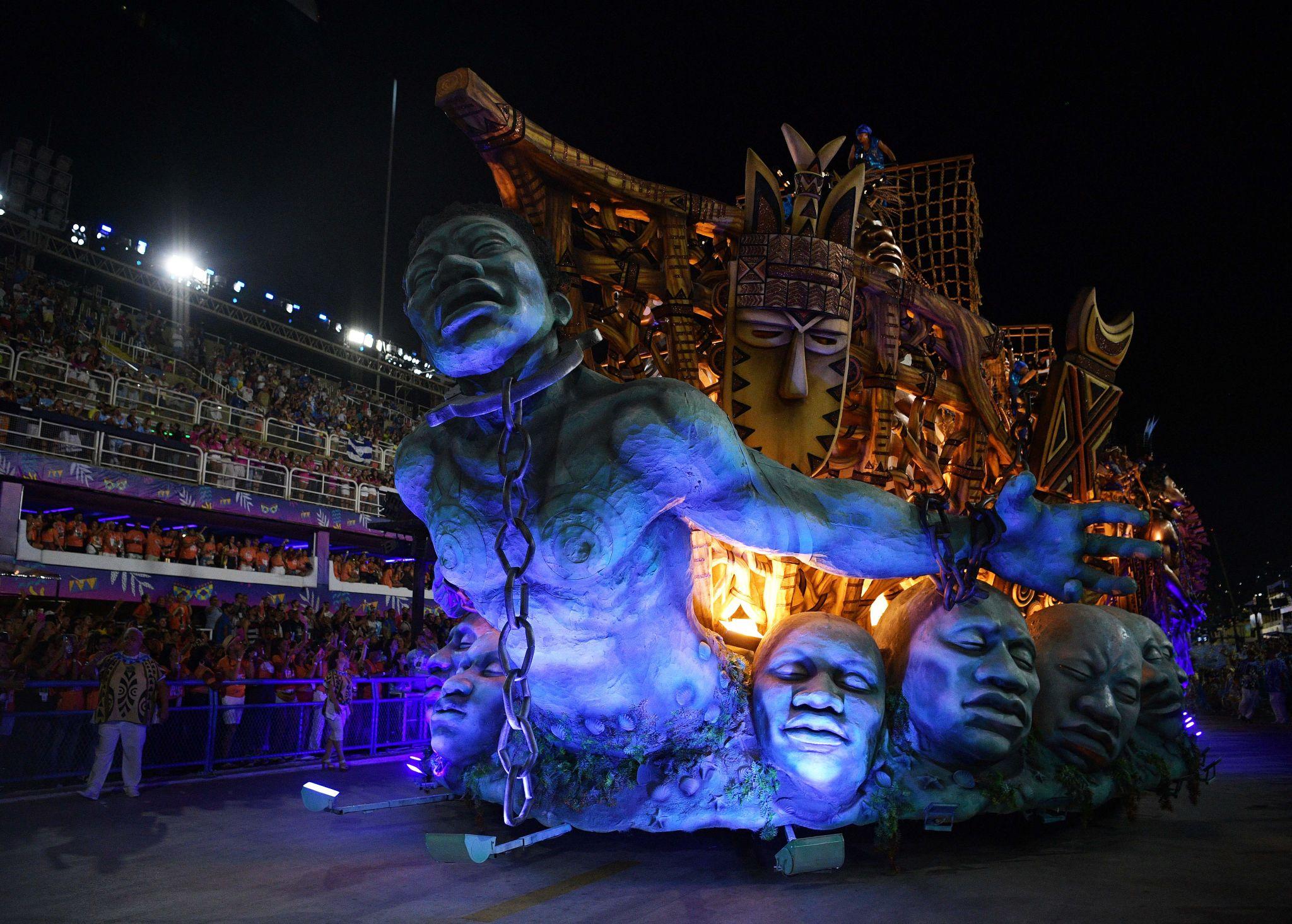
The Sambadrome Marquês de Sapucaí became the focal point of the celebration as leading samba schools presented elaborate performances combining storytelling, choreography, and live percussion. Towering floats rolled through the parade route while dancers in intricate costumes moved in precise formations.
Each samba school selected a central theme, ranging from historical tributes to contemporary reflections on Brazilian identity. Judges evaluated performances based on musical precision, visual creativity, and thematic coherence. The competitive element added intensity to the celebration while maintaining its festive character.
Crowds responded enthusiastically, applauding drum sections and vocalists whose rhythms echoed through the stadium well past midnight. Organizers confirmed that attendance reached near capacity on the first official night.
Cultural Identity and Artistic Expression
Carnival in Rio has long served as a canvas for cultural storytelling. Rio Carnival 2026 highlighted themes of heritage, unity, and social resilience, drawing from Brazil’s diverse historical roots. Performances incorporated Afro Brazilian traditions, indigenous narratives, and working class symbolism.
Artists emphasized that Carnival remains a living expression of the nation’s identity. One samba school director stated,
“Carnival carries our memory forward while celebrating who we are today.”
The sentiment resonated with audiences who view the festival as more than spectacle. It represents continuity, pride, and creative freedom.
Historical Roots of Carnival in Rio
The origins of Carnival in Rio de Janeiro trace back centuries, blending European festivities with African musical traditions. By the early 1900s, organized samba schools began formalizing parades, introducing structured competitions that elevated the event to national prominence.
The construction of the Sambadrome in the 1980s provided a permanent venue for performances, transforming Carnival into a global broadcast event. Over time, technological advancements and artistic innovation expanded the scale of production.
Rio Carnival 2026 reflects this long evolution, balancing historical authenticity with modern stagecraft. Cultural historians note that Carnival has consistently adapted while preserving its core spirit of community celebration.
Tourism and Economic Momentum
Tourism remains a cornerstone of Carnival’s impact. Rio Carnival 2026 has driven strong hotel occupancy rates in coastal districts such as Copacabana and Ipanema. Restaurants, transportation services, and retail vendors reported increased activity throughout the first weekend.
Municipal projections estimate billions of dollars in economic contribution tied to Carnival season. Temporary employment opportunities in event management, costume design, and hospitality provide additional benefits to local residents.
A city tourism official explained,
“Carnival fuels our creative economy and sustains small businesses far beyond the parade week.”
The surge in visitors reinforces Rio’s status as a premier global destination during Carnival season.
Public Safety and Crowd Management
Managing large crowds requires extensive planning. Authorities implemented enhanced security protocols throughout Rio Carnival 2026, including coordinated patrols, surveillance monitoring, and designated emergency response zones.
Officials reported that opening events proceeded smoothly, with minimal disruptions. Public transportation systems operated extended hours to accommodate nighttime parades and street celebrations.
Safety measures aim to preserve the celebratory atmosphere while ensuring both residents and visitors can participate comfortably.
Global Media and International Attention
International broadcasters carried live coverage of Rio Carnival 2026, transmitting images of vibrant floats and synchronized dancers to viewers worldwide. Social media platforms amplified the event’s reach, generating millions of digital impressions within hours.
Foreign correspondents highlighted the scale of production and the cultural symbolism embedded in each performance. Analysts observed that such global exposure strengthens Brazil’s cultural influence and tourism appeal.
The digital dimension of Carnival continues to expand, with livestream platforms enabling audiences far beyond Rio to experience the celebration in real time.
Neighborhood Blocos and Grassroots Energy
Beyond the Sambadrome, community driven blocos play a central role in Rio Carnival 2026. These informal street gatherings transform neighborhoods into open air dance floors, welcoming families, students, and visitors alike.
Local bands perform traditional samba rhythms while participants wear colorful costumes and themed attire. Blocos embody the accessible spirit of Carnival, allowing residents to engage directly in the festivities without formal tickets.
Community leaders emphasize inclusivity as a defining principle of street celebrations.
Sustainability and Environmental Awareness
Environmental initiatives have gained prominence in recent years. During Rio Carnival 2026, organizers expanded recycling programs and encouraged the use of sustainable materials in float construction.
Some samba schools incorporated environmental themes into their storytelling, addressing conservation and climate awareness through artistic interpretation. Waste management teams increased post event cleanup operations to minimize ecological impact.
Such measures reflect a broader commitment to adapting tradition to contemporary environmental challenges.
Social Themes and Contemporary Dialogue
While the atmosphere remains festive, Carnival often serves as a platform for subtle commentary. Rio Carnival 2026 included thematic elements referencing economic shifts, cultural preservation, and national unity.
Observers note that artistic expression allows performers to address complex issues through symbolism rather than direct political messaging. The blending of celebration and reflection has become a hallmark of modern Carnival storytelling.
Public discussions following opening night highlighted the festival’s ability to spark conversation while maintaining its joyful tone.
Technology and Innovation in Carnival Production
Modern production techniques played a visible role in Rio Carnival 2026. Advanced lighting systems, digital sound engineering, and coordinated drone coverage enhanced the visual impact of performances.
Organizers utilized digital ticketing systems and real time crowd monitoring technology to streamline logistics. The integration of innovation demonstrates Carnival’s capacity to evolve alongside global entertainment standards.
Technological enhancements have broadened accessibility while preserving the authenticity of live performance.
International Visitors and Cultural Exchange
Travelers from across Europe, North America, and Asia attended Rio Carnival 2026, many describing the experience as a lifelong aspiration. Cultural exchange programs allowed visitors to tour samba workshops and engage with local artists.
Tour operators expanded packages offering behind the scenes access, deepening appreciation for the craftsmanship involved in parade preparation. Visitors frequently cite the warmth and hospitality of Rio residents as a highlight of the event.
The influx of international guests underscores Carnival’s role as both cultural celebration and global meeting point.
Artistic Competition and Judging Criteria
Samba schools compete for top honors based on strict evaluation criteria. Judges assess rhythm precision, costume design, thematic development, and overall cohesion.
The competitive dimension intensifies the atmosphere while motivating schools to innovate annually. Rio Carnival 2026 has already generated anticipation regarding final scoring announcements scheduled later in the week.
Participants often describe the preparation process as year round dedication culminating in a single performance night.
Cultural Continuity in a Changing World
As celebrations continue, Rio Carnival 2026 stands as a symbol of resilience and adaptability. In a rapidly changing global landscape, Carnival remains a consistent source of pride and unity for Brazil.
Cultural leaders stress the importance of preserving authenticity while embracing modern influences. The ability to blend heritage with innovation ensures the festival’s relevance for future generations.
Rio Carnival 2026 captures a moment in time where artistry, community, and global attention converge in Rio de Janeiro.
A Celebration Beyond Borders
The enduring appeal of Carnival lies in its universal language of music and movement. Rio Carnival 2026 demonstrates how cultural traditions can transcend borders, bringing diverse audiences together through shared celebration.
As dawn breaks over Rio following nights of parades and blocos, the echoes of drums and cheers linger in the city’s streets. The festival’s impact extends far beyond confetti and costumes, reinforcing Brazil’s cultural narrative on a global stage.
Rio Carnival 2026 remains a defining event of February 2026 in Rio de Janeiro, Brazil, reflecting both historical continuity and contemporary vibrancy.