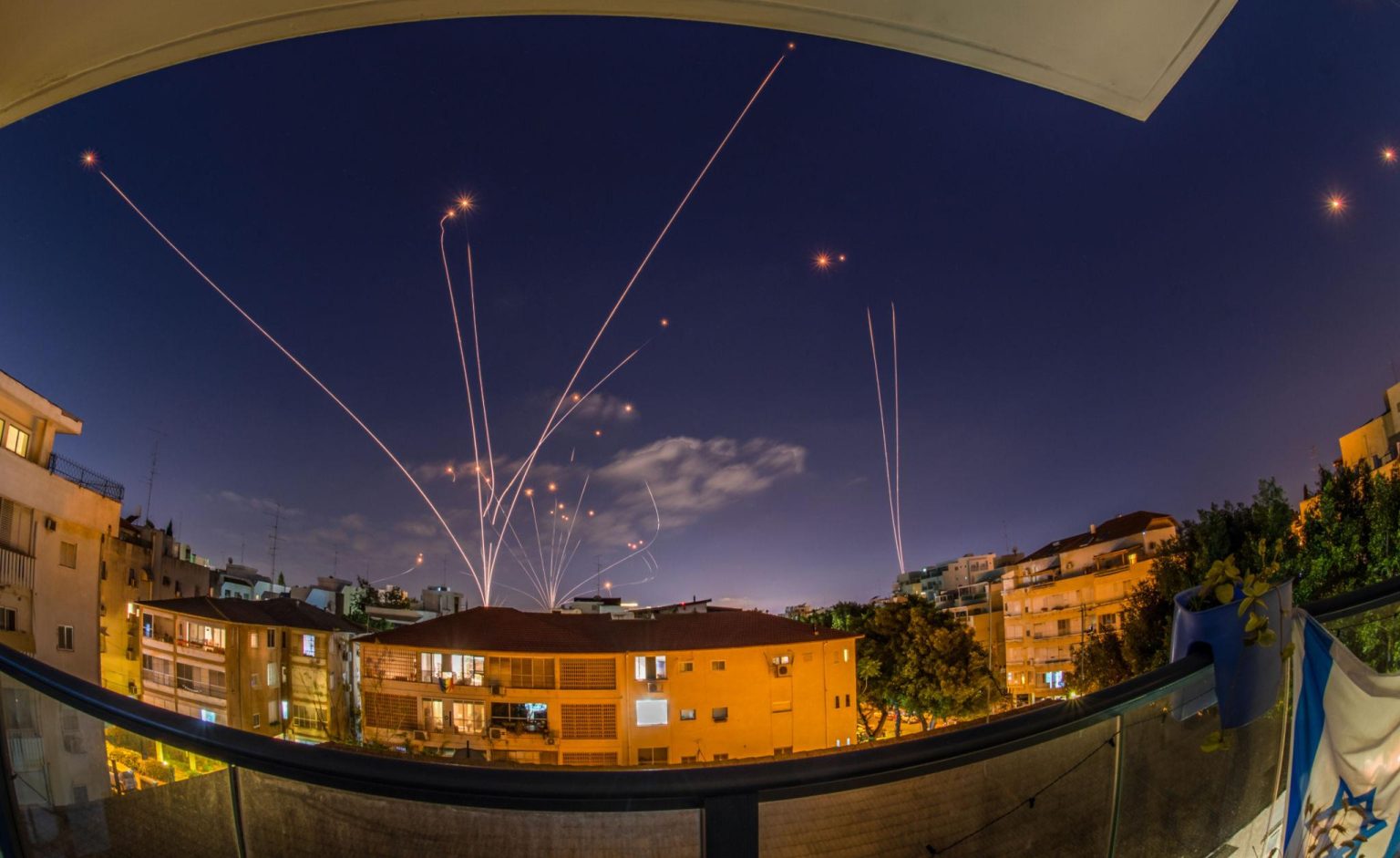
Jerusalem, Israel — March 17, 2026 — Brussels Morning Newspaper — Middle East tensions escalated sharply as Israel confirmed that its Israel missile defense system successfully intercepted incoming Iranian missiles before they reached critical targets. The incident occurred late at night, triggering air raid sirens across multiple regions and placing the nation on high alert.
Military officials reported that the attack was detected within seconds of launch, allowing defensive measures to activate immediately. The Israel missile defense system played a crucial role in preventing what could have been a large scale disaster affecting both civilians and infrastructure.
Authorities confirmed that the majority of incoming threats were neutralized mid air, significantly reducing potential casualties and damage.
How the Defense Network Responded in Real Time
The rapid response demonstrated the effectiveness of the Israel missile defense system, which operates through a coordinated network of radar detection, threat analysis, and interception technology.
As soon as the missiles were detected, advanced radar systems calculated their trajectory and assessed potential impact zones. The system then prioritized threats that posed the greatest danger to populated areas.
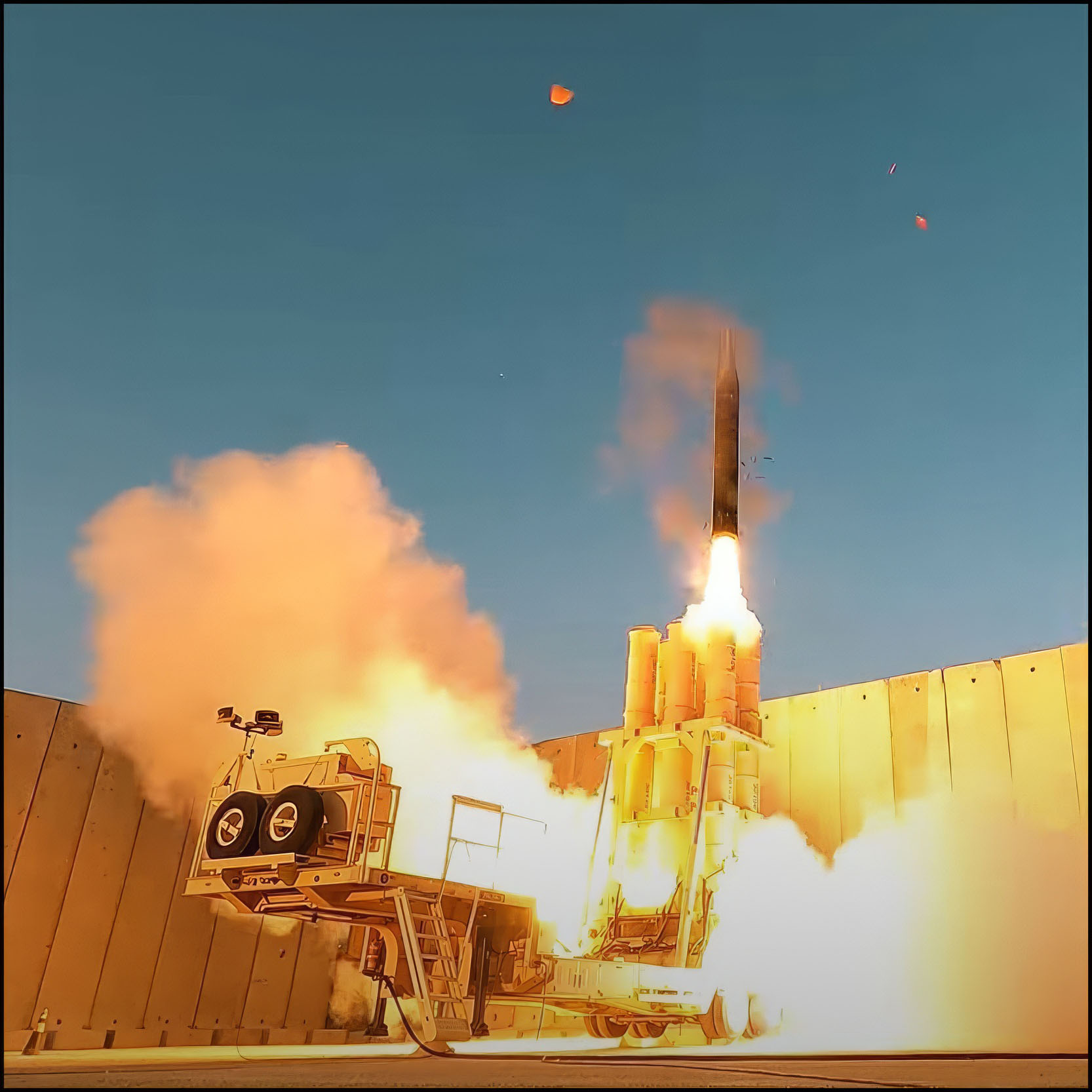
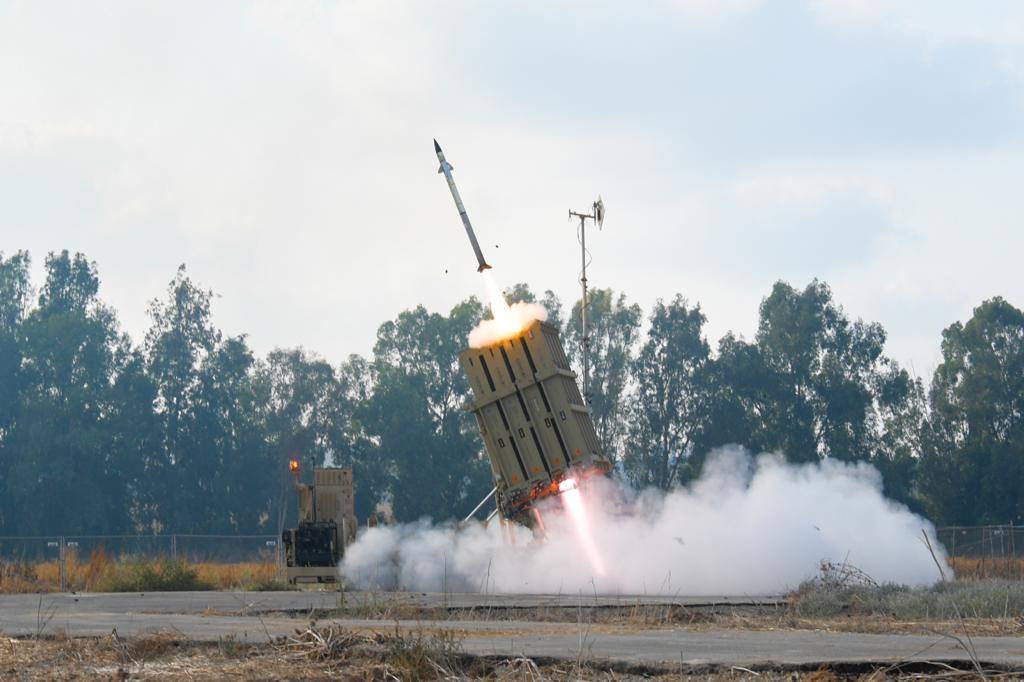
Interception missiles were launched within moments, successfully destroying incoming projectiles before they could reach their intended targets. The efficiency of the Israel missile defense system highlights years of technological development and strategic investment.
Civilian Safety Measures and Emergency Response
Following the detection of incoming missiles, emergency sirens were activated across affected regions, giving civilians critical seconds to seek shelter. The coordination between military systems and civil defense protocols ensured that the population was well protected.
Officials emphasized that the Israel missile defense system not only intercepts threats but also works alongside public safety systems to minimize risk. Emergency services were deployed immediately after the interceptions to assess any potential damage caused by falling debris.
While no major casualties were reported, authorities continue to monitor the situation closely.
Escalating Regional Tensions in 2026
The latest incident underscores growing instability in the Middle East. The use of advanced missile technology by regional actors has increased concerns among global leaders about the potential for wider conflict.
The success of the Israel missile defense system has drawn international attention, with many countries recognizing its effectiveness in modern warfare. However, analysts warn that repeated incidents could lead to further escalation if diplomatic solutions are not pursued.
This development adds another layer of complexity to an already fragile geopolitical environment.
Historical Evolution of Missile Defense Capabilities
Over the past decades, Israel has continuously enhanced its defensive capabilities in response to evolving threats. Early systems were limited in their ability to detect and intercept multiple simultaneous attacks.
Today, the Israel missile defense system represents one of the most advanced networks in the world. It is designed to handle a wide range of threats, from short range rockets to long range ballistic missiles.
Compared to earlier conflicts, the current system demonstrates significantly higher interception success rates, reflecting advancements in technology and strategic planning.
Technology Behind the Interception Success
The modern Israel missile defense system relies on cutting edge technology to ensure rapid and accurate responses. This includes advanced radar systems capable of detecting launches from long distances and sophisticated algorithms that predict missile trajectories.
Artificial intelligence has also become an integral component, allowing the system to make split second decisions about which threats require interception.
These technological advancements have transformed defensive strategies, enabling more efficient and effective protection against increasingly complex threats.
Global Reaction and Diplomatic Pressure
The international community has responded swiftly to the latest developments. Several nations have expressed concern over the rising tensions, urging both sides to exercise restraint.
At the same time, some countries have acknowledged the importance of the Israel missile defense system in protecting civilian lives. Calls for renewed diplomatic efforts have intensified, with global leaders seeking to prevent further escalation.
The situation remains fluid, with ongoing discussions aimed at stabilizing the region.
Military Perspective and Strategic Readiness
Military officials have emphasized that preparedness remains a top priority. The Israel missile defense system is maintained at a high level of readiness, capable of responding to threats at any time.
Defense forces continue to conduct regular drills and system upgrades to ensure optimal performance. The ability to respond quickly and effectively is considered essential in maintaining national security.
A senior defense official stated:
“We remain vigilant and prepared. Our systems are designed to protect lives, and we will continue to adapt to any threat that emerges.”
Impact on Daily Life and Public Sentiment
For civilians, the repeated activation of defense systems has become a part of daily life in certain regions. While the success of the Israel missile defense system provides reassurance, the ongoing threat contributes to heightened anxiety.
Communities have adapted by following strict safety protocols and remaining alert to emergency warnings. Public awareness campaigns have also played a role in educating citizens about how to respond during such incidents.
Despite the challenges, resilience remains a defining characteristic of affected populations.
Future Outlook for Regional Stability
As tensions persist, the focus shifts to what lies ahead. Experts suggest that continued reliance on defense systems alone may not be sufficient to ensure long term stability.
The Israel missile defense system will remain a critical component of national security, but diplomatic efforts are equally important in addressing the root causes of conflict.
The coming weeks are expected to be crucial, with potential developments that could either escalate or ease tensions in the region.
Beyond Interception The Strategic Turning Point
The recent events highlight a broader shift in modern warfare, where defensive technologies play a central role in shaping outcomes. The effectiveness of the Israel missile defense system not only prevents immediate damage but also influences strategic decision making on a global scale.
This turning point underscores the importance of innovation, preparedness, and cooperation in addressing complex security challenges. As the world watches closely, the balance between military capability and diplomatic engagement will determine the future of regional stability.