Washington DC — March 17, 2026 — Brussels Morning Newspaper — Washington DC has become a focal point as global security tensions intensify amid leadership shifts and rising geopolitical conflicts. The latest developments have placed governments and intelligence agencies on high alert, reflecting a rapidly evolving international landscape.
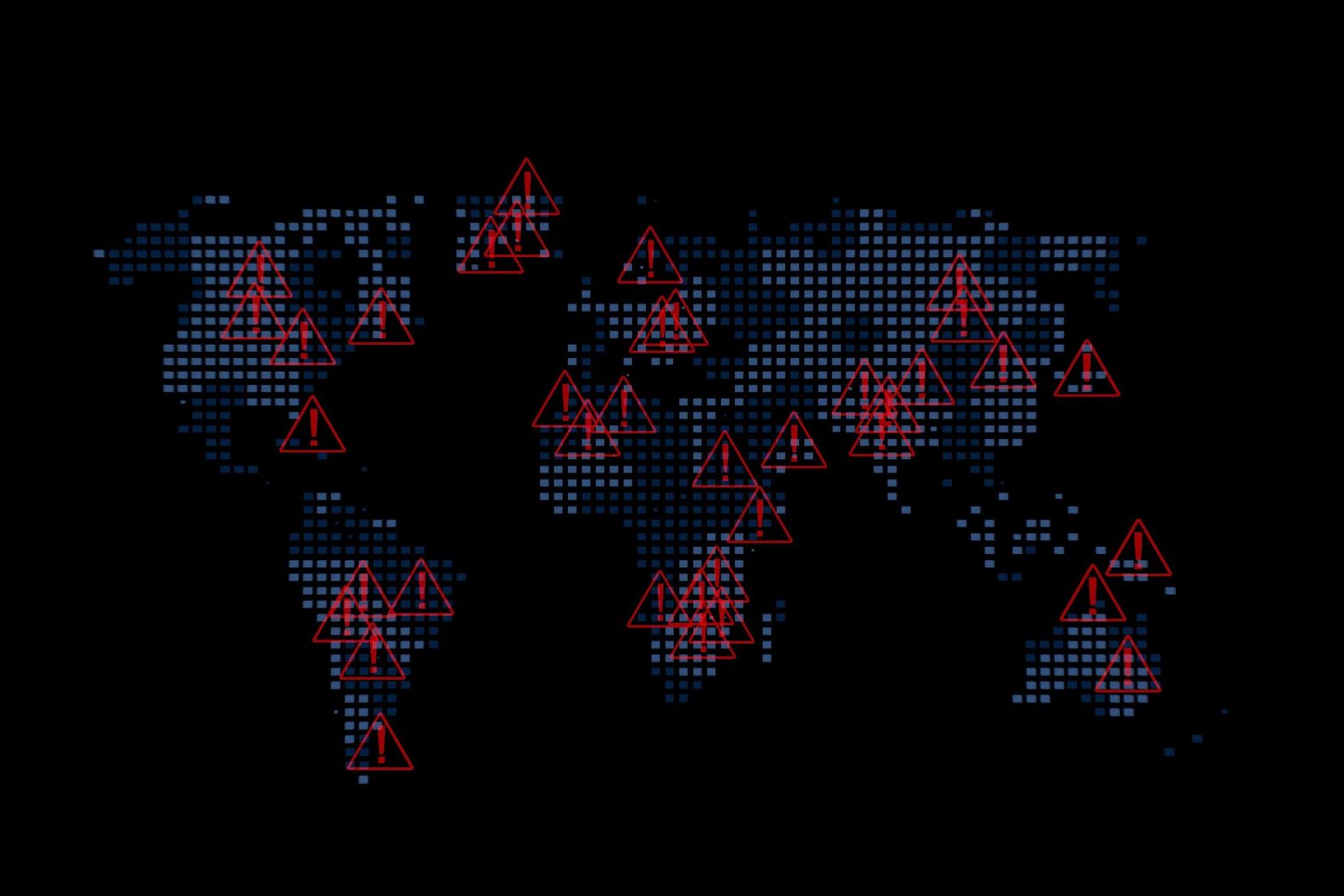
Officials confirm that recent events have heightened global security tensions, with concerns spanning multiple regions including the Middle East, Eastern Europe, and parts of Asia. These developments are influencing defense strategies, diplomatic relations, and economic stability worldwide.
The growing complexity of these challenges underscores the urgency of coordinated responses among global powers.
Leadership Changes and Strategic Uncertainty
One of the key drivers behind rising global security tensions is the shift in leadership within critical national security institutions. Leadership transitions often bring changes in policy direction, operational priorities, and diplomatic approaches.
In Washington, recent changes have prompted discussions about continuity and effectiveness in handling ongoing conflicts. Experts note that even minor disruptions can have significant consequences during periods of heightened risk.
As global security tensions continue to rise, maintaining consistent leadership and clear strategic direction remains a top priority for governments.
Escalating Conflicts Across Multiple Regions
The current landscape is defined by overlapping conflicts that contribute to increasing global security tensions. The Middle East remains a central concern, with ongoing confrontations and military activities raising fears of broader escalation.
In Eastern Europe, tensions continue to simmer, while Asia faces its own set of challenges involving territorial disputes and military posturing. These simultaneous pressures create a complex environment where actions in one region can influence outcomes in another.
The interconnected nature of modern conflicts makes managing global security tensions more difficult than ever before.
The Role of Intelligence and Surveillance Systems
Modern intelligence systems play a critical role in monitoring and responding to global security tensions. Advanced technologies allow for real time tracking of threats, enabling quicker and more informed decision making.
Surveillance capabilities, combined with data analysis and artificial intelligence, provide valuable insights into potential risks. These tools help governments anticipate developments and respond proactively.
However, the reliance on technology also introduces new challenges, including cybersecurity threats and the need for constant upgrades to stay ahead of adversaries.
Economic Impact of Rising Tensions
Beyond military concerns, global security tensions have significant economic implications. Markets often react quickly to geopolitical instability, leading to fluctuations in stock prices, currency values, and commodity markets.
Energy prices, in particular, are highly sensitive to developments in conflict regions. Disruptions in supply chains can have far reaching effects on global economies.
Businesses and investors are closely monitoring the situation, adjusting strategies to mitigate potential risks associated with ongoing uncertainty.

Diplomatic Efforts and International Response
Diplomatic engagement remains a key component in addressing global security tensions. International organizations and governments are actively working to de escalate conflicts through negotiations and dialogue.
Despite these efforts, achieving consensus among diverse stakeholders can be challenging. Competing interests and differing perspectives often complicate the process.
Nevertheless, diplomacy continues to offer a pathway toward reducing global security tensions and preventing further escalation.
Public Sentiment and Global Awareness
As global security tensions increase, public awareness and concern have also grown. News coverage and social media have amplified the visibility of these issues, shaping public perception and influencing policy discussions.
Communities around the world are becoming more engaged in conversations about security and stability. This heightened awareness can drive demand for accountability and transparency from leaders.
At the same time, misinformation and speculation pose risks, highlighting the importance of accurate and reliable reporting.
Quote from a Security Expert
A leading security analyst stated:
“The current environment shows how interconnected our world has become. Managing risk today requires cooperation, precision, and a clear understanding of global dynamics.”
Technological Advancements in Defense Strategy
Innovation continues to play a vital role in addressing global security tensions. New technologies are being developed to enhance defense capabilities and improve response times.
From advanced missile defense systems to cyber defense tools, these innovations are reshaping how nations approach security challenges.
The integration of artificial intelligence and machine learning is expected to further transform defense strategies in the coming years.
Future Risks and Strategic Outlook
Looking ahead, experts warn that global security tensions may continue to rise if underlying issues are not addressed. Long standing conflicts, political instability, and economic pressures all contribute to the current situation.
Strategic planning and international cooperation will be essential in navigating these challenges. Governments must balance immediate responses with long term solutions to ensure stability.
The coming months will likely determine the trajectory of global security tensions and their impact on the world stage.
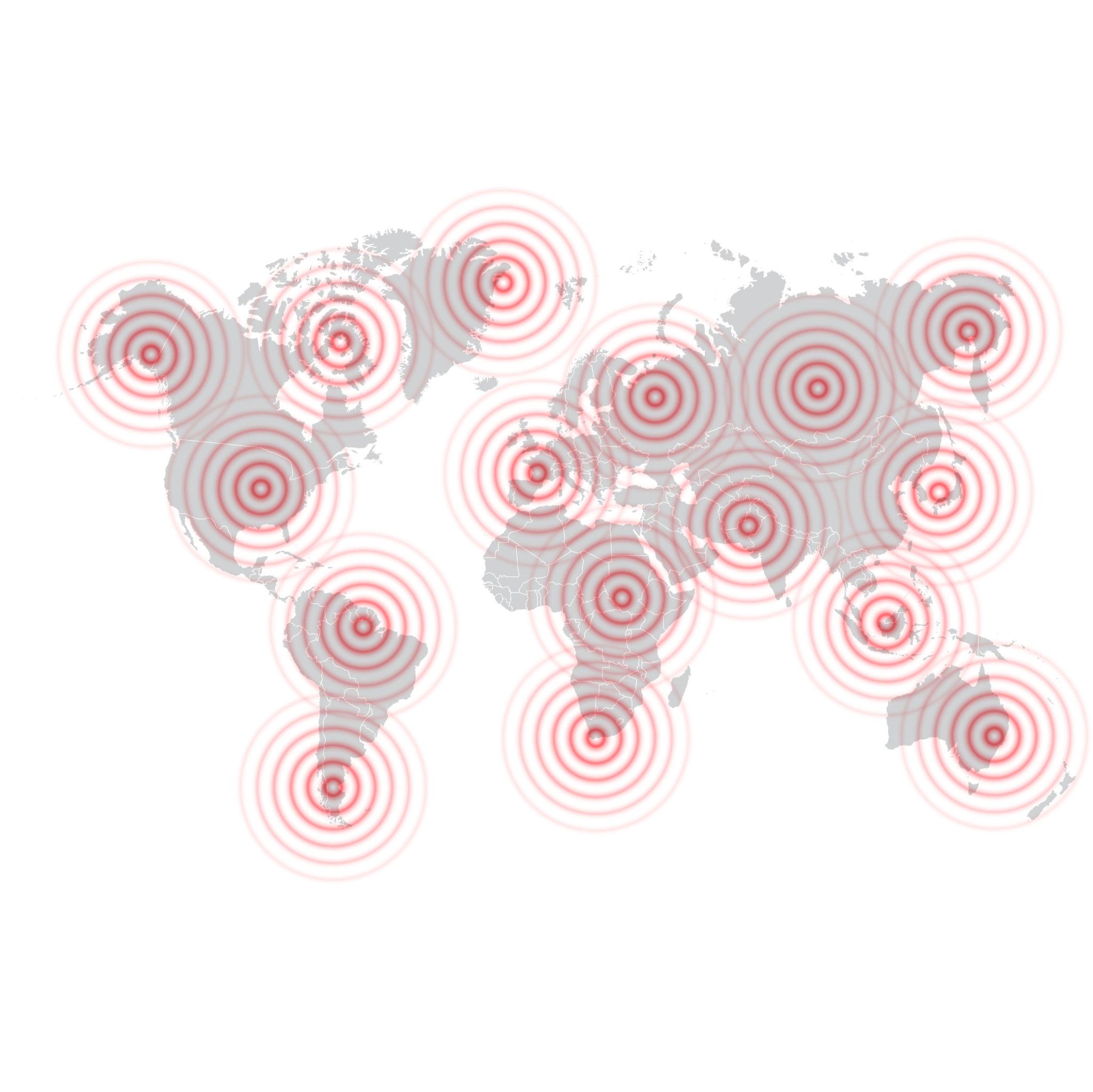
Beyond the Headlines The Quiet Shifts Shaping Tomorrow
While major events capture global attention, subtle changes are also influencing the direction of global security tensions. Shifts in alliances, emerging technologies, and evolving strategies are quietly shaping the future.
These developments may not always be visible in daily news coverage, but they play a crucial role in defining long term outcomes.
Understanding these underlying factors is essential for anticipating future challenges and opportunities in global security.