
Southern Lebanon, — March 17, 2026 — Brussels Morning Newspaper — The southern Lebanon conflict has escalated significantly following a deadly air strike that killed two Lebanese soldiers near the Israel border, intensifying fears of a broader regional crisis. The southern Lebanon conflict continues to stand as one of the most volatile flashpoints in the Middle East, where even limited military actions can quickly expand into wider confrontation.
Authorities confirmed that the strike occurred during a routine military patrol, highlighting the unpredictable nature of the southern Lebanon conflict and the growing risks faced by forces operating in the region. The incident has already triggered diplomatic reactions and heightened military alert levels across the border.
Escalation Along a Highly Sensitive Border
The border region between Lebanon and Israel has long been marked by tension, but recent developments indicate a sharp increase in hostilities. The southern Lebanon conflict has entered a more dangerous phase, with increased surveillance, military mobilization, and sporadic exchanges becoming more frequent.
Local communities have reported a noticeable rise in military presence, including checkpoints, patrols, and aerial monitoring. These developments reflect a broader shift in the southern Lebanon conflict, where both sides appear to be preparing for potential escalation rather than de-escalation.
Analysts suggest that the region is experiencing a cycle of action and reaction, where each incident fuels further instability. The southern Lebanon conflict is no longer defined by isolated events but by a pattern of continuous tension that threatens to spiral out of control.
Details of the Air Strike Incident
Initial reports indicate that the air strike targeted a Lebanese military vehicle traveling through a contested area. The explosion was immediate and devastating, killing two soldiers and injuring several others. The southern Lebanon conflict has seen similar incidents in the past, but this latest attack underscores the increasing frequency and intensity of such events.
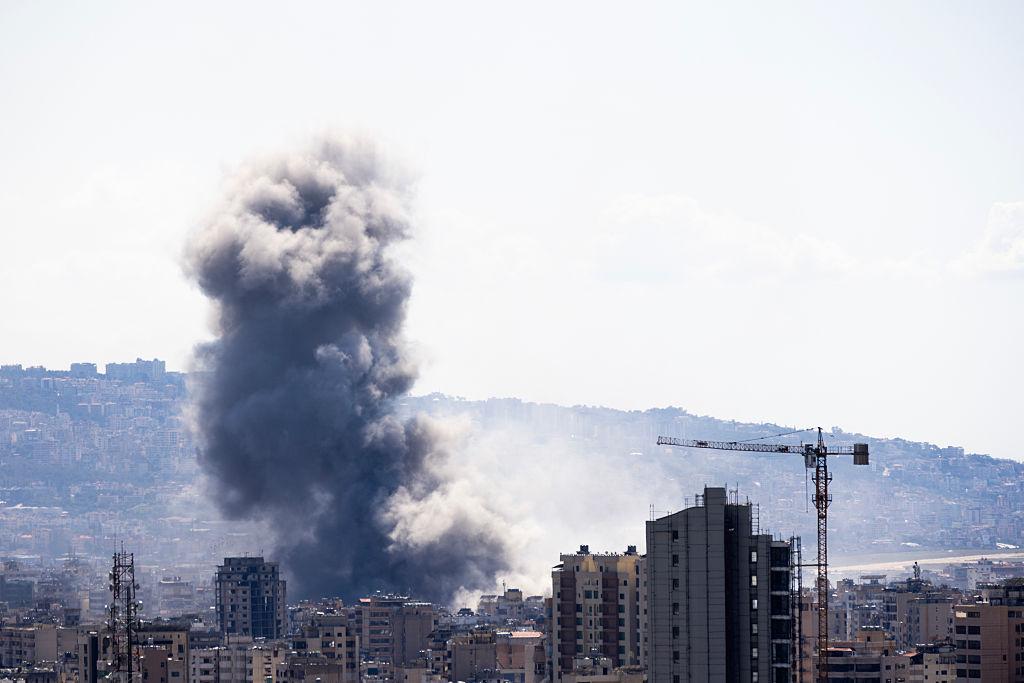
Emergency response teams quickly arrived at the scene, working under difficult conditions to rescue the injured and secure the area. Witnesses described scenes of chaos, with smoke rising into the sky and debris scattered across the roadway.
Military officials have launched an investigation into the incident, seeking to understand the exact circumstances and assess whether changes in strategy or positioning are necessary in light of the evolving southern Lebanon conflict.
Government Response and Political Reactions
Lebanese officials strongly condemned the attack, calling it a violation of sovereignty and an unacceptable escalation. Government statements emphasized the need for international accountability and warned of potential consequences if such incidents continue.
Political leaders within Lebanon have also called for unity and vigilance, urging the military to remain prepared while avoiding unnecessary escalation. The southern Lebanon conflict has once again become a central issue in domestic political discourse, with debates focusing on national security and foreign policy.
International reactions have been measured but concerned. Several global leaders have called for restraint, highlighting the risks associated with continued escalation in the southern Lebanon conflict.
Regional Implications and Broader Risks
The southern Lebanon conflict is deeply interconnected with wider geopolitical dynamics in the Middle East. Analysts warn that continued incidents could draw in additional actors, transforming a localized conflict into a broader regional crisis.
Neighboring countries are closely monitoring the situation, aware that instability in southern Lebanon could have ripple effects across the region. The southern Lebanon conflict is often influenced by larger strategic considerations, including alliances, proxy engagements, and shifting power balances.
There is growing concern that miscalculation or miscommunication could lead to rapid escalation. The southern Lebanon conflict remains highly sensitive, where even minor developments can have significant consequences.
Impact on Civilian Life and Local Communities
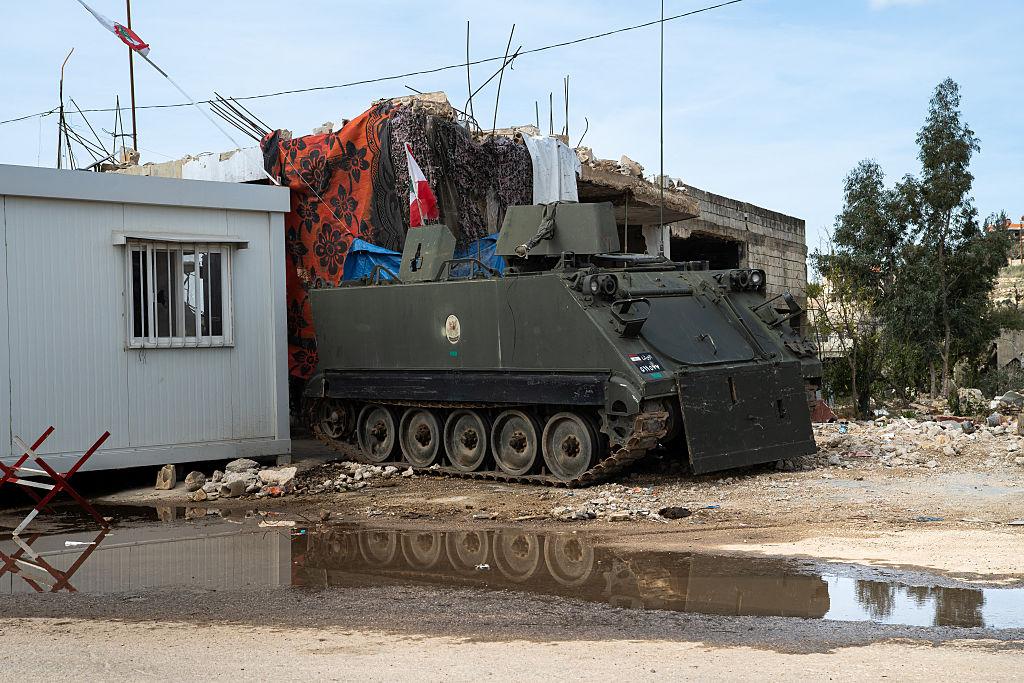
For civilians living in southern Lebanon, the ongoing instability has created an environment of constant uncertainty. Families are forced to adapt to changing conditions, with daily routines frequently disrupted by security concerns.
Schools, businesses, and public services have all been affected by the southern Lebanon conflict, as communities grapple with the realities of living in a conflict zone. Residents report increased anxiety, particularly as military activity intensifies.
Humanitarian organizations have expressed concern about the potential for displacement if the situation worsens. The southern Lebanon conflict is not only a military issue but a humanitarian one, with long-term implications for the region’s population.
Military Strategy and Tactical Developments
The evolving nature of warfare is evident in the tactics being used in the southern Lebanon conflict. Precision air strikes, advanced surveillance systems, and rapid response operations have become key components of modern military strategy.
These approaches are designed to achieve specific objectives while minimizing broader engagement. However, incidents like the recent strike demonstrate the limitations of such strategies, particularly in complex and densely populated environments.
Experts note that the southern Lebanon conflict is increasingly shaped by technological advancements, which can both enhance capabilities and introduce new risks.
International Diplomatic Efforts and Mediation
Diplomatic efforts are underway to prevent further escalation and stabilize the situation. International mediators are engaging with both sides, seeking to reinforce ceasefire agreements and promote dialogue.
The southern Lebanon conflict has drawn significant attention from global institutions, which are working to prevent a broader crisis. These efforts include negotiations, backchannel communications, and calls for restraint.
Despite these initiatives, the success of diplomatic efforts remains uncertain. The southern Lebanon conflict continues to be driven by underlying tensions that are difficult to resolve through diplomacy alone.
Historical Comparison of Similar Conflicts
The current situation bears similarities to previous periods of escalation in the region, particularly conflicts that occurred in the early 2000s and mid-2010s. During those times, localized incidents quickly expanded into larger confrontations, resulting in significant loss of life and widespread destruction.
The southern Lebanon conflict today reflects many of the same patterns seen in those earlier periods, including cycles of retaliation, military buildup, and diplomatic intervention. These historical comparisons highlight the risks associated with prolonged instability and the challenges of achieving lasting peace.
Understanding these past events provides valuable context for interpreting current developments and anticipating potential outcomes.
Quote Reflecting Regional Concerns
“The situation in southern Lebanon is a reminder that unresolved tensions can ignite at any moment, turning localized incidents into regional crises,”
said a Middle East security analyst.
Future Outlook and Strategic Uncertainty
Looking ahead, the trajectory of the southern Lebanon conflict remains uncertain. Analysts suggest that the coming weeks will be critical in determining whether tensions escalate further or begin to stabilize.
Military forces on both sides remain on high alert, while diplomatic efforts continue in parallel. The southern Lebanon conflict represents a delicate balance between confrontation and restraint, where each decision carries significant implications.
There is a growing recognition that long-term stability will require not only immediate de-escalation but also broader efforts to address underlying issues.
Economic and Global Implications
Beyond the immediate region, the southern Lebanon conflict has potential implications for global markets and economic stability. Increased tension in the Middle East often affects energy markets, trade routes, and investor confidence.
Analysts warn that prolonged instability could lead to disruptions that extend beyond the region, impacting global economic conditions. The southern Lebanon conflict is therefore not only a regional issue but a matter of international concern.
Governments and financial institutions are closely monitoring developments, aware of the potential ripple effects.
Security Challenges and Ongoing Risks
Security challenges continue to evolve as both sides adapt to changing conditions. The southern Lebanon conflict presents a complex environment where traditional and modern forms of warfare intersect.
Maintaining stability requires careful coordination, effective communication, and a willingness to engage in dialogue. However, achieving these objectives remains difficult in a context defined by mistrust and competing interests.
The southern Lebanon conflict highlights the importance of proactive measures to prevent escalation and protect both military personnel and civilians.
Final Outlook A Defining Moment for Regional Stability
The events unfolding in southern Lebanon represent a critical moment for the region. The loss of two soldiers underscores the human cost of ongoing tensions and the urgent need for a path toward stability.
As the southern Lebanon conflict continues to evolve in 2026, the choices made by regional and global actors will shape the future of peace and security. Whether through diplomacy, strategic restraint, or broader cooperation, the need for action is clear.
The region now stands at a crossroads, where the outcome of this conflict could have lasting implications for years to come.