Mexico City — March 17, 2026 — Brussels Morning Newspaper — Iran World Cup hosting has become a central topic in global sports discussions after Mexico signaled its willingness to step in and host matches if circumstances require. The announcement comes at a time when geopolitical tensions are influencing international sporting events, raising questions about logistics, security, and global cooperation.
Officials in Mexico emphasized that their readiness is rooted in a commitment to preserving the integrity of the World Cup. With the tournament representing one of the largest global sporting events, ensuring that all teams can participate without disruption remains a top priority for organizers and governing bodies.
The idea has quickly gained traction, with analysts suggesting that contingency plans like this may become increasingly common in the future of international sports.
Geopolitical Tensions Shape Tournament Logistics
The conversation around Iran World Cup hosting is closely tied to broader geopolitical developments. Rising tensions in certain regions have led to concerns about travel restrictions, security challenges, and diplomatic complexities that could impact the tournament.
While the World Cup is traditionally seen as a unifying global event, it is not immune to external pressures. Governments, international organizations, and sports authorities must often work together to ensure that matches proceed smoothly despite global uncertainties.
Mexico’s position reflects an understanding of these challenges. By offering to host matches if necessary, the country is contributing to a broader effort to maintain stability in international football competitions.
Mexico’s Experience Strengthens Its Position
Mexico’s readiness to support Iran World Cup hosting is backed by decades of experience in organizing major sporting events. The country has successfully hosted multiple international tournaments and is already preparing for future World Cup responsibilities.
Its infrastructure includes world-class stadiums, advanced transportation systems, and a well-developed hospitality industry capable of accommodating large numbers of visitors. These factors make Mexico a reliable option for handling additional matches if adjustments are required.
Moreover, Mexico’s strong relationship with international football organizations adds credibility to its offer. Its ability to coordinate with governing bodies ensures that any transition would be managed efficiently and professionally.
FIFA’s Strategic Considerations and Planning
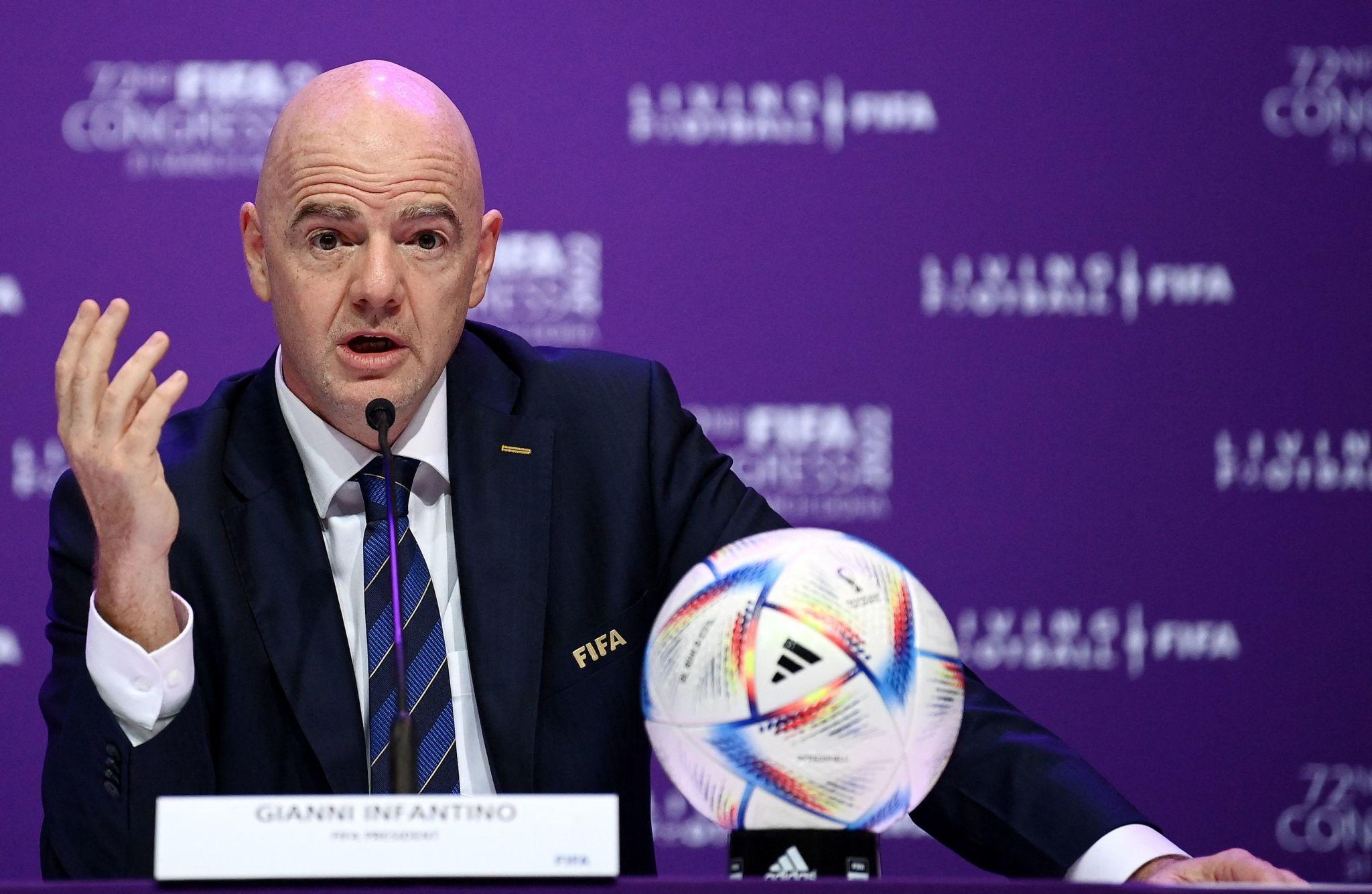
The role of FIFA is critical in determining how Iran World Cup hosting will ultimately unfold. As the governing body of international football, FIFA must balance logistical feasibility, fairness, and safety when making decisions.
Sources indicate that contingency planning is a key part of FIFA’s strategy. This includes identifying alternative venues and preparing for potential disruptions well in advance of the tournament.
While no official decision has been made, FIFA’s history suggests that flexibility is essential. In past tournaments, adjustments have been implemented to address unforeseen challenges, ensuring that the competition continues without compromising its standards.
Impact on Iran’s National Team Participation
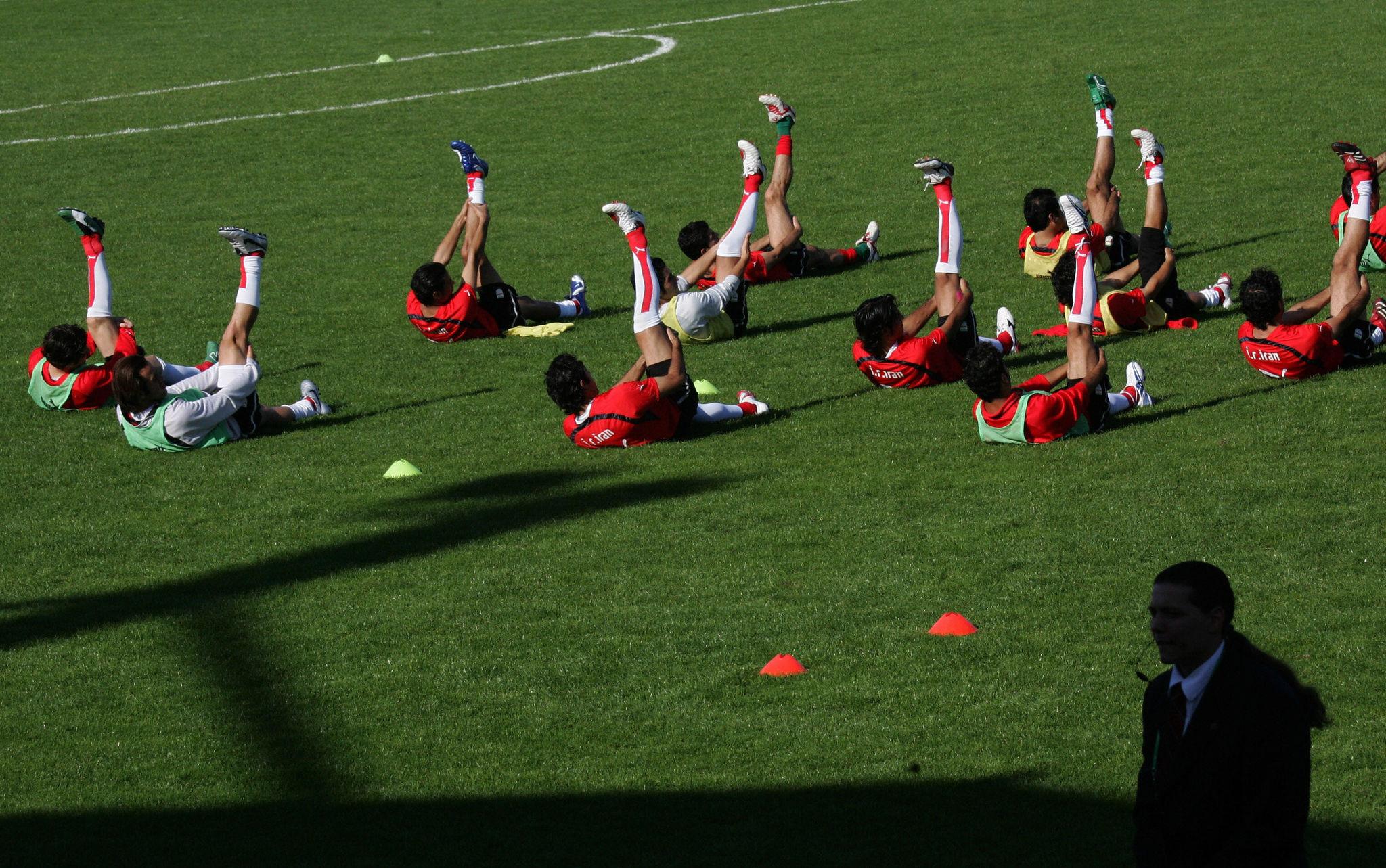
For Iran, the discussion surrounding Iran World Cup hosting carries significant implications. The national team’s ability to compete without logistical or political obstacles is crucial for maintaining its presence on the global stage.
Relocating matches to a neutral and stable location could provide a practical solution. It would allow players to focus on performance rather than external uncertainties, ensuring a level playing field for all participants.
At the same time, such arrangements highlight the complex relationship between sports and politics. While the goal is to keep the tournament inclusive, decisions must also consider broader diplomatic factors.
Global Reaction and Debate Intensifies
The proposal related to Iran World Cup hosting has sparked widespread debate among fans, analysts, and policymakers. Supporters view Mexico’s willingness as a positive step toward preserving the spirit of international competition.
They argue that:
- It ensures inclusivity in global sports
- It demonstrates cooperation between nations
- It reinforces the idea that football transcends political differences
However, critics have raised concerns about potential implications. Some question whether such decisions could set precedents that influence future tournaments, while others emphasize the need for clear guidelines from governing bodies.
Economic Opportunities and Strategic Gains
If implemented, the Iran World Cup hosting plan involving Mexico could generate substantial economic benefits. Hosting additional matches would attract tourists, boost local businesses, and increase global visibility for the country.
Economic impacts may include:
- Increased hotel bookings and tourism revenue
- Higher demand for local services and transportation
- Expanded media coverage and international exposure
These benefits align with Mexico’s broader strategy of positioning itself as a global hub for major sporting events. At the same time, they underscore the financial significance of the World Cup for host nations.
Historical Context of Tournament Adjustments
The situation surrounding Iran World Cup hosting is not without precedent. Throughout history, major sporting events have occasionally required adjustments due to political or logistical challenges.
Examples include:
- Matches relocated due to security concerns
- Teams facing travel restrictions or visa issues
- Neutral venues being used to ensure continuity
These instances demonstrate the importance of adaptability in international sports. They also highlight the need for proactive planning to address potential disruptions before they occur.
Challenges That Could Shape Final Decisions
Despite the potential benefits, several challenges must be addressed before any decisions on Iran World Cup hosting are finalized. These challenges involve coordination between multiple stakeholders, including governments, sports organizations, and event planners.
Key considerations include:
- Ensuring fairness in match scheduling
- Managing travel logistics for teams and officials
- Addressing political sensitivities and diplomatic concerns
- Maintaining compliance with FIFA regulations
Successfully navigating these challenges will be essential for implementing any changes without affecting the tournament’s integrity.
Future of International Football and Flexibility
The evolving situation around Iran World Cup hosting reflects a broader shift in how international sporting events are managed. As global dynamics continue to change, flexibility is becoming an increasingly important factor in tournament planning.
This shift could lead to:
- Greater reliance on contingency planning
- Increased collaboration between nations
- Enhanced focus on security and logistics
Such developments may redefine how global competitions are organized, ensuring that they remain resilient in the face of uncertainty.
Quote Reflecting the Global Perspective
A senior international sports official summarized the situation by stating,
“Football must remain a bridge between nations, even when the world faces division.”
This perspective highlights the underlying goal of maintaining unity through sport, regardless of external challenges.
Final Outlook What Lies Ahead for Global Football Stability
As discussions continue, Iran World Cup hosting remains a focal point in global sports news. The coming months will be critical in determining whether Mexico’s offer translates into concrete action.
Decisions made now could have lasting implications for how international tournaments are conducted in the future. They may also influence how governing bodies respond to geopolitical challenges moving forward.
Ultimately, the situation underscores the importance of cooperation, adaptability, and strategic planning in maintaining the integrity of global sporting events.
Beyond the Pitch A Turning Point in Football History
The ongoing developments surrounding Iran World Cup hosting may represent more than just a logistical adjustment. They could mark a turning point in how the world approaches international sports during times of uncertainty.
As football continues to bring people together across borders, the ability to adapt and collaborate will remain essential. Whether this proposal becomes reality or not, it has already sparked a broader conversation about the future of global sports and the role of unity in an increasingly complex world.