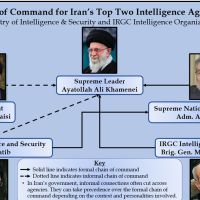
Tehran, Iran — March 17, 2026 — Brussels Morning Newspaper — Iran government structure remains firmly intact in 2026 as officials continue to emphasize that the system is designed to operate beyond the influence of any single individual. Recent developments involving the loss of a key figure have once again brought attention to how governance in Iran is maintained through institutional continuity rather than personal leadership. Authorities in Tehran have reiterated that the Iran government structure is resilient, structured, and capable of sustaining stability even under pressure.
The statement that the removal of one person does not disrupt governance reflects a broader philosophy embedded within the Iran government structure. This approach ensures that leadership roles can be filled or redistributed without affecting the overall functioning of the state.
Foundations of Governance in Iran
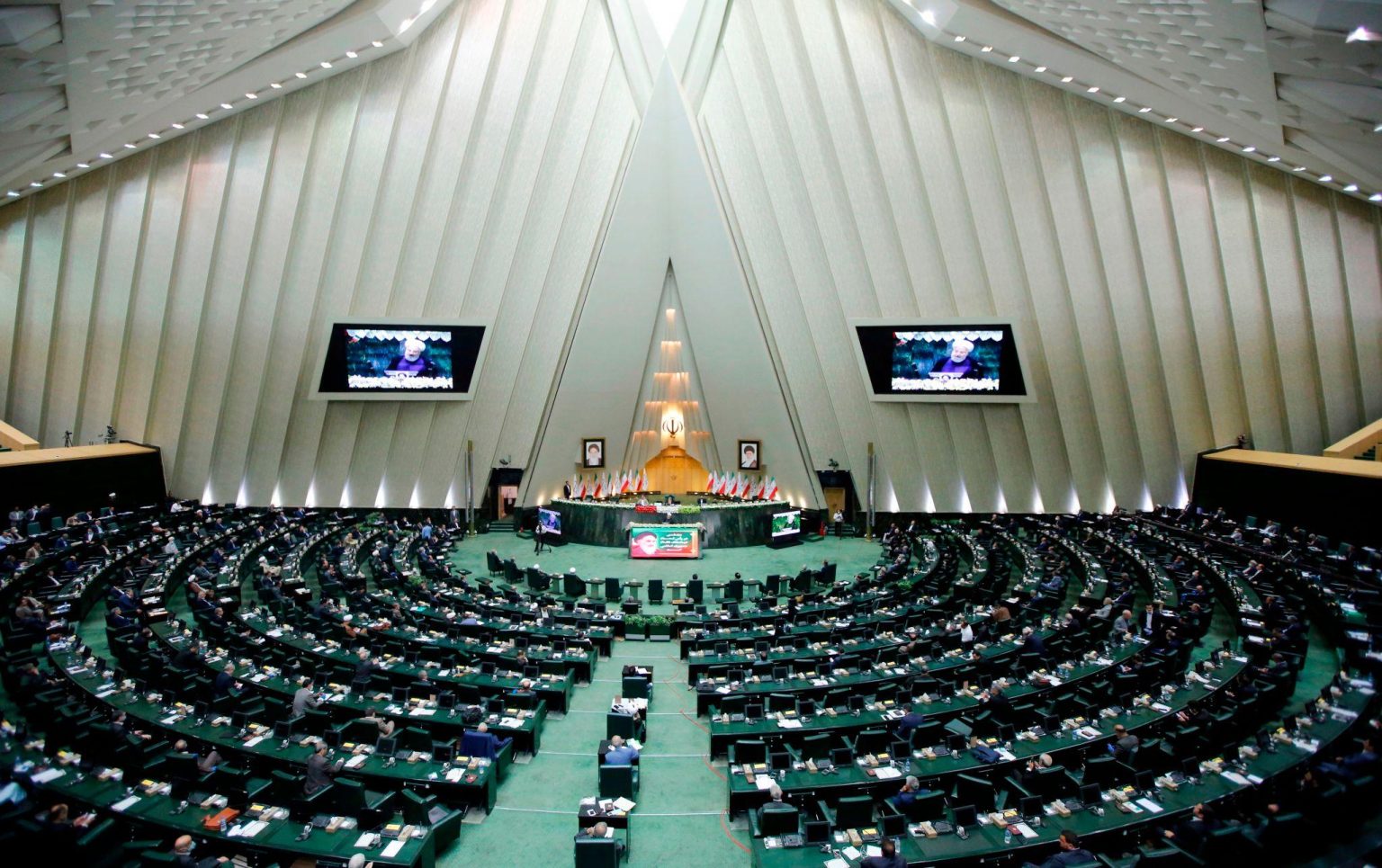
The Iran government structure is built on a combination of religious authority and elected representation. At its core is the Supreme Leader, who oversees major decisions related to national security, foreign policy, and the judiciary. Alongside this role, elected officials including the President and Parliament handle administrative and legislative responsibilities.
This layered system provides balance and continuity. The Iran government structure ensures that no single institution operates in isolation. Instead, power is distributed across various bodies, creating a framework that supports long-term stability and governance.
Leadership Transition Without Disruption
One of the defining strengths of the Iran government structure is its ability to handle leadership transitions smoothly. When a prominent figure is removed, the system activates established procedures that allow for immediate continuity.
These mechanisms prevent power vacuums and ensure that governance remains uninterrupted. The Iran government structure relies on councils and advisory institutions that guide decision-making during periods of uncertainty. This approach reinforces confidence both domestically and internationally.
Institutional Strength Over Individual Roles
Officials have consistently emphasized that the strength of governance lies in institutions rather than individuals. The Iran government structure reflects this principle by ensuring that authority is shared among multiple entities.
This design minimizes the impact of losing any single leader. It also reinforces the perception that the Iran government structure is durable and capable of withstanding internal and external pressures. By focusing on institutional integrity, the system maintains continuity even during challenging times.
Historical Comparison of System Resilience
A historical comparison highlights how the Iran government structure has consistently demonstrated resilience. Since the 1979 revolution, the country has faced wars, sanctions, and political shifts. Each of these events tested the stability of governance.
During the Iran-Iraq war in the 1980s, leadership challenges and external threats created significant pressure. However, the Iran government structure adapted by strengthening internal coordination and maintaining centralized authority. Similarly, periods of economic sanctions in later decades forced adjustments in policy while preserving the system’s core framework.
These historical examples show that the Iran government structure has been repeatedly tested and has continued to function effectively. The ability to adapt while maintaining stability remains one of its defining characteristics.
Domestic Messaging and Public Confidence
Maintaining public confidence is a critical aspect of governance. Officials have used consistent messaging to reassure citizens that the system remains stable and operational.
The Iran government structure is presented as a reliable framework capable of managing crises without disruption. This narrative helps prevent uncertainty and reinforces trust in institutions. By emphasizing continuity, authorities aim to maintain social stability and public support.
Global Reactions and Strategic Impact
The international community closely monitors developments in Iran due to its strategic importance. Stability within the country has implications for regional security, energy markets, and diplomatic relations.
The Iran government structure plays a central role in shaping these dynamics. By projecting resilience, Iran signals to global powers that it remains stable despite internal changes. This perception influences geopolitical strategies and international negotiations.
Economic Stability Amid Political Events
Economic continuity is another key aspect tied to governance. Policies related to oil production, trade, and domestic markets continue to operate under established frameworks.
The Iran government structure ensures that economic strategies are not disrupted by leadership changes. This stability is essential for maintaining investor confidence and supporting long-term development. Even during periods of uncertainty, economic policies remain consistent.
Regional Influence and Strategic Position
Iran’s role in regional affairs is closely linked to its internal stability. The country maintains influence across the Middle East through alliances and strategic positioning.
The Iran government structure provides a stable foundation for these activities. By maintaining internal cohesion, Iran is able to project strength and influence beyond its borders. This stability enhances its role in regional security and diplomacy.
Ideological Foundations of Governance
Ideology plays a significant role in shaping governance. The integration of religious principles into political decision-making creates a unique system.
The Iran government structure combines ideological guidance with administrative functionality. This balance allows the system to maintain a strong identity while adapting to modern challenges. It also contributes to the resilience of governance by reinforcing core values.
Challenges Facing the System
Despite its strengths, the system faces ongoing challenges. Economic pressures, international sanctions, and domestic expectations continue to test governance.
The Iran government structure must navigate these issues while maintaining stability. Balancing reform with continuity is a complex task, but the system has shown an ability to adapt without compromising its core principles.
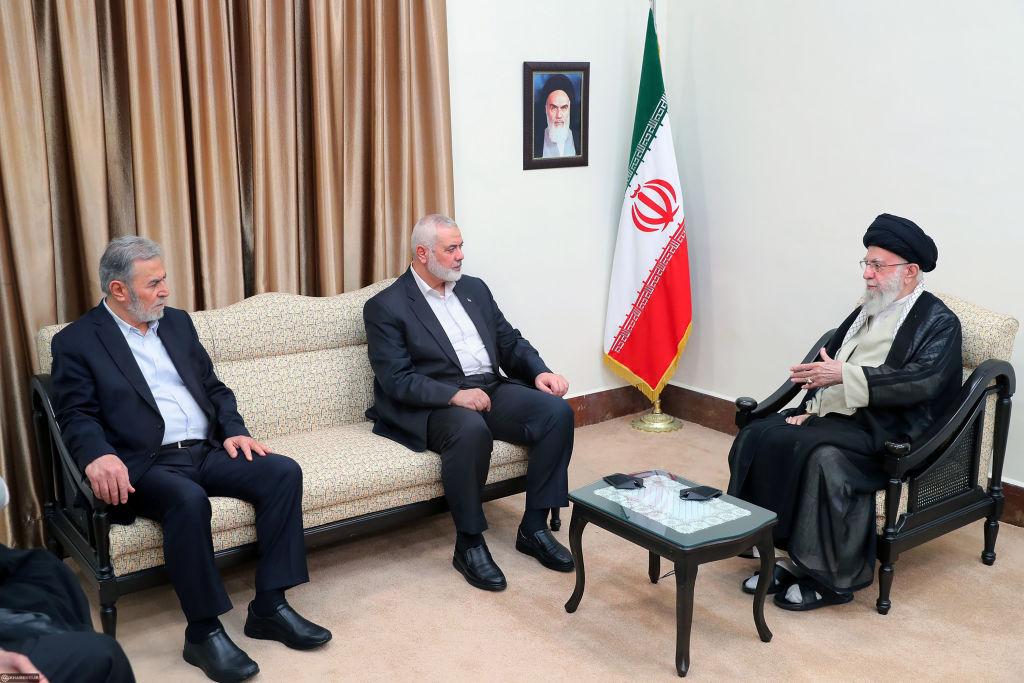
Quote on Institutional Strength
“The strength of governance lies not in individuals, but in the systems that outlast them.”
This quote reflects the core philosophy behind the Iran government structure, emphasizing resilience and continuity.
Future Outlook for Governance
Looking ahead, the Iran government structure is expected to remain a central element of stability. While challenges will continue, the system’s design provides a strong foundation for enduring change.
Future developments are likely to focus on maintaining balance between tradition and modernization. The Iran government structure will continue to evolve while preserving its fundamental principles.
A Governance Model Built for Continuity
The events of 2026 have once again demonstrated the durability of Iran’s system. By prioritizing institutional strength over individual roles, governance remains stable even during times of uncertainty.
The Iran government structure stands as an example of how political frameworks can be designed to endure challenges. As global attention remains focused on Iran, its stability will continue to influence both regional and international dynamics.