Officials with knowledge of the situation say the operation was precise and deliberate, aimed at disrupting Iran’s intelligence leadership structure. The confirmation that Iran intelligence minister killed has triggered immediate diplomatic reactions and increased military readiness across multiple countries.
Strike Details Emerge from Tehran
Early information indicates that the strike occurred within a secured area connected to intelligence operations. Iran intelligence minister killed during what analysts describe as a carefully planned mission that relied on accurate intelligence and timing.
The nature of the operation suggests coordination across multiple domains, including surveillance and rapid execution. Experts believe such an operation required extensive preparation and high level decision making.
One regional analyst stated:
“This strike shows a level of precision that signals a shift in how these conflicts are being carried out.”
Strategic Significance of the Target
The fact that Iran intelligence minister killed is being viewed as a major strategic blow. Intelligence leaders play a central role in national defense planning, covert operations, and geopolitical positioning.
By removing such a figure, the strike could create disruptions in:
- Intelligence coordination systems
- Regional operational planning
- Internal decision making processes
This development may temporarily weaken Iran’s ability to respond with the same level of coordination.
Middle East Tensions Enter a New Phase
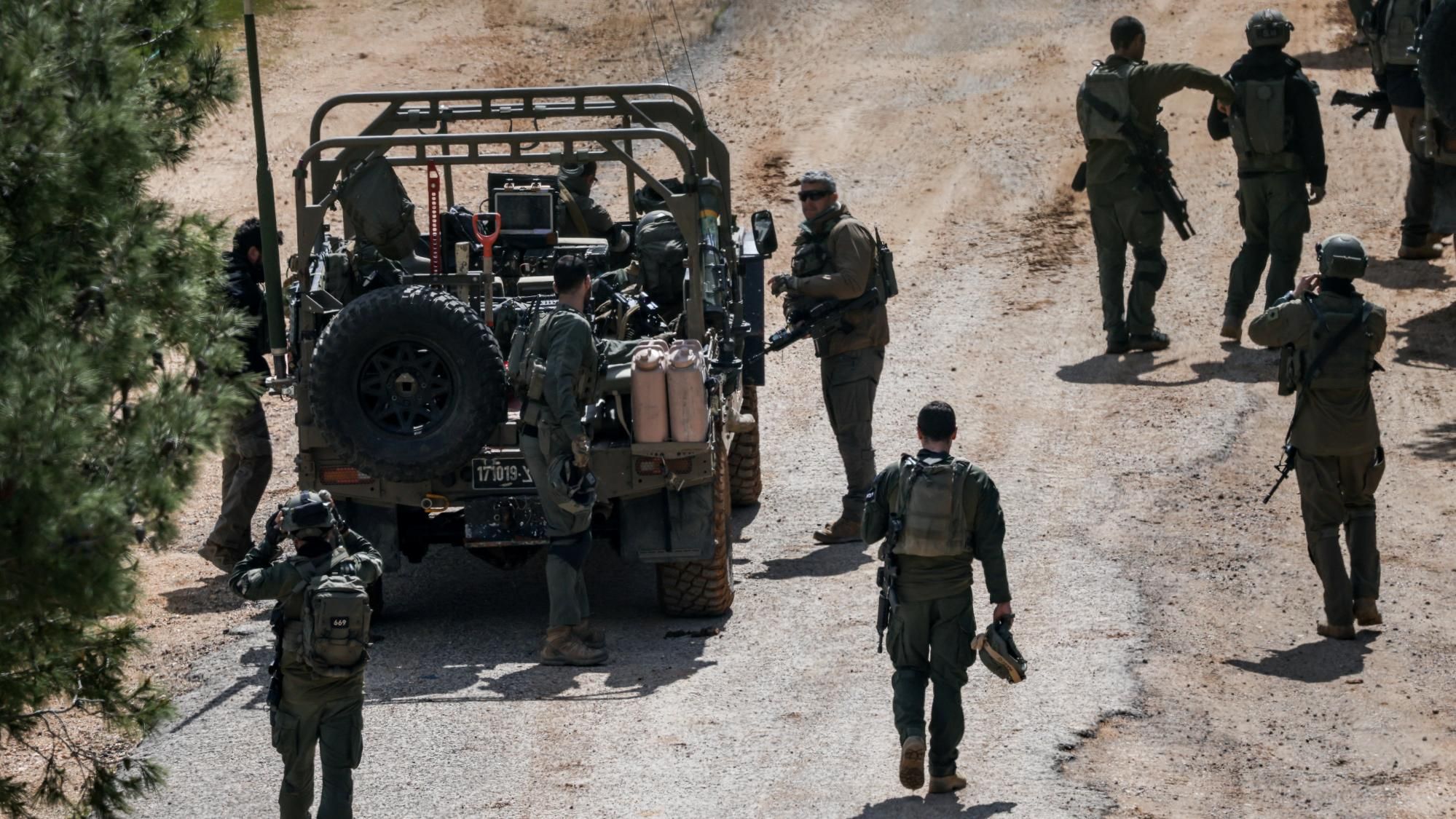
Following confirmation that Iran intelligence minister killed, tensions across the Middle East have intensified. Several countries have raised their alert levels, while military assets are reportedly being repositioned.
This moment is being described by analysts as a turning point, where indirect confrontations may evolve into more direct engagements. The risk of escalation is now significantly higher than in previous incidents.
A diplomatic observer noted:
“The region is closer than ever to a wider conflict if restraint is not exercised.”
Iran Response Options Under Consideration
Iran has not yet fully outlined its response, but experts believe retaliation is likely after Iran intelligence minister killed. The country has historically used a combination of direct and indirect methods in response to similar events.
Potential actions could include:
- Cyber operations targeting infrastructure
- Missile or drone responses
- Activation of regional allied groups
Each potential response carries the risk of further escalation, especially if it leads to direct confrontation.
Global Security Landscape Shifts
The development that Iran intelligence minister killed has implications far beyond the region. Global security agencies are closely monitoring the situation, recognizing the potential for broader impact.
This event highlights key concerns such as:
- Increased intelligence warfare
- Rising geopolitical tensions
- Risk of multi nation involvement
Countries with strategic interests in the Middle East are now reassessing their security and diplomatic strategies.
Economic Impact and Market Volatility
Financial markets reacted quickly following the news that Iran intelligence minister killed. Oil prices showed immediate fluctuations, reflecting concerns about potential disruptions in supply.
The Middle East remains critical to global energy markets, and any instability can have widespread economic consequences. Investors are now watching developments closely for signs of escalation or stabilization.
Historical Background of the Conflict
The context in which Iran intelligence minister killed occurred is rooted in decades of tension between Israel and Iran. Historically, both nations have engaged in indirect conflict through proxies and covert operations.
However, this event represents a shift toward more direct action. Previous engagements rarely targeted high level intelligence leadership in such a visible manner.
This shift is why global observers are treating the situation with heightened concern.
International Diplomatic Reactions
Following reports that Iran intelligence minister killed, global leaders have called for restraint. Diplomatic channels are active, with efforts underway to prevent further escalation.
Despite these efforts, achieving consensus may be difficult given the complexity of regional alliances and interests.
A senior official commented:
“Preventing escalation now requires coordinated global action and careful diplomacy.”
Critical Days Ahead for the Region
With Iran intelligence minister killed, attention has turned to what happens next. Analysts believe the coming days will be crucial in determining the direction of events.
Possible scenarios include:
- Limited retaliation with controlled escalation
- Broader regional conflict involving multiple actors
- Diplomatic breakthroughs that reduce tensions
Each outcome carries significant implications for global security.
A Defining Shift in Modern Conflict Dynamics
The moment Iran intelligence minister killed may mark a broader shift in how conflicts are conducted in the modern era. Targeting intelligence leadership represents a strategic approach that could redefine engagement rules.
This development underscores the increasing importance of intelligence in shaping military and political outcomes.
The Global Shockwave What Happens Next After This Strike
Iran intelligence minister killed in Tehran 2026 has created a critical moment in global geopolitics. The strike has intensified tensions, triggered international reactions, and raised the risk of escalation across the Middle East.
A high level intelligence figure has been eliminated in a targeted strike. Regional tensions have surged, and global markets are reacting to uncertainty. The next steps taken by involved nations will determine whether the situation stabilizes or escalates further.
The world now watches closely as events continue to unfold, with the outcome likely to shape international relations for years to come.