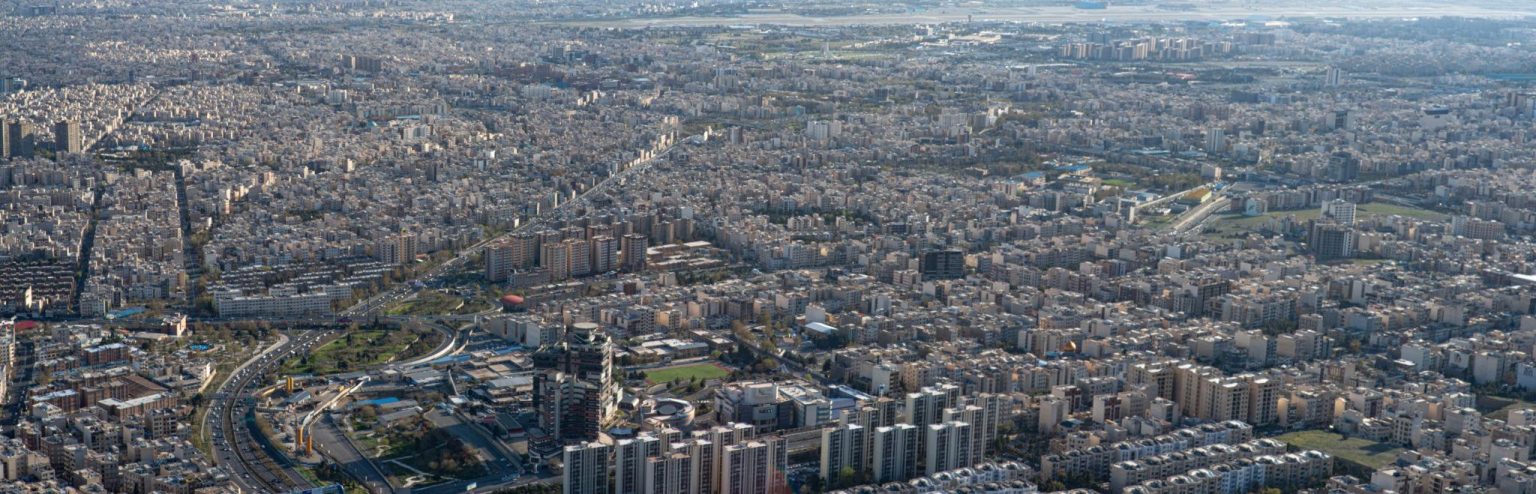
Tehran, Iran — March 14, 2026 — Brussels Morning Newspaper — Iranian officials moved quickly to address speculation about tensions inside the country’s leadership after reports circulated suggesting disagreements and possible health concerns involving senior figures. Government representatives emphasized that Iran leadership relations remain stable and cooperative despite the rumors that spread across regional media and social platforms.
The clarification came during a diplomatic briefing where Iran’s foreign minister responded to questions regarding internal political dynamics. Officials stated that communication between senior government institutions and the Supreme Leader’s office continues normally.
Observers note that maintaining clarity about Iran leadership relations is important during periods of regional tension. Political unity at the highest levels of leadership often signals stability both domestically and internationally.
Government officials said that speculation about disagreements had been exaggerated. They stressed that Iran’s leadership institutions continue to work together in guiding national policy, diplomacy, and strategic planning.
Analysts believe the statement was also intended to reassure international partners who closely monitor developments within Iran’s leadership structure.
Government Leaders Reaffirm Cooperation
During the press briefing, officials emphasized that Iran’s leadership operates within a structured system where different branches of authority cooperate to shape national policy. The foreign minister explained that Iran leadership relations remain grounded in coordination and shared responsibility.
Iran’s political system assigns different roles to institutions responsible for diplomacy, administration, and national strategy. Coordination among these institutions helps ensure that domestic and foreign policies align with broader national goals.
Officials said the stability of Iran leadership relations allows the government to focus on economic policy, diplomatic engagement, and regional security discussions without distraction from rumors or misinformation.
Political observers say that reaffirming unity among leadership figures helps maintain public confidence and supports Iran’s diplomatic credibility in international negotiations.
Such statements are also designed to counter speculation that could create uncertainty about the direction of the country’s policy decisions.
Structure of Iran’s Political Leadership
Understanding Iran leadership relations requires examining the structure of the country’s political system. Iran operates under a unique framework where elected institutions and religious leadership share responsibilities within governance.
The Supreme Leader holds the highest authority and oversees strategic matters such as defense policy and national security. Meanwhile government officials including ministers manage administration, diplomacy, and economic planning.
Coordination between these roles forms the foundation of Iran leadership relations, ensuring that decisions made by different branches of government remain aligned with the country’s broader strategic direction.
Experts say that communication between institutions has long been considered essential for maintaining stability in Iran’s governing system.
Political analysts point out that this structure enables leadership continuity even during periods of international pressure or regional instability.
Diplomatic Importance of Leadership Stability
The stability of Iran leadership relations also plays an important role in shaping the country’s diplomatic engagements. Governments negotiating with Iran often evaluate internal political dynamics to understand how decisions are made.
When leadership institutions demonstrate unity, diplomatic negotiations become more predictable. International partners are more confident that agreements reached during discussions will reflect consistent national policy.
Analysts say that confirming stable Iran leadership relations may help reassure countries involved in economic or diplomatic dialogue with Tehran.
Iran has been involved in several regional discussions concerning trade, security, and economic cooperation. Stability within leadership institutions helps ensure that these diplomatic efforts continue without interruption.
Observers believe that leadership coordination remains one of the key factors influencing Iran’s role in regional politics.
Addressing Reports About the Supreme Leader’s Health
Speculation regarding the health of the Supreme Leader attracted significant attention before officials responded publicly. Although authorities did not provide detailed medical information, they emphasized that leadership responsibilities continue as normal.
Officials said the speculation had no effect on Iran leadership relations, which remain stable according to government statements. Communication between senior officials and the Supreme Leader’s office continues regularly as part of normal governance procedures.
Rumors about national leaders often spread quickly across social media platforms. In many countries, such speculation can raise questions about political stability.
By reaffirming Iran leadership relations, officials aimed to prevent those rumors from influencing public confidence or international perceptions.
Political analysts say the government’s response reflects a strategy of addressing speculation quickly before it escalates.
Historical Comparison With Past Political Rumors
Rumors about leadership health or political disagreements have appeared throughout modern political history in many countries. Iran has experienced similar waves of speculation during moments of diplomatic tension or major political developments.
Observers note that discussions surrounding Iran leadership relations follow a familiar historical pattern. Reports sometimes emerge suggesting internal divisions, followed by official responses emphasizing unity and coordination.
During earlier periods of international negotiations, Iranian officials also issued statements confirming that leadership institutions were aligned in their strategic approach.
Experts say the consistent emphasis on Iran leadership relations reflects the structure of Iran’s governing system, which encourages collaboration between government institutions and the Supreme Leader’s office.
Historical examples demonstrate that speculation about leadership dynamics often appears during periods when international attention on Iran increases.
Quote From the Foreign Minister
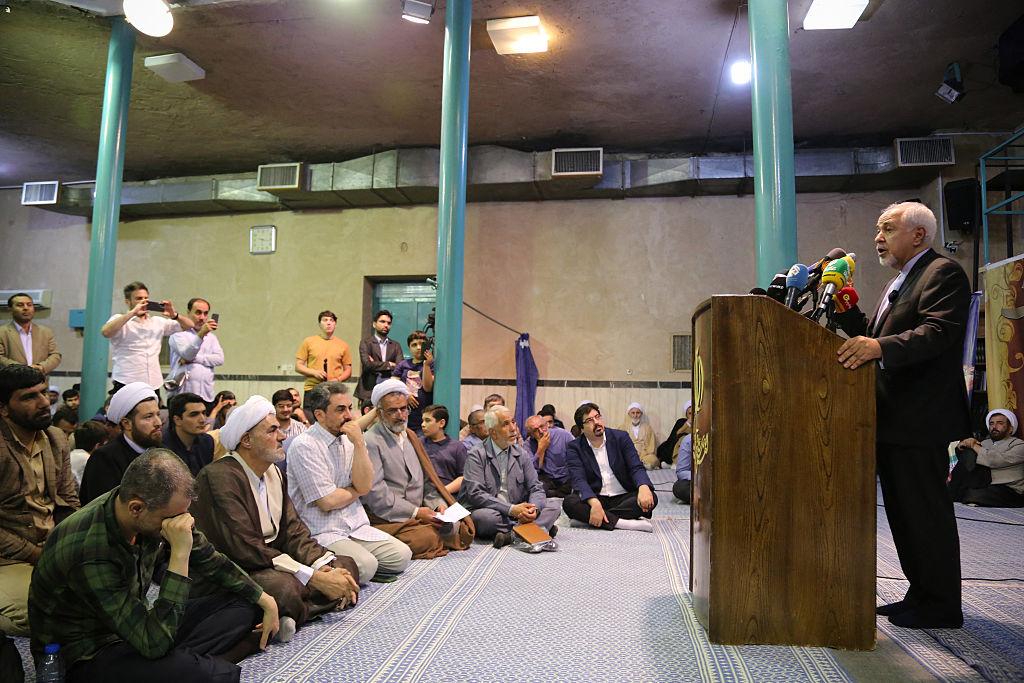
During the press briefing the foreign minister addressed the rumors directly and emphasized the unity of the leadership.
“ Our leadership works together with mutual respect and coordination as we serve the interests of our nation. ”
The statement reinforced the government’s message that Iran leadership relations remain strong despite the speculation circulating in media discussions.
Observers say the remark was intended to reassure both domestic audiences and international observers that the country’s leadership remains unified.
International Monitoring of Iran’s Leadership
Developments involving Iran’s leadership structure are closely monitored by governments around the world. Because Iran plays a significant role in Middle Eastern politics and energy markets, changes within leadership institutions can attract global attention.
The confirmation that Iran leadership relations remain stable may help reduce uncertainty among international observers who analyze the country’s policy direction.
Regional analysts note that leadership unity often influences diplomatic negotiations involving economic cooperation, sanctions discussions, and regional security initiatives.
By clarifying the status of Iran leadership relations, Iranian officials aim to demonstrate that the country’s diplomatic agenda continues without disruption.
Observers say stability within leadership institutions is viewed as a key factor shaping Iran’s future engagement with international partners.
Political Stability and Economic Outlook
Political stability often plays a major role in shaping economic expectations. Analysts say clear communication about Iran leadership relations can influence how investors and economic observers interpret political developments.
Iran remains an important participant in regional energy markets and trade networks. Perceptions of leadership unity can affect confidence in long term economic planning.
Officials emphasized that government institutions remain focused on economic reforms and development strategies. Stability within leadership structures helps maintain continuity in policy implementation.
Experts believe the confirmation of stable Iran leadership relations may help reinforce the perception that Iran’s political system continues to operate smoothly despite external speculation.
A Quiet Balance of Power in Tehran
Behind the public statements and diplomatic briefings lies a complex political framework that has shaped governance in Iran for decades. The interaction between religious authority and government institutions forms the core of Iran leadership relations, guiding policy decisions and strategic direction.
This system relies on communication between different institutions responsible for governance, diplomacy, and national security. The balance created by this structure allows Iran’s leadership to maintain continuity even during periods of international scrutiny.
As global attention remains focused on developments across the Middle East, the stability of Iran’s leadership framework will continue to influence diplomatic analysis and political discussion.
For now the message from Tehran remains consistent that Iran leadership relations remain strong and that the country’s leadership institutions continue to operate with coordination and shared purpose.