Doha, Qatar — March 14, 2026 — Brussels Morning Newspaper — The Qatar air defense system successfully intercepted four ballistic missiles and several drones launched toward the country earlier today, according to military officials. The attempted strike triggered immediate defensive action as radar systems detected incoming threats approaching Qatari airspace.
Authorities confirmed that interception missiles were launched within minutes after detection. Explosions were heard across parts of Doha as defensive interceptors destroyed the incoming missiles high above the city before they could reach their targets.
Defense officials stated that all threats were neutralized before impact. The successful operation demonstrated the capability of the Qatar air defense system, which has been significantly upgraded over the past decade to respond to modern missile threats.
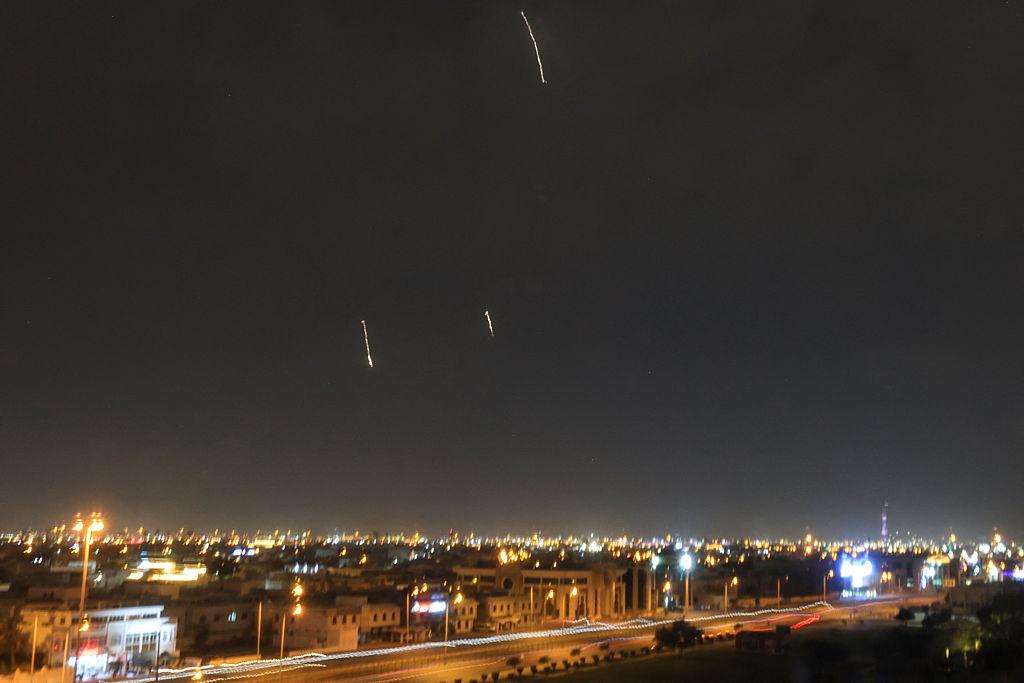
Residents reported seeing bright flashes in the sky during the interception. Government authorities later reassured citizens that no damage or casualties were reported and that security forces remained fully prepared for any additional threats.
The event immediately drew international attention as regional security experts began analyzing the implications of the attempted strike.
Rapid Military Response Prevents Damage
Defense officials explained that the missile launches were detected early by radar installations monitoring regional airspace. Once the threat was confirmed, command centers activated defensive procedures designed to neutralize incoming projectiles.
The Qatar air defense system operates as a layered security network combining radar tracking, satellite monitoring, and interceptor missiles capable of destroying ballistic threats mid flight. Military analysts say this rapid detection capability allowed defenders to respond within seconds.
Interceptor missiles were launched toward the incoming threats and successfully destroyed them before they could reach populated areas or critical infrastructure. Several drones launched alongside the missiles were also intercepted and destroyed.
Experts believe the drones may have been intended to complicate defensive responses or overwhelm missile defenses. However the integrated structure of the Qatar air defense system allowed operators to track multiple threats simultaneously and respond effectively.
The successful defense operation highlights the increasing importance of advanced missile interception technology in modern security planning.
Rising Tensions Across the Gulf
The missile launch occurred during a period of heightened political tension in the Middle East. Regional disputes and shifting alliances have contributed to a fragile security environment where missile capabilities play a growing role.
Security analysts say the Qatar air defense system represents an important defensive barrier in a region where ballistic missiles have become a common military tool.
Countries across the Gulf have invested heavily in missile defense technology as tensions continue to rise. The ability to intercept incoming threats is now considered essential for protecting cities, energy infrastructure, and military facilities.
Regional observers note that missile incidents can quickly escalate diplomatic tensions. Governments are therefore closely monitoring developments following the attempted strike.
The successful interception demonstrates how modern defense systems are designed not only to protect national territory but also to deter future attacks by demonstrating defensive capability.
Protecting Energy Infrastructure and Strategic Assets
Qatar plays a crucial role in global energy markets as one of the world’s leading exporters of liquefied natural gas. Much of the nation’s economic strength depends on the security of its production facilities and shipping routes.
The Qatar air defense system is designed to protect critical infrastructure including energy facilities, transportation networks, and urban centers. Military planners consider these locations high priority targets in the event of regional conflict.
Energy analysts say any disruption to Qatar’s production or export capabilities could have global economic consequences. As a result, protecting these facilities is central to national security strategy.
Defense authorities have invested heavily in radar systems and interceptor technology to ensure that potential threats can be detected and destroyed before causing damage.
The successful interception today reinforces the importance of maintaining strong defensive capabilities in a strategically important region.
Historical Comparison With Past Missile Conflicts
The effectiveness of the Qatar air defense system highlights how missile defense technology has evolved compared with earlier conflicts in the Middle East.
During the Gulf War in the early 1990s, several countries relied on early missile defense systems that attempted to intercept incoming threats. While those technologies marked an important step forward at the time, interception success rates were significantly lower than modern systems.
Today’s missile defense networks incorporate far more advanced radar systems, faster interceptors, and improved targeting technology. These innovations allow defenders to track missiles shortly after launch and intercept them with much greater precision.
The successful interception above Doha demonstrates how decades of technological progress have transformed defensive capabilities. What once required multiple attempts and uncertain results can now be achieved with far greater reliability.
This technological evolution has reshaped regional defense strategies across the Gulf.

International Reaction and Security Monitoring
The attempted missile strike and subsequent interception have drawn immediate attention from governments and international security organizations.
Diplomatic channels are now focused on preventing further escalation while monitoring developments across the region. Military forces in several neighboring countries have increased alert levels as a precaution.
Analysts say the Qatar air defense system will likely remain on heightened readiness while authorities evaluate intelligence related to the incident.
Regional governments are expected to continue strengthening defensive cooperation and intelligence sharing in response to the event.
Security experts emphasize that maintaining strong defensive capabilities is essential for preventing potential attacks from escalating into broader conflicts.
Market and Economic Implications
News of the missile interception briefly affected investor sentiment as financial markets reacted to the possibility of rising tensions in the Gulf region.
Energy markets in particular are sensitive to geopolitical developments involving major producers. Qatar’s role as a key supplier of liquefied natural gas means that events affecting the country’s security are closely watched by global investors.
Analysts say the successful response by the Qatar air defense system helped reassure markets that critical infrastructure remains protected.
However geopolitical uncertainty in the region continues to influence global economic outlooks, particularly when incidents involve missile launches or military activity.
The rapid defensive response likely prevented the type of disruption that could have affected energy supply chains.
Future Challenges for Missile Defense
Defense specialists believe incidents like this demonstrate the evolving nature of modern warfare. Ballistic missiles and drones are increasingly used as strategic tools in regional conflicts.
Maintaining an effective Qatar air defense system requires constant upgrades, improved training, and coordination with international defense partners.
Military planners must adapt to new threats including faster missiles, advanced drones, and electronic warfare tactics designed to interfere with radar systems.
Continued investment in defensive technology will likely remain a priority for Qatar as regional tensions continue to shape security strategies.
Experts say strong defensive capability also acts as a deterrent, discouraging potential adversaries from attempting attacks that are unlikely to succeed.
When Technology Protects the Skyline
One senior defense official described the successful operation in clear terms.
“Our forces detected the threats immediately and ensured every incoming missile was intercepted before it could endanger our people or our infrastructure. ”
The interception over Doha demonstrated the effectiveness of the Qatar air defense system and the readiness of the country’s defense forces.
Residents who witnessed the bright flashes of interceptors high above the skyline experienced a rare glimpse into the complex technology that protects modern cities.
As regional security challenges continue to evolve, the events over Doha highlight how advanced defensive systems have become a critical shield for nations facing increasingly sophisticated threats.