
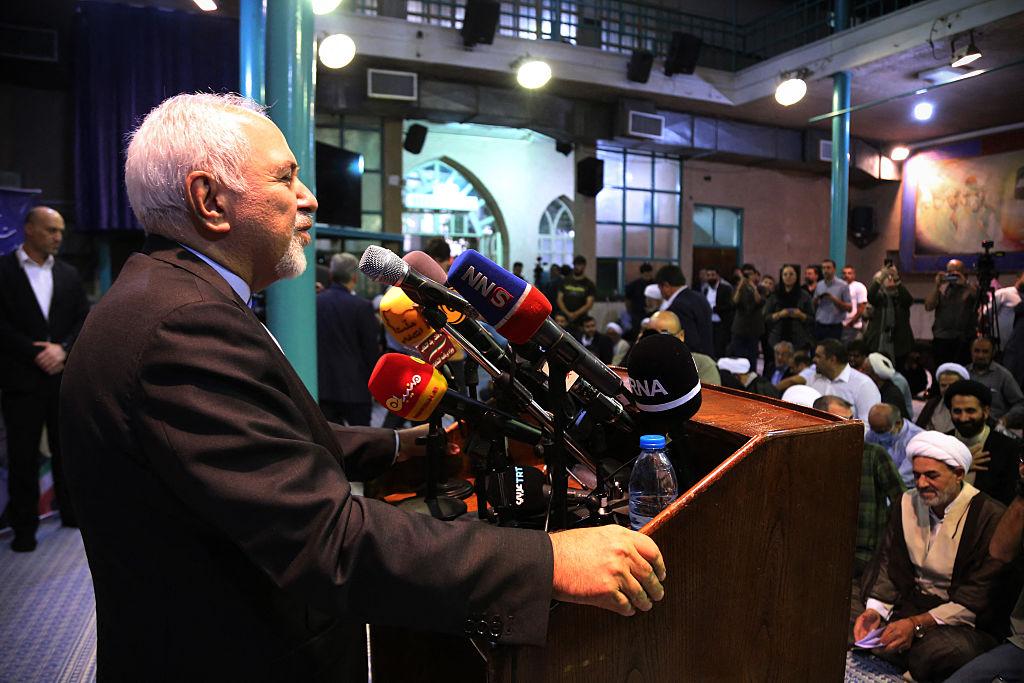
Tehran, Iran — February 28, 2026 — Brussels Morning Newspaper — The Iran foreign minister says Khamenei alive during an official diplomatic briefing in Tehran, addressing intensifying global speculation regarding the Supreme Leader’s health and leadership status. The clarification comes at a pivotal moment for regional stability, as geopolitical tensions and digital misinformation have amplified international scrutiny of Iran’s political structure in 2026.
The statement was delivered in response to growing online claims and international media discussions suggesting uncertainty at the top of Iran’s leadership hierarchy. By confirming continuity, Tehran signaled that governance, security command, and institutional operations remain unchanged.
Official Clarification From Tehran
The Iran foreign minister says Khamenei alive after several days of intensified rumors across digital platforms and foreign policy circles. Questions had arisen following the Supreme Leader’s limited public visibility during recent state functions. While Iranian officials traditionally avoid detailed commentary on personal health matters concerning senior leadership, this confirmation was direct and deliberate.
Diplomatic observers say the timing reflects an effort to neutralize misinformation before it could influence strategic calculations. In a system where the Supreme Leader exercises ultimate authority over military and judicial institutions, ambiguity can carry geopolitical consequences.
A senior diplomatic analyst in the region stated,
“Leadership continuity in Tehran matters not only domestically but across the Middle East, where strategic decisions often depend on predictable signals.”
By issuing a public confirmation, Iranian authorities sought to restore clarity and reassure both domestic institutions and international partners that governance remains uninterrupted.
Why Leadership Continuity Matters in 2026
Iran’s political framework places significant power in the office of the Supreme Leader. Decisions regarding foreign policy, national defense, and internal security ultimately flow through this position.
The Iran foreign minister says Khamenei alive message signals institutional steadiness at a time when regional alliances and rivalries remain sensitive. In 2026, negotiations over sanctions, economic policy, and regional security arrangements are ongoing. Stability at the apex of leadership reduces the likelihood of abrupt shifts in strategic direction.
Policy continuity is particularly important given current economic pressures and diplomatic engagement efforts. Financial markets, energy traders, and regional governments closely monitor developments in Tehran for signs of policy adjustment.
Regional Security Implications
The Middle East remains one of the world’s most strategically complex regions. Iran’s role in regional diplomacy, security alignments, and economic corridors makes leadership clarity especially significant.
When the Iran foreign minister says Khamenei alive, neighboring governments interpret it as confirmation that defense policy and diplomatic posture remain consistent. Security analysts argue that uncertainty about leadership could create space for miscalculation among rival states.
An international security expert based in Brussels commented,
“Moments of ambiguity can amplify risk. Clear messaging from Tehran reduces the chance of unintended escalation.”
Energy markets also reacted cautiously during the period of speculation. Oil prices tend to respond to perceived instability in major producing nations. Confirmation of leadership continuity contributed to stabilizing short term volatility.
Domestic Political Stability and Public Confidence
Within Iran, institutional stability carries deep symbolic and practical importance. The Supreme Leader serves not only as a political authority but also as a central figure in the country’s governance identity.
The Iran foreign minister says Khamenei alive reassurance functions as a domestic stabilizer. Public institutions, religious authorities, and administrative bodies operate within a structured hierarchy that depends on clear leadership signals.
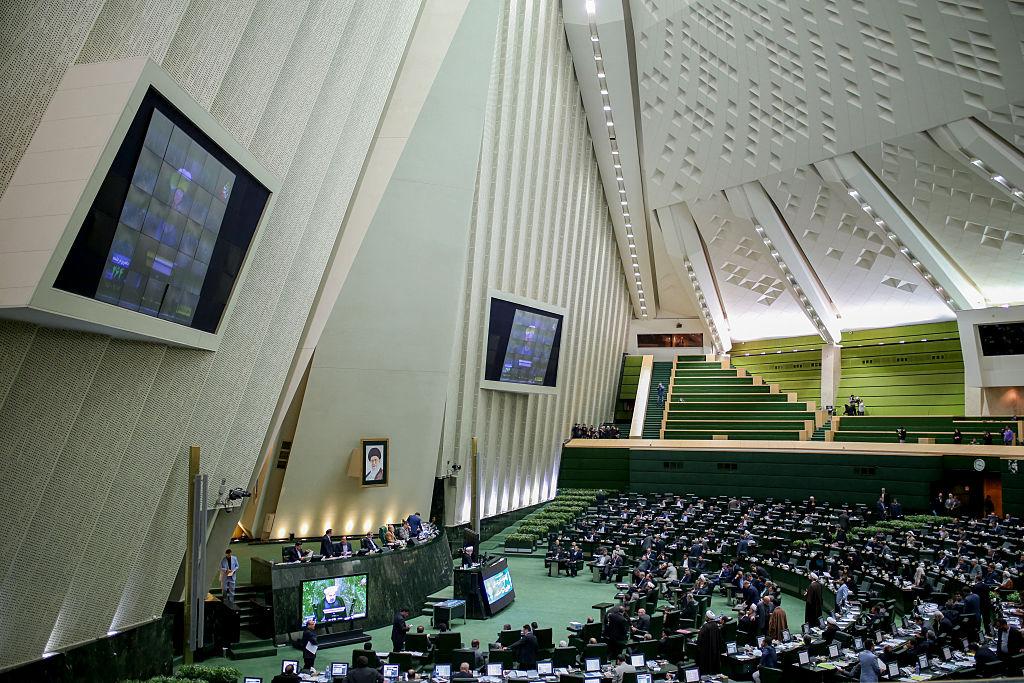
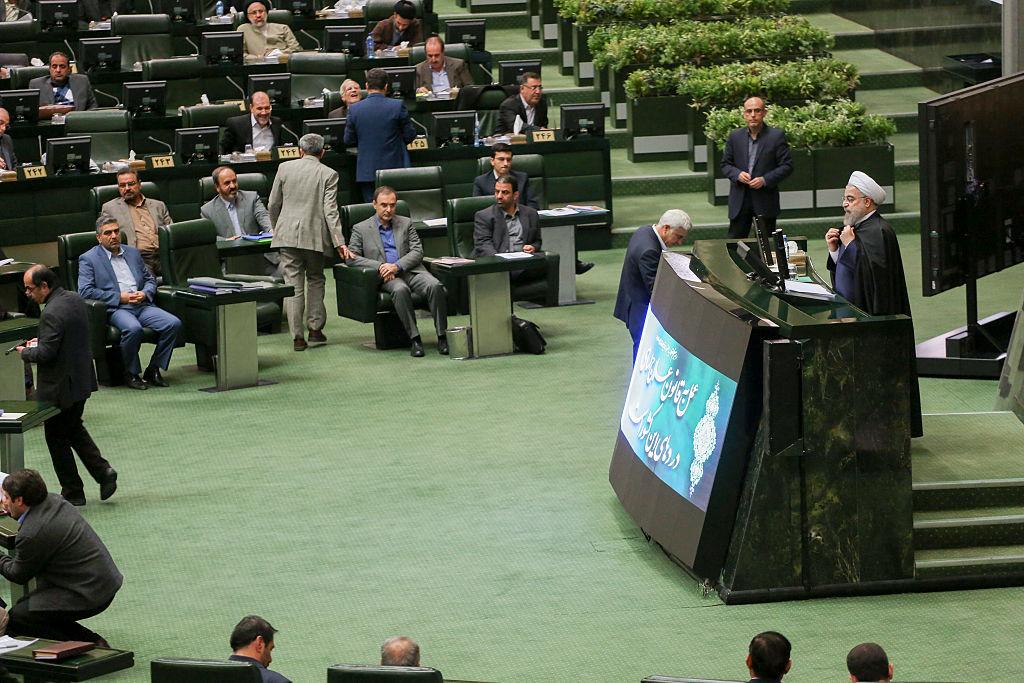
State media emphasized continuity in its coverage, underscoring that routine governance, legislative processes, and executive coordination continue without interruption. Political analysts note that such communication is designed to prevent internal uncertainty during sensitive periods.
Information Flow in the Digital Era
The speed of modern information dissemination has transformed global politics. Rumors can spread internationally within minutes, often without verification. Leadership health speculation frequently becomes amplified on social media platforms before official channels respond.
The Iran foreign minister says Khamenei alive clarification demonstrates how governments now address misinformation in real time. Rather than providing detailed medical updates, officials often opt for concise confirmations to counter viral narratives.
Media scholars observe that digital ecosystems reward sensational claims, making prompt official responses increasingly necessary. In this case, the statement appears to have achieved its intended stabilizing effect.
International Diplomatic Reactions
Foreign ministries and embassies in Tehran responded cautiously following the confirmation. Diplomatic engagement continued as scheduled, and no formal disruptions were reported.
A European envoy familiar with regional affairs noted,
“Our channels of communication with Tehran remain active and consistent.”
While transparency standards vary globally, most governments prioritize institutional continuity over detailed public disclosure regarding leadership health. The confirmation aligns with diplomatic norms aimed at preserving stability during uncertain periods.
Economic Markets and Strategic Signaling
Geopolitical stability directly influences global financial markets. Energy traders, currency analysts, and multinational investors assess political developments in real time.
During the speculation phase, modest volatility appeared in regional energy pricing. Confirmation of leadership continuity contributed to stabilizing investor sentiment. Analysts suggest that markets often react to uncertainty more than to confirmed information.
Strategic signaling from Tehran reinforces predictability. Governments and corporations alike depend on clear policy direction, particularly in sectors affected by sanctions, trade routes, and security agreements.
Historical Context of Supreme Leadership Stability
Speculation about senior political figures is not uncommon worldwide. In Iran’s case, public appearances by the Supreme Leader have occasionally sparked debate during periods of absence.
Historically, Iran’s governance system has emphasized institutional resilience. Constitutional mechanisms outline succession procedures and maintain continuity regardless of temporary uncertainty.
Political historians note that rumors often intensify during periods of regional tension. However, institutional structures are designed to prevent abrupt instability. This historical resilience has shaped both domestic confidence and international perception.
Policy Outlook Moving Forward
With speculation addressed, attention returns to substantive policy issues shaping 2026. Iran continues to navigate complex negotiations related to economic sanctions, regional diplomacy, and security frameworks.
The Iran foreign minister says Khamenei alive confirmation indicates that policy priorities remain unchanged. Analysts expect continuity in diplomatic outreach and defense posture.
Observers emphasize that long term stability depends not only on leadership presence but also on institutional coherence. Iran’s political architecture appears to remain intact, according to diplomatic sources.
Media Responsibility and Narrative Management
The episode underscores the importance of responsible reporting in a fast moving information environment. Sensational headlines can influence markets and diplomatic relations before facts are confirmed.
The measured official response from Tehran reflects awareness of the global impact of leadership narratives. Analysts argue that clear communication reduces the potential for destabilizing speculation.
An independent media analyst remarked,
“In geopolitics, perception can influence reality. Swift clarification helps prevent rumors from shaping strategic outcomes.”
Strategic Stability in a Connected World
As 2026 unfolds, geopolitical observers continue to monitor developments across the Middle East. Leadership continuity in Tehran remains a cornerstone of regional balance.
The Iran foreign minister says Khamenei alive statement represents more than a routine clarification. It serves as strategic reassurance at a moment when global attention remains fixed on political stability and diplomatic negotiation.
International markets, regional governments, and domestic institutions have largely absorbed the confirmation as a stabilizing signal.
Beyond Speculation Toward Strategic Continuity
The recent events highlight the intersection of digital communication and high level governance. Rumors spread rapidly, but official clarity can restore equilibrium just as quickly.
In Tehran, governance structures continue to function under established constitutional guidelines. Diplomatic channels remain active, economic planning proceeds, and regional security frameworks stay in place.
The events of March 2026 underscore a broader lesson in modern geopolitics: clarity matters. In an interconnected world, leadership signals shape markets, alliances, and public confidence.
For now, Tehran’s message is clear. Institutional continuity stands firm, strategic policies remain consistent, and regional observers recalibrate expectations based on confirmed information rather than speculation.