
Iranian supreme leader Khamenei remains central to Iran political authority in 2026.
Tehran leadership signals continued focus on sovereignty and regional alliances.
Iranian supreme leader Khamenei influence extends across defense diplomacy and domestic governance.
Tehran, Iran — February 20, 2026 — Brussels Morning Newspaper confirms that Iranian supreme leader Khamenei remains at the center of national decision making as political and regional dynamics evolve in 2026. Iranian supreme leader Khamenei continues to oversee strategic defense policy, economic coordination and foreign relations from Tehran during a period marked by heightened diplomatic sensitivity.
Senior officials in Tehran signaled that economic resilience, regional security and sovereignty remain guiding priorities. Iranian supreme leader Khamenei authority within Iran constitutional structure ensures that final decisions on major policy directions rest at the highest institutional level.
Observers note that 2026 has brought renewed international focus on Tehran, particularly as global powers reassess diplomatic engagement in the Middle East.
Constitutional Authority and Institutional Framework
Iranian supreme leader Khamenei holds the highest constitutional office in the Islamic Republic. Appointed in 1989 after the death of Ayatollah Ruhollah Khomeini, he has guided the country for more than three decades through political transitions and economic cycles.
Under Iran constitution, the supreme leader oversees the armed forces, judiciary and state broadcasting services. While the president manages daily executive functions, Iranian supreme leader Khamenei sets the broader strategic framework.
A constitutional law professor in Tehran stated,
“The office of the supreme leader is designed to preserve ideological continuity while navigating modern governance challenges.”
That balance between ideology and institutional stability defines much of the current political environment.
Relationship With the United States and Western Powers
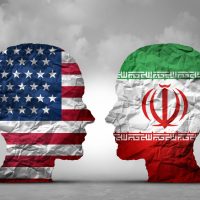
The relationship between Tehran and Washington remains complex. Iranian supreme leader Khamenei has consistently framed United States foreign policy as interventionist, while maintaining that diplomacy can serve national interests under defined conditions.
Sanctions continue to affect Iran economic landscape. Iranian supreme leader Khamenei has repeatedly emphasized domestic production and reduced reliance on Western markets as long term solutions.
Diplomatic channels have remained open through intermediaries and multilateral forums. Analysts suggest that pragmatic considerations coexist with firm rhetoric, shaping Iran strategic posture.
A regional security analyst observed,
“Tehran messaging is firm but calculated, reflecting deterrence more than escalation.”
Economic Pressures and Domestic Priorities
Inflation, currency fluctuations and employment remain central domestic concerns. Iranian supreme leader Khamenei has encouraged government officials to focus on sustainable industrial growth and diversified trade partnerships.
Economic planners are working to strengthen ties with Asian and regional economies. Energy exports continue to represent a key revenue source, although sanctions complicate transactions.
Iranian supreme leader Khamenei influence on fiscal priorities ensures that economic resilience remains aligned with broader national security objectives.
Public opinion surveys conducted by local institutions indicate mixed perspectives, with some citizens emphasizing reform and others prioritizing stability.
Regional Security and Strategic Alliances
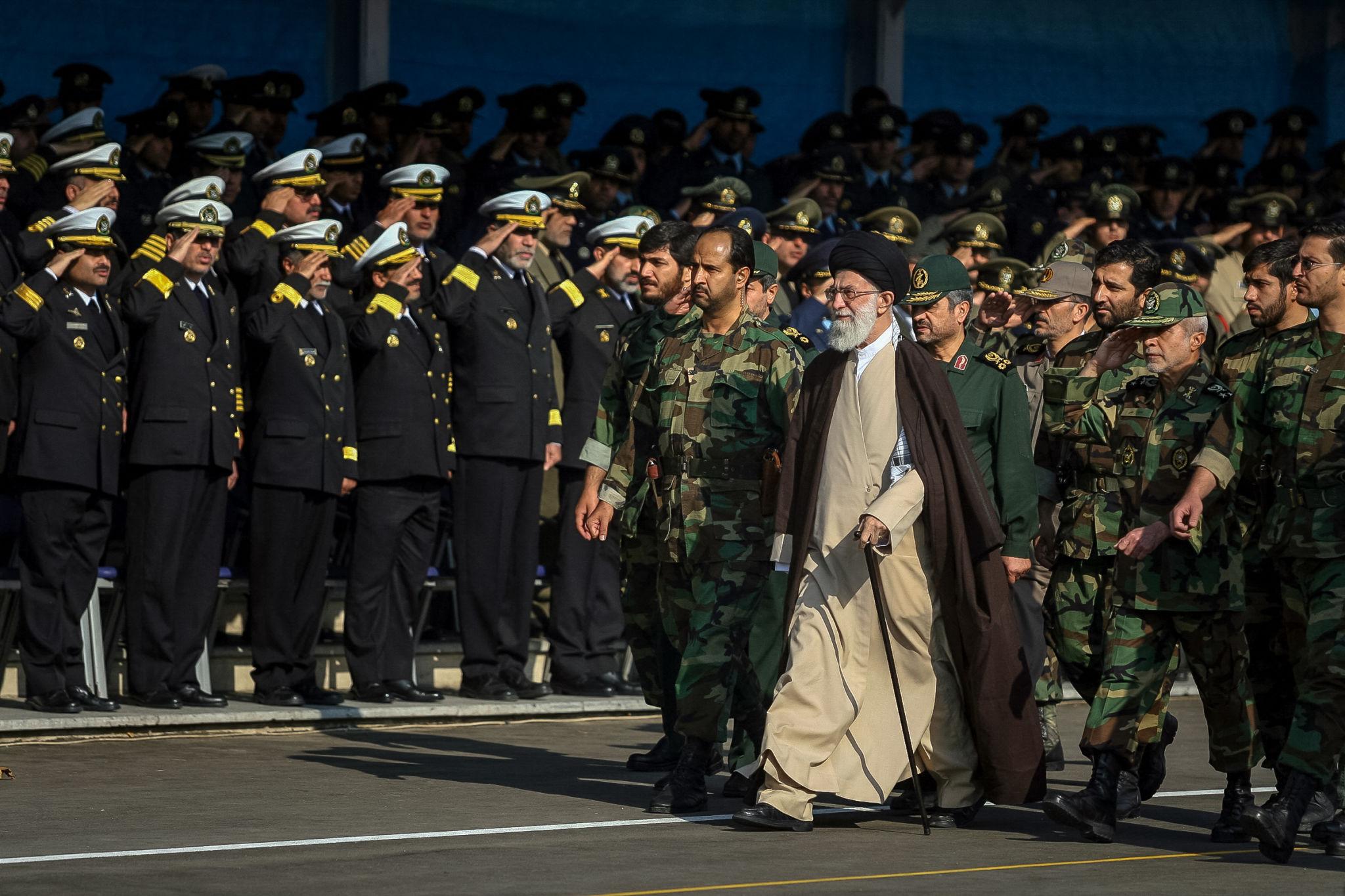
Iran regional engagement reflects a doctrine rooted in deterrence and alliance building. Iranian supreme leader Khamenei has supported partnerships with governments and groups across the Middle East, describing them as strategic safeguards.
Military modernization programs remain active, including investment in missile systems and defensive infrastructure. Officials maintain that these measures are protective rather than expansionist.
A defense commentator in Tehran stated,
“Strategic depth is seen as essential for national security in a volatile region.”
Iranian supreme leader Khamenei guidance shapes long term defense doctrine and diplomatic alignment.
Diplomatic Engagement and Global Messaging
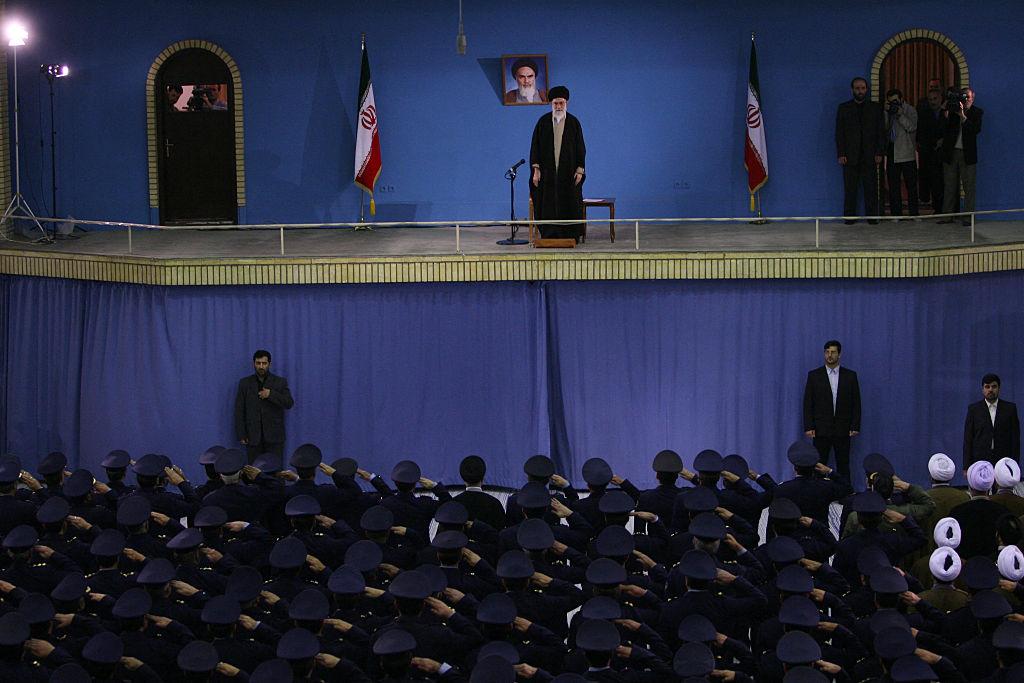
Despite tensions, Iran participates in multilateral organizations and maintains diplomatic representation worldwide. Iranian supreme leader Khamenei authorizes negotiation frameworks when consistent with national sovereignty.
Recent economic initiatives aim to expand non Western trade corridors. Observers note increased cooperation with regional partners on infrastructure and energy projects.
International audiences closely monitor statements issued from Tehran. Iranian supreme leader Khamenei remarks often signal broader strategic intent, influencing global market sentiment.
Public Discourse and Generational Shifts
Demographic changes have altered the social landscape. Younger citizens express interest in expanded economic opportunity and digital innovation.
Iranian supreme leader Khamenei has acknowledged generational aspirations while emphasizing cultural continuity. Balancing reform with ideological preservation presents ongoing governance complexity.
Academic experts suggest that gradual adaptation may characterize future policy adjustments.
Media Coverage and International Observation
Global media outlets continue analyzing developments in Tehran. Iranian supreme leader Khamenei leadership decisions are often linked to broader geopolitical narratives.
Energy markets, in particular, respond to diplomatic signals originating from Iran. Traders monitor policy shifts for potential impact on supply routes.
European and Asian governments maintain diplomatic dialogue, emphasizing stability and conflict avoidance.
History of Leadership Since 1989
Iranian supreme leader Khamenei assumed office in 1989 during a period of post war reconstruction. Over time, his tenure has spanned economic sanctions, nuclear negotiations and regional conflict dynamics.
The early 1990s marked economic rebuilding efforts. The 2000s brought increased international scrutiny. The 2010s saw landmark nuclear diplomacy followed by renewed sanctions cycles.
Throughout these phases, Iranian supreme leader Khamenei remained a constant institutional presence. His leadership illustrates continuity within a system balancing elected offices and clerical oversight.
Historical analysts note that few regional leaders have maintained comparable longevity in office.
Legal Framework and Governance Continuity
Iran constitutional system integrates religious authority with republican elements. Iranian supreme leader Khamenei functions as guardian of that structure.
The Assembly of Experts retains authority to appoint and supervise the supreme leader. However, day to day governance reflects collaboration between institutions.
Legal scholars argue that stability derives from this layered governance design.
Strategic Outlook for 2026 and Beyond
Looking ahead, policymakers anticipate continued emphasis on sovereignty and economic diversification. Iranian supreme leader Khamenei likely will maintain cautious engagement with global powers.
Regional security considerations remain paramount. Diplomatic recalibration may occur depending on broader geopolitical developments.
Economic modernization initiatives are expected to continue, particularly in technology and renewable energy sectors.
Global Implications of Tehran Leadership
The decisions made in Tehran resonate far beyond national borders. Iranian supreme leader Khamenei influence shapes energy markets, security alliances and diplomatic negotiations.
International observers stress that predictability in policy fosters stability. Market analysts monitor official communications for signals regarding sanctions or export frameworks.
Iran position within the broader Middle East strategic equation remains significant.
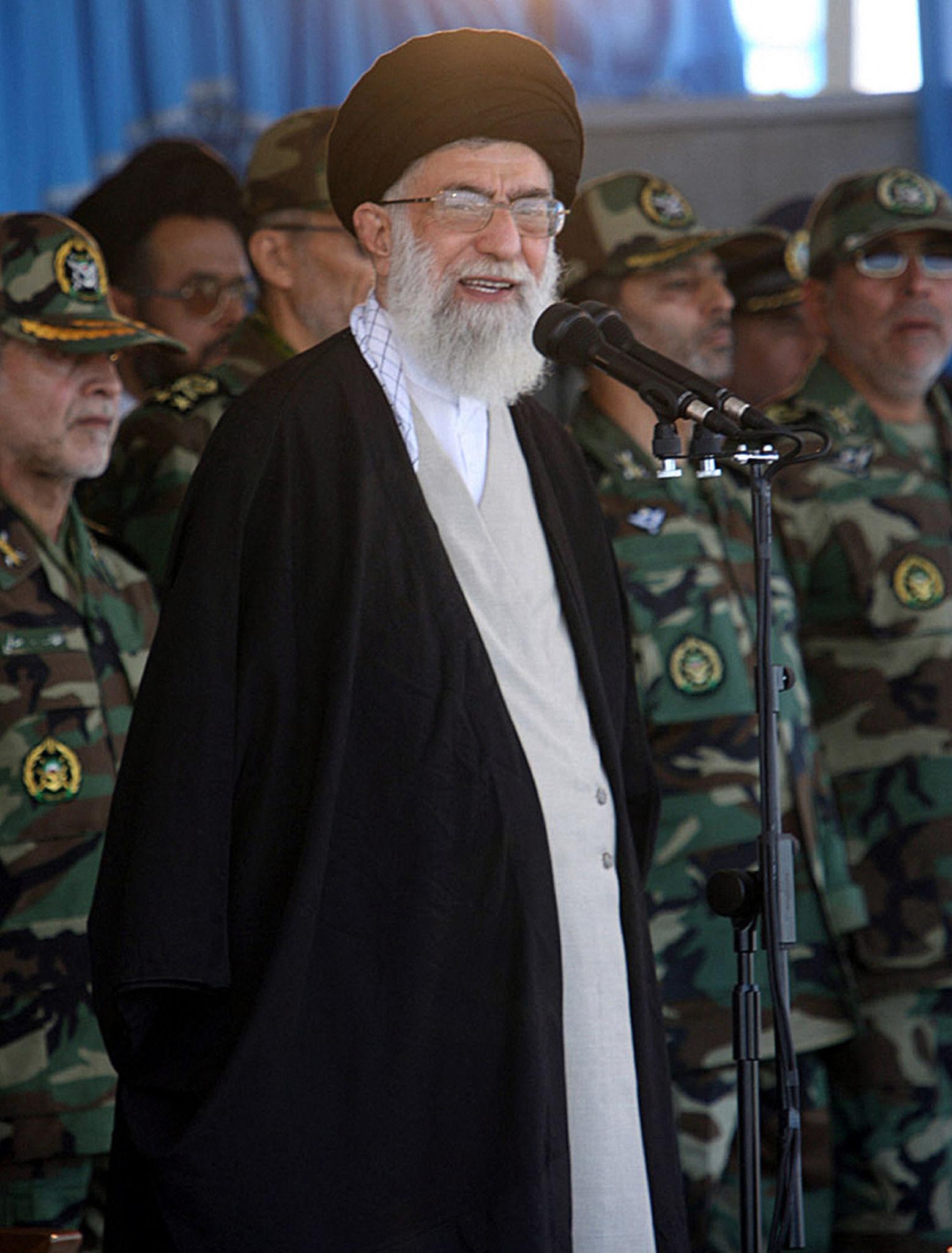
A Pivotal Year for Institutional Direction
March 2026 represents a pivotal chapter in Tehran governance trajectory. Brussels Morning Newspaper continues monitoring developments as Iranian supreme leader Khamenei guides national priorities through complex global conditions.
Analysts agree that transparency and institutional continuity will determine how 2026 is remembered in political history.
As Iran navigates evolving diplomatic landscapes, Iranian supreme leader Khamenei remains central to defining the country path forward.