
Tehran, January 2026 According to Brussels Morning Newspaper that in 2026 Tehran, allegations from opposition figures and former detainees have once again drawn global attention to the treatment of protesters following recent demonstrations. According to Iranian dissidents claims, security agencies have relied on intimidation and psychological pressure to force detainees into making confessions that critics say are false and politically motivated. These allegations have intensified scrutiny of Iran’s internal security practices at a time when domestic tensions and international pressure are both rising.
The renewed debate highlights broader questions about accountability transparency and the long term consequences of suppressing dissent in a society already strained by economic and political challenges.
Setting the Scene in Tehran
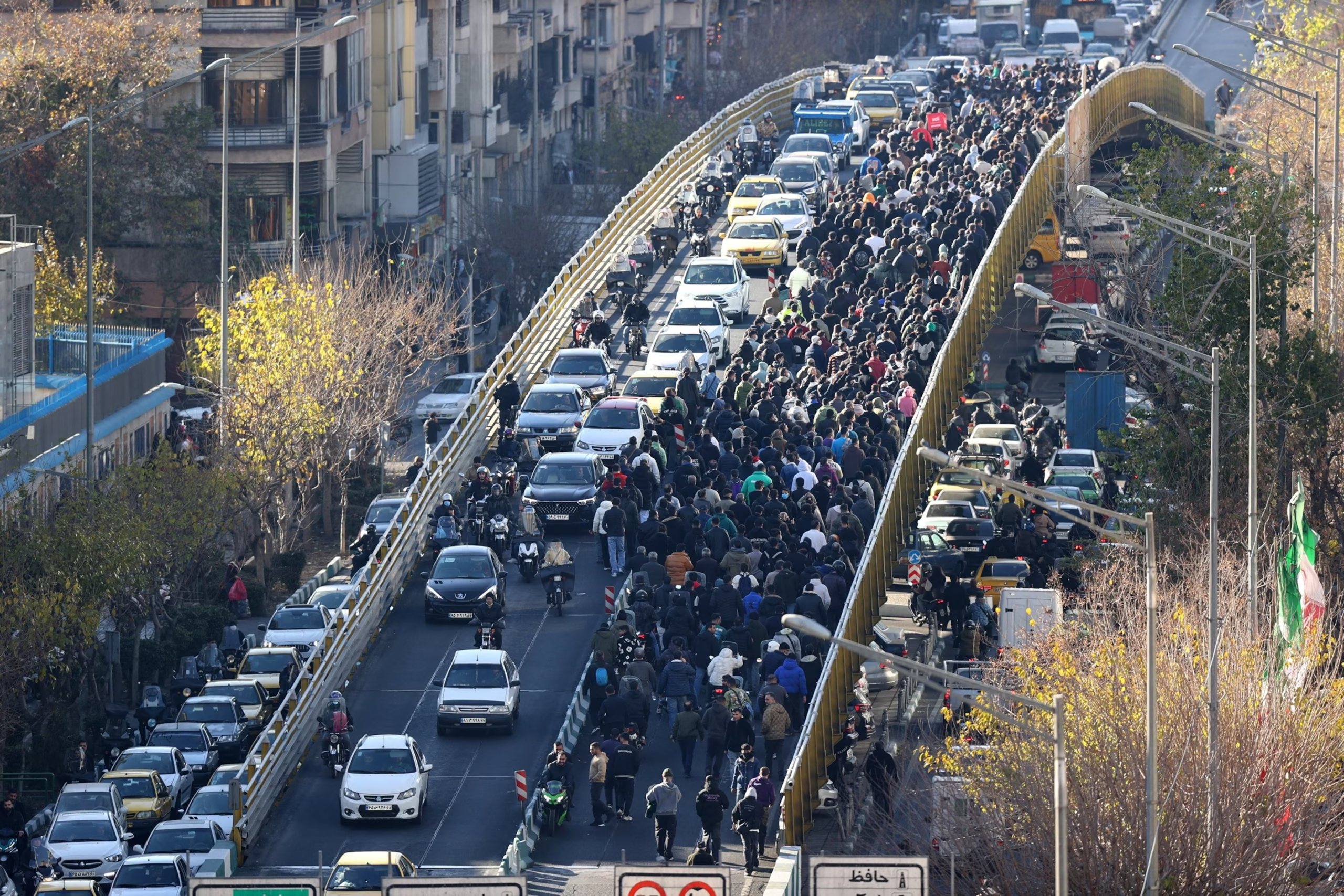
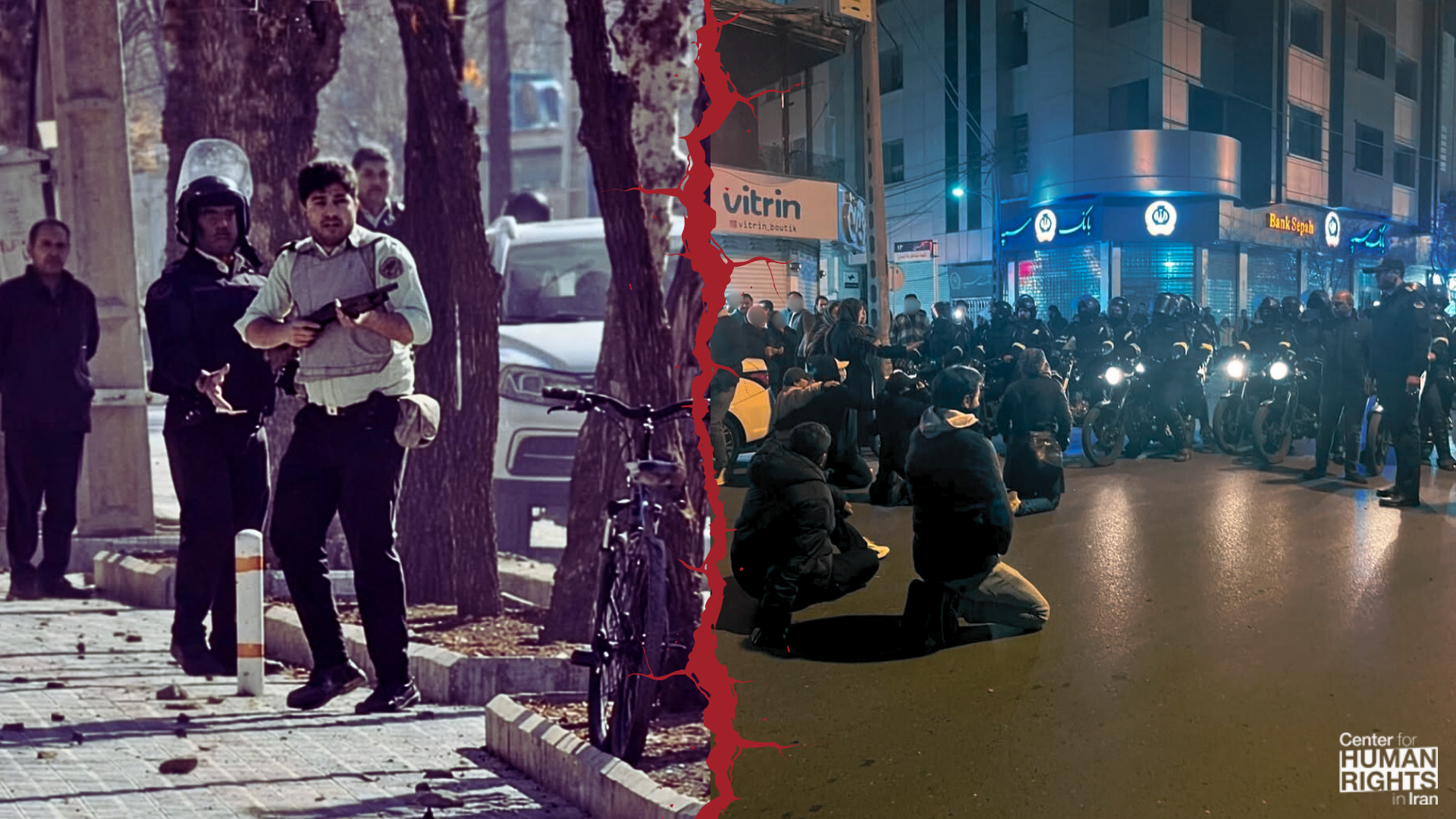
Tehran has been at the center of the latest wave of demonstrations which began as localized protests and quickly spread across multiple districts. Demonstrators voiced grievances related to economic hardship governance and personal freedoms. As crowds grew authorities deployed security forces and carried out mass arrests.
Within this charged environment Iranian dissidents claims suggest that detention facilities became focal points of state control where narratives about the protests were shaped behind closed doors.
Roots of the Current Protest Movement
The protests did not arise suddenly. Years of economic pressure inflation and limited employment opportunities have eroded public confidence. Younger generations in particular express frustration over restricted social space and limited political participation.
Analysts say the persistence of such conditions provides fertile ground for unrest. Against this backdrop Iranian dissidents claims argue that coercive responses are being used to manage symptoms rather than address underlying causes.
Arrests and Detention Practices
Following the demonstrations dozens of protesters were reportedly detained. Families described sudden arrests often carried out at night or during workplace raids. In many cases relatives said they were given little information about where detainees were being held.
Human rights observers note that Iranian dissidents claims about incommunicado detention raise concerns about increased vulnerability to abuse during early stages of custody.
Interrogation Methods Under Scrutiny
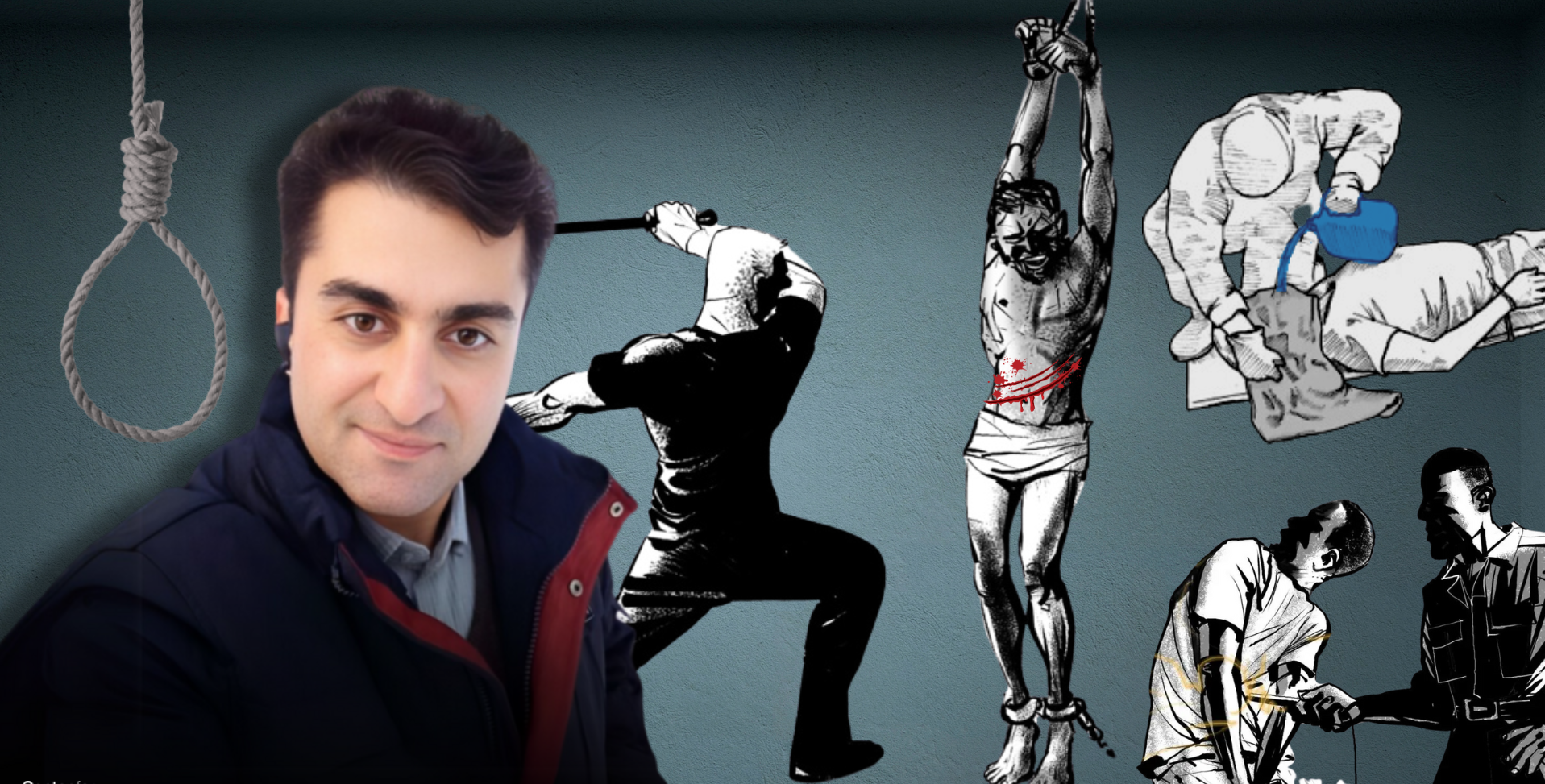
Former detainees who later left the country described interrogation environments marked by isolation and psychological pressure. They allege being questioned for extended periods without legal representation.
According to these testimonies Iranian dissidents claims assert that interrogations were structured to elicit predetermined confessions rather than establish factual accounts of protest activities.
Forced Confessions and Public Messaging
Televised confessions have become one of the most controversial aspects of the allegations. State affiliated media has broadcast videos showing detainees admitting to serious charges including collaboration with foreign actors.
Critics argue that these broadcasts serve a dual purpose reinforcing official narratives while deterring future protests. Legal experts say Iranian dissidents claims regarding such confessions undermine the credibility of judicial proceedings.
Legal Standards and Due Process
Iran’s legal framework formally prohibits coercion and guarantees defendants the right to counsel. However implementation has long been questioned in politically sensitive cases.
Lawyers familiar with protest related trials say access to independent representation is often delayed. In this context Iranian dissidents claims highlight gaps between law on paper and practice on the ground.
Government Denials and Official Narratives
Iranian officials have repeatedly rejected accusations of forced confessions. State representatives insist that all detainees are treated according to national law and that confessions are voluntary.
Yet critics argue that the absence of transparent investigations into Iranian dissidents claims fuels skepticism and damages public trust in official statements.
Impact on Families of Detainees
Families of detained protesters describe prolonged anxiety and fear. Many report difficulty obtaining basic information about their loved ones including charges and court dates.
Sociologists say the climate described in Iranian dissidents claims extends beyond detention centers affecting entire communities and discouraging civic engagement.
Psychological and Social Consequences
Beyond immediate legal concerns the alleged practices carry long term psychological effects. Former detainees describe lingering trauma anxiety and distrust of institutions.
Experts warn that environments shaped by fear can weaken social cohesion. The persistence of Iranian dissidents claims suggests deeper societal fractures that may take years to heal.
Role of Civil Society Networks
Despite restrictions Iranian civil society groups continue to document alleged abuses. Activists collect testimonies medical reports and court documents often at great personal risk.
They argue that amplifying Iranian dissidents claims internationally provides some measure of protection by increasing visibility and accountability.
Digital Evidence and Documentation
In recent years digital platforms have played a growing role in documenting human rights concerns. Encrypted messaging and secure archives are used to preserve evidence.
Advocacy groups say such tools have strengthened Iranian dissidents claims by enabling cross verification of accounts from different regions.
International Monitoring and Reactions
Foreign governments and international organizations are closely monitoring developments. Calls for independent inspections and fair trial guarantees have increased.
Diplomats note that persistent Iranian dissidents claims may influence diplomatic engagement and negotiations on unrelated issues including economic cooperation.
Regional Context and Comparisons
The situation in Iran is viewed within a broader regional context where protest movements and state responses are closely watched. Analysts compare developments across neighboring countries to assess trends.
They suggest that Iranian dissidents claims resonate beyond national borders shaping perceptions of governance and legitimacy across the Middle East.
Economic Pressures and Political Stability
Economic challenges remain central to public dissatisfaction. Inflation currency volatility and unemployment have heightened stress on households.
Experts argue that ignoring these pressures while relying on coercive tactics as described in Iranian dissidents claims risks exacerbating instability rather than restoring order.
Media Coverage and Information Control
Domestic media coverage of the protests has been tightly controlled. Independent journalists face restrictions and potential repercussions.
International outlets rely heavily on exile sources which amplifies Iranian dissidents claims but also underscores the lack of transparent information channels inside the country.
One Voice from the Opposition
An exiled activist summarized the broader concern in a single statement
“When fear replaces justice the damage lasts far longer than any protest.”
The remark reflects a sentiment widely shared among rights advocates.
Prospects for Reform or Retrenchment
Whether the current scrutiny leads to reform remains uncertain. Past cycles of protest and repression offer mixed precedents.
Some analysts believe sustained attention to Iranian dissidents claims could encourage incremental changes while others fear further entrenchment of hardline policies.
Implications for Youth and Future Movements
Young Iranians remain a driving force behind social change. Their engagement with global culture and digital platforms shapes expectations of governance.
If allegations reflected in Iranian dissidents claims persist experts warn that disillusionment among youth could deepen with unpredictable consequences.
The Role of the Judiciary
Courts play a critical role in validating or challenging confessions. Legal observers stress that judicial independence is essential to restoring trust.
The handling of cases linked to Iranian dissidents claims will therefore be closely examined both domestically and internationally.
International Law and Accountability
Under international law forced confessions are inadmissible. Human rights organizations argue that credible investigations are required to assess allegations.
They maintain that consistent documentation of Iranian dissidents claims may form the basis for future accountability efforts.
Looking Toward the Months Ahead
As 2026 continues attention remains focused on court proceedings and detention conditions. Families activists and diplomats alike are watching for signs of change.
The trajectory of Iranian dissidents claims will likely influence Iran’s international standing and domestic confidence in institutions.
A Defining Test for Governance
Beyond individual cases the allegations raise fundamental questions about governance legitimacy. Trust between citizens and the state depends on transparency and fairness.
Failure to address concerns embedded in Iranian dissidents claims could deepen divides that are already difficult to bridge.
Final Assessment
The unfolding situation represents more than a human rights dispute. It is a measure of how dissent is managed and how authority is exercised.
As long as Iranian dissidents claims continue to surface the debate over justice accountability and reform in Iran will remain unresolved.
The allegations emerging from activists former detainees and opposition figures have placed Iran under renewed international scrutiny. Iranian dissidents claims of coercion and forced confessions highlight persistent concerns about due process and human dignity.
Whether these claims lead to meaningful reform or further polarization will shape Iran’s political and social landscape well beyond 2026.