
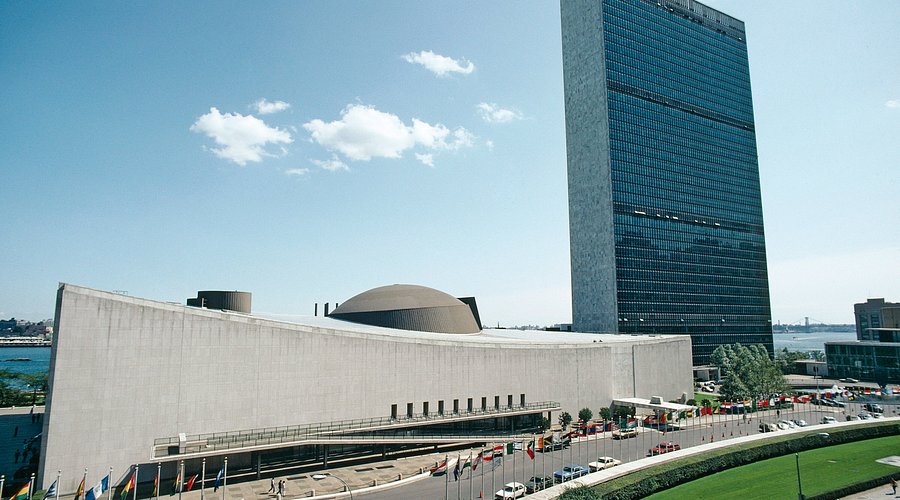
NewYork, Janaury 2026 According to Brussels Morning Newspaper that in 2026 New York, world attention has once again turned to the United Nations as diplomats convened for high level discussions on the Middle East crisis UN agenda. The emergency consultations reflect deepening concern over regional instability mounting humanitarian needs and the risk that unresolved tensions could evolve into a wider international security challenge. The meeting comes at a time when global confidence in multilateral conflict resolution is being tested by overlapping crises and geopolitical rivalry.
From the opening statements to closed door consultations the tone of the session underscored urgency rather than routine diplomacy. Delegations arrived amid heightened security and intense international scrutiny signaling that decisions made in New York may carry consequences far beyond the region itself.
Historical Context of the Current Situation
The present tensions did not emerge in isolation. Over decades the Middle East has experienced cycles of conflict ceasefires and fragile negotiations. What distinguishes the current phase is the convergence of political fragmentation regional power competition and humanitarian strain. Analysts briefed the Council that the Middle East crisis UN discussions are shaped by both long standing disputes and recent escalations that have strained existing diplomatic frameworks.
Previous UN resolutions laid out principles for de escalation and civilian protection yet implementation has remained uneven. The current moment reflects frustration among international actors who fear that without renewed engagement existing safeguards may collapse altogether.
Why the United Nations Acted Now
Diplomatic sources indicate that the decision to elevate the issue was driven by rapid developments on the ground. Rising civilian casualties displacement and threats to critical infrastructure prompted calls for urgent multilateral attention. The Middle East crisis UN session was framed as a preventive measure aimed at containing risks before they spiral beyond control.
Several member states argued that delayed diplomacy would only deepen instability. By convening at this stage the Council sought to reassert its relevance and responsibility under the UN Charter.
Inside the Security Council Chamber
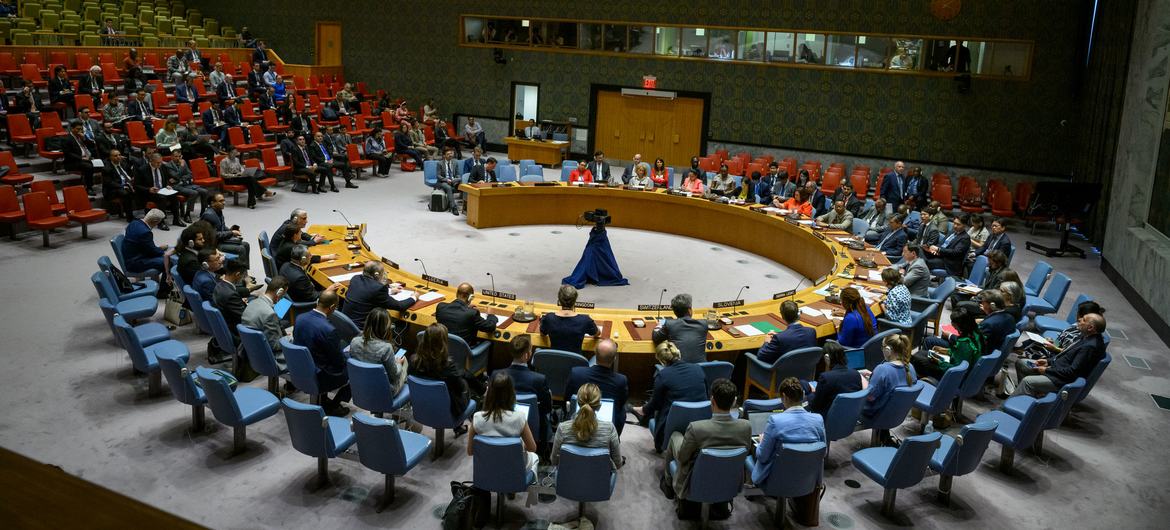
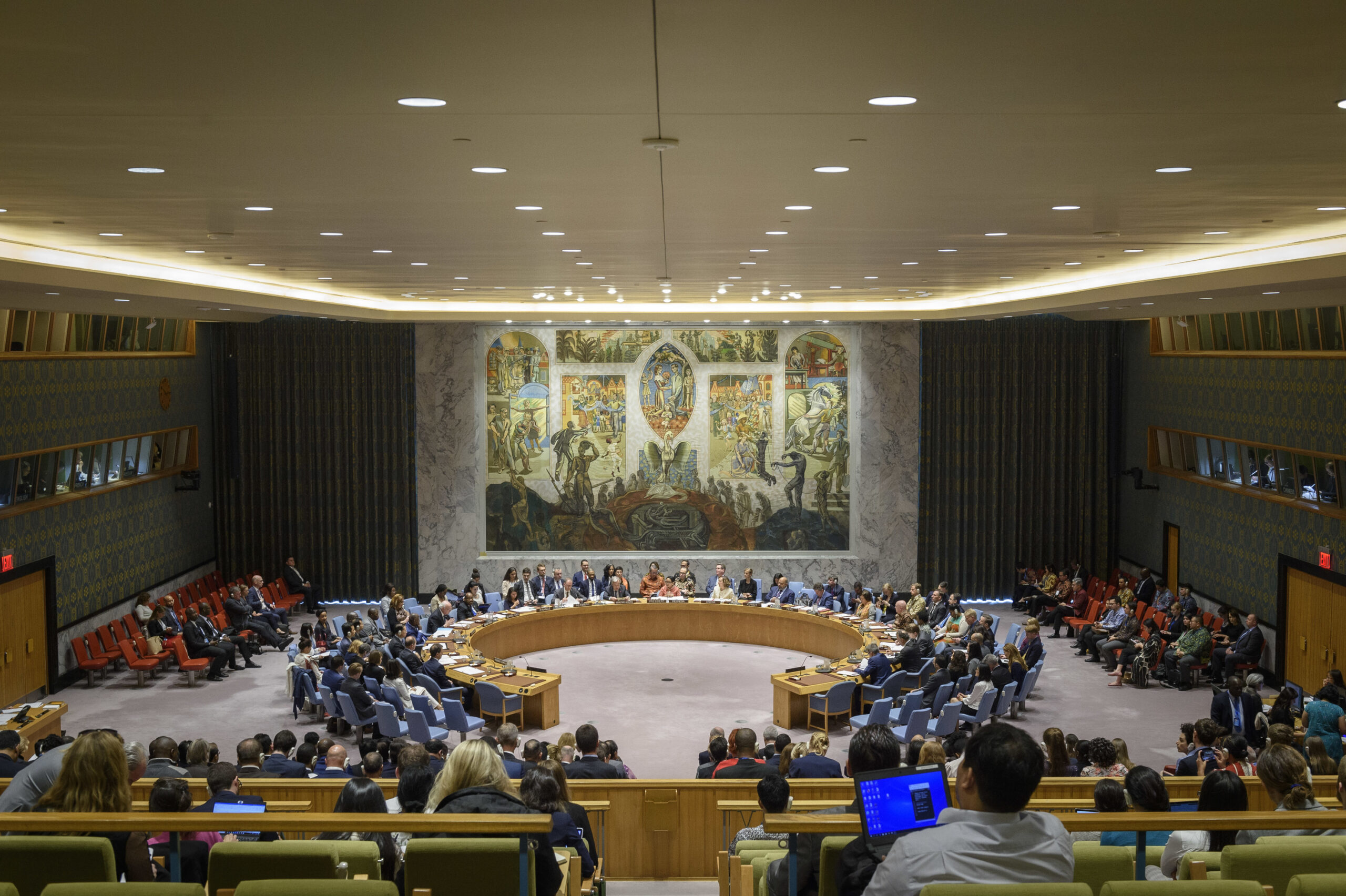
The Security Council chamber reflected a blend of formality and tension. Delegates delivered prepared statements while signaling flexibility in private negotiations. The Middle East crisis UN debate revealed familiar divisions but also moments of shared concern particularly regarding civilian protection and humanitarian access.
Council officials emphasized that the meeting was not intended as a symbolic gesture. Instead it aimed to generate momentum toward practical steps even if incremental.
Humanitarian Emergency at the Forefront
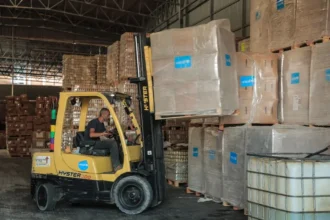
Humanitarian briefings formed a central part of the discussions. UN officials outlined shortages of food medical supplies and shelter affecting millions. According to relief agencies access constraints remain one of the most serious obstacles to effective response. The Middle East crisis UN humanitarian dimension was described as increasingly complex due to insecurity and political fragmentation.
Delegates acknowledged that humanitarian pauses and safe corridors require cooperation from all parties. Several speakers stressed that international humanitarian law must remain non negotiable.
Civilian Protection and International Law
International law featured prominently throughout the session. Legal advisers reminded members that existing frameworks obligate all actors to protect civilians and allow humanitarian assistance. The Middle East crisis UN debate revisited previous commitments while questioning whether stronger monitoring mechanisms are required.
Some members proposed enhanced reporting requirements to improve transparency. Others cautioned against measures that could be perceived as punitive and risk further escalation.
Positions of Major Powers
As expected major powers articulated differing perspectives shaped by strategic interests and alliances. While all expressed concern over instability approaches varied significantly. The Middle East crisis UN discussions highlighted enduring geopolitical rivalries that complicate consensus building.
Despite these differences diplomats noted that no delegation dismissed the seriousness of the situation. Quiet diplomacy continued alongside formal statements as envoys explored limited areas of agreement.
Role of Regional Actors
Regional representatives emphasized that solutions imposed from outside rarely endure. They urged the Council to engage more closely with local stakeholders and regional organizations. The Middle East crisis UN agenda included calls for inclusive dialogue recognizing that neighboring states often bear the immediate consequences of conflict.
Regional voices stressed the importance of addressing underlying political grievances alongside security concerns. Their interventions added depth to the debate and highlighted the interconnected nature of regional stability.
Economic and Energy Implications
Beyond humanitarian and security issues the meeting addressed economic repercussions. Instability linked to the Middle East crisis UN discussions has affected energy markets supply chains and investor confidence. Economic analysts warned that prolonged uncertainty could exacerbate global inflationary pressures.
Council members acknowledged that economic hardship can fuel social unrest and undermine peace efforts. This recognition reinforced arguments for preventive diplomacy rather than reactive crisis management.
Impact on Global Security
Security experts briefing the Council warned that unresolved tensions could create opportunities for non state actors and transnational threats. The Middle East crisis UN context was framed as not only a regional issue but a matter of international peace and security.
Delegates highlighted the risk of miscalculation and unintended escalation particularly in densely populated areas. These concerns added urgency to calls for confidence building measures.
Media Coverage and Public Perception
International media coverage of the meeting reflected both skepticism and cautious optimism. Years of stalled negotiations have eroded public confidence in diplomatic processes. Nevertheless the Middle East crisis UN session was widely viewed as a necessary step toward renewed engagement.
Civil society organizations urged transparency and accountability warning that repeated declarations without follow through could deepen cynicism.
Statement from the Council Floor
One senior diplomat summarized the stakes during the session
“The cost of inaction will be measured not only in political failure but in human lives.”
The remark resonated across the chamber reinforcing the moral dimension of the debate.
Diplomatic Tools Under Consideration
Several diplomatic tools were discussed including mediation support confidence building measures and enhanced UN coordination. The Middle East crisis UN agenda explored whether existing mechanisms can be adapted to current realities.
While no binding resolution was immediately adopted diplomats described the discussions as laying groundwork for future initiatives. Informal consultations are expected to continue in the coming weeks.
Challenges Facing Multilateral Action
The meeting also underscored structural challenges within the UN system. Veto dynamics and competing priorities often limit decisive action. The Middle East crisis UN debate illustrated how global governance struggles to respond swiftly to complex conflicts.
Despite these constraints many delegates argued that the UN remains indispensable as a forum for dialogue and crisis management.
Expectations for the Coming Months
Looking ahead diplomats emphasized sustained engagement rather than quick fixes. The Middle East crisis UN process now moves into a phase of behind the scenes negotiation where progress is often incremental and fragile.
Observers note that even modest steps such as improved humanitarian access or reduced hostilities could create space for longer term political solutions.
Broader Lessons for Global Diplomacy
The current discussions offer broader lessons about the limits and possibilities of multilateral diplomacy. The Middle East crisis UN experience highlights the need for adaptability patience and coordination among diverse actors.
As global challenges grow more interconnected the effectiveness of institutions like the UN will remain under close scrutiny.
Final Outlook
The Middle East crisis UN talks in New York represent a critical juncture for international diplomacy in 2026. While deep divisions persist the meeting reaffirmed recognition that unchecked escalation carries severe humanitarian and geopolitical costs.
Whether these discussions translate into tangible improvements will depend on political will sustained engagement and cooperation beyond the Council chamber. For now the world watches as diplomacy confronts one of its most enduring tests.