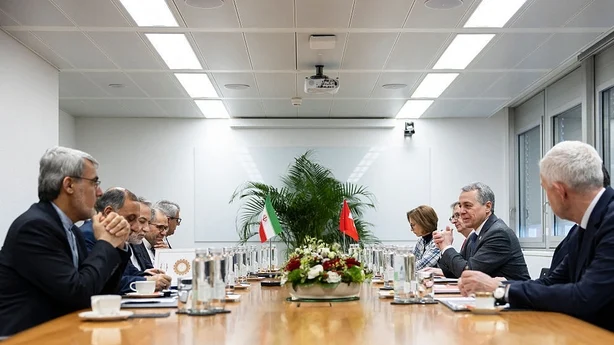
Muscat, Oman – February 26, 2026 — Brussels Morning Newspaper — Iran US nuclear talks resumed this week in Muscat, Oman, as senior officials from Tehran and Washington convened for indirect negotiations aimed at stabilizing regional security and reinforcing nuclear oversight mechanisms. The 2026 diplomatic engagement has drawn global attention, reflecting the broader geopolitical weight attached to these discussions.
The renewed effort signals a calculated shift toward structured dialogue after months of strained rhetoric. While expectations remain measured, the continuation of Iran US nuclear talks suggests both governments recognize that diplomacy offers a more predictable path than escalation.
Renewed Diplomatic Momentum in Muscat
The current phase of negotiations represents a deliberate recalibration. Instead of seeking sweeping declarations, negotiators are focused on incremental progress built on verification and reciprocal obligations. Oman’s mediation framework allows proposals to move discreetly between delegations, reducing the political pressure often associated with direct confrontation.
Diplomatic sources describe the atmosphere as professional and disciplined. Technical experts are reviewing enrichment thresholds, monitoring protocols, and enforcement timelines designed to rebuild confidence gradually. The structured nature of Iran US nuclear talks reflects lessons learned from previous breakdowns, where ambiguity in sequencing contributed to mistrust.
Core Objectives Driving the Discussions
Washington’s primary objective remains preventing further escalation of uranium enrichment while expanding access for international inspectors. Officials emphasize that sanctions flexibility must correspond directly to verifiable compliance milestones.
Tehran, in turn, seeks phased economic relief aligned with compliance measures. Iranian representatives argue that tangible sanctions adjustments are essential to demonstrate the benefits of engagement to domestic audiences. Within Iran US nuclear talks, both sides are exploring synchronized steps that minimize political vulnerability at home.
A regional diplomat familiar with the discussions noted,
“Diplomacy requires patience more than headlines.”
The statement underscores the restrained tone characterizing negotiations in Muscat.
Oman’s Quiet Mediation Strategy
Muscat’s role as host underscores its longstanding position as a neutral facilitator in regional affairs. Oman maintains communication channels with both Tehran and Washington, enabling it to act as a trusted intermediary during sensitive periods.
By conducting Iran US nuclear talks through shuttle diplomacy, Oman reduces the symbolic pressure associated with publicized face to face meetings. This approach encourages detailed technical engagement without amplifying political risk.
Observers credit this mediation model with sustaining dialogue even during previous moments of tension. Oman’s consistent involvement has helped prevent communication breakdowns that might otherwise have escalated into confrontation.
Regional Stability and Energy Markets
The broader Gulf region closely monitors developments in Muscat. Neighboring states understand that the outcome of negotiations could influence security calculations and energy supply forecasts.
Energy markets have responded cautiously, reflecting guarded optimism that sustained dialogue may reduce geopolitical volatility. Investors and policymakers alike recognize that Iran US nuclear talks carry implications beyond bilateral relations.
A Gulf based analyst commented that structured engagement lowers risk perception across the region, reinforcing economic predictability.
Verification Frameworks and Technical Oversight
Verification mechanisms remain central to the discussions. Inspectors require access to enrichment facilities, data monitoring systems, and supply chain transparency to ensure compliance.
Technical teams are evaluating updated monitoring technologies designed to enhance oversight while respecting sovereignty. The architecture under review includes phased inspection expansions tied to measurable milestones.
Iran US nuclear talks are therefore anchored in enforceable timelines. Clear sequencing is intended to prevent ambiguity that could erode trust during implementation.
Domestic Political Constraints
Political realities in both countries shape the tempo of negotiations. In Washington, lawmakers debate the balance between diplomacy and deterrence. Any agreement must demonstrate credible security benefits to withstand legislative scrutiny.
In Tehran, negotiators face domestic expectations of resilience and sovereignty. Public discourse remains sensitive to perceptions of concession. These internal dynamics influence how Iran US nuclear talks are framed and communicated to domestic audiences.
Officials have adopted measured public messaging, emphasizing process rather than promises. This disciplined communication strategy reduces the risk of backlash that could derail progress.
Multilateral Stakeholders and Global Implications
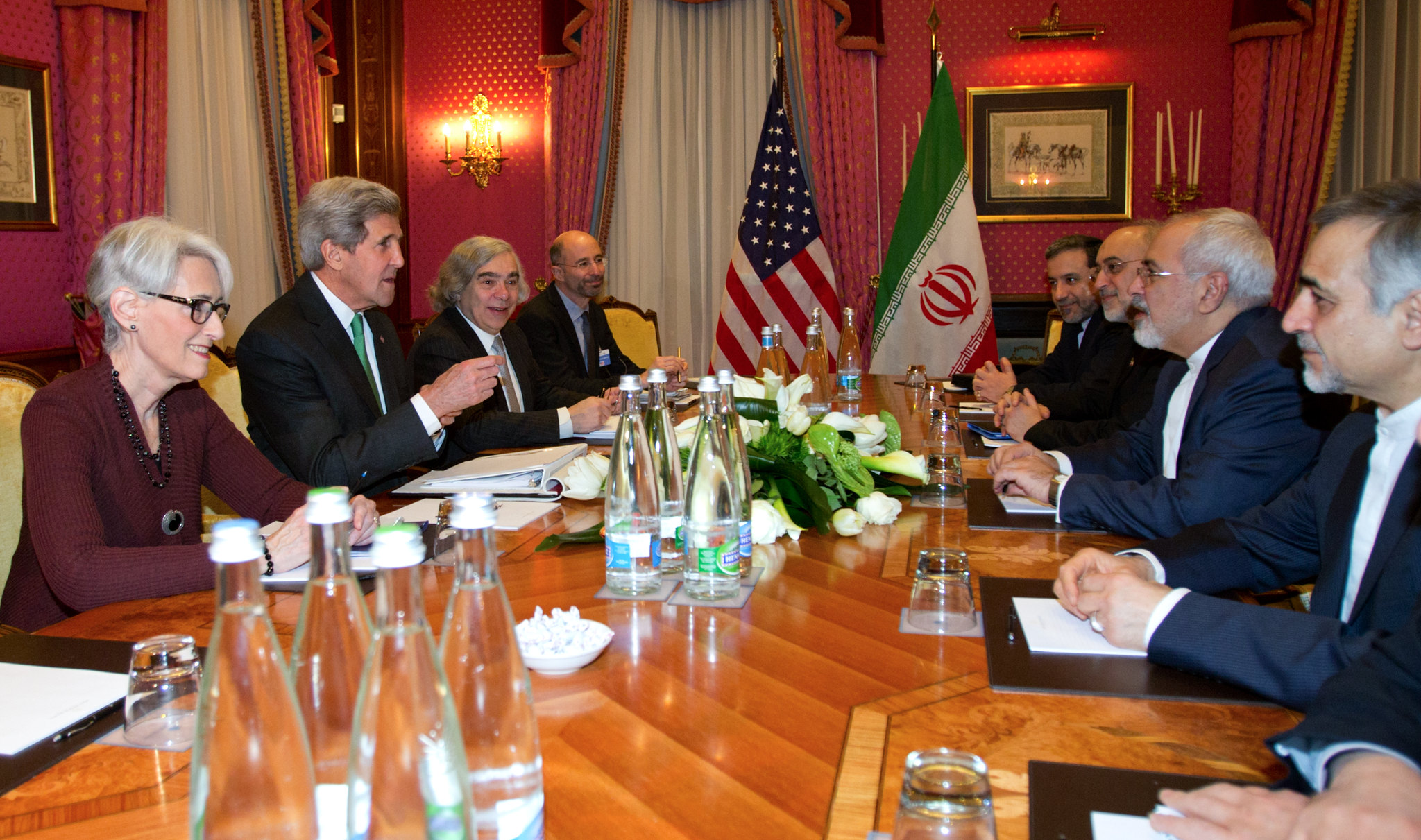
European governments, alongside China and Russia, have expressed support for continued engagement. International nonproliferation institutions stress that credible oversight frameworks reinforce global security norms.
The continuation of Iran US nuclear talks signals that diplomatic channels remain viable despite geopolitical polarization. Markets and governments worldwide monitor developments in Muscat as indicators of broader strategic stability.
Global trade routes, energy flows, and regional alliances intersect with the outcome of these negotiations. Even incremental progress can recalibrate risk assessments across continents.
History of Diplomatic Turning Points
Previous agreements established enrichment caps and inspection regimes but encountered disputes over compliance interpretation and sanctions sequencing. The evolution of Iran US nuclear talks reflects shifting political cycles and technological advancements.
Each past phase has informed current strategies. Negotiators now prioritize clarity, enforceability, and phased implementation to avoid abrupt breakdowns.
Understanding this historical trajectory provides context for the structured approach adopted in Muscat. Lessons learned from earlier setbacks have shaped today’s emphasis on precision and mutual accountability.
Human Dimension of High Stakes Negotiation
Behind technical frameworks are diplomats navigating intense pressure. Negotiators manage complex data while balancing geopolitical expectations and domestic scrutiny.
Personal rapport often plays a decisive role. Informal exchanges complement formal sessions, reducing misunderstandings and fostering trust. Within Iran US nuclear talks, disciplined communication has become as important as legal drafting.
One Western official observed that sustained engagement itself is evidence of strategic restraint, highlighting the human effort required to maintain dialogue.
Economic Sequencing and Sanctions Calibration
Sanctions remain a powerful bargaining instrument. Years of restrictions have constrained Iran’s financial sector and export capacity. Tehran argues that phased relief must accompany verified compliance.
Washington maintains that economic adjustments will follow measurable implementation steps. This calibrated sequencing seeks to preserve leverage while incentivizing cooperation.
Iran US nuclear talks therefore integrate economic and technical elements into a synchronized framework, ensuring that obligations and benefits advance together.
Communication Strategy and Public Perception
Officials in Muscat have emphasized confidentiality to protect negotiating space. Public briefings are concise and carefully worded to avoid inflaming domestic audiences.
This restrained approach reflects recognition that premature optimism or misinterpretation can undermine delicate progress. Iran US nuclear talks continue under a disciplined communication strategy designed to prioritize substance over spectacle.
Outlook for the Months Ahead
Diplomats anticipate additional sessions in Muscat throughout 2026. Technical drafts are being refined, and implementation timelines adjusted to align with verification standards.
While no comprehensive agreement has been finalized, continuity of engagement represents meaningful movement. Even incremental steps reduce the probability of abrupt escalation.
Analysts caution that setbacks remain possible, yet the sustained presence of negotiators in Muscat underscores a shared understanding of the risks associated with diplomatic failure.
A Defining Diplomatic Chapter for 2026
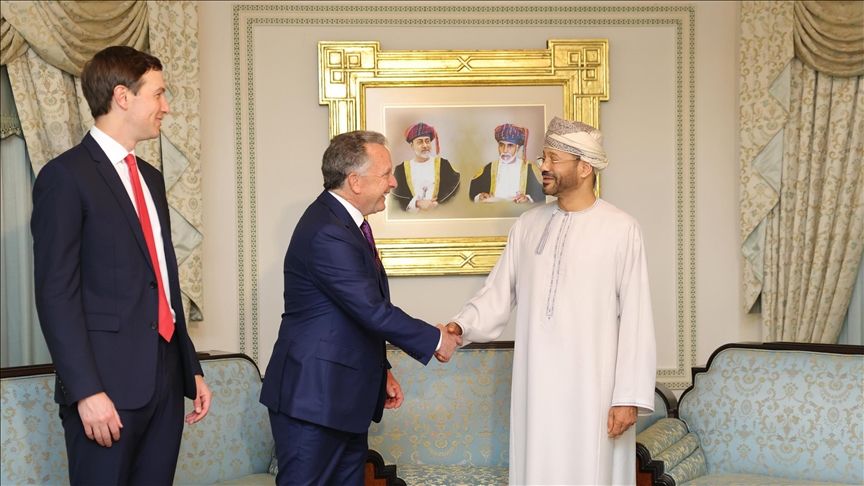
As April 2026 progresses, Muscat stands at the center of a diplomatic initiative with global ramifications. The structured negotiations underway demonstrate that disciplined dialogue remains essential in managing complex security challenges.
Iran US nuclear talks reflect a broader strategic calculation that stability is preferable to uncertainty. Whether the process culminates in a comprehensive accord or a phased framework, its impact will shape regional security architecture and international governance norms.
For now, the measured tone in Oman’s capital signals cautious determination. The months ahead will determine whether this chapter in 2026 evolves into lasting stability or remains another transitional phase in a long diplomatic journey.