
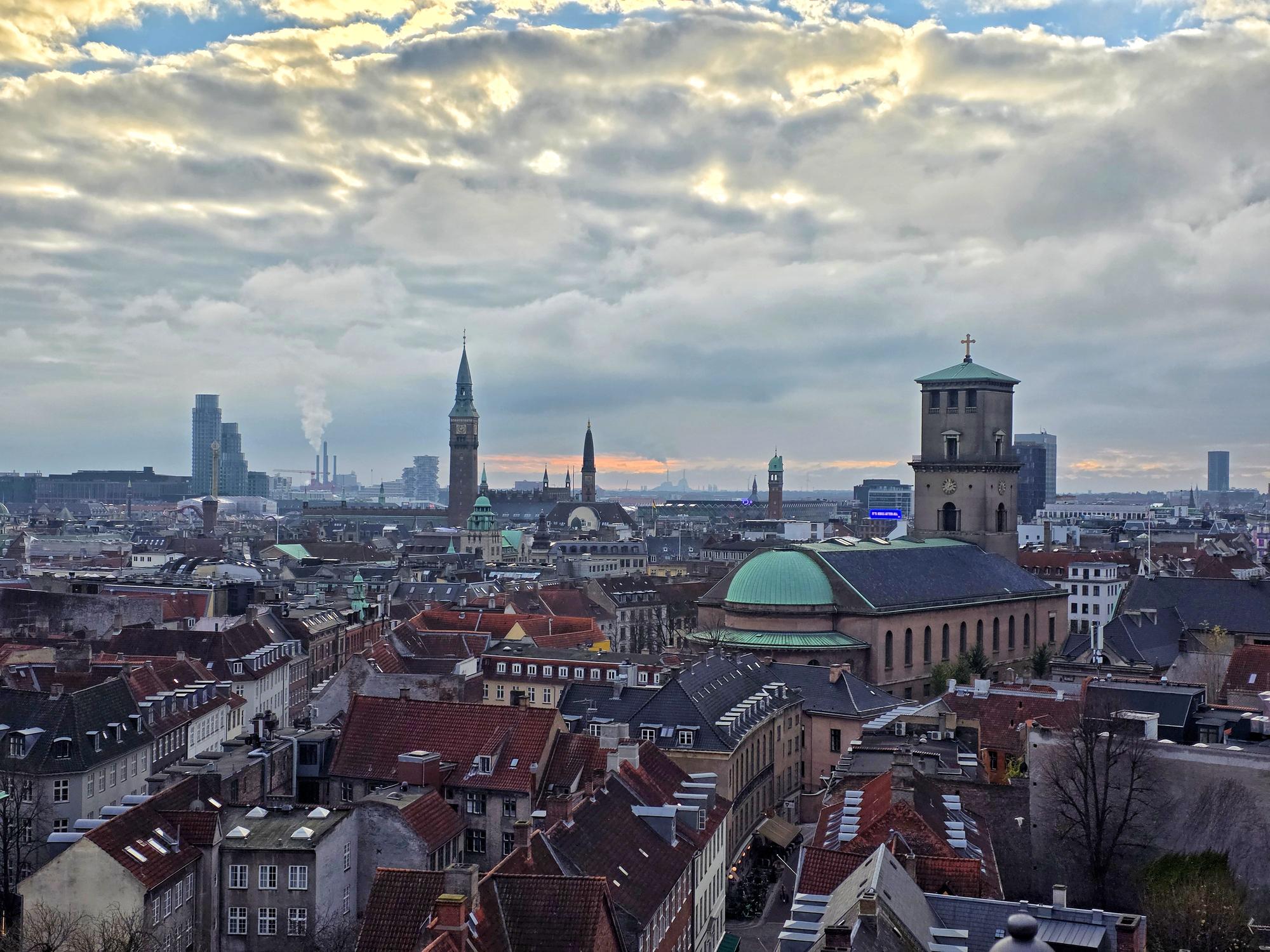
Copenhagen, Denmark – February 26, 2026 — Brussels Morning Newspaper — Denmark elections 2026 have officially commenced in Copenhagen, Denmark, as voters head to the polls in a national vote shaped by economic debate, Arctic geopolitics, and coalition uncertainty. The decision to call elections at this moment reflects strategic calculations by the Prime Minister, who seeks a renewed mandate amid heightened international focus on Greenland and regional security.
The Denmark elections unfold against a backdrop of steady democratic stability, yet this cycle carries added weight. Domestic concerns intersect with global dynamics, elevating the campaign beyond routine political competition. Analysts describe the current vote as one of the most consequential in recent years.
National Mood and Campaign Atmosphere
Public engagement across Denmark has been notable. Town halls in Copenhagen, Aarhus, and Odense have drawn substantial crowds, reflecting high civic participation. The political atmosphere remains measured, with policy centric debates dominating media coverage.
Denmark elections traditionally feature pragmatic discussion rather than ideological confrontation. In 2026, however, the stakes feel heightened. The convergence of economic policy, climate commitments, and Arctic strategy has sharpened public focus on leadership credentials.
The Prime Minister framed the vote as a test of stability. One senior official noted,
“This election is about safeguarding Denmark’s position in a changing world.”
The message resonates with voters attentive to both domestic resilience and global standing.
Greenland and Arctic Security Calculations
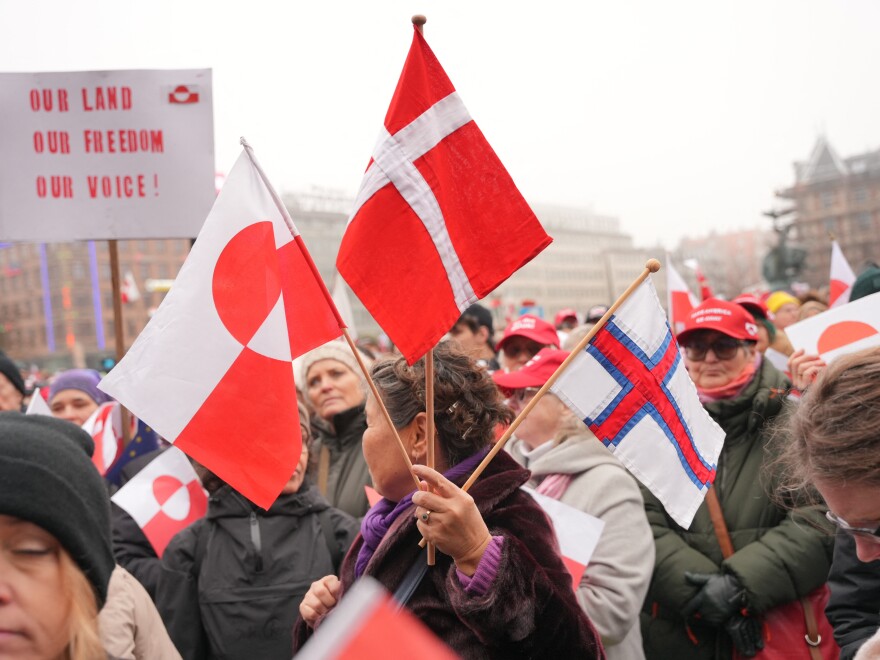
Greenland’s strategic importance has emerged as a defining issue. While Greenland enjoys autonomy in domestic governance, Denmark retains authority over foreign affairs and defense. Increased international interest in Arctic shipping routes and natural resources has intensified scrutiny.
Denmark elections are therefore influenced by security considerations extending far beyond national borders. Voters are evaluating how effectively the government balances sovereignty, partnership, and environmental responsibility.
Greenlandic leaders have emphasized dialogue and mutual respect. The evolving relationship between Copenhagen and Nuuk remains central to Arctic policy discussions.
Economic Performance and Fiscal Policy
Denmark’s economy has demonstrated resilience despite global volatility. Inflation pressures have moderated, and employment remains relatively strong. Nonetheless, debates persist over taxation levels, public spending, and welfare sustainability.
Denmark elections provide a platform for contrasting fiscal philosophies. The governing coalition advocates continuity and gradual reform, while opposition parties propose recalibrated spending priorities and investment strategies.
Energy transition remains central. Denmark’s leadership in renewable technology continues to influence voter expectations. Balancing environmental ambition with economic competitiveness defines much of the campaign rhetoric.
Coalition Mathematics and Parliamentary Dynamics
Under Denmark’s proportional representation system, coalition governance is the norm. Denmark elections rarely produce single party majorities, requiring post election negotiation among parties.
Analysts anticipate intricate coalition talks once results are finalized. Smaller parties may hold decisive influence, shaping policy concessions and cabinet composition.
This structural feature reinforces moderation but can also prolong government formation. Political leaders emphasize stability and constructive negotiation as guiding principles.
Public Trust and Democratic Participation
Denmark consistently ranks among the world’s most transparent democracies. Public trust in electoral processes remains high, supported by efficient administration and independent oversight.
Denmark elections benefit from strong voter turnout and civic education initiatives. Young voters in particular have shown heightened interest, driven by climate policy and digital innovation debates.
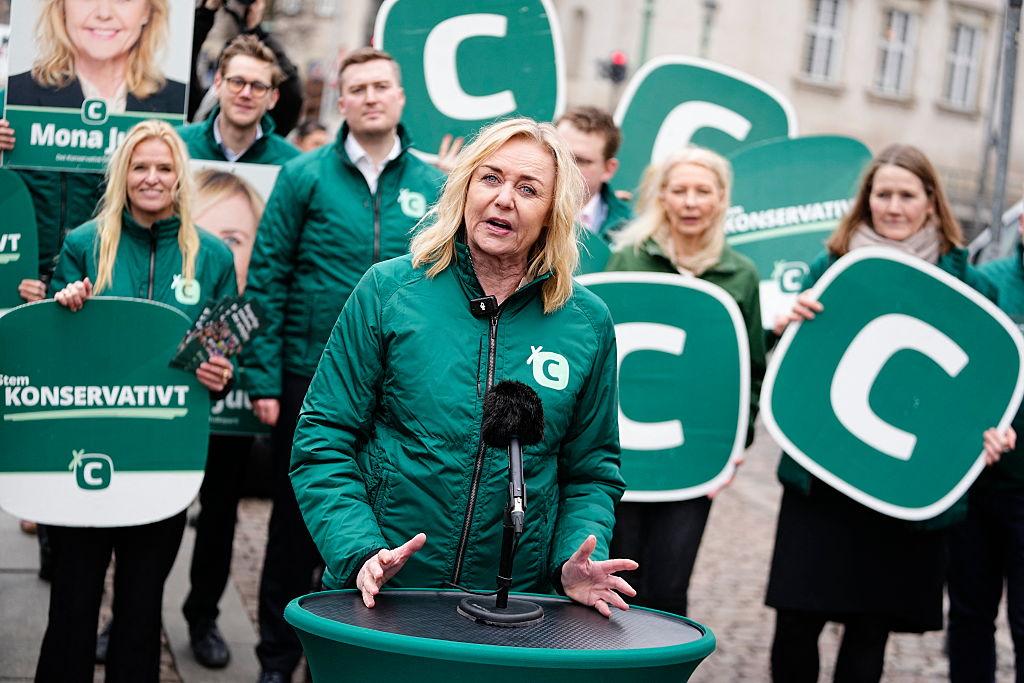
Campaign messaging has remained largely substantive, reflecting Denmark’s political culture of respectful discourse.
European Context and International Implications
European Union partners monitor developments closely. Denmark’s policy positions influence regional debates on defense cooperation, trade, and environmental regulation.
Denmark elections may shape Copenhagen’s approach to EU integration and NATO collaboration. Continuity is widely expected, though coalition composition could adjust emphasis on specific initiatives.
Nordic neighbors share similar Arctic priorities. The outcome in Copenhagen may resonate throughout the region’s strategic planning.
Historical Evolution of Denmark Elections
The trajectory of Denmark elections reflects a century of democratic refinement. Since the establishment of parliamentary democracy, the country has experienced peaceful transitions and evolving coalition frameworks.
Past elections often centered on welfare expansion and fiscal calibration. The 2026 cycle introduces expanded focus on geopolitical stability and Arctic diplomacy.
This historical context underscores Denmark’s institutional resilience. Each electoral chapter builds upon traditions of accountability and public engagement.
Campaign Communication and Leadership Messaging
The Prime Minister’s campaign highlights experience and continuity. Messaging emphasizes Denmark’s capacity to navigate uncertainty without sacrificing social cohesion.
Opposition leaders advocate fresh approaches to economic management and climate adaptation. Debates have centered on policy details rather than personal criticism.
Denmark elections illustrate a mature political environment where structured dialogue prevails over inflammatory rhetoric.
Greenland Crisis as Strategic Backdrop
Recent tensions connected to Arctic security arrangements have elevated Greenland’s visibility in national discourse. The government argues that steady leadership ensures balanced diplomacy and effective defense coordination.
Critics contend that broader consultation with Greenlandic authorities is essential. The intersection of autonomy and national security remains sensitive.
Denmark elections therefore serve as a referendum on the government’s handling of this strategic dimension.
Media Landscape and Public Debate
National broadcasters and independent outlets provide comprehensive analysis of party platforms. Fact checking initiatives enhance transparency.
Public forums and digital discussions extend engagement beyond traditional campaign events. Denmark elections reflect the integration of digital communication into democratic practice.
Media coverage emphasizes issue based reporting, reinforcing informed voter participation.
Economic Stakes and Market Reaction
Financial markets typically respond cautiously to Danish political transitions. Investors anticipate continuity in macroeconomic management regardless of coalition configuration.
Denmark elections nonetheless influence short term sentiment, particularly regarding energy policy and regulatory frameworks.
Business leaders have called for predictable governance to maintain Denmark’s competitive position in global markets.
Voter Priorities and Social Policy Debate
Healthcare funding, housing affordability, and education reform remain top concerns. Denmark’s comprehensive welfare model commands broad support, yet fiscal sustainability requires careful calibration.
Denmark elections provide a forum for discussing generational equity and long term budget planning. Parties propose varying approaches to balancing social investment with fiscal discipline.
The electorate appears engaged and discerning, reflecting high political literacy.
Security Partnerships and Defense Commitments
Denmark’s defense policy intersects with Arctic considerations and NATO obligations. Continued modernization and strategic alignment feature prominently in campaign discussions.
Denmark elections may influence defense spending trajectories and regional coordination strategies.
Policy experts emphasize that stable governance supports credible international partnerships.
Coalition Negotiations and Governance Outlook
Following ballot counting, coalition talks will determine the composition of the next government. Denmark elections often produce pragmatic alliances reflecting policy overlap.
Observers anticipate constructive dialogue among parties. The proportional system encourages compromise and incremental reform.
Regardless of configuration, institutional continuity is expected to prevail.
Broader Implications for Nordic Stability
The Nordic region benefits from consistent democratic governance. Denmark elections contribute to this stability by reaffirming transparent processes and accountable leadership.
Regional cooperation on energy transition and Arctic policy remains a shared priority.
Copenhagen’s direction will influence collaborative initiatives across Scandinavia.
Defining the Political Mandate of 2026
As ballots are cast across Copenhagen and beyond, Denmark elections 2026 represent more than a routine political event. They embody a national conversation about sovereignty, sustainability, and global responsibility.
The integration of domestic reform and international strategy defines this cycle. Voters are assessing leadership capacity to navigate complex challenges without compromising democratic values.
The outcome will shape Denmark’s trajectory in both regional and global contexts.
A Democratic Chapter Shaping the Future
In the final analysis, Denmark elections stand as a testament to democratic resilience. The interplay of Arctic security, economic stewardship, and social cohesion underscores the multifaceted nature of modern governance.
Copenhagen’s decision in May 2026 will reverberate beyond national borders, influencing alliances, markets, and policy frameworks.
Through measured debate and civic participation, Denmark continues to demonstrate the enduring strength of its democratic institutions.