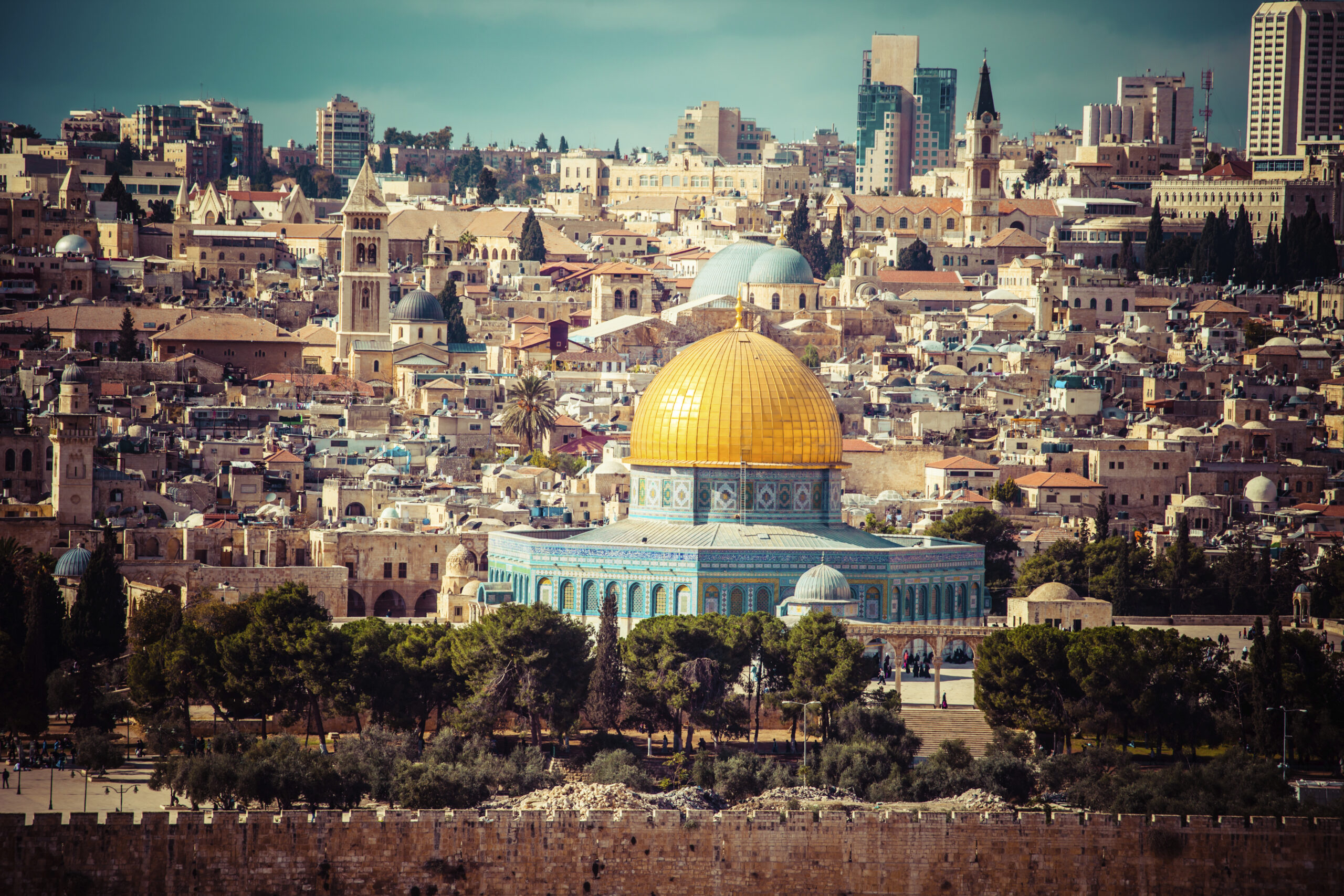
Jerusalem, Israel — January, 2026: Brussels Morning Newspaper notes that the Israeli elections 2026 have moved to the forefront of national attention, unfolding at a moment when political endurance, public trust, and regional uncertainty converge. With campaigning intensifying across the country, the vote is widely viewed as a turning point that could shape Israel’s governance, democratic confidence, and strategic direction for years to come.
The atmosphere leading into the ballot reflects both familiarity and fatigue. Israelis are no strangers to elections, yet this cycle carries a distinct weight, shaped by prolonged political division, evolving security challenges, and questions about institutional balance.
A Vote Emerging From Years of Political Strain
Israel’s political system has been tested by repeated electoral cycles and fragile coalition arrangements. Governments have struggled to maintain longevity, often constrained by narrow parliamentary margins and competing ideological demands.
Against this backdrop, the Israeli elections 2026 are widely interpreted as a collective response to instability. Voters are not merely choosing representatives; they are signaling whether continuity or re-calibration best serves the national interest.
Leadership at the Center of Public Debate
Few figures loom as large in the current campaign as Prime Minister Benjamin Netanyahu, whose long tenure has defined an era of Israeli politics. Supporters highlight experience and resilience, while critics question the sustainability of long-standing leadership amid shifting domestic and regional realities.
The Israeli elections 2026 thus function as a referendum on leadership style as much as policy, forcing voters to weigh stability against the promise of renewal.
Security Concerns Shape Campaign Messaging
Security remains a defining factor in Israeli political life. Regional volatility, unresolved diplomatic tensions, and military preparedness all influence voter sentiment.
In this environment, the Israeli elections 2026 are framed heavily through a security lens, with candidates emphasizing readiness, deterrence, and strategic clarity as essential qualities for national leadership.
Opposition Voices Seek Strategic Re-framing
Opposition parties face the challenge of offering credible alternatives while navigating a fragmented electorate. Their campaigns emphasize governance reform, economic fairness, and restoring institutional trust.
Despite these efforts, analysts note that the Israeli elections 2026 remain dominated by questions of leadership credibility and crisis management, limiting space for broader policy debates.
Economic Pressures and Everyday Realities
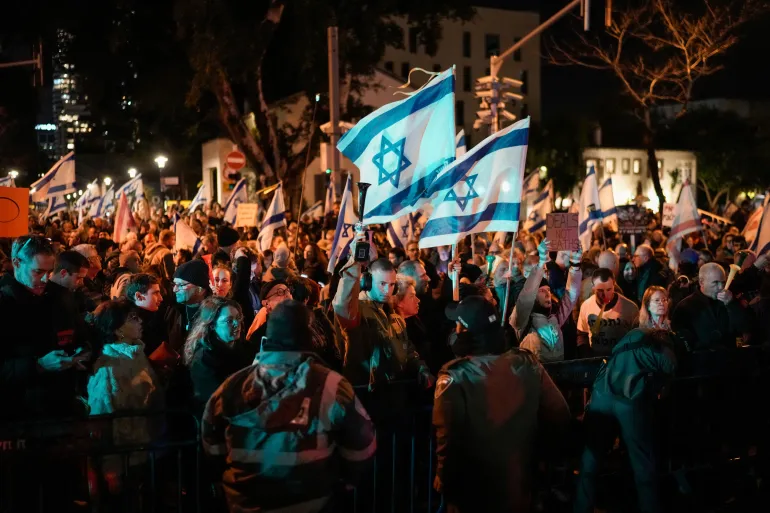
Beyond security, many Israelis face rising living costs, housing shortages, and economic uncertainty. These issues resonate deeply at the household level, even if they struggle to dominate headlines.
The Israeli elections 2026 reveal the tension between immediate economic concerns and long-term strategic anxieties, both competing for voter attention.
Media Influence on Political Perception
Israeli media plays a central role in shaping the electoral narrative. Continuous coverage, televised debates, and investigative reporting frame the stakes of the vote and amplify key themes.
Through this lens, the Israeli elections 2026 are portrayed as a defining national crossroads, reinforcing their significance in the public imagination.
International Attention and Diplomatic Stakes
Global actors are watching developments in Israel closely. Leadership outcomes carry implications for regional diplomacy, security cooperation, and international partnerships.
Diplomatic observers suggest the Israeli elections 2026 will influence how allies and adversaries assess Israel’s future posture, underscoring the vote’s relevance beyond national borders.
Voter Engagement and Democratic Confidence
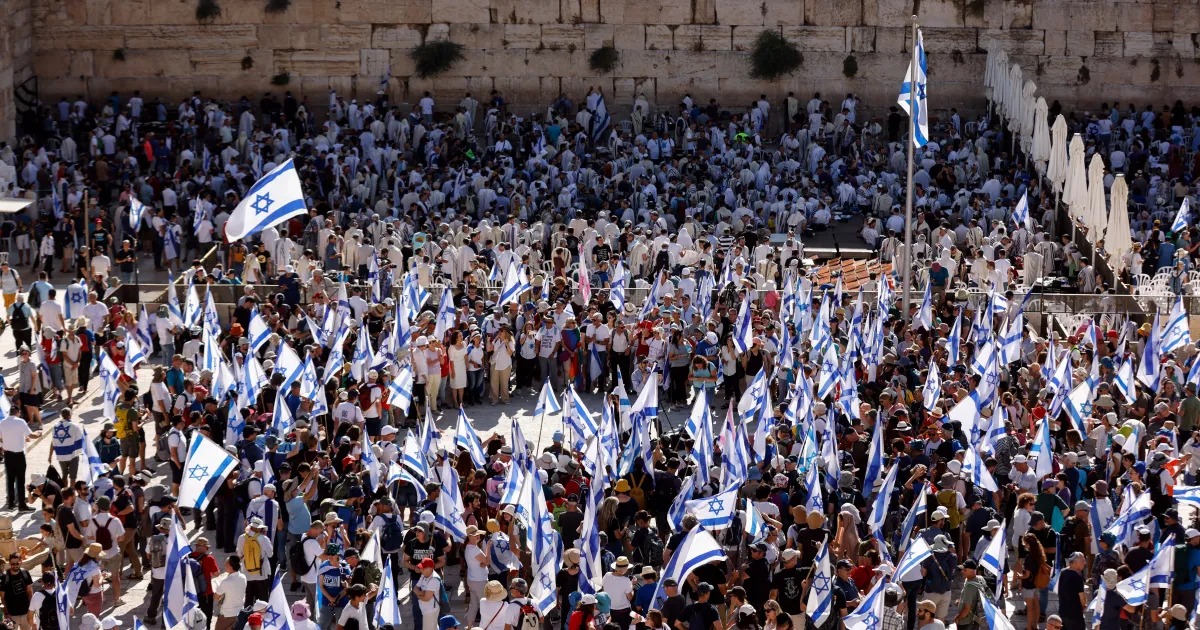
One of the central questions surrounding the vote is whether public participation will rebound after years of political repetition. Civic organizations have intensified efforts to encourage turnout, emphasizing democratic responsibility.
The Israeli elections 2026 therefore test not only political preferences but also public confidence in democratic processes themselves.
Institutions and the Balance of Power
Debates over judicial authority, executive power, and legislative oversight have gained prominence in recent years. These discussions resonate with voters concerned about democratic safeguards and governance norms.
For many citizens, the Israeli elections 2026 represent an opportunity to influence how power is balanced within the state.
A Singular Voice Capturing the Moment
One veteran political commentator captured the mood by saying,
“This election is about whether Israelis believe stability comes from familiarity or from change.”
The remark reflects the central dilemma facing voters as they approach the ballot.
Generational Shifts Within the Electorate
Younger voters bring different priorities into the political arena, including social equity, economic opportunity, and global integration. Their engagement could influence campaign strategies and electoral outcomes.
As a result, the Israeli elections 2026 may also signal longer-term demographic and ideological shifts within Israeli society.
Coalition Calculations After the Ballot
Given Israel’s proportional representation system, no single party is expected to secure an outright majority. Coalition negotiations will therefore play a decisive role in shaping the next government.
The outcome of the Israeli elections 2026 will hinge not only on vote counts but also on post-election bargaining and alliance building.
Public Mood Marked by Caution and Expectation
Public sentiment reflects a complex mix of skepticism and hope. Many voters express frustration with prolonged uncertainty, yet acknowledge the importance of the current moment.
This emotional landscape defines the Israeli elections 2026, making voter behavior less predictable than in previous cycles.
Campaign Dynamics as Election Day Nears
As election day approaches, political rhetoric is expected to sharpen. Candidates will seek to mobilize core supporters while appealing to undecided voters who may determine the final outcome.
In this final stretch, the Israeli elections 2026 continue to dominate national conversation, shaping daily political discourse.
Regional Context and Strategic Environment
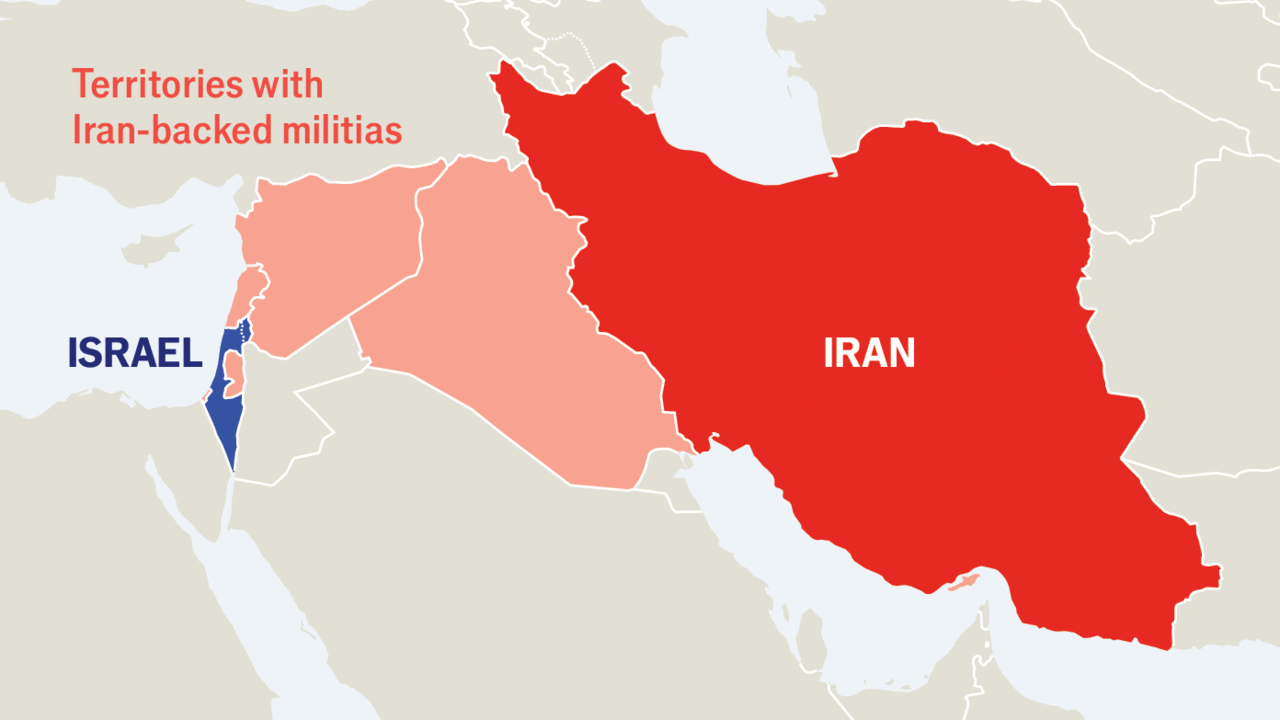
Israel’s regional environment remains fluid, with shifting alliances and unresolved conflicts influencing strategic calculations. These dynamics add urgency to leadership decisions made at the ballot box.
Within this context, the Israeli elections 2026 are viewed as a moment of strategic choice with implications for national security and diplomacy.
Democracy Under the Spotlight
International observers often cite Israel’s electoral process as a key indicator of democratic resilience in the region. Transparent procedures and competitive campaigns reinforce institutional credibility.
The Israeli elections 2026 therefore carry symbolic significance as well as practical consequences.
A Closing Chapter Before a New Beginning
As campaigning enters its final phase, attention turns to what follows the vote. Whether the outcome brings continuity or change, expectations for governance stability are high.
The Israeli elections 2026 stand as a defining chapter in Israel’s political narrative, reflecting both the challenges of the present and the possibilities of the future.
When Choice Shapes the National Story
Every election marks a moment of choice, but some carry greater weight than others. This vote arrives at a time when leadership decisions intersect with public trust and regional uncertainty.
In that sense, the Israeli elections 2026 represent more than a routine democratic exercise, they shape how Israel defines its path forward in an increasingly complex world.